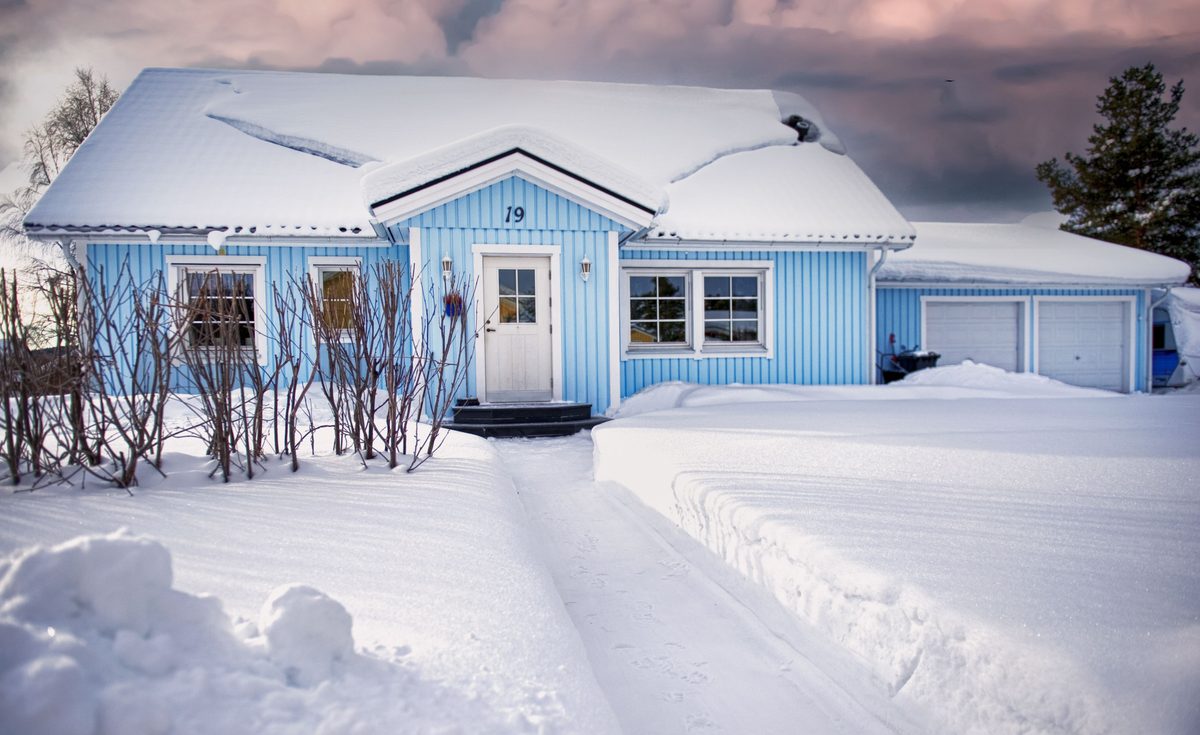
Michigan winter puts pressure on every part of your home exterior. Doors and windows leak heat, roof and attic issues contribute to ice dams, siding failures invite water intrusion, and winter storms can interrupt power and heat. Preparing your home exterior now reduces discomfort, lowers heating costs, and prevents emergency repairs when weather makes scheduling difficult.
This guide walks through practical winter prep steps for door insulation, window sealing, roof maintenance, siding protection, gutters, drainage, and safety readiness. You will learn what homeowners can handle and when professional inspection or replacement is the smarter choice. Each section provides a clear checklist so you can prioritize areas that matter most before sustained cold and snow arrive.
Michigan winters create three major threats to home exteriors: extreme cold, heavy snowfall, and freeze-thaw cycles. These conditions stress doors, windows, roofing, siding, and drainage systems simultaneously. Understanding how each system responds to winter conditions helps homeowners prioritize winter prep tasks and avoid costly damage.
Sustained cold exposes weaknesses in air sealing and insulation. Snow accumulation and freeze-thaw cycles create ice dams, crack siding, and overwhelm drainage systems. Addressing these vulnerabilities before winter protects comfort, energy efficiency, and structural integrity.
Drafts around doors and windows increase discomfort and raise heating demand. Cold air infiltration through worn weatherstripping or gaps in caulking forces heating systems to run longer. Freeze-thaw cycles cause door and window frames to expand and contract, stressing seals and hardware.
Seasonal window and door maintenance follows a Michigan-specific rhythm: winter humidity and drafts, spring repair and cleaning, summer UV and seal checks, and fall resealing and storm-proofing. Following this cycle keeps doors and windows performing well year after year.
Ice dams form when heat escapes through the attic and melts snow that refreezes at colder eaves. This cycle traps water under shingles and causes leaks and interior damage. Proper attic insulation and ventilation reduce heat loss and prevent ice-dam formation.
Michigan roof threats include heavy snowfall, freeze-thaw cycles, severe storms, and temperature swings. These conditions accelerate shingle wear, loosen flashing, and stress roof structures. Lack of attic ventilation causes moisture condensation on roof decking and rafters, leading to rot and mold.
Siding failure lets water and cold air into wall assemblies. Cracks, warping, and gaps allow moisture penetration that compromises insulation and framing. Siding issues before winter become wall moisture problems later.
Drainage systems must handle snowmelt and ice throughout the season. Clogged gutters and poor grading direct water against the foundation, which can freeze and cause cracking. Proper drainage and intact siding protect the home envelope during Michigan winter.
Door upgrades and weatherproofing directly reduce heat loss and drafts. Sealing air leaks around entry doors and patio doors keeps conditioned air inside and cold air outside. These improvements increase comfort and lower heating costs.
Door insulation and professional weatherstripping also enhance security and curb appeal. Modern insulated doors resist forced entry better than older units and offer fresh aesthetics. Proper sealing prevents moisture infiltration that can rot frames and thresholds.
A door prep checklist should include checking the sweep, threshold, weatherstripping, hinges, lock alignment, glass inserts, frame caulking, and tight closure. Each component contributes to air sealing and security. Inspect all entry and patio doors before temperatures drop.
| Item | What to Check |
|---|---|
| Sweep | Confirm it seals tight against the threshold with no gaps |
| Threshold | Check for wear, gaps, or misalignment that lets in cold air |
| Weatherstripping | Look for cracking, compression, or missing sections |
| Hinges | Test for smooth operation and tighten loose screws |
| Lock alignment | Confirm the door latches and locks without forcing |
| Glass inserts | Check seals for fogging or moisture between panes |
| Frame caulking | Look for cracked or missing caulk around the frame |
| Tight closure | Hold a hand near the edges when closed to feel for drafts |
DIY door maintenance includes cleaning tracks, tightening hardware, replacing worn weatherstripping, adding a sweep, and inspecting caulk. These tasks require basic tools and minimal time. Test for drafts even when seals look intact.
Choose a storm door for an older but sound primary door versus an insulated steel or fiberglass entry door when the current unit is failing. Storm doors add a protective layer and seasonal ventilation. They are not universally cost-effective for newer insulated units.
Full door replacement is warranted when the slab is warped, the frame is damaged, or drafts persist after weatherstripping. Modern insulated doors offer superior thermal performance and security compared to older wood units. Evaluate the primary door condition before adding a storm door.
New entry doors improve security through reinforced frames, multi-point locks, and impact-resistant materials. These features resist forced entry better than older single-lock systems. Enhanced security provides peace of mind and protects home value.
Door upgrades also refresh curb appeal with updated styles, colors, and glass options. A new entry door is highly visible and signals home care to visitors and buyers. Combining security and aesthetics makes door replacement a high-return investment.
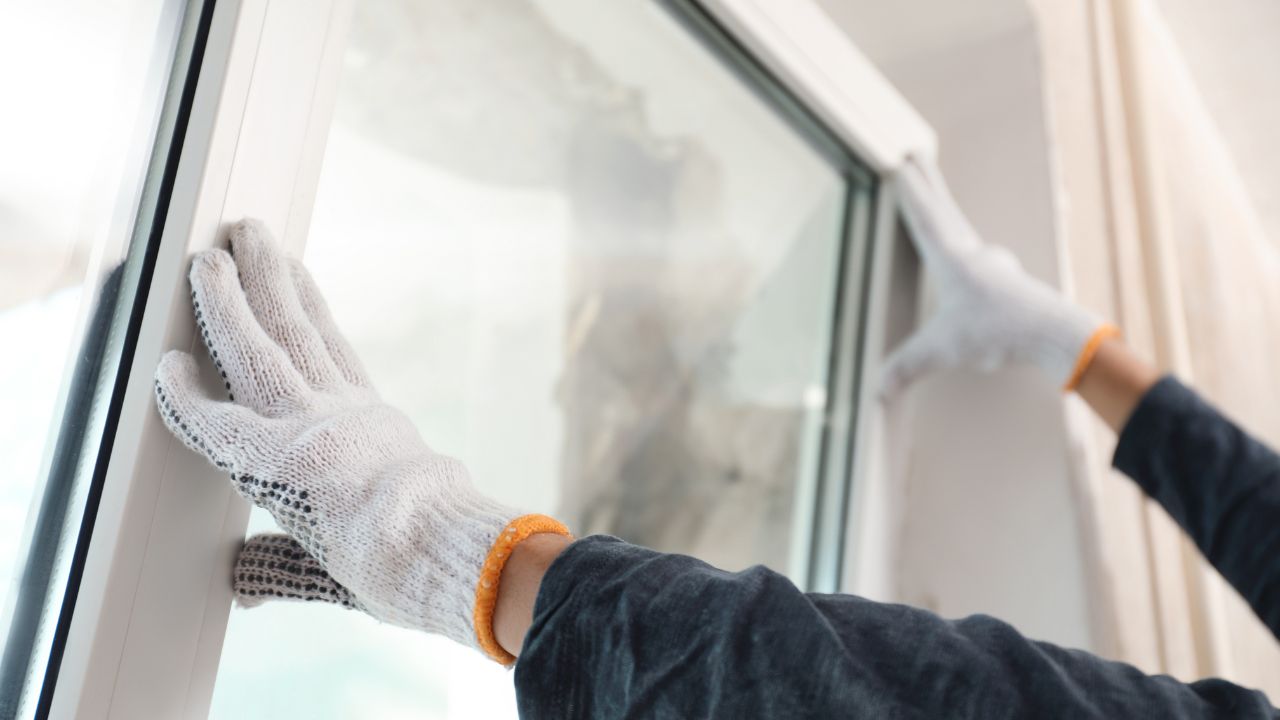
Window sealing prevents drafts, moisture infiltration, and heat loss during Michigan winters. Inspect caulking, trim gaps, locks, weatherstripping, and glass seals before cold weather arrives. Addressing these issues improves energy efficiency and comfort.
Condensation control matters because moisture on glass can signal deeper insulation or humidity problems. Winter condensation may indicate a comfort problem, not just a cosmetic issue. Proper window sealing reduces condensation risk and protects sills from water damage.
ENERGY STAR recommends weatherstripping on doors and caulking around windows as simple fixes for air leaks. These low-cost improvements deliver immediate comfort and efficiency gains. Caulk fills gaps between window frames and siding, while weatherstripping seals operable sashes.
A window prep checklist should include caulk inspection, trim gaps, locks and latches, weatherstripping, broken seals, drafts, condensation, sill moisture, and screens or storm panels. Test each window for drafts and visible gaps. Replace worn materials before winter amplifies comfort problems.
| Item | What to Check |
|---|---|
| Caulk | Inspect for cracks or gaps around the frame |
| Trim | Check for gaps between trim and siding |
| Locks and latches | Confirm windows lock and seal tightly |
| Weatherstripping | Look for wear or compression |
| Seals | Check for broken or failed seals between panes |
| Drafts | Feel for air movement around the frame |
| Condensation | Watch for moisture buildup on the glass |
| Sill | Check for water damage or soft spots |
| Screens or storm panels | Confirm they are installed or ready for winter |
Three winter condensation drivers include high indoor humidity, poor window insulation, and extreme indoor-outdoor temperature differences. Condensation forms when warm, moist indoor air meets cold glass. Reducing humidity and improving window performance addresses the root causes.
Humidity control and weatherstripping serve as lower-cost interventions before full window replacement. Use exhaust fans, reduce indoor moisture sources, and seal air leaks around frames. Best windows for Michigan winters feature low U-factors and multiple panes that resist condensation better than single-pane units.
Window replacements are recommended when seals are broken, frames are rotted, or persistent drafts remain after weatherstripping and caulking. Multiple failed windows or consistent condensation issues signal the need for new units. Modern replacement windows offer better insulation, lower maintenance, and improved comfort.
Repairs make sense when frames are sound and only weatherstripping or hardware needs attention. Evaluate each window individually and prioritize replacements where damage or performance loss is most severe. Professional inspection helps identify which windows can be repaired versus replaced.
Roof and attic preparation prevents ice dams, leaks, and moisture damage during Michigan winters. Inspect shingles, flashing, ventilation, and insulation before snow covers potential problems. Proper roof maintenance protects the home structure and prevents costly emergency repairs.
Balanced attic ventilation and adequate insulation reduce heat loss that causes ice dams. Cold roof surfaces prevent snowmelt and refreezing at eaves. Addressing roof and attic issues now ensures better performance throughout the heating season.
A roof prep checklist should include looking for missing or damaged shingles, flashing issues, soft spots, granule loss, clogged valleys, attic ventilation problems, and prior leak stains. Each sign indicates potential winter vulnerability. Common roofing problems in Michigan stem from heavy snowfall and freeze-thaw cycles that stress aging materials.
| Item | What to Check |
|---|---|
| Shingles | Look for missing, cracked, or curling shingles |
| Flashing | Check around chimneys, vents, and valleys for gaps |
| Soft spots | Look for sagging areas that may signal water damage |
| Granule loss | Check gutters and downspouts for shingle granules |
| Valleys | Clear debris that can trap water and ice |
| Attic ventilation | Confirm soffit and ridge vents are unblocked |
| Leak stains | Look for prior water stains on the attic ceiling or decking |
A roof winter prep framework includes inspecting outside, checking attic signs, clearing drainage paths, and calling a professional before snow covers problems. Walk the perimeter and look at shingles from the ground. Check attic spaces for daylight, stains, or moisture signs.
Balanced ventilation means intake plus exhaust ventilation working together. Soffit vents provide intake air while ridge or gable vents exhaust warm, moist air. This airflow keeps attic temperatures closer to outdoor temperatures and reduces condensation risk.
Proper ventilation prevents moisture condensation on roof decking and rafters that can lead to rot and mold. It also reduces ice-dam formation by keeping roof surfaces cold. Ensure vents are not blocked by insulation or debris before winter.
ENERGY STAR lists attic air sealing and insulation as larger projects that may require qualified professionals. These tasks involve working in confined spaces and ensuring proper ventilation and fire safety. Professional roofers also identify structural issues that homeowners may miss.
Professional triggers include suspected water intrusion, structural damage, persistent condensation, failing weatherstripping, roof leaks, and multiple exterior systems showing age. Tips to maintain your roof include annual inspections, but significant repairs or full replacements require licensed contractors. Do not wait until leaks appear to address obvious roof damage.
Siding protection keeps water, wind, and cold air out of wall assemblies during Michigan winters. Inspect siding for cracks, warping, gaps, and moisture damage before freezing temperatures arrive. Early detection prevents small problems from becoming structural issues.
Proper siding protects insulation, framing, and interior finishes from weather exposure. Winter can trap moisture in assemblies if siding is compromised. Regular maintenance extends siding lifespan and preserves home value.
Siding warning signs include cracking, warping, discoloration, water damage, mold growth, and soft spots. Each symptom indicates potential moisture infiltration or material failure. Signs your siding needs replacement often appear gradually and worsen over time.
A siding prep checklist should include checking cracks, warping, gaps, loose panels, discoloration, soft spots, mold, and water stains. Walk around the home exterior and inspect all walls closely. Pay attention to areas near ground level, corners, and around windows and doors.
| Item | What to Check |
|---|---|
| Cracks | Check for splits that let in moisture |
| Warping | Look for panels that have bowed or buckled |
| Gaps | Check seams and joints for separation |
| Loose panels | Confirm panels are securely fastened |
| Discoloration | Look for staining that may signal water intrusion |
| Soft spots | Press gently to check for rot underneath |
| Mold | Check shaded or damp areas for growth |
| Water stains | Look for marks near the foundation or window edges |
Homeowners can handle minor caulking, cleaning, and tightening loose panels with basic tools. Small cracks can be sealed with exterior-grade caulk or sealant. These tasks prevent further damage and maintain appearance.
Call experts for warped panels, widespread cracking, soft spots, or suspected water intrusion behind siding. Professional siding installation services ensure proper moisture barriers, flashing, and alignment that DIY repairs cannot replicate. Structural issues or extensive damage require contractor assessment.
Proper siding serves as the first defense against rain, snow, wind, and temperature swings. Intact siding keeps moisture out of wall cavities and insulation. It also prevents cold air infiltration that reduces heating efficiency.
Quality siding installation includes weather-resistant barriers, proper flashing, and sealed seams that work together as a system. Siding installation preparation involves removing old material, inspecting sheathing, and ensuring a watertight envelope. Well-installed siding lasts decades and protects the home structure through countless freeze-thaw cycles.
Gutter and drainage maintenance prevents foundation damage, ice buildup, and water infiltration during Michigan winters. Clean gutters and downspouts remove leaves and debris that block water flow. Proper drainage directs snowmelt away from the foundation.
Functional gutters and grading manage large volumes of water during spring thaws and winter rain events. Neglected drainage systems cause basement flooding, foundation cracks, and landscape erosion. Inspect and maintain these systems before winter weather arrives.
Gutter maintenance includes cleaning leaves and debris, confirming downspouts discharge away from the foundation, checking sagging sections, and watching for ice buildup. Clean gutters at least twice per year, in late fall and early spring. Remove all organic material that can freeze and block flow.
| Item | What to Check |
|---|---|
| Leaves and debris | Clear gutters and downspouts completely |
| Downspout discharge | Confirm water directs at least six feet from the foundation |
| Sagging sections | Check hangers and fasteners for secure attachment |
| Ice buildup | Watch for ice forming in gutters or on the ground below |
Inspect gutter hangers, seams, and end caps for damage or separation. Tighten loose fasteners and seal small leaks with gutter sealant. Ensure downspout extensions direct water at least six feet from the foundation.
Proper drainage prevents water from pooling near the foundation where it can freeze and cause cracking. Grading should slope away from the home at least six inches over ten feet. This slope directs surface water away from walls and basement windows.
Ice buildup in gutters and on the ground near the foundation creates slip hazards and structural stress. Clear drainage paths and functioning gutters reduce these risks. Extend downspouts and improve grading where water pools.
Gutter replacement is needed when sections are severely rusted, sagging, or pulling away from the fascia. Multiple leaks or damaged seams also indicate the need for new gutters. Professional installation ensures proper pitch and secure attachment.
Professional help is also warranted for gutter guard installation, fascia repair, or second-story gutter work requiring ladders and safety equipment. Contractors can assess drainage issues and recommend grading or downspout solutions. Do not delay gutter repairs when water damage is visible.
Winter storm readiness protects families when power, heat, or telephone service is interrupted. Prepare emergency supplies, test safety devices, and understand safe operation of backup heating sources. Winter storms can last more than a day and create life-threatening conditions.
Primary concerns include loss of heat, power, telephone service, and supplies if storm conditions persist. Planning ahead reduces panic and ensures essential needs are met. Home safety checks should happen before winter weather arrives.
Home heating is the second most common cause of home fires. Winter is when most home fires happen due to increased use of furnaces, fireplaces, and space heaters. Test smoke alarms monthly and replace batteries annually.
Indoor air pollution is a risk homeowners can address. Carbon monoxide detectors save lives by alerting families to dangerous gas buildup from furnaces, water heaters, or generators. Install CO detectors on every level and near sleeping areas.
NWS winter storm readiness supplies include flashlights, batteries, NOAA Weather Radio, portable radio, extra food and water, prescriptions, baby items, first-aid supplies, heating fuel, emergency heat source, fire extinguisher, smoke alarms, pet food and shelter, and a CO detector. Store enough supplies for at least three days. Keep water and non-perishable food accessible.
| Supply | Why It Matters |
|---|---|
| Flashlights and batteries | Keep charged and within easy reach |
| NOAA Weather Radio | Confirms it works and has backup batteries |
| Portable radio | Provides updates if power and cell service fail |
| Food and water | Store at least three days of non-perishable supplies |
| Prescriptions | Keep an extra supply on hand |
| Baby items | Stock diapers, formula, and other needed supplies |
| First-aid supplies | Check the kit is stocked and accessible |
| Heating fuel | Confirm a supply for backup heat sources |
| Emergency heat source | Have a safe backup ready before storms hit |
| Fire extinguisher | Check the charge and keep it accessible |
| Smoke alarms | Test monthly and replace batteries annually |
| Pet food and shelter | Store extra supplies for pets |
| CO detector | Install on every level and test regularly |
Primary concerns include loss of heat, power, telephone service, and supplies if storm conditions last more than a day. Sixty-three percent of temperature-related deaths are attributable to cold exposure. Keep blankets, warm clothing, and sleeping bags ready for heat loss.
Balancing weather sealing with ventilation, combustion safety, moisture control, and indoor air quality is necessary when using generators or alternative heat. Never operate generators indoors or in attached garages. Carbon monoxide buildup can be fatal.
Space heaters require three-foot clearance from flammable materials and should never be left unattended. Turn off space heaters when leaving the room or going to sleep. Use only approved fuels and ensure proper ventilation for any combustion appliance.
Sealing air leaks and adding insulation can provide up to 10 percent savings on annual energy bills. ENERGY STAR recommends prioritizing projects by identifying the home problem, determining effort required, and assessing the energy-savings opportunity. Focus on doors, windows, attic insulation, and air sealing first for maximum impact.
Complete winter prep addresses every part of the home exterior systematically. Professional door weather-stripping combines with window sealing, roof maintenance, and siding protection to create a resilient envelope. Start with DIY checks and call professionals when damage exceeds simple fixes.
Michigan homeowners who prepare their home exterior before winter arrives enjoy lower heating costs, better comfort, and fewer emergency repairs. Inspecting doors, windows, roofing, siding, and drainage systems now prevents costly problems later. When multiple systems show age or damage, professional assessment from Alexandria Home Solutions provides clarity and solutions tailored to your home.
Michigan winter does not wait for a convenient time to expose a weak spot in your home exterior. If your walkthrough turned up drafty doors, foggy windows, aging shingles, or siding that has seen better days, Alexandria Home Solutions can help you fix it before the cold sets in.
Our licensed and insured team has helped homeowners across Southfield, Birmingham, Novi, Rochester Hills, and the surrounding Michigan communities protect their homes with quality windows, doors, roofing, siding, and decking. Every project starts with a free, no-pressure in-home consultation, so you get straightforward answers and a clear plan, not a sales pitch.
Call (248) 277-5700 to schedule your free consultation, or request a quote online to get started.
A. Costs vary widely based on what your home needs. Basic DIY weatherproofing, such as caulk, weatherstripping, and door sweeps, typically costs under $100 in materials. Professional work like door replacement, roof repair, or siding repair costs more, but it addresses problems DIY fixes cannot solve, such as damaged flashing or rotted framing. A free in-home consultation from Alexandria Home Solutions gives you a clear, itemized quote based on your specific home.
A. Start winter prep in early fall, ideally by October, before overnight temperatures regularly drop below freezing. This timing gives you enough daylight and mild weather to caulk, seal, and inspect the roof, siding, and gutters without rushing the work. Waiting until the first snowfall limits your options, since some materials and installations perform poorly once temperatures drop.
A. Many winter prep tasks, such as caulking, weatherstripping, and clearing gutters, are manageable DIY projects with basic tools. Structural issues, like a rotted door frame, a leaking roof, or siding that has let moisture into the wall assembly, need professional assessment and repair. Attempting complex repairs without the right experience can mask a problem instead of fixing it, which often costs more down the road.
A. Watch for missing or curling shingles, granules collecting in the gutters, soft spots on the roof surface, and water stains on the attic ceiling or decking. Blocked or insufficient attic ventilation is another warning sign, since it traps heat and moisture that can lead to ice dams and rot. If two or more of these signs show up, a professional inspection before winter can catch the problem while it is still affordable to fix.
A. Ice dams form when heat escaping through the attic melts snow on the roof, and the meltwater refreezes at the colder eaves, building a ridge of ice that traps water under the shingles. Preventing ice dams starts with balanced attic ventilation and adequate insulation, which keep the roof surface consistently cold so snow does not melt unevenly. Sealing air leaks between living spaces and the attic addresses the root cause, and clear gutters keep meltwater draining instead of backing up.