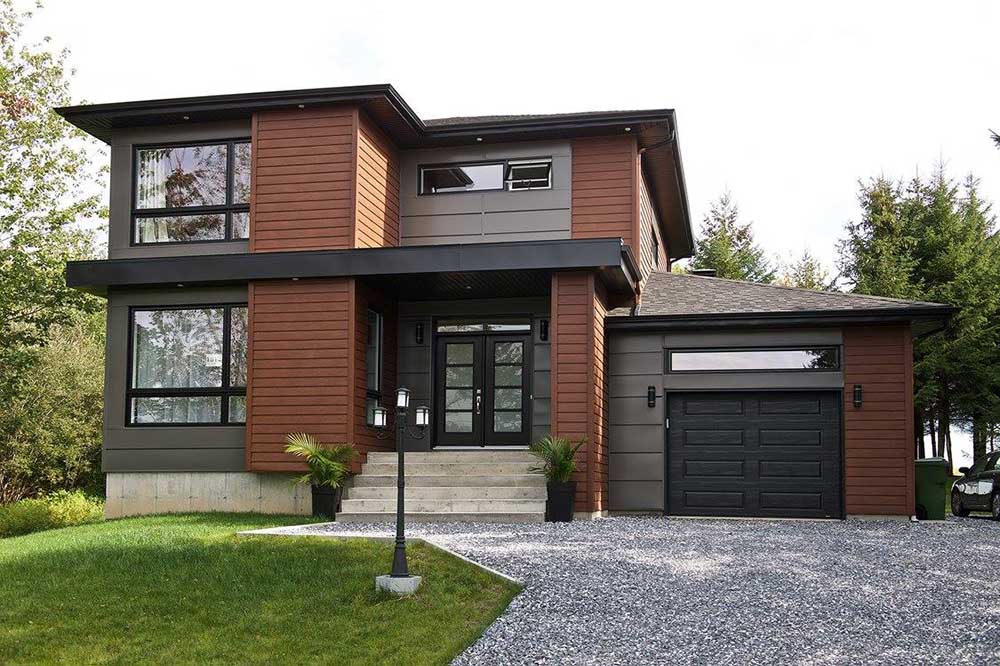
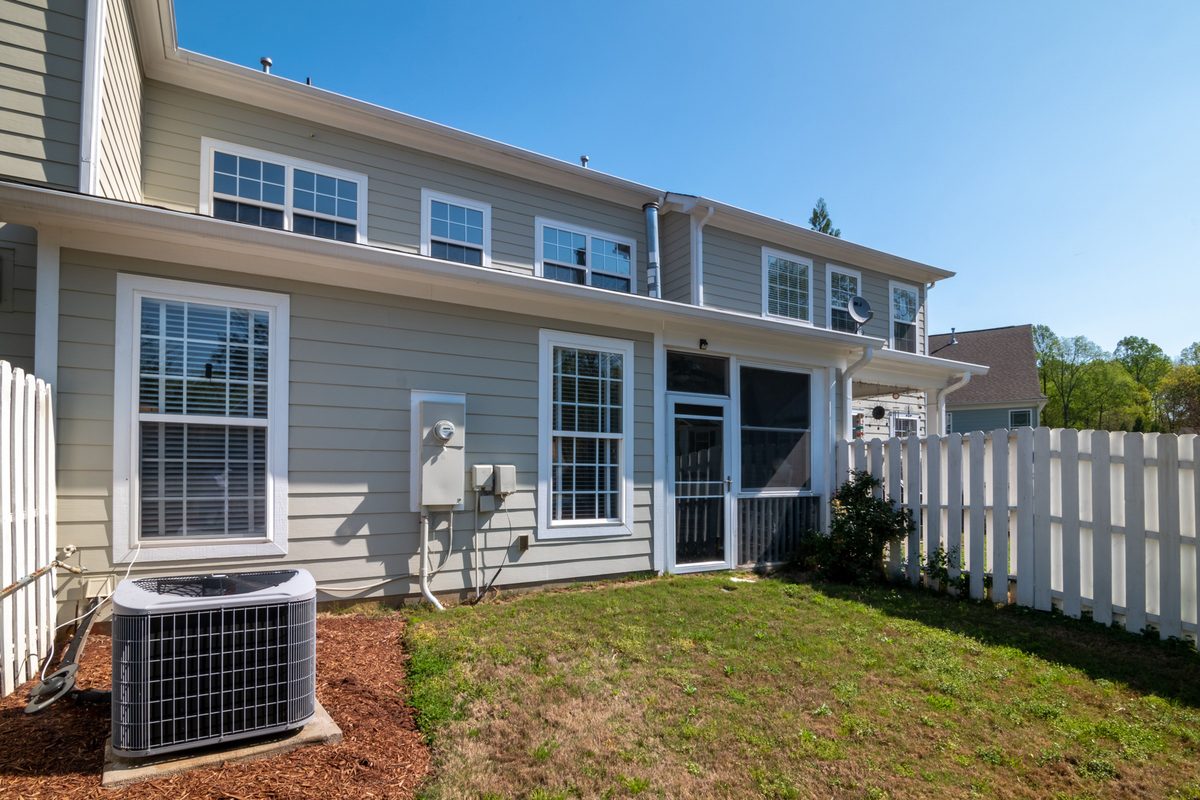
New siding does more than refresh curb appeal — old, damaged panels often signal deeper problems in your home's exterior envelope, leading to drafts, cold spots, and higher seasonal bills. Michigan homeowners facing harsh winters and humid summers recognize that worn siding allows air leakage, moisture intrusion, and heat loss that drive up energy costs year-round. The state's freeze-thaw cycles accelerate this damage, widening small gaps in aging panels each season.
Understanding how new siding contributes to home energy savings requires looking beyond the visible cladding to the full wall assembly beneath. Below, you'll find how siding affects insulation performance, thermal bridging, moisture control, and air sealing, and when replacement delivers measurable cost reduction for your household. Explore our vinyl siding options to see which style suits your home.
Siding serves as the outermost protective layer, but true energy efficiency depends on the complete wall assembly. The building envelope includes cladding, weather-resistive barrier, sheathing, wall insulation, air sealing, flashing, penetrations, windows, doors, and attic transitions working together to control heat, air movement, and moisture. A weakness in any single layer can undercut the performance of the rest of the system.
The exterior wall system functions as an integrated unit rather than independent components. New siding replacement offers contractors access to normally hidden areas where they can inspect and repair damaged sheathing, loose flashing, torn house wrap, and insulation gaps that undermine thermal performance.
In older Michigan homes across Southfield, Birmingham, and Rochester Hills, this hidden layer often includes outdated house wrap or thin insulation that a full siding project can correct at the same time. Homes built before the 1990s are the most likely candidates for this kind of hidden envelope damage.
ENERGY STAR reports that homeowners can save an average of 15% on heating and cooling costs through air sealing plus adding insulation in attics, floors over crawl spaces, and basement rim joists. These improvements also produce average savings of 11% on total energy costs when properly executed throughout the home. Michigan's long heating season makes these percentage savings translate into a meaningful dollar amount for most households.
Air leakage forces your HVAC system to work harder to maintain comfortable indoor temperatures. ENERGY STAR data shows 9 out of 10 U.S. homes are under-insulated, and most homes have significant air leaks, with modeled savings assuming a 25% reduction in total air infiltration when contractors seal leaks around the entire envelope.
Homes with visible drafts near baseboards or electrical outlets typically show the same air leakage pattern behind the siding, which is why contractors check these areas first during a new siding evaluation. Sealing these leaks during siding removal costs far less than addressing them as a separate project later.
Insulated vinyl siding consists of foam insulation permanently adhered to siding panels, creating a continuous thermal layer over the exterior wall. This addresses thermal bridging, where wall studs bypass cavity insulation and transfer heat directly through the framing—a problem affecting nearly 25% of a home's wall area according to industry data. Standard cavity insulation alone cannot correct this gap, which is why the continuous foam layer matters.
Insulated siding can lower heating and cooling costs by 5% to 15% annually by reducing heat transfer through wall studs. Standard siding offers weather protection but no insulation value, while insulated options add continuous foam that improves thermal performance and indoor comfort.
For homeowners deciding between standard and insulated siding, the added upfront cost typically pays back within the panel's expected 20- to 40-year lifespan through lower monthly heating and cooling costs. Homes with larger wall surface areas or older insulation tend to see the fastest payback period.
Damaged or poorly installed siding allows water to penetrate the wall assembly and reach insulation materials. Wet insulation loses R-value and creates conditions for mold growth, wood rot, and structural damage that further degrade energy efficiency.
Proper moisture barriers and flashing direct water away from vulnerable areas behind the cladding. When siding replacement includes inspection of these protective layers, contractors can correct deficiencies before moisture problems compromise both durability and thermal performance.
Homeowners who notice musty odors, peeling interior paint, or soft spots near windows should treat these as early signs that moisture has already reached the wall assembly. Addressing these signs before replacement keeps repair costs lower and protects the new siding's warranty.
Professional installation begins by removing old, damaged panels to expose the underlying wall assembly for inspection. Contractors examine water barriers, air sealing, flashing details, and insulation condition, then correct gaps, replace torn wrap, seal penetrations, and address insulation voids discovered during the process. This inspection window is the only practical opportunity to fix these issues without removing the siding again.
Poor installation negates the energy benefits of even premium siding materials by leaving air leaks and moisture pathways intact. Quality installation services ensure all envelope layers function together, preventing thermal bypass and protecting your investment in new siding.
Ask any siding contractor for photos of the exposed wall assembly during installation; documented inspection findings show whether hidden repairs were addressed rather than covered over. This documentation also supports any warranty claims that may come up later.
Michigan homeowners in Southfield, Birmingham, Novi, Bloomfield Township, Orchard Lake Village, and Rochester Hills face seasonal temperature extremes that stress exterior walls. Actual savings from new siding depend on your existing siding condition, current wall insulation level, air leakage throughout the home, window and door quality, attic ventilation, HVAC efficiency, and local weather patterns.
A comprehensive energy audit helps identify which envelope improvements will deliver the greatest return for your specific home. Combining siding replacement with targeted insulation upgrades, air sealing work, and roofing compatibility checks produces better results than addressing any single component alone.
Homeowners in Novi and Bloomfield Township who combine siding replacement with attic insulation upgrades typically see the largest reduction in winter heating costs, since both projects target the same air leakage paths. Scheduling both improvements together also reduces overall labor and material costs compared to two separate projects.
Isolated damage on otherwise sound siding may require only targeted repairs if the underlying wall assembly remains intact. Inspect your home for widespread cracking, warping, moisture stains, drafts near exterior walls, loose trim, and rising energy bills that signal systemic envelope problems.
Choosing the right approach requires professional assessment of both visible siding condition and hidden assembly components. Replacement becomes more cost-effective when multiple panels need attention or when envelope deficiencies justify accessing and correcting the full wall system.
A home with siding older than 20 years, combined with rising bills or visible wall staining, generally points toward replacement rather than a series of repeated repairs. Repeated patch repairs on aging siding often cost more over several years than a single full replacement.
See a full vinyl siding cost breakdown, or compare how vinyl and fiber-cement siding perform in the 2024 Cost vs. Value report for the East North Central region. On an average Michigan home, this cost difference typically runs several thousand dollars between builder-grade and premium materials before factoring in insulation upgrades:
| Siding Material | Average Job Cost | Resale Value Added | Cost Recouped |
|---|---|---|---|
| Vinyl siding | $17,410 | $13,957 | 80.2% |
| Fiber-cement siding | $20,619 | $18,230 | 88.4% |
Material and installation costs vary by siding grade:
| Siding Type | Installed Cost per Sq Ft |
|---|---|
| Builder-grade vinyl | $7 to $12 |
| Premium vinyl | $12 to $18+ |
| Insulated siding (added cost over standard vinyl) | $4 to $8 more |
Preparing your home for installation helps contractors work efficiently and ensures you understand project scope, timeline, and final investment before work begins.
New siding improves your home's energy efficiency by protecting the complete exterior envelope, reducing air leakage, controlling moisture, and addressing thermal bridging through wall assemblies. The greatest home energy savings occur when replacement includes professional inspection, air sealing corrections, insulation improvements, and quality installation that transforms your exterior into a high-performance system. Homeowners who treat siding replacement as a full envelope project, rather than a cosmetic update, see the strongest long-term return.
The impact of new siding extends beyond lower utility bills to include enhanced comfort, reduced drafts, better moisture protection, and improved durability for Michigan's demanding climate. Alexandria Home Solutions helps homeowners understand how siding replacement fits into a comprehensive approach to energy efficiency and exterior protection.
Alexandria Home Solutions has served Southfield, Birmingham, Novi, Bloomfield Township, Orchard Lake Village, and Rochester Hills homeowners with licensed and insured siding installation for years. Our specialists inspect your home's full exterior envelope, correct hidden moisture and insulation problems, and install siding built to perform through Michigan winters. Every project includes a transparent quote, a detailed materials walkthrough, and a warranty on both materials and workmanship. Call (248) 277-5700 or request your free quote today to start lowering your home's energy costs.
A. Most homeowners see energy savings between 5% and 15% annually when insulated siding replaces older, damaged panels, based on industry data from ENERGY STAR and regional siding studies. Actual savings depend on your current insulation levels, air leakage, and window condition. Combining siding replacement with air sealing and attic insulation typically produces the largest reduction in heating and cooling costs. A pre-project energy audit can help pinpoint which of these upgrades will offer the biggest savings for your specific home.
A. No. Standard siding still improves energy efficiency by sealing air leaks and correcting damaged wall assemblies discovered during installation. Insulated siding adds a continuous foam layer that further reduces heat transfer through wall studs. Homeowners who want the largest efficiency gain generally choose insulated options, while budget-focused homeowners still see meaningful savings from standard siding paired with proper installation. Either option corrects hidden envelope problems that older siding may have been masking for years.
A. Most single-family homes in Southfield, Birmingham, and surrounding communities complete siding replacement within a few days to two weeks, depending on home size and material choice. Weather, panel availability, and the scope of hidden repairs found during removal can extend the timeline. A professional in-home consultation gives homeowners a project-specific estimate before work begins. Homes with more extensive hidden repairs, such as damaged sheathing, generally take longer than a straightforward panel swap.
A. Vinyl siding costs less upfront and, when insulated, adds a continuous foam layer that reduces thermal bridging. Fiber-cement siding costs more but offers stronger durability, fire resistance, and a strong return on investment, recouping 88.4% of project cost in the East North Central region according to the 2024 Cost vs. Value report. Both materials improve energy performance most when paired with proper air sealing and moisture control during installation. Homeowners choosing between the two should weigh upfront cost against long-term maintenance and durability needs.
A. Signs include rising heating and cooling costs, drafts near exterior walls, visible cracking or warping, moisture stains, and cold spots in rooms with exterior-facing walls. A home energy audit or a professional siding inspection can confirm whether the wall assembly behind your siding is contributing to the problem. Michigan homeowners facing several of these signs together typically benefit more from full replacement than isolated repairs. A free in-home consultation can confirm whether the issue is isolated or affects the broader wall assembly.