Window energy savings Michigan homeowners can expect start with one national benchmark. ENERGY STAR says certified windows lower household energy bills by an average of 12 percent, and nearly half of home energy goes to heating and cooling. Michigan prices turn that percentage into dollars: residential electricity cost 19.30 cents per kilowatt-hour in 2024, and residential natural gas cost $10.92 per thousand cubic feet in 2025. Heating fuel, old-window condition, window area, and installation quality then move the result up or down. Many owners also weigh these savings against Michigan window replacement pricing before they decide.
Read on for the ENERGY STAR benchmark, Michigan energy prices, the factors that change your savings, the ratings that matter, installation methods, payback math, insulation tips, available help, and a checklist for comparing quotes.
ENERGY STAR says upgrading to certified windows lowers household energy bills by an average of 12 percent. The agency also reports that nearly half of home energy goes to heating and cooling, so windows touch the largest share of a typical bill.
The 12 percent figure averages many homes, climates, fuels, and project scopes. It is not a Michigan guarantee. Individual results depend on old-window condition, heating fuel, equipment efficiency, and whole-home air leakage.
Most Michigan homeowners follow ENERGY STAR's Northern-climate guidance. The ENERGY STAR Climate Zone Finder confirms your zone by ZIP code.
Michigan prices help translate the national benchmark into local dollars.
| Michigan energy measure | Figure |
|---|---|
| Residential electricity price (2024) | 19.30 cents per kWh |
| Average annual electricity use per customer | About 7,419 kWh |
| Average annual electricity spending per customer | About $1,432 (about $119 per month) |
| Residential natural gas price (2025) | $10.92 per thousand cubic feet |
| Natural gas price per therm | About $1.092, before fixed charges |
The therm figure uses the standard conversion of 10 therms per thousand cubic feet. Many Michigan homes heat with natural gas, so gas commodity and distribution costs drive how much new windows save on heating bills. A gas-heated home shows most winter savings on the gas bill. A heat pump or electric-resistance home shows them on the electric bill.
The cost comparison goes beyond the sticker price. Upfront cost matters, and so does the energy each window type wastes every month. Four factors set the size of the gap.
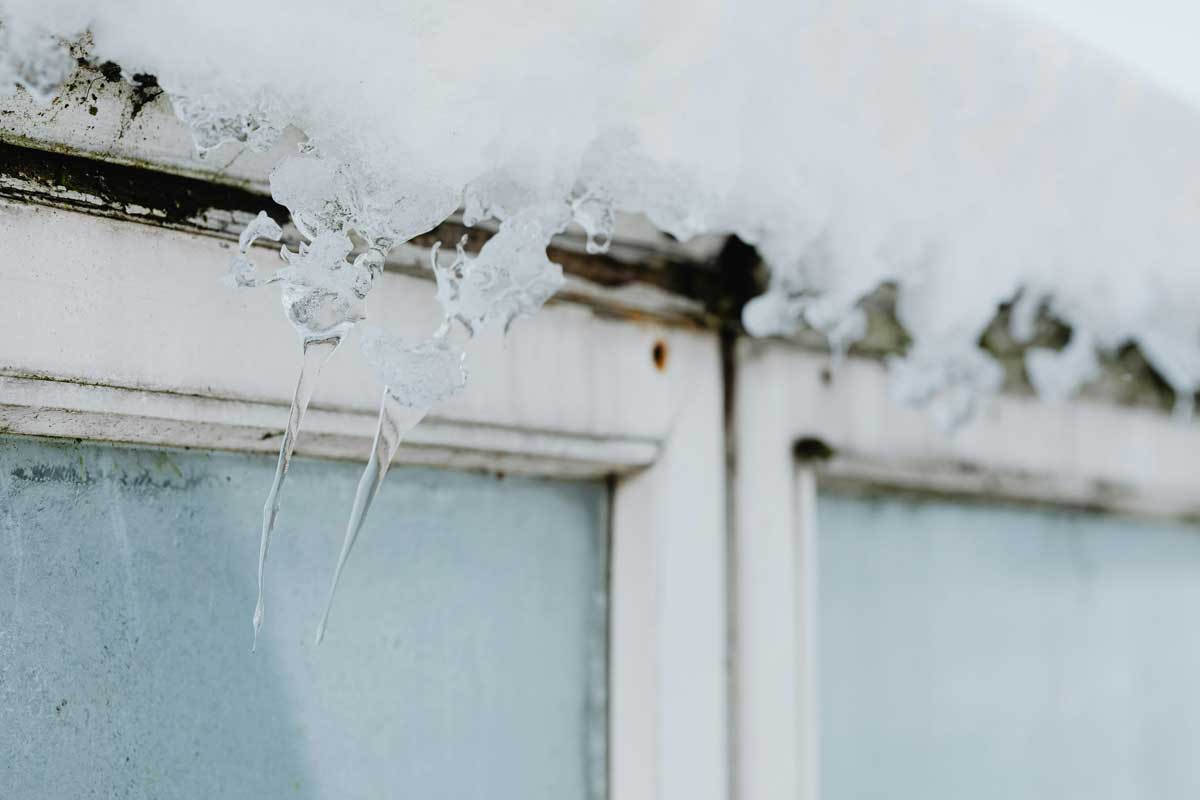
Single-pane windows, seal failure, degraded sashes, visible gaps, and deteriorated frames leave more room for improvement than sound newer units. Foggy glass between panes signals seal failure. Drafts at the sash signal air leaks. Replacing deteriorated single-pane windows with heavy air leakage produces a different result than replacing serviceable double-pane windows. Knowing the common signs your windows need replacement helps set realistic expectations, and so does understanding which windows suit Michigan winters.
Equipment efficiency changes the dollar value of each unit of heating load a window upgrade removes. A high-efficiency furnace or heat pump values that reduction differently than an older system does. Product price alone cannot settle the comparison.
Air leakage measures the air entering through the product, and lower is better. NFRC lists 0.3 or below on its consumer label explanation. Homes with large glass areas face more exposure than homes with limited window area.
Window orientation affects both heat loss and solar gain. South-facing glass collects winter sun, and west-facing glass adds summer heat. Deciduous trees on the south and west sides shade summer sun and drop their leaves in winter.
A bill-based estimate gives a more honest answer than a generic percentage. Follow three steps:
| Annual energy spending | 5% | 8% | 12% | 12% per month |
|---|---|---|---|---|
| $1,800 | $90 | $144 | $216 | $18 |
| $2,400 | $120 | $192 | $288 | $24 |
| $3,000 | $150 | $240 | $360 | $30 |
Lower percentages give conservative planning scenarios. Windows mainly affect heating and cooling loads, not appliances or lighting. Fixed fees stay even when usage falls, so the monthly bill reduction runs smaller than the percentage applied to total spending. An energy savings calculator gives a quick first estimate before you request quotes.
Compare pre- and post-installation usage across similar weather. Heating-degree-day data or utility weather-normalization tools give the cleanest comparison. A mild or harsh winter can hide or exaggerate the real savings from window replacement alone.
Check the whole-window NFRC label, not marketing claims about glass packages.
| Rating | What it measures | What to look for |
|---|---|---|
| U-factor | How well the window keeps heat from escaping | Lower is better. ENERGY STAR Northern guidance recommends 0.22 or lower. |
| Solar Heat Gain Coefficient (SHGC) | How much solar heat the window lets in | Lower values resist more solar heat. Choose by orientation and cooling needs instead of assuming lower always wins. |
| Air leakage | Air entering through the product | Lower is better. NFRC lists 0.3 or below. |
| Visible transmittance | How much daylight the window admits | Balance daylight against energy performance. |
| Condensation resistance | Resistance to condensation | Higher is better for comfort and durability. |
The NFRC Certified Product Directory lets you verify ratings for residential windows by manufacturer and product. ENERGY STAR Most Efficient recognizes products that exceed baseline ENERGY STAR criteria. Custom windows still need whole-window NFRC ratings in the contract. Check ENERGY STAR and NFRC labels before the crew removes old windows, and keep the labels for records and warranty claims. Energy-efficient windows explained through U-factor and SHGC gives the numbers more context. Glass coatings matter too, and the difference between low-E and standard glass shows up in both winter and summer performance.
The installation process affects results as much as the product. Two methods cover most projects.
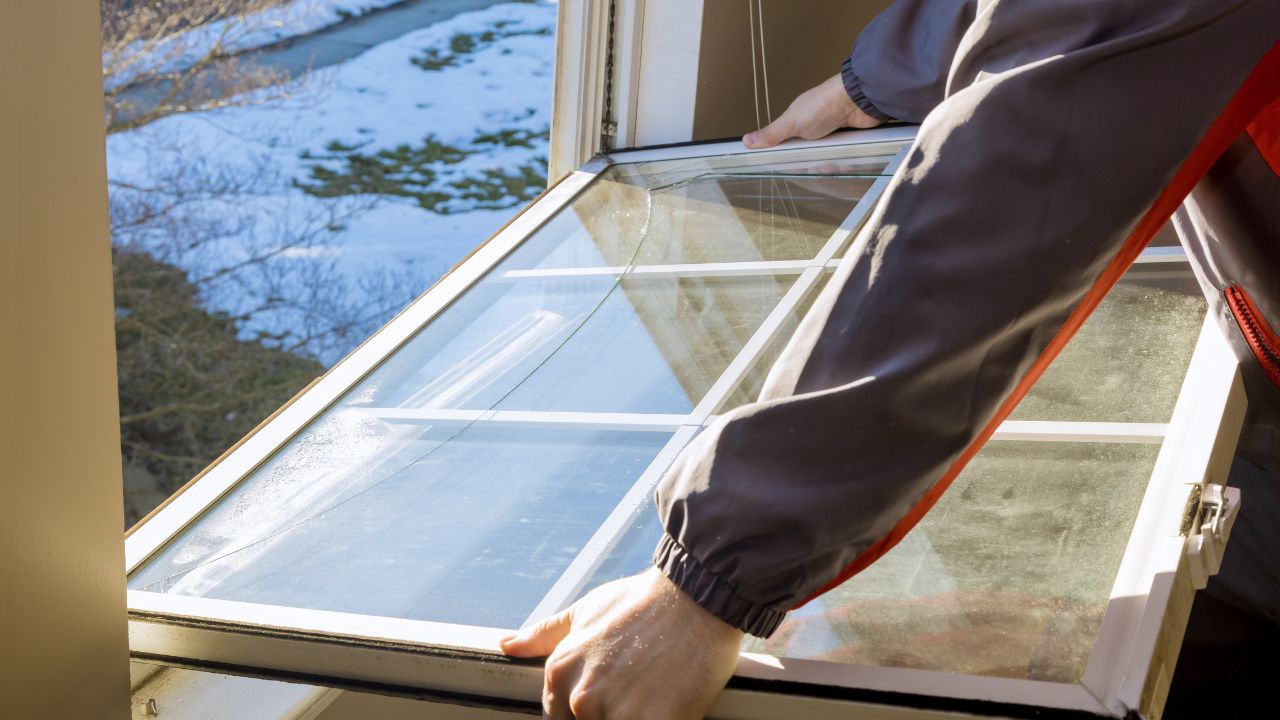
Insert replacement replaces the operating window inside an existing frame. It keeps a sound frame and causes less disruption than full-frame work. It preserves trim when the frame is structurally sound, square, dry, and properly flashed. It may slightly reduce visible glass area, and it does not fix concealed rot, failed water management, or an out-of-square opening.
Full-frame replacement removes the existing frame down to the rough opening. The installation team can inspect and repair framing, add perimeter insulation and air sealing, update flashing and water-management details, and change window size or style. It generally takes more labor, trim, finish work, and site protection than insert work.
Product ratings describe a tested unit. Field performance also depends on measurement, opening condition, perimeter insulation, air sealing, water management, squareness, operation, and finish details. The EPA's RRP rule applies to paid work that disturbs painted surfaces in pre-1978 housing. Window replacement falls under it regardless of disturbed square footage unless a valid exemption applies. Professional windows installation in West Bloomfield and nearby communities depends on proper measurement, flashing, air sealing, and finish work. Knowing what happens during a window replacement project also makes it easier to judge a contractor's plan.
Window replacement ROI Michigan homeowners calculate should balance energy savings with comfort, condensation control, easier operation, quieter rooms, and resale value.
Simple payback divides the quoted project cost by annual savings. For illustration only, a $10,000 project with $288 in yearly savings takes about 35 years to repay through energy savings alone. That is why energy savings should not carry the whole decision. Added comfort, fewer drafts, less condensation, and lower maintenance count too. Transferable product warranties can also support resale value when you sell.
Glass upgrades add cost, so the extra savings should justify the price. Comparing triple-pane and double-pane windows in Michigan helps you decide where the added expense pays off.
Investors weigh a different mix. Window upgrades for Michigan rental properties offer tenant appeal, lower maintenance, and operating-cost control alongside capital recovery.
Windows perform as one part of a whole-home plan. Attic bypasses, rim joists, doors, ducts, and wall penetrations can remain major sources of heat loss after window replacement. Whole-home air sealing, insulation, HVAC efficiency, and daily habits can overwhelm or mask the window-only change in billing data.
Michigan home insulation tips often start with attic and basement work. Use this list to find the biggest gaps:
A home energy assessment finds these gaps. A whole home energy audit often includes a blower door test, which depressurizes the house to measure air leaks. An energy specialist then ranks the fixes by payback. Insulation contractors can match insulation materials to each space, and a winter energy audit checklist helps you spot trouble before December.
Order matters for energy efficiency upgrades. Reduce the load first with window upgrades, air sealing, and insulation. Then size heating equipment, and consider heat pumps, heat pump water heaters, ENERGY STAR rated appliances, or solar panels. Lower energy consumption also cuts greenhouse gas emissions, which supports energy conservation goals and eases climate change concerns.
The federal Energy Efficient Home Improvement Credit, often called the Windows & Skylights Tax Credit, ended for property placed in service after December 31, 2025. Windows installed in 2026 do not qualify for federal tax credits. Homeowners who placed qualifying windows in service by December 31, 2025 can claim the credit on their 2025 return using Form 5695.
| Credit detail (tax year 2025) | Rule |
|---|---|
| Credit rate | 30% of qualifying costs |
| Windows and skylights | $600 yearly limit |
| Heat pumps, heat pump water heaters, biomass stoves | Separate $2,000 yearly limit |
| Product standard | ENERGY STAR Most Efficient for windows |
| Home requirement | A U.S. home you own and live in; ask a tax professional about second homes and rentals |
The ENERGY STAR Rebate Finder lists utility and state rebates by ZIP code, and ENERGY STAR Home Upgrade guidance explains how to sequence projects. Michigan Saves offers financing through participating contractors. A Michigan Saves contractor can confirm the loan amount, rate, and eligible products, and can help with any Rebate Form paperwork. Current Michigan energy rebates for windows and doors change often, so confirm details before you sign. Details on Michigan Saves financing explain how the loan process works.
Income-eligible households have more options. The Low Income Home Energy Assistance Program (LIHEAP) is a federal program backed by the U.S. Department of Health and Human Services. The Michigan Department of Health & Human Services and local Community Action Agencies handle applications in Michigan. The Weatherization Assistance Program, supported by the Federal Department of Energy and LIHEAP funds, provides free energy conservation services to eligible households. It can also address related home repairs. Households facing an energy crisis, such as a shutoff notice, can ask about State Emergency Relief. The National Energy Assistance Referral service connects callers with local help.
Use official .gov sites and never pay a fee to apply for government energy assistance. Report suspected grant fraud and scams to the agency's Fraud Hotline.
Normalize every quote before you compare prices. Put these items in writing:
Choosing replacement windows with confidence starts with a written specification list, and a clear scope and inspection criteria help avoid common window replacement mistakes.
Ask the contractor whether the savings estimate comes from software, an energy audit, the actual window schedule, or local utility rates. Avoid same-day signing specials that pressure you to decide without review time. No honest contractor guarantees a savings percentage or dollar amount, because too many variables affect the outcome. Confirm that the company is licensed and insured, and ask who will install your windows.
New windows deliver measurable energy savings when selected, installed, and maintained correctly. ENERGY STAR's 12 percent average gives a credible benchmark, but you should calculate your own range from 12 months of actual electricity and heating-fuel spending. The exact outcome depends on old-window condition, heating fuel, total window area, whole-window NFRC ratings, installation quality, and any air sealing or insulation work you pair with the windows.
Alexandria Home Solutions in Southfield, Michigan, brings years of experience to homes in Southfield, Birmingham, Novi, Rochester Hills, and surrounding communities. Our licensed and insured team offers opening-by-opening assessments, written quotes with exact product ratings, and clear installation scope. We install insert replacements for sound frames and full-frame work where hidden deterioration needs repair. Warranties cover both materials and labor, and financing options help you plan the investment.
Your free in-home estimate comes from a low-pressure sales representative who listens first, answers your questions, and leaves you with a detailed quote. Call 248-277-5700 or request your free quote online. You can also explore our window installation services or our Southfield window installation page.
Do new windows pay for themselves through energy savings? Energy savings alone rarely repay the full project cost quickly. At ENERGY STAR's 12 percent average, a household spending $2,400 a year saves about $288 annually. Divide your quoted cost by that figure to see the payback period. Comfort, fewer drafts, less condensation, quieter rooms, and resale value add to the return. A bill-based estimate from 12 months of your own usage gives the most realistic range.
How much do new windows save on heating bills in a gas-heated Michigan home? Michigan's 2025 residential natural gas price works out to about $1.092 per therm before fixed charges. A gas-heated home shows most of its window savings on the gas bill. The percentage applies only to usage-sensitive charges, because fixed monthly fees stay the same. Using a 5 to 12 percent planning range, a household spending $1,800 a year would save $90 to $216 annually. Old-window condition and whole-home air leakage move the result within that range.
Are federal tax credits still available for new windows? No. The federal Energy Efficient Home Improvement Credit ended for property placed in service after December 31, 2025, so 2026 window projects do not qualify. Homeowners who finished qualifying projects by December 31, 2025 can still claim the credit on their 2025 return with Form 5695. Utility rebates, the ENERGY STAR Rebate Finder, and Michigan Saves financing may still lower your cost. Check with a tax professional before you file.
Should I insulate and air seal before I replace my windows? A home energy assessment answers that question for your house. A blower door test shows where the largest air leaks sit, and attic bypasses and rim joists are common culprits. Windows with seal failure, rot, or heavy drafts deserve replacement regardless. Many homes benefit from combining both: seal and insulate first or alongside the window project so each upgrade supports the other.
Which ratings should I check on an NFRC window label? Start with U-factor, where ENERGY STAR Northern guidance recommends 0.22 or lower. Then check the Solar Heat Gain Coefficient against each window's orientation and your cooling needs. Look for air leakage at 0.3 or below, and review visible transmittance and condensation resistance. Verify the numbers in the NFRC Certified Product Directory and keep the labels for warranty claims.