Key Takeaways:
Window replacement transforms home comfort and energy performance through a structured process. Michigan homeowners face specific climate challenges that make understanding the window replacement steps Michigan contractors follow essential for successful outcomes.
The home window upgrade process requires coordination between measurement, manufacturing, site preparation, and installation phases. Projects typically span several weeks from initial consultation to final inspection, with actual installation moving quickly once materials arrive and conditions align.
Replacement windows come in five primary styles that serve different functional and aesthetic purposes. Single-hung, sliding, picture, bay, and specialty configurations each offer distinct operating methods and cost structures that align with specific room requirements and budget parameters.
Material choice affects both upfront investment and long-term maintenance demands. Vinyl frames provide affordability and low maintenance, wood offers traditional aesthetics with higher upkeep needs, fiberglass delivers durability in extreme climates, composite blends performance characteristics, and aluminum supplies strength with thermal considerations.
Single-hung windows feature a lower sash that moves vertically while the upper sash remains fixed. This conventional design costs approximately $397 installed and dominates the mainstream replacement market with 49.0% share in 2023.
Sliding windows move one or more sashes horizontally along a track system. They suit wide openings and spaces facing walkways better than single-hung configurations, though track maintenance becomes necessary over time and air leakage can exceed hinged window types.
Picture windows remain fixed and non-operable, maximizing light transmission and view access without ventilation capability. They deliver excellent air tightness when properly installed and cost around $419 on average, making them efficient choices for living rooms prioritizing daylight over airflow.
Bay and bow windows create projecting multi-panel assemblies with central fixed units and side panels. These premium installations average $791-886 and add interior niche space along with panoramic views, though they require more complex structural support and flashing details than standard flat replacements.
Vinyl frames use extruded PVC construction that resists moisture and requires minimal maintenance. Wood frames provide superior insulation potential and warm aesthetics but demand regular upkeep and remain vulnerable to rot in damp conditions.
Fiberglass construction offers reinforced composite stability that withstands Michigan's temperature extremes without warping. Composite frames engineer multi-material blends for balanced performance, while aluminum delivers slim profiles with strength but conducts heat unless thermally improved.
Energy efficiency dominates purchase decisions because 84% of homeowners prioritize thermal performance when selecting replacement windows. Michigan's climate intensifies heating costs during extended winter months, making efficient glazing and frames essential for comfort and utility savings.
2025 Michigan energy rebate programs provide financial incentives that reduce net investment costs for qualifying energy-efficient installations. These programs help homeowners justify premium glazing options by offsetting upfront expenses through rebates and tax credits.
ENERGY STAR-rated windows received essential or desirable ratings from 83% of homebuyers in recent surveys. Triple-pane glass earned essential or desirable ratings from 77% of respondents, while Low-E insulating glass achieved 67% essential or desirable status.
These preferences reflect growing awareness that efficient windows reduce drafts and lower heating bills. Cold-climate specifications become particularly valuable in Michigan where temperature extremes test window performance throughout the year.
Michigan's freeze-thaw cycles and temperature swings demand windows that maintain seals and resist thermal stress. Northern installations benefit from triple-pane configurations, while southern Michigan homes often balance double-pane efficiency with cost considerations.
Moisture management becomes critical because condensation signals inadequate thermal breaks or air sealing. Proper climate-specific selection prevents interior frost buildup and exterior deterioration that shortens window lifespan.
Energy efficiency triggered 36% of replacement decisions according to industry surveys. However, price remains the main deciding factor for most homeowners despite stated efficiency priorities.
The Michigan window replacement guide approach balances lifecycle savings against upfront investment by calculating payback periods. Homeowners weigh monthly utility reductions against incremental costs for premium glazing and frame materials to determine value thresholds.
Michigan's 73.2% homeownership rate creates a substantial addressable market for replacement windows. The state's median household income of $72,875 supports moderate discretionary spending, though 38% of households struggle with basic necessities, making financing and phased approaches relevant.
Older housing stock drives replacement demand because 47% of Michigan units were built before 1970. These aging structures often contain original windows that underperform modern efficiency standards and show visible deterioration.
Urban Michigan holds 74.6% of the population and contains the largest volume opportunity for replacement contractors. Rural Michigan demonstrates 86.0% homeownership compared to urban's 66.4%, creating strong per-capita demand despite lower total population.
One-unit detached housing represents 67.6% of urban stock versus 84.3% in rural areas. This structural difference makes rural markets naturally replacement-friendly, though projects typically involve more budget-conscious product selections.
Millennials spent an average of $14,199 on home projects in 2025, exceeding Gen X's $12,956 and Boomers' $12,454. Nearly half of Millennial homeowners plan to increase home-improvement spending over the next year.
Millennials represented 38% of homebuyers in 2024 and are aging into major maintenance cycles. Common signs your Southfield home needs replacement windows include drafts, moisture between panes, difficult operation, and visible frame damage that trigger urgent replacement decisions among younger homeowners entering the market through repair needs.
Michigan's median household income supports mid-market window selections that balance quality and affordability. Higher-income suburban areas demonstrate stronger demand for premium styles like bay windows, while cost-sensitive households prioritize basic replacements across all openings.
Financing options extend purchase power for households that recognize efficiency value but face cash-flow constraints. Flexible payment structures help bridge the gap between desired specifications and immediate budget availability.
Average replacement window costs reach $477 per unit with typical ranges from $395 to $631 installed. Single-hung windows anchor the budget end around $397, while bay and bow configurations command $791-886 per installation.
Sliding windows average $507 installed, positioning them between basic and premium options. Picture windows cost approximately $419 and deliver efficient light capture without ventilation functionality.
Single-hung windows maintain the lowest installed cost at $397 because they use simple mechanical configurations. Picture windows follow at $419 despite often using larger glass areas because fixed construction eliminates operating hardware.
Sliding windows reach $507 due to wider sash assemblies and track systems. Bay and bow windows span $791-886 because they function as architectural assemblies requiring structural support, complex flashing, and multi-panel coordination.
Standard replacement-window projects recoup 70-76% of their cost at resale according to national benchmarks. This recovery rate applies most reliably to mainstream upgrades that appeal broadly rather than highly customized installations.
Picture windows track standard replacement economics because they remain functional upgrades with universal appeal. Bay windows create stronger emotional impact but involve more project-specific value calculations that depend on neighborhood norms and home style compatibility.
Standard bedrooms suit single-hung windows because conventional vertical operation matches traditional aesthetics and lower budgets. Living areas with wide horizontal openings benefit from sliding windows that provide broad sightlines and space-saving operation.
Spaces facing walkways or patios favor sliding configurations because horizontal motion avoids outward projection conflicts. Cost-sensitive full-house replacements typically default to single-hung windows for standardization and budget control.
The window installation timeline begins with measurement and extends through ordering, manufacturing, site preparation, installation, and final inspection. Total project duration typically spans several weeks though actual installation moves quickly once materials arrive and conditions align.
Installing double-hung windows or other styles requires coordination between homeowner preparation and contractor scheduling. Weather, material availability, and discovered conditions can extend timelines beyond initial estimates.
Measurement occurs during the initial planning stage when contractors verify opening dimensions and assess existing conditions. Accurate measurements prevent manufacturing errors that delay installation and increase costs through rework.
Manufacturing and delivery typically take several weeks after order placement. Custom configurations or specialty materials extend lead times beyond standard stock items.
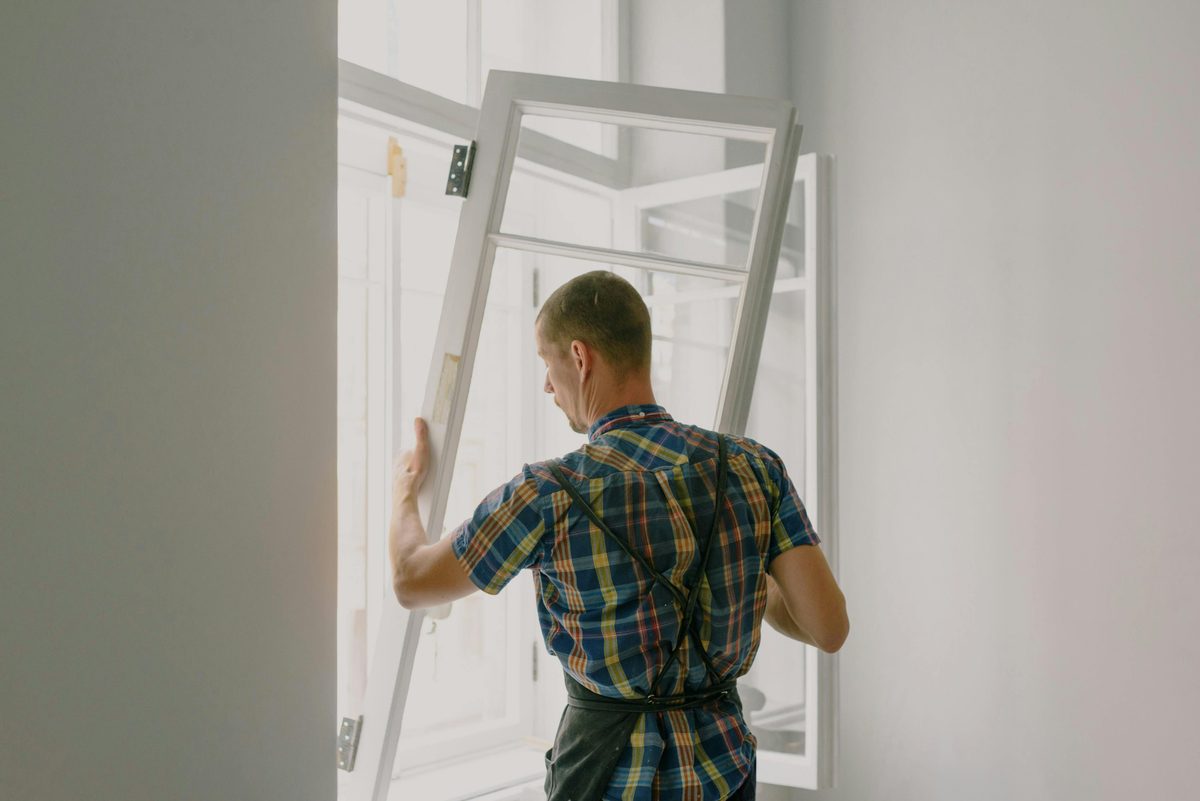
Insert installation takes approximately one hour per small-to-average window with a two-person crew. Professional teams can complete roughly eight insert windows per day under favorable conditions.
Full-frame replacement takes several hours per opening because contractors remove existing frames completely. Window replacement prep activities that homeowners complete beforehand reduce labor time and project costs.
Site preparation includes clearing furniture from interior window areas and ensuring exterior access for material staging. Contractors need unobstructed paths to carry windows and dispose of old units safely.
Homeowners should protect flooring near installation zones and relocate fragile items from work areas. Windows installation Southfield professionals appreciate clear communication about access restrictions or special household considerations before starting work.
Damage triggered 29% of replacement decisions in consumer surveys while moisture issues drove 12% of projects. Maintenance burden accounted for 6% of decisions and aesthetics motivated 5%.
These triggers reveal that necessity precedes preference in most replacement decisions. Homeowners typically act when performance failures become obvious rather than pursuing purely cosmetic upgrades.
Upfront cost and financing fit deserve approximately 30% decision weight because price often determines the main deciding factor. Energy efficiency and comfort merit equal 30% weight since 84% prioritize thermal performance.
Durability concerns warrant 20% weight given that damage drives many replacement decisions. Maintenance burden deserves 10% consideration while aesthetic impact rounds out the final 10%.
Bedrooms typically receive single-hung windows because vertical operation and conventional appearance satisfy functional needs affordably. Living rooms benefit from picture windows that maximize daylight and views without ventilation requirements.
Kitchen and bathroom placements often involve casement or sliding configurations where moisture management and accessibility matter. Neighborhood window replacement trends show that front-facing rooms receive more aesthetic attention than rear elevations.
Bay windows justify their premium when homeowners prioritize architectural impact and interior space gain. Front-room applications in higher-income neighborhoods demonstrate the strongest value alignment.
Budget-conscious projects should reserve bay windows for selective focal points rather than whole-home applications. Their installation complexity and higher cost make them inappropriate for volume replacement programs focused on efficiency alone.
Weather affects scheduling because rain, extreme temperatures, and wind prevent proper installation and curing. Michigan's unpredictable conditions require flexible timelines and backup dates.
Structural repairs discovered during removal can extend project scope unexpectedly. Hidden rot or damaged framing requires remediation before new windows install properly.
Rain prevents proper sealant application and risks water intrusion during open-frame periods. Extreme cold makes materials brittle and adhesives slow to cure properly.
High winds complicate handling and positioning of large window units safely. Contractors monitor forecasts closely and reschedule when conditions threaten quality outcomes.
Wood windows remain vulnerable to moisture and can warp or rot over extended exposure. Bay windows require project-specific structural considerations because their projecting design creates cantilever loads.
Discovered rot delays projects because contractors must expose, treat, and rebuild affected framing before proceeding. Homeowners should budget contingency funds for potential structural surprises in older homes.
Final inspection checks operation, seals, and finish quality before project closeout. Contractors verify that sashes move smoothly, locks engage properly, and weatherstripping contacts correctly.
Homeowners should test each window and review exterior caulking carefully during inspection. Window maintenance schedule practices begin immediately after installation to protect the investment.
Window replacement delivers measurable comfort and efficiency improvements when homeowners understand the complete process from planning through installation. Michigan's climate and housing characteristics create specific considerations that influence material selection, scheduling, and long-term performance expectations.
Successful projects balance cost discipline with quality specifications that address energy efficiency, durability, and aesthetic goals. Homeowners who prepare sites properly, maintain realistic timelines, and work with experienced contractors achieve better outcomes with fewer surprises.
Alexandria Home Solutions brings years of industry experience and licensed, insured professionals to every window replacement project. Their comprehensive warranties on materials and workmanship provide peace of mind while free in-home consultations help homeowners understand options without pressure.
Ready to improve your home's comfort and energy efficiency? Contact Alexandria Home Solutions to schedule your free consultation and discover how professional window replacement transforms your living space.