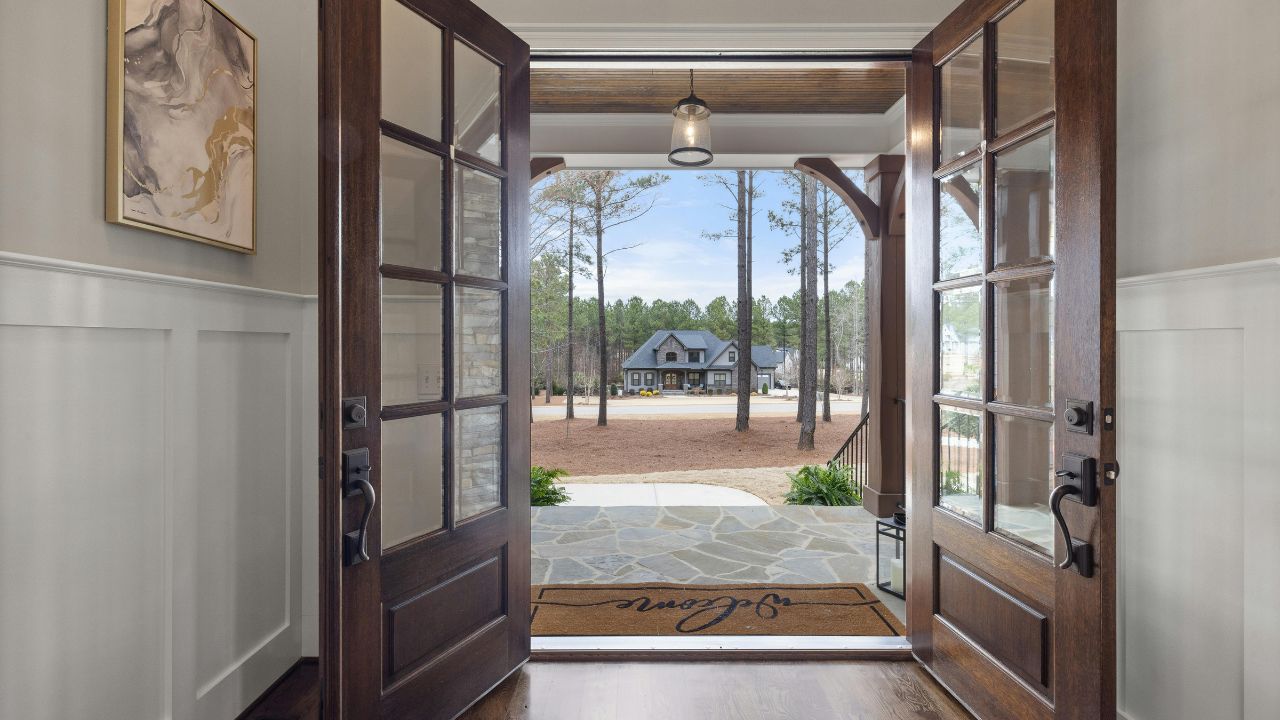
An entry door works as a security barrier, a thermal envelope, a water barrier, and a facade at the same time. In Oakland, Wayne, and Macomb counties, it faces cold winters, freeze-thaw cycles, and wind-driven rain. Each component has to work with the others, or one weak part undoes the rest. A guide to choosing the right entry door for your Michigan home starts with that whole-assembly view.
Here's what we break down: how to read your opening and exposure, how to compare ratings and hardware, and how to coordinate material, glass, color, and proportion with your home.
A strong slab in a weak frame is vulnerable, and good insulation values do not help if the threshold leaks. This Michigan entry door materials guide therefore evaluates the whole entryway system: slab, frame, threshold, weather sealing, glazing, hardware, and finish. Each part serves four jobs:
Check each component that affects forced-entry resistance:
| Component | What to check |
|---|---|
| Leaf and core | Insulated cores with a solid lock block behind the hardware |
| Frame | Reinforced jambs; a rot-resistant frame or composite frame for wet exposure |
| Hinges | Secure hinge side, with fasteners that reach the framing |
| Lock hardware | Certified deadbolt, multi-point latch if desired, and a strike anchored to the framing |
| Glazing | Placement away from accessible hardware; security-rated or impact-resistant glass where needed |
| Alignment | Even gaps and a door that closes without forcing |
ANSI/BHMA grades hardware as Grade 1, 2, or 3, and Grade 1 is the highest. Verify that the exact model is BHMA Certified in the directory. Terms such as "heavy duty" or "commercial grade" do not replace testing for cycle life, forced-entry resistance, and finish durability. Electronic keypads, a smart lock, and smart home monitoring add convenience, but they still need a solid frame and strike behind them.
Glass affects security. Privacy glass is not impact-resistant glass, and glass near accessible hardware needs security-rated material or added protection. A home security upgrade guide for impact-resistant windows and reinforced doors covers more options, and the security features to look for in a new entry door make a useful shopping list.
Security and insulation do not compete when you evaluate the whole product. U-factor measures heat flow, and lower is better. Solar heat gain coefficient (SHGC) matters more as glass area grows. Use whole-product data instead of core R-values alone, because insulation, glazing, frame, weatherstripping, threshold, and corner seals all affect heat transfer.
Insulated cores, such as a polyurethane foam core in fiberglass construction or steel, reduce heat loss through the slab. Tight seals and Low-E glass then limit what escapes at the edges and through the glazing. Together, these features of an energy-efficient door lower energy costs and improve overall energy efficiency. You can also improve an existing unit with simple steps for sealing an exterior door or tips for insulating an exterior door.
The front door is a focal point. It can coordinate with the architecture or clash with it. NAR's 2022 report gave steel and fiberglass front-door projects a 9.5 Joy Score. Surveyed consumers reported a 91% greater desire to be home, a 67% greater enjoyment of being home, and a 67% major sense of accomplishment. These figures give context, not guaranteed resale returns, but emotional and daily-experience value belongs in the decision. A front door color that boosts curb appeal is one of the simplest ways to capture that value, and a new front door's return on investment shows the financial side.
DOE Building America classifies Oakland, Wayne, and Macomb counties as IECC Climate Zone 5A (cold and moist). Alexandria Home Solutions serves these counties. Air sealing, water control, durable finishes, and correct installation are critical there.
| Challenge | What it does to a door | What to look for |
|---|---|---|
| Cold | Increases heat loss through leaks | Tight seals and insulated cores |
| Freeze-thaw | Stresses seals and thresholds | Weatherstripping that recovers after compression |
| Moisture | Drives rot and hidden damage | Sloped thresholds, back-dammed sills, overlapping flashing, compression seals |
| Wind-driven rain | Pushes water past weak seals | Weather-resistant construction and sill pans |
Common failure points include out-of-square openings, unsupported thresholds, uneven weatherstripping, uninsulated frame gaps, and poor flashing. Drafts raise heating costs, and hidden water damage can grow for years. Materials must tolerate expansion and contraction across Michigan seasons. Weatherproofing tips for an exterior door and professional door weather-stripping before winter cover the maintenance side.
ENERGY STAR, NFRC, and ANSI/BHMA ratings come from independent, consistent tests. Marketing claims and generic material language do not replace certified data for your exact door, glazing, size, and hardware.
| Label | What it covers | How to use it |
|---|---|---|
| ENERGY STAR | Whole-product efficiency criteria that vary by glazing level | Compare opaque, partly glazed, and mostly glazed doors separately |
| NFRC label | U-factor, SHGC, visible transmittance, and air leakage when available | Match the data to your exact size and glass package |
| ANSI/BHMA | Hardware grade and certification | Confirm the exact model in the certified directory |
Glass-to-frame ratio affects whole-product performance, so a door certified at one glass level may not qualify at another. U-factor and SHGC change with it. Catalog ratings cannot transfer to a different size, glass area, grille, or frame. Ask who makes the insulating glass unit (IGU) and which Low-E glass coatings it uses.
NFRC ratings do not account for installation, and poor installation can undermine a well-rated product. Ask how the installer supports the threshold, shims the frame, insulates the rough opening, air seals, and flashes the door. Put those installation details in writing.
No single material wins every category. Core, skin, frame, glazing, hardware, and finish must suit your exposure, security needs, and style.
| Material | Strengths | Watch-outs |
|---|---|---|
| Fiberglass doors | Resist denting, take stain or paint, and can mimic wood grain through high-definition panel embossments | Core quality varies, so verify the insulated core |
| Steel front door | Strong cores, takes paint, resists impact | Damage can expose a rust-prone substrate |
| Wood front doors | Authentic grain and customization | Needs refinishing and responds to humidity; ask to see wood samples |
| Aluminum-clad wood | Wood interior with a weather-facing metal shell that lowers exterior upkeep | Check the cladding finish and seams |
Foam-filled fiberglass entry door slabs and steel doors can both perform well. Wood offers appearance but needs more finish care. A water-based finish eases cleanup and recoating, and your finish colors and paint colors should suit your exposure to sun and salt. Comparing fiberglass and steel doors for Michigan weather and choosing exterior door materials helps you weigh these tradeoffs.
Glass affects daylight, heat transfer, solar gain, privacy, and security. Decorative glass, obscure glass, and privacy and textured glass pass light while blocking views. Clear glass needs window treatments for privacy. Lite frames and simulated divided lites add detail, and a 3/4-lite 1-panel door balances daylight with a solid lower panel.
Start with your actual opening, not a catalog image. Work through this checklist:
A guide to measuring for an exterior door helps with step 1, and a list of common door installation mistakes helps you check the crew's plan.
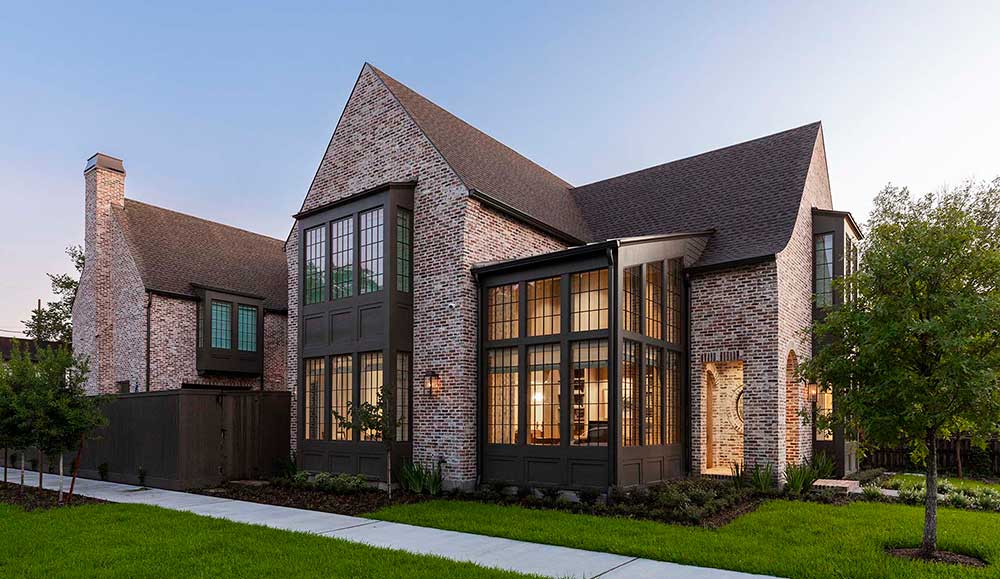
Coordinate proportions, materials, color, and details with fixed elements such as brick, stone, roofing, and siding.
Separate the purchase price from the total project scope. Ask whether each quote includes removal, disposal, repair, flashing, frame insulation, trim, paint or stain, hardware, sidelights, permits, and cleanup. Verify the exact model, glazing, hardware grade, finish, trim, and installation steps. Confirm warranty coverage, record the door's serial number, and ask whether the local dealer or the installer handles service and customer service claims. A door replacement cost guide helps you set expectations.
Federal tax credits and incentives have changed. The ENERGY STAR exterior-door tax credit applied to products bought and installed from January 1, 2023 through December 31, 2025, and it ended after that date. Check utility and state programs and review Michigan energy rebates for windows and doors before you budget around one.
Maintenance extends door life:
Follow the manufacturer's care, refinishing, and lubrication guidance.
Security hardware, thermal ratings, installation, and architectural fit form one assembly. Zone 5A conditions call for careful air sealing, water management, and durable finishes. Curb appeal depends on coordinating the door with your brick, stone, roofing, and siding. To avoid mistakes, compare exact configurations, evaluate the installers, and confirm scope before you sign.
Alexandria Home Solutions in Southfield, Michigan, brings years of experience to homes in Southfield, Birmingham, Novi, Rochester Hills, and surrounding communities. Our licensed and insured team evaluates your opening, discusses your security and privacy priorities, compares ratings and glass packages, and coordinates the door with your facade. Warranties cover materials and labor, and financing options help you plan the project.
Your free in-home design consultation comes from a low-pressure sales representative who listens first and leaves you with a detailed proposal. Call 248-277-5700 or request your free quote online. You can also explore our door installation services, see our Southfield door installation page, or review financing options.
Which exterior door material performs well in Michigan winters? Foam-filled fiberglass and steel doors both perform well when the core, seals, and installation are sound. Fiberglass resists denting and can mimic wood grain, while steel offers strong cores and impact resistance. Wood offers authentic grain but needs more finish care and responds to humidity. Choose by exposure, security needs, and style, and compare whole-product ratings for the exact configuration.
Can an entry door be both secure and well insulated? Yes. Security depends on certified hardware, a reinforced frame, secure hinges, and glazing placement, while insulation depends on the core, seals, threshold, and glass. These features support each other when you evaluate the whole assembly. A solid lock block and tight weather sealing help both goals, and professional installation protects both.
What should an entryway renovation checklist include? Record the rough opening, swing, sill, and overhang. Inspect the frame, threshold, weatherstripping, trim, siding, and flashing for rot, rust, and water damage. Decide between a prehung unit and slab-only replacement, and confirm lead-safe practices for pre-1978 homes. Then compare quotes by complete scope, including installation details, hardware, finish, and cleanup.
Are tax credits still available for new exterior doors? The federal ENERGY STAR exterior-door tax credit applied to products bought and installed from January 1, 2023 through December 31, 2025, and it ended after that date. Utility programs and state offers may still apply. Check official sources before you budget around an incentive, and ask a tax professional how any past credit affects your return.
What ratings should I check on a high-performance exterior door? Check the NFRC label for U-factor, SHGC, visible transmittance, and air leakage, and match the numbers to your exact size and glass package. Confirm ENERGY STAR criteria at the right glazing level. Verify that the hardware carries an ANSI/BHMA certification, with Grade 1 as the highest. Then ask the installer how the door will be supported, sealed, and flashed.