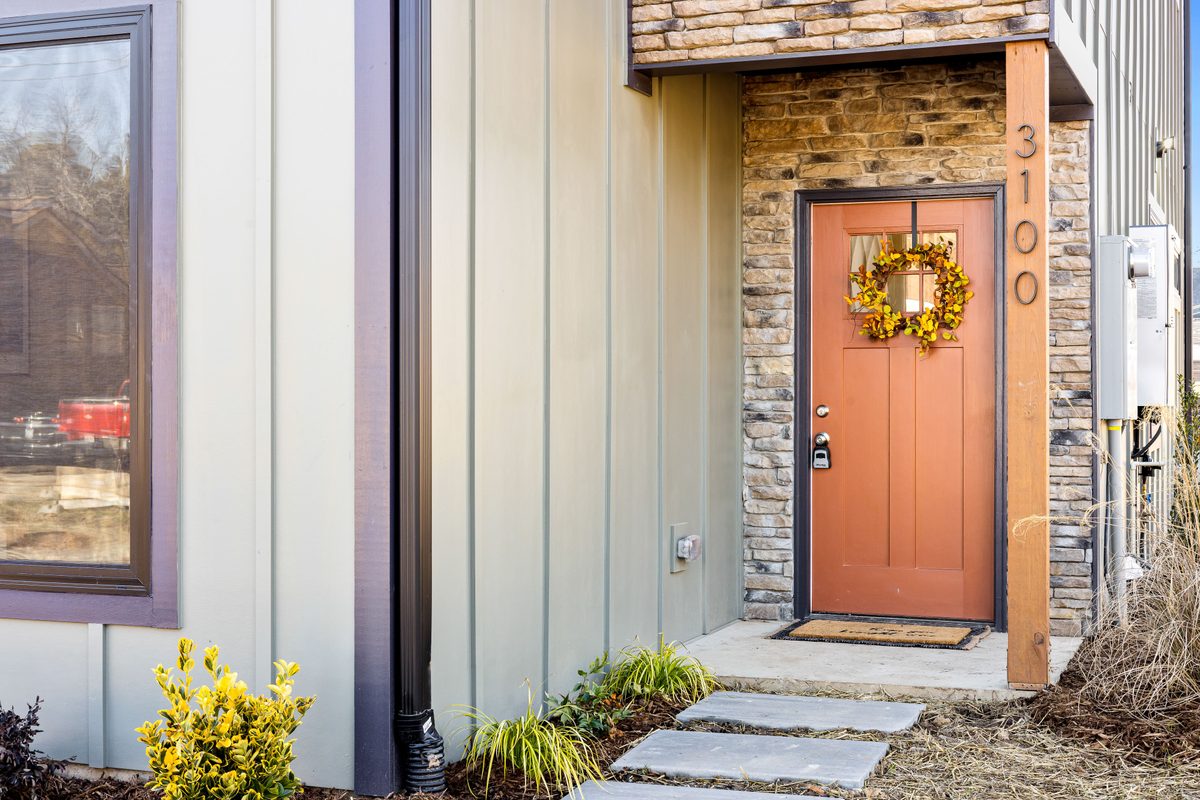
Selecting the right front door color affects buyer perception and resale value. Research analyzing over 135,000 homes reveals specific colors can add or subtract thousands from offers. Understanding which hues increase appeal and which diminish it helps homeowners make informed decisions that enhance curb appeal.
Choosing door paint involves more than personal preference: it requires considering architectural style, regional climate, and material longevity. Here's what we break down: proven color-value data, Michigan-specific trends, fade resistance by door material, and how to coordinate your entryway with outdoor lighting and decking. Michigan homeowners face unique UV exposure and seasonal weather swings that affect color retention, so this guide focuses on strategies that hold up aesthetically and financially.
Front door color directly influences buyer offers and sale prices according to Zillow's 2022 study. The research analyzed buyer reactions to eleven door colors across thousands of listings. Black and charcoal doors generated the highest positive impact while pale pink and cement gray decreased perceived value.
First impressions form within seconds of viewing a home's exterior. Trending entry door colors for Southfield in 2026 show preferences shifting toward deeper, sophisticated tones signaling quality and care.
| Door Color | Value Impact | Notes |
|---|---|---|
| Black / Charcoal | +$6,271 to +$6,450 | Highest positive impact recorded |
| Slate Blue | +$1,537 | Strong performer across styles |
| Mid-Tone Brown | +$300 | Modest but positive |
| Warm Yellow | -$2,000 | Reduces perceived value |
| Cement Gray | -$3,365 | Reduces perceived value |
| Pale Pink | -$6,516 | Largest negative impact recorded |
The table below summarizes Zillow's findings on how specific door colors affect buyer offers compared to typical home values.
These figures come from Zillow's controlled study, where buyers rated identical homes with different door colors. Color choice is a low-cost change with measurable financial upside or downside.
Zillow's 2023 follow-up study surveyed approximately 4,700 recent and prospective buyers. Participants described pale pink as appearing shabby despite its trendiness in interior design, and homes with black front doors were significantly more likely to receive tour requests. Subdued, classic colors signal stability and care, while unconventional pastels raise maintenance concerns in buyers' minds.
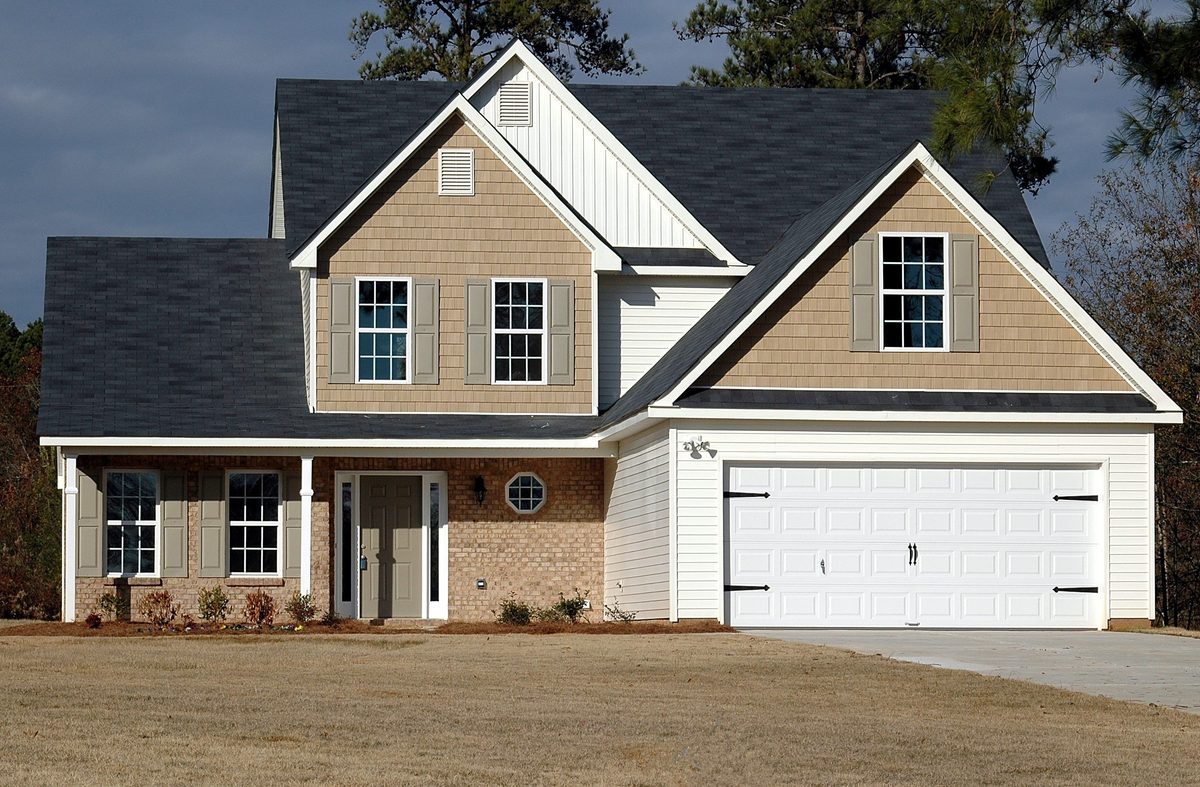
Colonial and Georgian homes perform well with high-contrast whites, ivories, navy, black, or deep red. Craftsman architecture suits rich wood tones, mustard stains, sage green, and deep olive. Victorian styles traditionally accommodate bold multi-color schemes or muted siding with natural wood-tone doors.
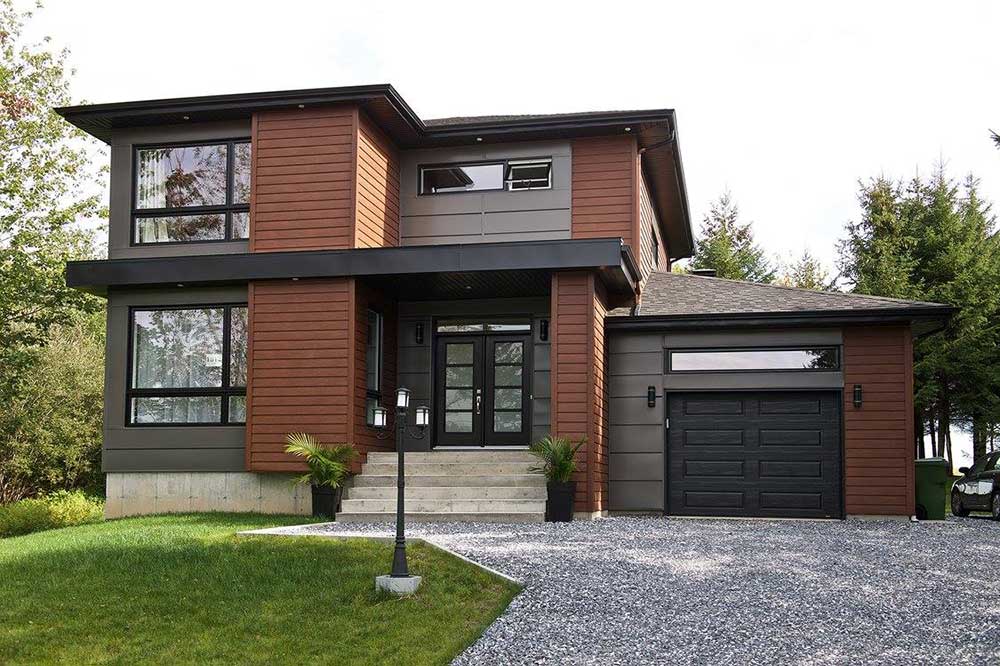
Modern and contemporary designs allow experimenting with black, lime, turquoise, eggplant, or natural espresso. Anchor your door color to something not easily changed, such as a roofline, brick, or hardscape. This keeps your selection cohesive even if siding or trim colors change later.
Regional climate and local design preferences shape which colors perform well in specific markets. Michigan's temperature extremes and UV exposure require colors that resist fading year-round. Trend data from Southfield shows clear preferences emerging for 2026 installations across Metro Detroit.
Seasonal weather patterns influence material performance and color longevity. Choosing the right entry door for your Michigan home requires understanding how local conditions affect aesthetic and functional outcomes.
Trend data from Southfield shows clear preferences emerging for 2026 installations across Metro Detroit:
| Color Trend | Share of 2026 Installations |
|---|---|
| Deep Navy Blue | 25% |
| Forest Green | 20% |
| Charcoal Gray | 15% |
| Black | Still the most-installed color overall |
Black doors remain dominant in Michigan installations despite navy's rising popularity among design-conscious homeowners. Warm earthy tones including burnt umber and terracotta gain traction as alternatives to traditional barn red, and biophilic wood-grain finishes are trending upward alongside these bold colors.
Coordinate door color with permanent architectural features including brick tone, stone accents, and roof material. Warm colors pair naturally with red brick, while cool tones clash and create visual discord; pale pastels diminish the facade's impact. Southeast Michigan design professionals recommend anchoring choices to hardscape or rooflines rather than temporary elements, which keeps your exterior cohesive through future siding or trim updates.
Door material affects fade resistance more than color choice alone. Here's how the three most common materials compare:
| Material | Fade Resistance | R-Value (Insulation) | Refinish Interval |
|---|---|---|---|
| Fiberglass | 6 to 8 years before noticeable fading (factory UV coating) | R-5.6 to R-7.1 | Every 5 to 7 years; topcoat every 2 years |
| Steel | Fades faster than fiberglass under combined UV and heat | R-5 to R-6 | Varies; watch for frame-gap issues from metal expansion |
| Wood | As little as 1 year without an overhang | R-2.0 to R-3.0 | Every 2 to 5 years |
Door material determines fade resistance, energy efficiency, and maintenance intervals more than color selection alone. Materials for your exterior door vary by climate exposure and homeowner priorities. Understanding how fiberglass, steel, and wood respond to UV and temperature helps optimize appearance and performance.
Material composition affects how well color adheres and how quickly it degrades under Michigan conditions. Each material requires specific refinishing schedules to maintain appearance and protect structural integrity.
Fiberglass resists fading well under Michigan sun because factory UV coatings protect the surface for years; reapplying a clear topcoat every two years extends that protection further. Wood and steel fade faster: wood lacks a comparable protective layer, and steel's paint breaks down more quickly under combined UV and heat, with metal expansion affecting frame gaps over time.
Fiberglass door R-values range from R-5.6 to R-7.1 providing superior insulation compared to alternatives. Steel doors offer R-5 to R-6 while wood delivers only R-2.0 to R-3.0. Fiberglass vs steel front doors for Michigan weather highlights performance differences impacting heating and cooling costs year-round.
Fiberglass insulation provides up to five times more thermal protection than solid wood, and annual energy savings from fiberglass versus wood run $200 to $400 depending on home size. These savings accumulate over the door's lifetime, making material selection critical beyond aesthetics.
Refinishing schedules depend on sun exposure as much as material. South-facing doors without overhangs need attention sooner than shaded, north-facing installations, and Michigan's freeze-thaw cycles accelerate moisture penetration and paint breakdown regardless of material.
Coordinating front door color with outdoor lighting, walkways, and deck materials creates cohesive visual flow. Strategic lighting design enhances ambiance in your renovated space while enhancing safety and highlighting architectural features. Integrated design thinking maximizes curb appeal by treating the entry as part of a complete outdoor system.
Lighting choices affect how door colors appear during evening hours when buyers often drive through neighborhoods. Proper illumination showcases color richness and texture while improving visibility and security.
| Fixture Type | Budget | Mid-Range | High-End |
|---|---|---|---|
| Post Cap Lights | $5 (solar) | $20 to $50 | $150 |
| Step and Stair Lights | $8 to $20 | - | $80 (recessed) |
| Railing Lights | $8 to $20 | - | $100 (recessed) |
| Pro Low-Voltage System (full install) | - | - | $1,500 to $4,000 total |
A standard 12x16 deck typically needs about sixteen fixtures spread across railings, steps, and posts. Professional low-voltage systems, including fixtures, transformers, and installation, typically run $1,500 to $4,000 total.
Outdoor living space is usable three to four months a year without enhancement, and adding heat, lighting, and weather protection can double or triple that window. Homeowners cite lighting as their favorite outdoor technology investment at 63 percent, ahead of security cameras, though most performance data combines lighting with heating and wind protection as an integrated system.
Warm color temperatures between 2700K and 3000K create cozy ambiance highlighting rich door tones, while crisp 4000K to 5000K temperatures suit modern aesthetics and light-colored doors. Walkway and stair lighting should deliver 50 to 100 lumens per fixture, step lighting needs only 10 to 20 lumens, and a minimum IP65 weather rating protects fixtures from Michigan's water and dust exposure.
Composite decking materials near front entries should coordinate with door color for visual continuity. Composite and PVC deck materials offer varied color palettes that complement modern entryway color ideas. Trex, TimberTech, and AZEK provide distinct aesthetic and performance characteristics affecting overall curb appeal.
Color variety differs significantly between manufacturers, with some offering extensive options across multiple product tiers. Understanding brand-specific color ranges helps homeowners select decking that enhances rather than conflicts with door selections.
| Feature | Trex | TimberTech | AZEK (PVC) |
|---|---|---|---|
| Color Options | 8 to 10 colors | 6 to 12 colors (budget to mid-tier) | 6 to 8 colors |
| Recycled Content | ~95% | 65% to 85% | 0% (virgin/recycled PVC, no wood) |
| Cap Design | 3-sided (budget tiers) | 4-sided | Fully synthetic; no capping needed |
| Moisture Resistance | Good | Very good (full seal) | Highest; absorbs zero moisture |
| Mold Resistance | Can support mold if cap is breached | Better than Trex due to full seal | Highest; no organic material |
| Scratch Resistance | More prone to scratching | More prone than Trex | Highest scratch resistance |
| Warranty | 25 to 50 years (varies by line) | 30 years (Vintage line) | 50 years (all lines) |
AZEK's fully synthetic composition removes the organic material that mold needs to grow, which is why it outpaces composite alternatives on both moisture and mold resistance. Trex's wood-fiber core can support mold if moisture penetrates the polymer cap over time.
The 5 Delta E fade threshold used across all three warranties comes directly from each manufacturer's official documentation, giving homeowners a standardized way to compare fade guarantees.
Material composition influences color stability, surface temperature, and long-term visual consistency near entryways. Decking materials impact how door colors read in context and whether the complete exterior maintains cohesion. Understanding composition differences helps homeowners select combinations that age gracefully together.
Environmental considerations including recycled content vary significantly between brands. Surface temperature differences become critical for Michigan homeowners who use decks barefoot during summer.
Recycled content and cap design, covered in the comparison table above, are the biggest drivers of how each brand resists moisture, mold, and rot over time.
AZEK delivers the coolest surface temperature of the three brands because PVC dissipates heat faster, making it notably more comfortable barefoot in direct sun. Trex and TimberTech run comparably warmer under identical exposure, and dark colors absorb more heat than light tones across all brands, which matters most for Michigan decks in intense afternoon sun.
AZEK PVC lifespan reaches 40 to 50-plus years per manufacturer warranty terms, and composite or PVC decking outlasts wood by two to three times in maintenance-adjusted comparisons. No independent, peer-reviewed lifespan study exists for composite decking brands; all figures trace back to manufacturer warranty terms.
Balancing immediate aesthetic impact with long-term performance and maintenance costs optimizes your return on investment. Coordinating color selections across door, trim, and deck materials creates unified visual appeal that resonates with buyers, and regional climate realities should guide decisions as much as current design trends.
Anchor color decisions to permanent architectural elements, including brick, stone, and rooflines that remain constant, rather than to trend colors alone. Deep navy, forest green, and charcoal gray offer modern appeal without sacrificing longevity, while pale pastels and cement gray subtract thousands from buyer perceptions. Black and slate blue deliver proven buyer appeal across architectural styles, and coordinating door color with decking creates a cohesive transition from entry to outdoor space.
Black and charcoal doors add over $6,000 to perceived home value, and slate blue increases buyer offers by roughly $1,537; both pair well with traditional and contemporary exteriors. Mid-tone brown and terracotta add modest value while complementing brick and natural stone. Pairing these colors with energy-efficient fiberglass doors maximizes both aesthetic appeal and functional return, since fiberglass R-values of R-5.6 to R-7.1 cut energy costs $200 to $400 a year compared to wood.
Michigan's freeze-thaw cycles and UV exposure accelerate paint breakdown, so fiberglass doors that resist fading well over six to eight years hold up better than wood, which needs refinishing every two to five years. Choose colors and materials suited to your home's specific sun exposure: south-facing doors without overhang protection need more frequent maintenance regardless of material or color, so factor refinishing intervals and energy savings into total cost of ownership.
Strategic front door color selection delivers measurable increases in buyer appeal and home value. Black, charcoal, and slate blue consistently outperform other colors across diverse architectural styles and regional markets. Coordinating door color with permanent features, energy-efficient materials, and complementary lighting creates cohesive exteriors that command higher resale prices.
Alexandria Home Solutions helps Michigan homeowners make informed decisions balancing aesthetic preferences with performance requirements. Professional guidance ensures your curb appeal investment delivers strong returns through skilled material selection, regional trend awareness, and quality installation.
Alexandria Home Solutions helps Michigan homeowners in Southfield, Birmingham, Novi, Rochester Hills, Troy, and Bloomfield Township choose front door colors and materials built to hold up through Michigan winters and summers alike. Call 248-277-5700 or request your free, no-pressure quote to schedule a consultation and get a color and material recommendation suited to your home.
Zillow's research on more than 135,000 homes found that black and charcoal front doors add the most perceived value, increasing buyer offers by $6,271 to $6,450 compared to typical homes. Slate blue is the next strongest performer, adding roughly $1,537. Pale pink and cement gray had the opposite effect, subtracting thousands from buyer offers.
Your door color does not need to match your roof or siding exactly, but it should complement them. Warm colors like burnt umber and terracotta pair well with red brick, while cool tones such as navy and charcoal work better with gray or neutral siding. Anchoring your choice to a permanent feature, like your roofline or brick, keeps the exterior cohesive even if you update trim or siding later.
It depends on the material. Fiberglass doors with factory UV coatings typically go five to seven years between full refinishing, with a clear topcoat reapplied every two years. Wood doors need attention every two to five years, and south-facing doors without an overhang usually need refinishing sooner because of direct sun exposure and Michigan's freeze-thaw cycles.
Fading depends more on door material than on color darkness alone. A fiberglass door with a quality factory UV coating resists fading for six to eight years regardless of color, while a wood door can fade within a year without a protective overhang. South-facing doors of any color and material fade faster than shaded, north-facing installations.
Deep navy blue leads 2026 trend data in Southfield at roughly 25 percent of installations, followed by forest green at 20 percent and charcoal gray at 15 percent. Black remains the most commonly installed color overall, and warm, earthy tones like burnt umber and terracotta are gaining ground as alternatives to traditional barn red.