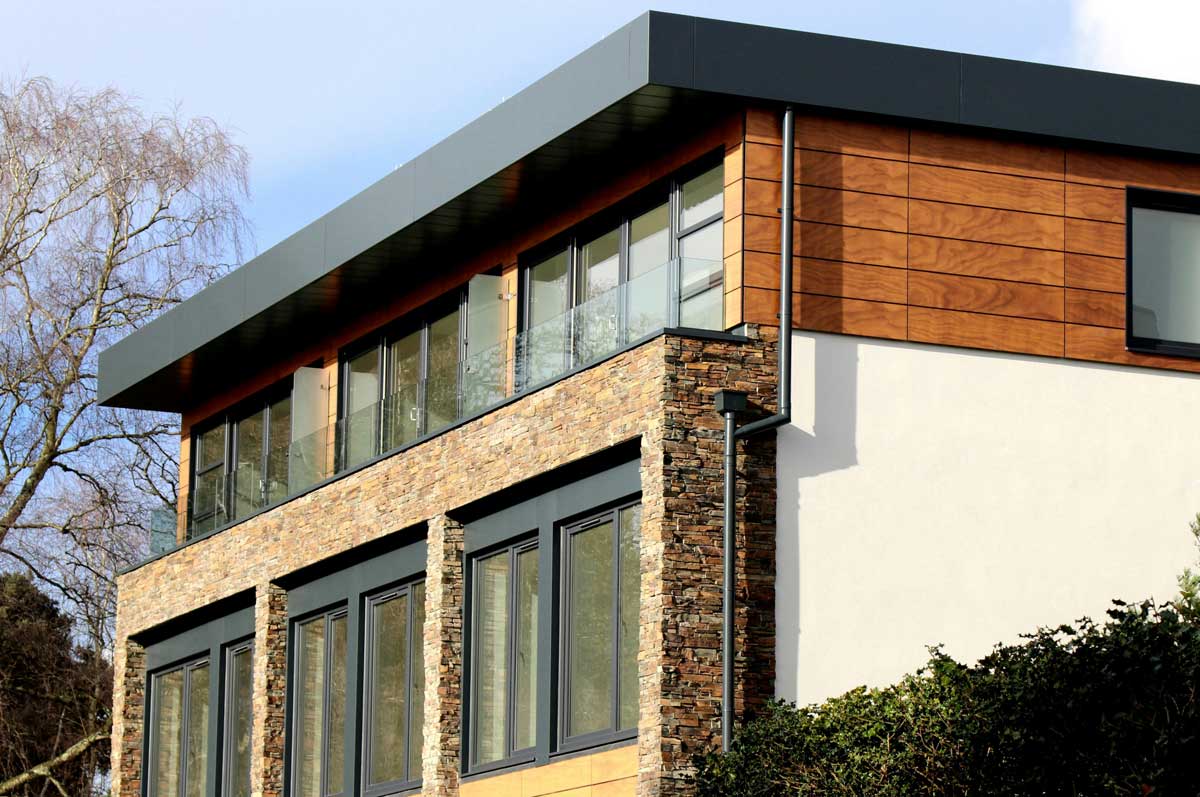
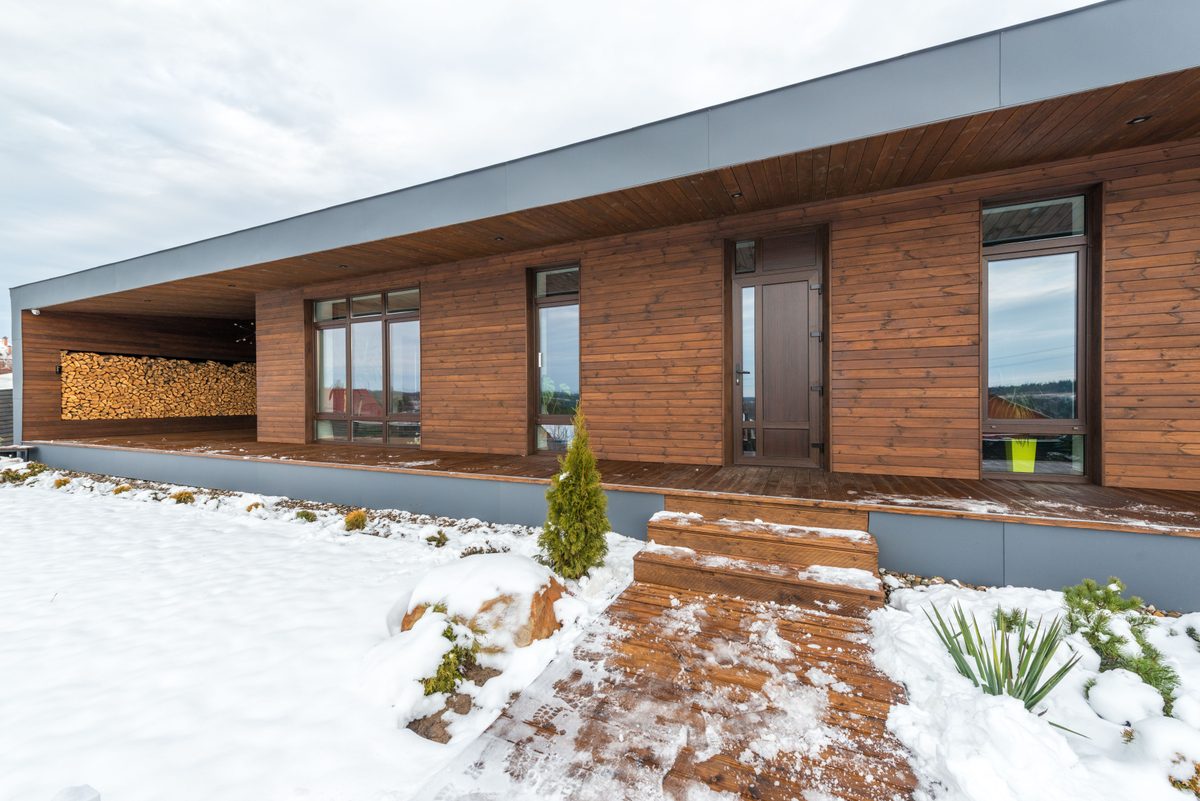
Siding replacement is a major investment that protects your home's structure and appearance for decades. Understanding the installation process, material choices, and climate-specific considerations helps Michigan homeowners make informed decisions and avoid costly mistakes. This guide explains what happens during installation, how to prepare your property, and which materials perform best under local weather conditions.
Michigan's freeze-thaw cycles, high humidity, and wind-driven rain create unique challenges for exterior cladding. Proper material selection and installation details directly impact long-term performance, energy efficiency, and maintenance requirements.
Siding is the protective outer layer that shields your home's structural shell from moisture, pests, and weather. It prevents water infiltration, resists impact damage, and provides insulation value while defining curb appeal. Proper siding installation creates a drainage plane that channels water away from sheathing and framing.
In Michigan's climate, siding must withstand repeated temperature swings and moisture exposure year-round. Poor installation or material choice leads to rot, mold, structural damage, and expensive repairs.
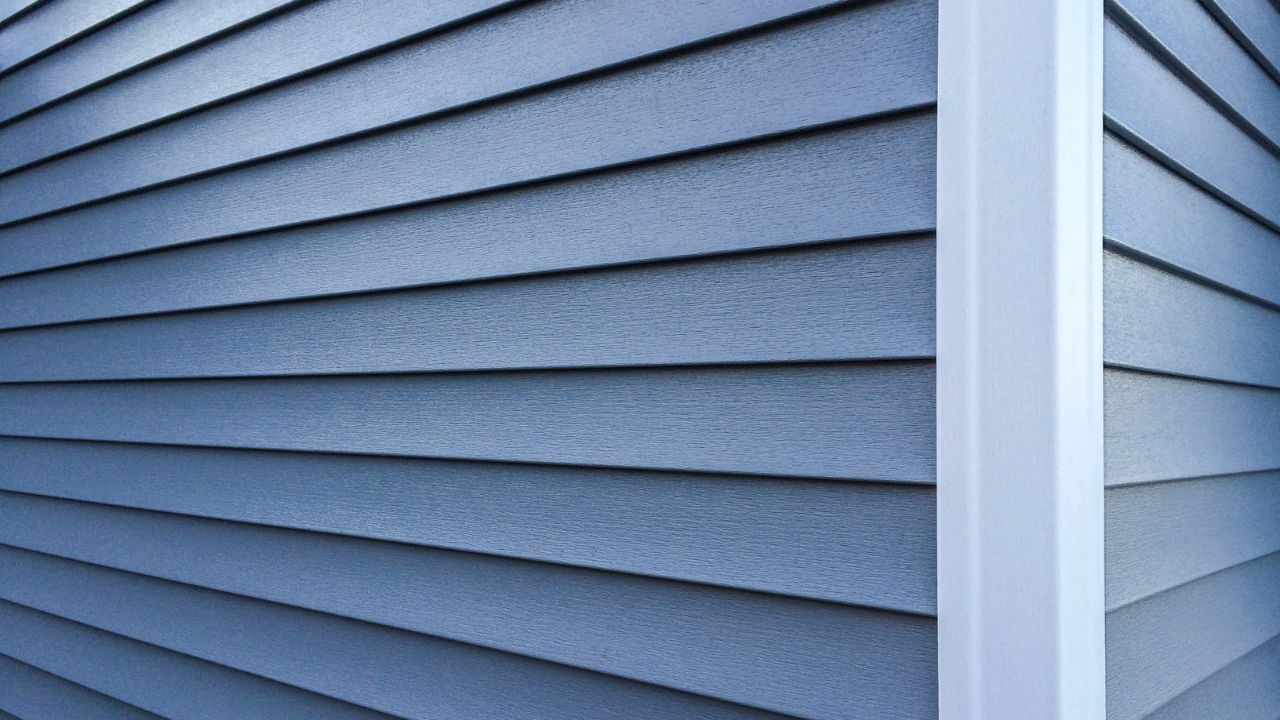
Vinyl siding uses extruded PVC panels with overlapping lock profiles that resist moisture and require minimal upkeep. Vinyl represents 69% of new homes in Michigan's region because of its affordability and familiarity. Fiber cement combines cement, sand, and cellulose fibers in factory-formed planks that offer high durability.
Wood siding includes milled boards, bevel planks, shingles, and cedar shakes valued for natural aesthetics. Engineered wood uses reconstituted wood strands or fibers with resins, providing a wood appearance with lighter maintenance. Metal siding employs roll-formed or stamped aluminum and steel panels that deliver excellent resilience.
Freeze-thaw cycles accelerate material stress and failure across the Great Lakes region by expanding trapped moisture. Water entering wall cavities during rain or snowmelt freezes when temperatures drop, creating pressure that damages cladding. Proper flashing and drainage details reduce moisture accumulation risk behind siding.
Water can infiltrate behind any cladding type at vulnerable points like windows, doors, and roof-wall intersections. Installation methods that assume water penetration will occur perform better than systems relying on surface sealing alone.
Poor installation of premium siding can underperform a correctly detailed mid-priced system. Vinyl can warp if fasteners are over-driven or panels lack proper expansion clearance. Wood requires disciplined sealing, painting, or staining, and moisture management to prevent rot and decay.
Material selection influences both performance and visual impact over the product's lifespan. Installation quality, climate fit, and maintenance expectations should guide material decisions.
Homeowners prioritize durability and long-lasting materials as the most important result from siding projects. 57% of homeowners rank durability first, above appearance, cost, and maintenance considerations. Performance expectations reflect understanding that siding is a long-term structural investment, not just a cosmetic improvement.
Decision-making research shows appearance and performance influence siding selection more than cost or recommendations. Homeowners willing to invest in quality materials seek assurance that products will withstand local weather.
Durability concerns reflect Michigan homeowners' experience with harsh weather, ice, wind, and temperature extremes. Materials must resist moisture penetration, impact damage, pest activity, and UV degradation over decades. Homeowners who replace worn-out siding understand that premature failure creates unplanned expense.
Long service life reduces the total cost of ownership by delaying replacement and minimizing repair frequency. Fiber cement's growing share reflects demand for resilience in high-exposure applications.
36% of homeowners replace siding to improve curb appeal, recognizing exterior appearance's impact on property value. 32% cite maintenance reduction as a primary motivation, seeking materials that eliminate frequent painting or sealing.
Low-maintenance materials appeal to busy homeowners who lack time or interest in exterior upkeep. Vinyl, fiber cement, and metal options reduce painting, staining, and repair requirements compared to wood. Curb appeal considerations drive aesthetic upgrades even when existing siding remains structurally sound.
53% of homeowners upgrade siding to replace worn-out surfaces that no longer protect the building envelope. 39% replace siding because of damage from storms, impact, or moisture infiltration discovered during inspections. 32% replace siding to improve energy efficiency by adding insulation or sealing air leaks.
41% postpone replacement because existing siding still appears in good condition despite age or minor defects. 13% replace siding when planning to sell within two years, aiming to boost resale value.
Preparing the home for siding requires inspecting structural components, scheduling around the weather, and planning for temporary disruption. Homeowners should expect contractors to examine sheathing, framing, windows, and existing trim during initial consultations.
Clear access around the home's perimeter allows crews to position equipment, scaffolding, and material staging areas safely. Landscaping, outdoor furniture, and decorative elements near walls should be moved or protected before work begins.
Inspecting sheathing and framing for moisture or rot identifies hidden damage before new cladding installation. The discovery of concealed rot may increase the project scope after removing existing siding that hid structural problems. Homeowners should budget contingency funds for unexpected sheathing replacement or framing repairs.
Older Michigan housing stock often hides deferred envelope repairs that become visible during tear-off. Water stains, soft spots, or insect damage require immediate correction before installing new siding.
Weather conditions affect staging, sealant curing, and painting windows during the siding installation process in Michigan. Rain delays material delivery, prevents adhesive application, and creates unsafe working conditions on scaffolding. Cold temperatures slow sealant curing and make some materials brittle or difficult to cut.
Contractors typically schedule exterior work during dry, moderate weather to ensure proper installation and product performance. Spring and fall offer ideal conditions, though summer heat and winter cold present different challenges.
Removing old cladding exposes the water-resistive barrier, flashing, and structural components for inspection. Tear-off generates noise, debris, and temporary loss of weather protection in sections under active removal.
The inspection phase reveals conditions hidden behind existing siding, including moisture damage or missing insulation. Professional installers identify problems early to prevent future failures.
The siding installation process begins with water-resistive barrier installation or repair to create a drainage plane. Contractors integrate flashing around all penetrations, windows, doors, and roof-wall intersections to direct water outward. This preparatory work establishes the foundation for long-term moisture management and durability.
After moisture barriers and flashing are complete, installers attach siding panels using fasteners rated for Michigan's wind and moisture exposure. Expansion gaps accommodate temperature-driven material movement, preventing buckling or warping during seasonal changes.
Water-resistive barriers are protective layers installed behind siding that shed bulk water reaching the drainage plane. Installing or repairing the barrier ensures moisture does not penetrate sheathing even when cladding fails. Proper barrier installation assumes water will eventually reach the drainage plane through fastener holes or joints.
Integrating flashing around windows, doors, penetrations, and roof-wall intersections channels water away from vulnerable openings. Layered flashing details follow the "shingle principle," with each piece overlapping the layer below.
Rainscreen gaps are spaces allowing drainage and airflow behind cladding that reduce moisture accumulation and improve drying. Installing expansion gaps or rainscreen details where specified prevents moisture-related rot and material warping. These gaps accommodate thermal expansion and contraction in vinyl, fiber cement, and metal systems.
Drainage details direct water downward and outward, preventing pooling against sheathing or foundation components. Professional installation incorporates ventilation and drainage features that extend material lifespan.
Final installation with fasteners appropriate for high-moisture and wind-driven-rain conditions prevents premature failure and water intrusion. Over-driven nails or screws restrict material movement, causing buckling or cracking during temperature changes. Fasteners must penetrate framing members while allowing the cladding to expand and contract.
Proper nailing patterns, overlap distances, and trim details follow manufacturer specifications to maintain warranty coverage. Installation shortcuts compromise performance even when using premium materials, reducing expected service life.
Michigan's climate requires siding that resists freeze-thaw damage, moisture penetration, wind-driven rain, and UV degradation. Material performance depends on both inherent properties and installation quality. Homeowners should match materials to exposure level, aesthetic preferences, and maintenance tolerance.
Premium materials installed poorly often underperform mid-range products installed correctly in freeze-thaw zones. Vinyl, fiber cement, and metal lead in Michigan applications due to proven weather resistance and availability.
Vinyl siding accounts for 69% of new homes in the East North Central region in 2024. Vinyl represents 43.63% of North America regional siding revenue, confirming its dominance across replacement and new construction. The East North Central vinyl share increased from 67.4% to 69% between recent measurement periods.
Vinyl's installed price range of $3 to $12 per square foot makes it the most affordable mainstream option. The National Association of Realtors shows 82% cost recovery for vinyl siding projects at resale.
Fiber cement is used in 23% of new U.S. single-family homes in 2024, reflecting growing demand. Fiber cement's share rose from 21.7% to 23% from 2023 to 2024 as homeowners prioritize durability. Its installed price range of $5 to $14 per square foot positions it above vinyl.
The Department of Energy benchmarks fiber cement at $7 to $10 per square foot for standard installations. The National Association of Realtors shows 86% cost recovery for fiber cement, exceeding vinyl's return. Its fire resistance, pest immunity, and climate resilience justify premium pricing in high-exposure applications.
Wood products account for 6% of new U.S. single-family homes in 2024, serving aesthetic-driven markets. Composite siding represents $172 million in U.S. demand by 2025, approximately 1.1% of the market. Composite offers a wood-like appearance with reduced maintenance compared to natural wood products.
Aluminum siding costs $3 to $6 per square foot installed, while steel siding ranges $4 to $16. Metal excels in modern designs, severe weather exposure, and fire-prone areas. Wood remains preferred for historic restorations and custom projects where natural texture outweighs higher siding maintenance tips requirements.
Michigan's siding market is estimated at $0.50 billion to $0.56 billion in 2026 based on national scaling. The market midpoint estimate of $0.53 billion in 2026 reflects Michigan's share of the national housing stock. The five-year compound annual growth rate of approximately 1.4% indicates steady but modest expansion.
Demand concentrates in owner-occupied housing where residents invest in long-term property improvements. Michigan's higher-than-average homeownership rate drives replacement activity compared to renter-heavy markets.
Michigan's owner-occupied housing rate is 73.2%, exceeding the national 65.2% average significantly. The statewide homeownership rate of 71% confirms broad owner investment in property maintenance. Michigan represents 3.57% of owner-occupied housing units nationally, supporting a substantial market size.
Rural northern and northeastern Michigan show the highest homeownership rates within the state. Owner-occupiers invest in durable materials and quality installation to protect long-term property value.
Selected Detroit PUMAs fall below 50% homeownership, reducing owner-led siding replacement activity in those areas. Millennial homeownership in the largest urban markets averages only 35% nationally, limiting young-owner demand. Grand Rapids shows 60% millennial homeownership, indicating stronger demand in mid-sized metros with affordable housing.
Exurban parts of southeastern Michigan have high homeownership rates that support exterior remodeling. Millennial homeownership in non-metro areas reaches 52%, higher than urban concentrations by significant margins.
Millennial homeownership nationally stands at 47% in 2024, representing emerging but limited market share. Gen X homeownership nationally reaches 65% in 2024, forming the core remodeling and replacement cohort. Baby Boomer homeownership nationally hits 74% in 2024, indicating strong demand for low-maintenance solutions.
Older homeowners prioritize durability and reduced upkeep to support aging-in-place strategies and minimize future expense. Gen X cohorts balance investment in property value with family budget constraints.
Homeowners assess lifecycle value versus upfront cost by comparing initial investment against expected service life and maintenance. Decision frameworks weigh durability, appearance, maintenance burden, and climate fit rather than price alone.
Typical objections that delay siding replacement include perceived high cost, uncertainty about contractor selection, and belief that existing siding remains adequate. Educating homeowners about hidden moisture damage, energy loss, and long-term cost of deferred maintenance overcomes delay.
Vinyl offers the lowest mainstream cost and wide availability but lower impact and fire resistance. Fiber cement provides high durability, fire and pest resistance but requires heavier, more labor-intensive installation. Wood delivers the best natural aesthetics and design flexibility but demands higher maintenance and pest or moisture sensitivity.
Composite delivers wood-like appearance with lighter upkeep, though quality varies significantly by brand. Metal offers excellent resilience and low maintenance, but cost can rise quickly and denting or corrosion concerns exist. Homeowners should calculate total ownership cost including maintenance, repainting, and expected replacement intervals.
Homeowners often delay replacement because existing siding appears structurally sound despite age or minor surface wear. Budget concerns and competing priorities defer projects even when damage is visible or energy loss is measurable.
Hidden damage behind existing siding often surprises homeowners who assumed superficial repairs would suffice. Educating property owners about moisture intrusion, sheathing deterioration, and envelope performance reduces delay-based objections.
Premium and appearance-led alternatives are advancing while vinyl retains its market lead across most segments. Homeowners who understand material trade-offs, installation requirements, and climate fit make better long-term decisions. Clear explanations of water-resistive barriers, flashing details, and drainage principles demystify the installation process.
Decision confidence increases when homeowners grasp how proper installation protects structural integrity beyond surface appearance. Providing visual references, material samples, and local project examples helps translate technical information into practical understanding.
Successful siding projects start with realistic expectations, thorough preparation, and clear communication between homeowners and contractors. Understanding the timeline, potential disruptions, and post-installation care requirements prevents surprises and ensures satisfaction. Michigan homeowners should prioritize contractors who explain installation details, moisture management strategies, and warranty terms clearly.
Preparing your property, scheduling around the weather, and budgeting for contingencies are essential planning steps. Working with licensed, insured professionals who follow manufacturer guidelines protects your investment and ensures warranty coverage. Alexandria Home Solutions provides comprehensive siding services backed by expertise in Michigan's climate challenges and material performance requirements.
New siding is a decades-long investment, and the right installer makes all the difference between a home that stays protected and one that develops problems within a few years. Alexandria Home Solutions has helped homeowners across Southfield, Birmingham, Novi, Rochester Hills, and the surrounding metro Detroit area choose siding that holds up to freeze-thaw cycles, wind-driven rain, and heavy snow loads. Our licensed, insured team handles every detail, from sheathing inspection and flashing integration to final cleanup, backed by warranties on both materials and workmanship.
Ready to see what your home could look like? Contact us to request a free in-home estimate to talk through your options with one of our low-pressure siding specialists. No sales pitch, just honest guidance to help you make the right choice for your home.