Key Takeaways:
Deck railings define safety, style, and usability in Michigan outdoor spaces. Homeowners balancing cost, durability, and aesthetics face choices among wood, composite, aluminum, cable, and glass systems, each offering distinct visual and performance characteristics. Understanding how materials, styles, and regional climate interact helps homeowners select railings that enhance livability and protect investment.
Michigan's freeze-thaw cycles, moisture exposure, and snow loading make material longevity and maintenance requirements especially relevant.
Five material families dominate residential deck railing installations in Michigan. Wood, composite, aluminum, cable, and glass each serve different budget, aesthetic, and maintenance priorities, with composite and pressure-treated wood accounting for the largest share of projects.
Pressure-treated lumber represents 32% of deck renovations, while composite or plastic accounts for 48%. Wood railing typically costs $25–$55 per linear foot in Michigan, offering traditional warmth and lower entry costs. Composite railing ranges from $35–$110 per linear foot, providing coordinated systems that reduce maintenance and deliver stronger resale value.
Composite has become the single strongest material family in residential work, while wood remains substantial. Experts identified composite decking as the most popular patio flooring option for 2025 in 46% of responses. Wood decks recoup 60.1% of cost at resale in Lansing, compared with 83.8% for composite, reflecting buyer preference for low-maintenance systems that resist moisture and weathering.
Aluminum appears in 5% of deck renovations, while glass railing accounts for 2%. Metal held 42.8% of global railing market revenue in 2023, compared with 18.5% for wood, signaling strong demand. Cable systems cost $120–$200 per linear foot in Michigan, while glass runs $125–$215, positioning both as premium view-preserving options.
Aluminum delivers rust resistance and clean lines with minimal upkeep, making it suitable for elevated decks and transitional designs. Cable and glass railings maximize sightlines in scenic backyards, lakefronts, and golf-course settings where open views justify higher costs. Both systems require reinforced posts and professional tensioning or glazed panel installation, adding complexity beyond conventional baluster assemblies.
Vinyl and PVC railings suit homeowners prioritizing bright aesthetics and easy-care systems. These materials resist moisture absorption better than wood and eliminate resealing cycles associated with natural lumber. National installed costs for vinyl typically range from $25–$60 per linear foot, placing it between wood and composite.
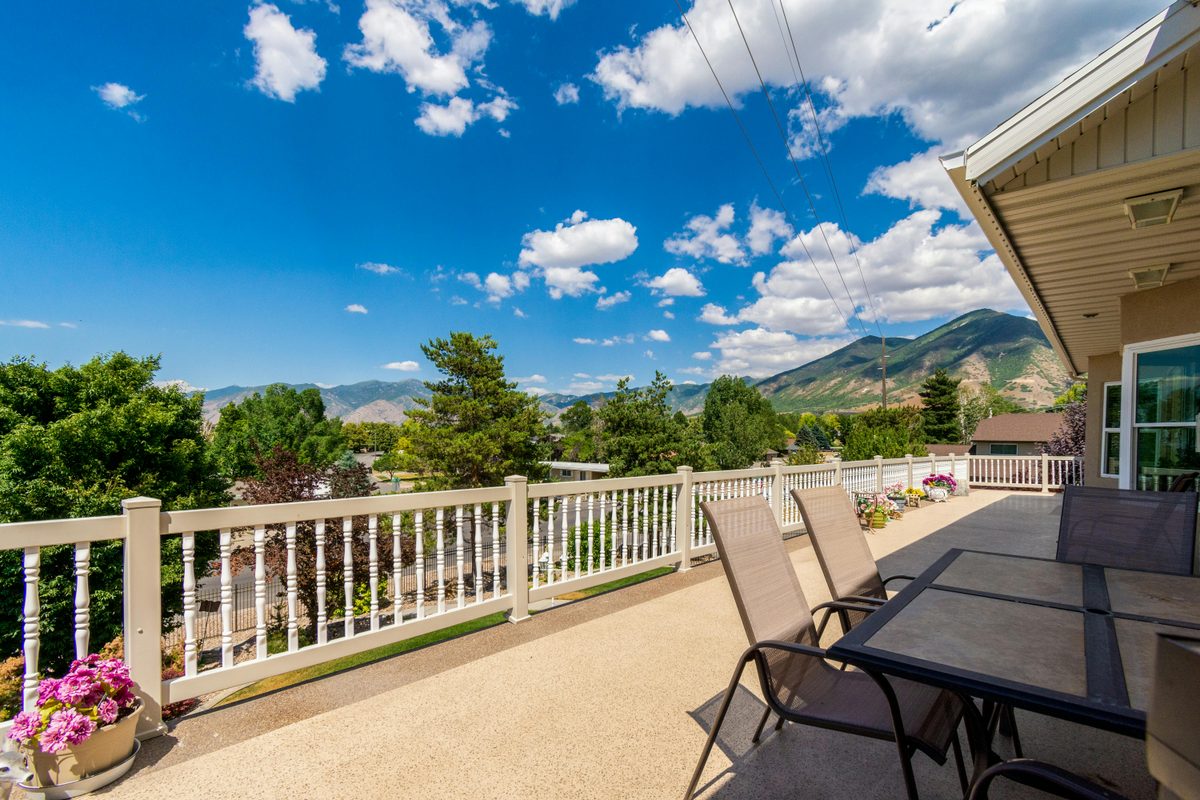
Vinyl works well for value-oriented projects where maintenance reduction matters more than premium texture. The material pairs effectively with colonial and traditional architectural styles, especially in white or light finishes. However, vinyl lacks the structural elegance of metal systems and natural warmth of wood, limiting its appeal in design-led or upscale builds.
Railing style shapes how decks integrate with architecture, landscape, and intended use. Traditional, transitional, and contemporary categories align with specific materials, colors, and detailing approaches to create cohesive outdoor environments reflecting homeowner priorities and regional preferences.
Traditional decks work best with wood or wood-look boards, white or stained baluster systems, and warm landscape integration. These designs emphasize familiar proportions, natural materials, and neighborhood compatibility. Traditional style represents 24% of outdoor design preferences, while native or naturalized approaches account for 10%, reflecting continued demand.
Wood and cedar railings deliver the rich texture and warmth defining traditional deck design. Pressure-treated systems offer budget-conscious entry points, while redwood and cedar elevate natural character. Traditional styles suit wooded settings, cottage contexts, and historic neighborhoods where modern materials may feel visually incongruous.
Transitional decks work well with composite boards in mid-tone browns and grays, black aluminum rail, and mixed textures. This approach combines low-maintenance materials with broad-market visual appeal, making it suitable for resale-conscious homeowners. Transitional style accounts for 15% of outdoor design preferences, positioning it as a strong middle ground.
Black aluminum railings paired with neutral composite decking create clean, current aesthetics without the cost intensity of cable or glass. Transitional designs accommodate family use, entertaining, and aging-in-place considerations by emphasizing safety, comfort, and durability. Bloomfield Township and similar suburban markets favor transitional packages balancing style lift with practical value.
Contemporary decks look strongest with wide boards, dark accents, cable or glass rails, and minimal visual clutter. Contemporary style represents 10% of outdoor preferences, while modern accounts for 9%, reflecting niche but visible demand. These designs prioritize open views, sleek materials, and architectural precision.
Cable and glass railings define premium contemporary aesthetics by preserving sightlines and creating visual lightness. Wide-board composite or PVC decking in charcoal, gray, or black provides the refined backdrop these systems require. Contemporary railings suit Birmingham and similar upscale communities where design leadership and premium finishes justify higher installation costs.
Deck railing materials Michigan homeowners select directly influence project budgets. Material costs, installation complexity, and regional climate requirements combine to create pricing ranges separating basic functional systems from premium architectural features.
Wood railing costs $25–$55 per linear foot in Michigan, offering the lowest entry price. Composite railing ranges from $35–$110 per linear foot, reflecting brand variation and system complexity. Aluminum railing runs $55–$100 per linear foot, delivering durability and low maintenance at mid-premium pricing.
Cable railing costs $120–$200 per linear foot, while glass railing reaches $125–$215 per linear foot. A project with 80 linear feet of cable or glass rail can add $9,600 to $17,200 in material cost alone, before accounting for reinforced posts, professional installation, and structural framing upgrades. These figures position cable and glass as design-led investments rather than commodity items.
Entry-level composite systems can overlap with higher-grade wood projects in total cost when wood specs include upgraded framing, stain-grade cedar, or elaborate stairs. Premium installation combines larger square footage, taller structure, multiple stair runs, upgraded framing, lighting, fascia, picture framing, privacy features, and cable or glass rail. Mid-range Michigan deck projects typically cost $17,564 to $23,172, based on Lansing benchmarks for wood and composite additions.
Cable and glass railings require stricter installation demands than conventional baluster systems. Professional tensioning, reinforced posts, and premium framing tolerance add labor costs and project timelines. Canton Township contractors emphasize that railing complexity often determines whether a project remains mid-range or escalates into premium territory.
Freeze-thaw cycles increase maintenance and longevity concerns across Michigan. Moisture exposure affects material performance, particularly for pressure-treated wood, which faces higher weathering risk. UV wear impacts deck materials during summer, while snow loading affects structural requirements for elevated systems.
Northern Michigan markets favor pressure-treated wood and cedar for their natural aesthetics and budget alignment. West Michigan growth corridors show stronger composite adoption, driven by suburban homeowners prioritizing maintenance reduction. Southeast Michigan suburbs represent the strongest market for premium builds, where composite decking paired with aluminum or cable rail delivers resale value and lifestyle satisfaction.
Best deck rail styles align with household routines, maintenance tolerance, and long-term ownership plans. Safety, comfort, and upkeep requirements vary by material, making it essential to match railing systems with realistic use patterns and care capacity.
Composite, aluminum, and PVC railings require the least maintenance, eliminating resealing cycles and minimizing weathering concerns. Composite systems coordinate with deck boards to create unified low-maintenance packages. Aluminum resists rust and retains appearance with periodic cleaning, while PVC sheds moisture and resists staining.
Wood railings demand regular sealing or staining to protect against freeze-thaw damage and UV degradation. Cedar and redwood require less frequent treatment than pressure-treated lumber but still impose maintenance cycles. Homeowners unwilling to commit to wood care should default to composite or aluminum systems reducing long-term upkeep while preserving aesthetic quality.
Durability and comfort each rank at 71% and 69% in homeowner purchase decisions, respectively. Railings must meet code requirements for height, baluster spacing, and structural load capacity. Smooth handrails, rounded edges, and secure fastening enhance comfort and reduce injury risk, especially for families with children or aging-in-place households.
Glass and cable systems provide superior visibility, reducing fall risk by eliminating visual obstructions. Aluminum and composite rails offer consistent grip surfaces without splinters or thermal extremes. Farmington Hills homeowners prioritizing safety often select aluminum or composite railings combining code compliance with low-maintenance durability.
Aging-in-place railings emphasize simplicity, secure handrails, and minimal maintenance. Composite or aluminum systems eliminate wood-care requirements, while integrated lighting improves nighttime visibility. Smooth, continuous handrails support mobility and reduce trip hazards.
Lower-maintenance materials reduce physical demands on aging homeowners, while durable finishes extend service life without frequent intervention. Railings should avoid sharp edges, excessive height transitions, and complex stair configurations. Simple baluster designs in aluminum or composite offer reliable safety without the upkeep burden of wood or installation precision required for cable and glass.
Generational priorities and regional characteristics influence Michigan deck railing options. Millennials, Gen X, and Baby Boomers demonstrate distinct preferences for materials, styles, and features, while urban, suburban, and rural markets show differentiated demand patterns.
Millennials and Gen X show the strongest demand for deck-led outdoor living upgrades. Among Gen X homeowners, 41% renovate to extend living space, compared with 38% of Millennials and 28% of Baby Boomers. For entertaining, 44% of Millennials and 42% of Gen X prioritize outdoor renovations, reflecting lifestyle-driven investment.
Millennials favor composite, capped composite, and coordinated finishes paired with aluminum, cable, or lighting-integrated rail. Gen X balances family use, durability, and resale by selecting composite-aluminum combinations that reduce maintenance while delivering broad-market appeal. These preferences align with deck design ideas that emphasize multifunctionality and low long-term upkeep.
Michigan's population splits 74.6% urban and 25.4% rural, with homeownership at 66.4% in urban areas and 86.0% in rural areas. Rural homeownership concentrates deck demand among older, budget-sensitive populations favoring pressure-treated wood, cedar, and simpler railing systems. Urban areas contain more under-35 residents and higher concentrations of modern, design-led projects.
Suburban markets drive composite adoption and premium railing upgrades, combining higher home values with family-stage homeowners prioritizing entertaining and resale. Southeast Michigan suburbs show the strongest demand for composite decks with aluminum or cable rail, while northern and rural markets lean toward wood and resurfacing projects. Urban core neighborhoods support smaller, design-forward builds where cable and glass maximize limited space.
Northern Michigan favors pressure-treated wood and cedar, reflecting budget sensitivity and traditional aesthetics. West Michigan growth corridors show rising composite adoption driven by suburban new construction and maintenance-conscious buyers. Southeast Michigan suburbs represent the strongest market for premium builds, where composite decking paired with aluminum, cable, or glass rail delivers resale value.
Freeze-thaw cycles and moisture exposure make material longevity especially relevant across all Michigan regions. Composite and aluminum systems resist weathering better than wood, reducing maintenance in harsh winter climates. Deck railing design ideas that prioritize low-maintenance materials align with Michigan's four-season exposure and homeowner preferences for durable, long-lasting results.
Installation methods vary significantly among wood, aluminum, cable, and glass railings. Understanding structural supports, fastening systems, and integration requirements helps homeowners anticipate project timelines and contractor needs.
Wood railings use conventional post-and-baluster assemblies with mechanical fasteners and straightforward framing connections. Composite systems employ hidden fasteners and coordinated railing kits pairing with deck boards for unified appearance. Aluminum railings require powder-coated post and baluster installation with bracket systems mounting to deck framing.
Cable systems demand professional tensioning and reinforced posts to prevent sagging or code violations. Glass railings need glazed panel installation with structural supports designed for wind loading and lateral pressure. Both cable and glass require more exact post alignment and structural reinforcement than conventional baluster systems, similar to exterior material selection where installation precision affects long-term performance.
Premium framing tolerance is required for cable and glass rail installations. Reinforced posts and stricter installation demands ensure systems meet code requirements for safety and durability. Cable railings impose tension loads requiring heavier posts and deeper footings than conventional wood or aluminum assemblies.
Glass panels add weight and wind resistance, necessitating engineered framing and secure anchoring. Contractors must account for these requirements during initial deck design to avoid costly retrofitting. Composite decking projects including cable or glass rail benefit from coordinated planning addressing structural needs before board installation begins.
Lighting, fascia, and privacy features integrate with railing systems to enhance functionality and aesthetics. Post-cap lights, under-rail lighting, and step illumination improve nighttime safety and extend usable hours. Fascia boards conceal framing and create finished edges, while privacy screens attached to railings define zones and block sight lines.
Coordinated accessories should be planned during initial design to ensure electrical rough-in and structural supports are properly located. Lighting systems integrating with aluminum or composite railings create seamless appearances and reduce maintenance points. Homeowners should consult maintenance best practices to ensure lighting and accessories remain functional after installation.
Railing materials influence resale potential and homeowner joy. Composite decks recoup higher percentages of cost than wood, while aesthetics and functionality drive satisfaction scores exceeding most interior renovations.
Composite decks recoup 83.8% of cost at resale in Lansing, compared with 60.1% for wood decks. Composite deck additions cost $23,172, while wood deck additions cost $17,564, reflecting the premium homeowners pay for low-maintenance systems. These figures confirm that premiumizing into composite does not destroy value in Michigan markets.
Aluminum, cable, and glass railings enhance perceived quality and align with buyer preferences for maintenance-free outdoor spaces. Premium railing systems signal design attention and investment in durability, both supporting resale performance. Suburban markets show the strongest returns for composite-aluminum combinations balancing cost control with broad-market appeal.
Aesthetics drive 51% of outdoor renovation projects, while 37% focus on enhancing entertaining space. Among purchase considerations, aesthetics rank at 71%, equal to durability. Outdoor projects achieve a Joy Score of 9.7, reflecting high satisfaction.
Railings that preserve views, reduce maintenance, and complement architectural style contribute disproportionately to satisfaction. Glass and cable systems deliver strong emotional payoffs in scenic settings, while aluminum and composite combinations satisfy families balancing beauty, safety, and upkeep. Homeowner joy correlates with achieving design intent while meeting practical needs.
Ground-level decks often cost $12,000 to $17,000, while large 20x20 decks range from $12,000 to $25,000+ for composite and $15,000 to $25,000+ for wood. Composite decking projects typically start around $10,000, with railing packages adding $2,000 to $17,000+ depending on material and linear footage.
Budget-sensitive packages combine pressure-treated wood decks with basic wood or vinyl railings, minimizing entry costs while accepting higher maintenance. Premium packages pair composite or PVC decking with cable or glass rail, delivering low-maintenance systems and superior aesthetics. Mid-range packages using composite decking with aluminum rail offer the strongest balance of cost control, resale value, and reduced upkeep.
Selecting deck railings requires aligning material performance, style direction, and household priorities with Michigan's climate and regional preferences. Composite and aluminum systems deliver the strongest all-around value for suburban homeowners balancing maintenance reduction, resale potential, and broad-market aesthetics. Wood remains viable where budget constraints or natural aesthetics dominate, while cable and glass serve premium view-driven projects where sightline preservation justifies higher costs.
Homeowners should evaluate use patterns, maintenance tolerance, and long-term ownership plans alongside the initial budget to identify railings enhancing safety, comfort, and lifestyle satisfaction.
Michigan's freeze-thaw cycles, moisture exposure, and four-season climate make material longevity especially relevant to long-term cost and performance. Alexandria Home Solutions helps homeowners navigate these decisions with professional guidance tailored to regional conditions and individual project goals.
Ready to explore railing options for your deck? Contact Alexandria Home Solutions to schedule a consultation and discover how the right materials and design can transform your outdoor living space.