Homeowners planning exterior updates face material and labor options that directly influence final project costs. Siding replacement cost depends on square footage, material selection, architectural complexity, and regional labor rates. Understanding these variables helps property owners allocate budgets accurately and choose materials suited to local climate demands.
Here’s what we break down: per-square-foot material costs, installed pricing by home size, Michigan’s labor rates, and the extra expenses tied to architectural complexity or full tear-off removal. Michigan’s freeze-thaw cycles, wind-driven moisture, and temperature extremes also create cost drivers that differ from national averages, so this guide includes climate-specific durability data for every siding replacement option we install across Southfield and the greater Detroit area.
Michigan homeowners select from vinyl, fiber cement, wood, stone, and metal cladding systems based on budget and performance needs. Vinyl accounts for 69% of new construction in the East North Central region due to affordability and low maintenance. Fiber cement continues gaining market share, capturing 23% of new U.S. single-family homes in 2024 as buyers prioritize durability.
Regional preferences reflect practical considerations tied to climate stress and long-term value retention. Michigan siding options vary in resistance to moisture penetration, temperature swings, and UV degradation. Homeowners must consider both initial expense and projected lifespan when evaluating total ownership costs.
Vinyl siding costs $3.00-$12.00 per square foot installed, with typical mid-range projects running $4.50-$7.00 per square foot. Fiber cement pricing ranges from $4.70-$15.00 per square foot installed, with most homeowners paying $6.50-$14.00 per square foot. The East North Central region reports average vinyl job costs of $19,139 for complete replacement projects.
Fiber cement's higher upfront expense reflects superior durability and longer warranty coverage. National fiber cement job costs average $21,485, while Michigan's East North Central region averages $23,515 for similar scope. Vinyl vs fiber cement siding presents distinct tradeoffs in maintenance frequency, resale value recovery, and climate resilience.
Engineered wood siding costs $3.00-$12.00 per square foot installed, with typical projects running $5.00-$9.00 per square foot. Natural wood or cedar ranges from $6.00-$20.00 per square foot installed, averaging $8.00-$14.00 in most Michigan markets. Manufactured stone veneer runs $10.00-$25.00 per square foot installed, while natural stone veneer exceeds $21.50-$50.00+ per square foot.
Metal and steel siding costs $2.50-$15.00 per square foot installed, with mid-range installations averaging $5.00-$12.00 per square foot. Board and batten siding costs depend on substrate material and installation complexity. Southeast Michigan cedar and metal projects average $10-$30 per square foot.
Insulated vinyl siding costs $4.00-$12.00 per square foot installed, typically $6.00-$9.00 for mid-grade products. The foam backing adds $1-$3 per square foot over standard vinyl, improving thermal performance and impact resistance. Aluminum siding costs $2.00-$8.00 per square foot installed, averaging $3.00-$5.00 per square foot.
Stucco and EIFS systems cost $6.00-$16.90 per square foot installed, with typical applications running $8.00-$15.00. These systems perform poorly in freeze-thaw regions due to moisture infiltration and expansion stress. Insulated vinyl's premium reflects added R-value and structural rigidity that reduces panel distortion.
Table: Siding Material Cost per Square Foot (Installed)
| Material | Cost per Sq Ft (Installed) | Typical Mid-Range |
|---|---|---|
| Vinyl | $3.00-$12.00 | $4.50-$7.00 |
| Fiber Cement | $4.70-$15.00 | $6.50-$14.00 |
| Engineered Wood | $3.00-$12.00 | $5.00-$9.00 |
| Natural Wood/Cedar | $6.00-$20.00 | $8.00-$14.00 |
| Manufactured Stone Veneer | $10.00-$25.00 | — |
| Natural Stone Veneer | $21.50-$50.00+ | — |
| Metal/Steel | $2.50-$15.00 | $5.00-$12.00 |
| Insulated Vinyl | $4.00-$12.00 | $6.00-$9.00 |
| Aluminum | $2.00-$8.00 | $3.00-$5.00 |
| Stucco/EIFS | $6.00-$16.90 | $8.00-$15.00 |
Total project costs multiply exterior wall area by per-square-foot material and labor rates. A 1,500-square-foot home with standard vinyl siding costs $6,000-$18,000 installed, while fiber cement ranges from $9,000-$21,000. Calculations include material purchase, tear-off removal, waste disposal, and installation labor.
Larger homes scale proportionally but may add complexity premiums for multi-story access and architectural detail work. A 3,500-square-foot home with vinyl siding costs $14,000-$42,000 installed depending on grade and profile selection.
A 1,500-square-foot home with fiber cement siding costs $9,000-$21,000 for complete tear-off and installation. A 2,500-square-foot home with standard vinyl ranges from $10,000-$30,000 installed, while fiber cement increases to $15,000-$37,500. Mid-size homes represent the most common replacement scope in Michigan's suburban markets.
A 3,500-square-foot home with standard vinyl siding costs $14,000-$42,000 installed across all elevations. Stone veneer accents add significant premiums beyond baseline cladding rates.
Table: Total Installed Cost by Home Size
| Home Size | Vinyl Siding, Installed | Fiber Cement, Installed |
|---|---|---|
| 1,500 sq ft | $6,000-$18,000 | $9,000-$21,000 |
| 2,500 sq ft | $10,000-$30,000 | $15,000-$37,500 |
| 3,500 sq ft | $14,000-$42,000 | — |
Michigan siding installation costs run approximately 11% below the national average of $9,942 for typical replacement projects. The East North Central region reports average fiber cement job costs of $23,515 compared to the national average of $21,485. Regional variations reflect differences in labor rates, material delivery logistics, and local market competition.
National vinyl siding job costs average $17,950, while Michigan's East North Central region averages $19,139 for similar scope. Michigan carpenter wages average $62,140 annually, approximately 5% below the national mean of $65,630. Lower labor costs partially offset material expenses that remain consistent across regional markets.
Metro Detroit vinyl installations range from $ 4 to $ 24 per square foot depending on product grade and complexity. A typical 2,000-square-foot home in Metro Detroit averages approximately $14 per square foot total, resulting in $28,000 projects. Detroit-specific data shows average vinyl siding installations costing $11,350, with a range of $6,404-$16,665.
Full siding replacement projects in Metro Detroit typically cost $12,000-$20,000 for average-sized homes. Cedar and metal siding installations in Southeast Michigan average $10-$30 per square foot. James Hardie siding installations in Metro Detroit markets reflect regional labor premiums tied to union density and contractor demand.
Siding labor costs in Michigan reflect state wage data, union density in Metro Detroit, and seasonal demand fluctuations. Michigan carpenters earn a mean annual wage of $62,140, translating to $29.88 per hour. Construction laborers in Michigan average $53,130 annually, contributing to lower overall project costs compared to national benchmarks.
Regional labor markets vary significantly between Metro Detroit's union-dense areas and outstate Michigan's open-shop markets. Metro Detroit remodeling labor runs approximately 8% above the national average due to prevailing wage requirements. Siding installation labor in Detroit costs $1-$4 per square foot.
Michigan carpenters earn a mean annual wage of $62,140 compared to the national average of $65,630. Hourly carpenter rates in Michigan average $29.88, reflecting the state's 5% wage discount relative to national benchmarks. Michigan construction laborers earn a mean annual wage of $53,130.
Detroit construction laborers average $24.91 per hour, with a range of $13-$39 depending on experience. Experienced construction laborers in Detroit average $23.40 per hour, ranging from $18-$26. Maintenance for fiber cement siding requires skilled labor familiar with proper fastening techniques and moisture-barrier detailing.
Metro Detroit's higher union density drives remodeling labor costs approximately 8% above national averages. Union wage scales mandate higher hourly rates and benefit contributions that increase total labor expenses. Siding installation labor in Detroit costs $1-$4 per square foot, with premiums concentrated in union-controlled suburban markets.
Open-shop markets in outstate Michigan offer lower labor rates but may sacrifice availability during peak seasons. Labor cost variations between Metro Detroit and outstate markets can reach 10-15% on identical scope projects.
June booking times in Michigan average approximately 6.5 weeks as contractors reach peak demand. Peak season rates run approximately 20% above year-round averages. Off-season scheduling between November and February can yield 10-20% savings on labor and expedited project timelines.
Peak season premiums from May through August add 10-15% to baseline rates due to contractor demand. Emergency or rush work commands premiums of 25-50% over standard rates. How much does siding cost depends significantly on project timing and contractor availability during high-demand periods.
Home height, architectural complexity, and prep work requirements significantly affect total siding replacement expenses beyond basic material costs. Multi-story homes add 15-30% over single-story baselines due to scaffolding, safety equipment, and increased labor hours. Two- or three-story homes increase costs by approximately 10% compared to ranch-style properties.
Tear-off requirements, insulation upgrades, and trim replacement add substantial line items to base installation quotes. Full tear-off removal and disposal costs $1,000-$3,000 for average-sized homes. Installing new siding over existing panels saves $1,500-$3,000 but risks concealing moisture damage.
Multi-story homes add 15-30% over single-story baseline costs due to scaffolding rental and fall-protection requirements. Dormers and gables add 10-20% to project costs due to increased cutting, flashing, and detail work. Bay windows and architectural details add 15-25% over standard flat-wall installations.
Turrets and curved walls add 30-50% premiums due to custom fabrication and specialized installation techniques. Siding installation on complex architectural styles requires additional labor hours for proper flashing and weather-seal integration.
Full tear-off removal and disposal costs $1,000-$3,000 for average homes. Siding removal alone costs $0.70-$3.00 per square foot before disposal fees. Installing over existing siding saves $1,500-$3,000 but may conceal underlying rot or moisture damage.
Disposal and hauling costs add $0.25-$0.75 per square foot. Asbestos-containing old siding removal costs $5-$15 per square foot due to specialized handling requirements. Most contractors recommend full tear-off for homes older than 30 years to inspect and repair sheathing damage.
House wrap and weather barrier installation costs $0.50-$1.00 per square foot. Foam board or rigid insulation upgrades add $1.00-$4.00 per square foot depending on R-value. Trim, soffit, and fascia materials for mid-size homes cost $1,500-$4,000 depending on profile complexity and material selection.
Detroit residential alteration permits start at $150 plus $31.25 per 100 square feet over the first 100. General permit costs range from $ 100 to $ 500 depending on municipal requirements. Professional siding installation services ensure proper permitting compliance and inspection readiness.
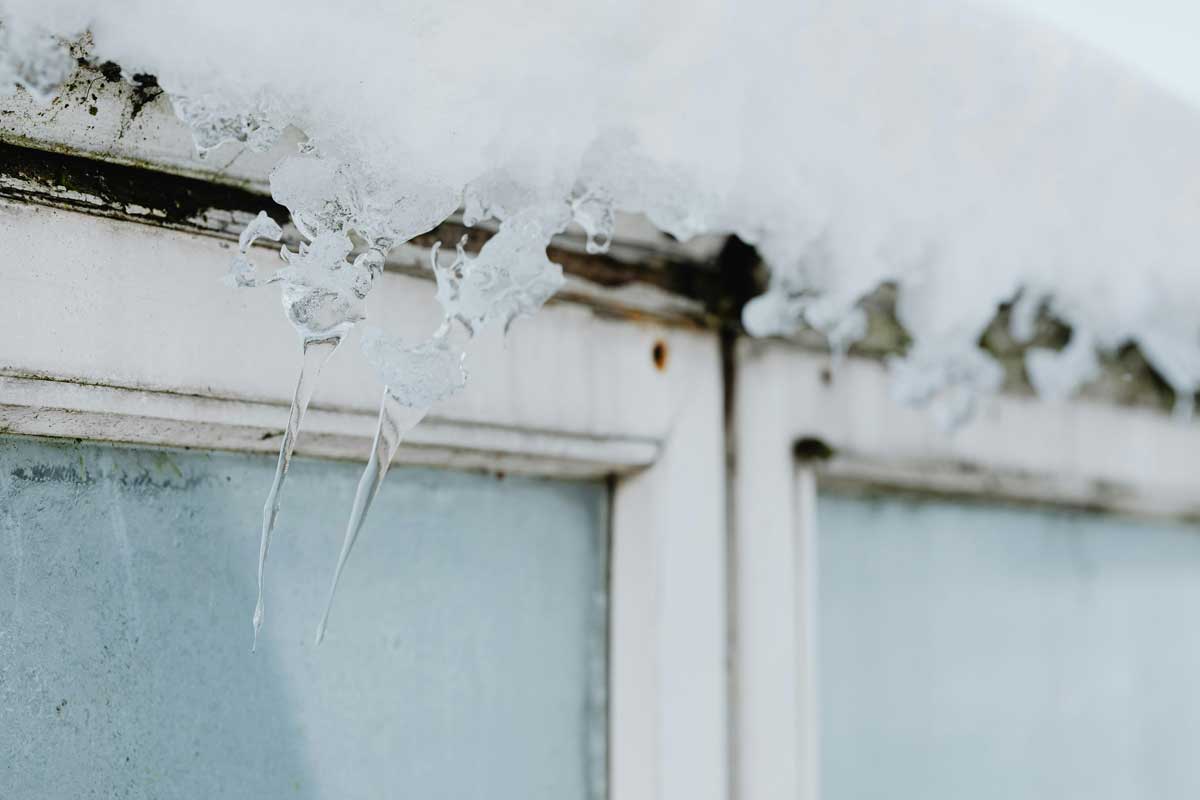
Michigan's freeze-thaw cycles, wind-driven rain, and UV exposure create specific durability demands for exterior cladding systems. Freeze-thaw cycling creates internal stress that cracks materials and loosens fasteners when trapped moisture expands. Wind-driven rain forces water behind panels at laps, seams, and fastener penetrations without proper flashing.
UV exposure causes cosmetic fading in vinyl and accelerates polymer degradation. Long-term UV exposure causes loss of polymer flexibility in vinyl, leading to cracking as material becomes brittle. Extreme cold makes vinyl more fragile and prone to breakage during handling and installation.
Freeze-thaw cycling creates internal stress that cracks materials and loosens fasteners when moisture penetrates cladding systems. Wind-driven rain forces water behind panels at laps, seams, and fastener penetrations without adequate flashing. UV exposure causes cosmetic fading in vinyl and degrades surface finishes on painted wood and fiber cement.
Temperature swings across Michigan's seasonal range stress all cladding systems through repeated expansion and contraction cycles.
Vinyl expands and contracts approximately one-half inch over a 12-foot panel across a 100°F temperature swing. Fiber cement can crack if it absorbs water that later freezes. Dark vinyl can warp from heat absorption without adequate ventilation behind panels.
Trapped moisture drives rot in wood siding and accelerates fastener corrosion in metal systems. Stucco and EIFS systems are not well-suited to freeze-thaw regions due to moisture infiltration. Fiber cement and metal systems generally tolerate freeze-thaw conditions well when properly fastened with appropriate expansion gaps. Vinyl vs. fiber cement in Michigan winters compares how each material holds up over a full freeze-thaw season.
Annual hose-down cleaning maintains vinyl siding appearance and removes accumulated dirt and mildew. Re-caulking fiber cement joints every 2-3 years prevents moisture infiltration at seams. Repainting field-painted fiber cement every 10-12 years maintains weather protection and appearance.
Factory-finished fiber cement requires repainting approximately every 15 years. Repainting or restaining wood siding every 5-10 years preserves substrate integrity. Regular maintenance extends service life and protects underlying sheathing from moisture damage and rot.
Vinyl siding lasts 20-40 years under typical conditions, with some manufacturers claiming up to 60 years. Fiber cement lasts 30-50 years, with claims extending to 50-100+ years under ideal maintenance and climate conditions. Engineered wood lasts 30-50 years, with some sources citing 100+ years under aggressive maintenance schedules.
Natural wood or cedar lasts 20-40 years, with ranges extending to 20-60 years when maintenance includes regular repainting. Manufactured stone veneer lasts 50-100 years due to its inorganic composition and resistance to moisture damage.
Table: Siding Lifespan and Warranty Coverage by Material
| Material | Typical Lifespan | Warranty Notes |
|---|---|---|
| Vinyl | 20-40 years (up to 60 claimed) | Lifetime warranties heavily prorated after 5-10 years; rarely includes labor |
| Fiber Cement (James Hardie) | 30-50 years (50-100+ claimed) | 30-yr non-prorated substrate warranty; 15-yr ColorPlus finish warranty covers original purchaser plus first transferee only |
| Engineered Wood (LP SmartSide) | 30-50 years (100+ claimed) | 50-yr limited substrate warranty |
| Natural Wood/Cedar | 20-40 years (20-60 with maintenance) | Varies by manufacturer; repainting required every 5-10 years |
| Manufactured Stone Veneer | 50-100 years | Varies by manufacturer |
Vinyl siding typically lasts 20-40 years, with upper-end claims reaching 60 years. Fiber cement lasts 30-50 years, with some manufacturers claiming 50-100+ years with proper maintenance. Engineered wood lasts 30-50 years, with aggressive maintenance extending lifespan claims to 100+ years.
Natural wood or cedar lasts 20-40 years, with diligent maintenance extending ranges to 20-60 years. Manufactured stone veneer lasts 50-100 years.
James Hardie offers a non-prorated substrate warranty of 30 years on fiber cement products. James Hardie ColorPlus finish warranty covers 15 years for factory-applied coatings. LP SmartSide provides a limited substrate warranty of 50 years on engineered wood products.
Vinyl lifetime warranties are heavily prorated after approximately 5-10 years, reducing coverage value. Non-prorated warranties maintain full replacement value throughout the coverage period. Why Southfield homeowners choose Hardie Board explains how its 30-year non-prorated warranty compares to vinyl's prorated coverage.
James Hardie ColorPlus finish warranty is limited to the original purchaser plus the first transferee only. CertainTeed Monogram lifetime warranty applies only to the original individual homeowner in single-family home applications. Vinyl warranties rarely include labor coverage, leaving homeowners responsible for installation costs during warranty claims.
Prorated warranties reduce coverage value annually, often declining steeply after the first 5-10 years. Non-prorated warranties maintain full replacement value throughout the coverage period. Warranty transferability affects resale value when buyers assume coverage for remaining term periods.
Fiber cement delivers the highest resale value recovery in the East North Central region at 101.2% of project cost. Vinyl siding recovers 80.4% of project cost at resale in the same region despite lower upfront expenses. National averages show vinyl recovering 96.5% and fiber cement recovering 113.7% of replacement costs at resale.
Manufactured stone veneer accents recover 190.6% of cost in the East North Central region when used selectively. Material selection should balance initial expense, maintenance requirements, and projected lifespan.
Table: Resale Value Recovery by Material (East North Central Region)
| Material | Regional ROI (East North Central) | National ROI |
|---|---|---|
| Fiber Cement | 101.2% | 113.7% |
| Vinyl | 80.4% | 96.5% |
| Manufactured Stone Veneer (accents) | 190.6% | — |
Fiber cement siding recovers 101.2% of cost at resale in the East North Central region compared to vinyl's 80.4%. National vinyl siding cost recovery averages 96.5%, while fiber cement reaches 113.7% nationally. Manufactured stone veneer accents recover 190.6% of cost regionally when applied to front facades.
Regional variations reflect buyer preferences and perceived value differences between material categories. Resale value recovery measures cost recouped at sale relative to initial project expense. Fiber cement's resale ROI in Southfield breaks down how these recovery rates translate into real home values.
Fiber cement delivers documented service life of 50+ years with limited repainting when properly maintained. Vinyl offers practical service windows of 15-30 years under typical Michigan climate exposure. Wood requires aggressive maintenance to reach effective lifespans of 10-20 years.
Fiber cement balances moderate upfront costs with minimal maintenance and superior resale value recovery. Vinyl provides the lowest initial expense but requires eventual replacement within typical homeowner ownership periods.
Michigan's freeze-thaw cycles favor materials that tolerate moisture expansion without cracking. Wind-driven rain requires proper flashing details and moisture barrier installation regardless of cladding material selection. UV exposure affects color retention and surface finish durability.
Market preferences in Metro Detroit favor fiber cement for its durability and resale value performance. Vinyl remains the most common choice statewide due to affordability and low maintenance requirements.
Successful siding replacement projects balance material performance, regional labor costs, and climate-specific durability requirements. Homeowners benefit from understanding per-square-foot pricing variations, seasonal labor fluctuations, and architectural complexity premiums when budgeting projects. Regional data from Metro Detroit and the East North Central region provides locally relevant benchmarks.
Material selection should prioritize climate resilience, maintenance requirements, and resale value recovery based on ownership timelines. Fiber cement delivers superior long-term value despite higher upfront costs, while vinyl offers immediate affordability for budget-conscious projects. Proper installation quality and weather-barrier detailing matter more than material selection alone for achieving projected lifespan and performance.
Michigan's construction market offers competitive pricing relative to national averages while maintaining quality standards. Understanding the interplay between material costs, labor rates, and climate demands helps homeowners make informed decisions that protect their investment. Siding replacement represents a high-ROI home improvement project that enhances curb appeal, energy efficiency, and weather protection.
Alexandria Home Solutions brings extensive experience in Michigan exterior remodeling, helping homeowners plan material selection, budgeting, and installation quality. Our team understands the specific demands Michigan weather places on siding systems and recommends solutions proven in regional climate conditions. We provide transparent pricing, detailed project planning, and quality workmanship backed by comprehensive warranties.
Getting an accurate number for your project starts with a free, no-pressure in-home consultation. Alexandria Home Solutions has served Southfield, Birmingham, Novi, Rochester Hills, Troy, Bloomfield Township, and the greater Metro Detroit area with more than 30 years of combined experience, and every estimate comes with transparent pricing and a written warranty on materials and labor. Call 248-277-5700 or request your free siding replacement quote online, and a licensed, insured member of our team will walk your home's exterior with you and outline options suited to your budget and Michigan's climate.
A 2,500-square-foot home in Michigan typically costs $10,000 to $37,500 for a full siding replacement, depending on material choice and project complexity. Vinyl sits at the lower end of that range, while fiber cement and upgraded profiles push costs higher. Metro Detroit homeowners can expect similar figures, with full replacement projects for average-sized homes typically running $12,000 to $20,000. A written quote from a licensed contractor is the only way to know your exact price, since home shape, prep work, and material grade all factor in.
Vinyl siding remains the most affordable option, installed for $3.00 to $12.00 per square foot, with most mid-range projects landing between $4.50 and $7.00 per square foot. It also carries the lowest resale value recovery of the common materials, at 80.4% in the East North Central region. Homeowners planning to sell within a shorter ownership window often choose vinyl for its lower upfront cost, while those staying longer weigh its shorter effective lifespan of 15 to 30 years in Michigan's climate against fiber cement's higher initial price. Aluminum siding offers an even lower entry point, at $2.00 to $8.00 per square foot installed.
Yes. Fiber cement recovers 101.2% of its project cost at resale in the East North Central region, meaning most homeowners recoup more than they spent. Vinyl recovers a lower but still meaningful 80.4% regionally, and manufactured stone veneer accents recover 190.6% of cost when used selectively on front facades. Beyond resale numbers, new siding improves curb appeal, weather protection, and energy efficiency, all factors that buyers and appraisers weigh into a home's value.
Project timelines depend on home size, material, and whether the crew removes existing siding down to the sheathing. June booking times in Michigan average about 6.5 weeks during peak season, so scheduling ahead matters for homeowners with a target date. Full tear-off adds time compared to installing over existing siding, since crews inspect and repair any hidden moisture or rot damage first. Off-season scheduling between November and February often means shorter wait times and lower labor rates.
Full tear-off costs $1,000 to $3,000 for an average home but lets installers inspect the sheathing for moisture damage or rot before the new material goes on. Installing over existing siding saves $1,500 to $3,000, though it risks trapping problems that shorten the new siding's lifespan. Most contractors recommend full tear-off for homes older than 30 years, since hidden damage becomes more likely with age. A licensed contractor can inspect your home's exterior during a free consultation and recommend the right approach for your situation.