Key Takeaways:
Picture windows and bay windows both promise brighter interiors, but they deliver that result through different architectural strategies. Picture windows offer a fixed, unobstructed glass surface that maximizes daylight in a single plane. Bay windows project outward from the façade, creating panoramic exposure and adding usable interior space at significantly higher cost.
Picture windows are single-pane fixed units designed to prioritize view and light without operational hardware. Bay windows are projecting assemblies that combine a central fixed panel with angled side units, adding dimension to both interior and exterior architecture.
A picture window is a fixed, non-operable window that maximizes glass area by eliminating moving parts. Picture windows remain relatively affordable because they have no moving hardware, which reduces both material cost and installation complexity. However, picture windows provide no ventilation capability, making them unsuitable where airflow or emergency egress is required. Picture windows Michigan homeowners install are often used in living rooms, stairwells, and focal façades where daylight and scenic views outweigh the need for operable sashes.
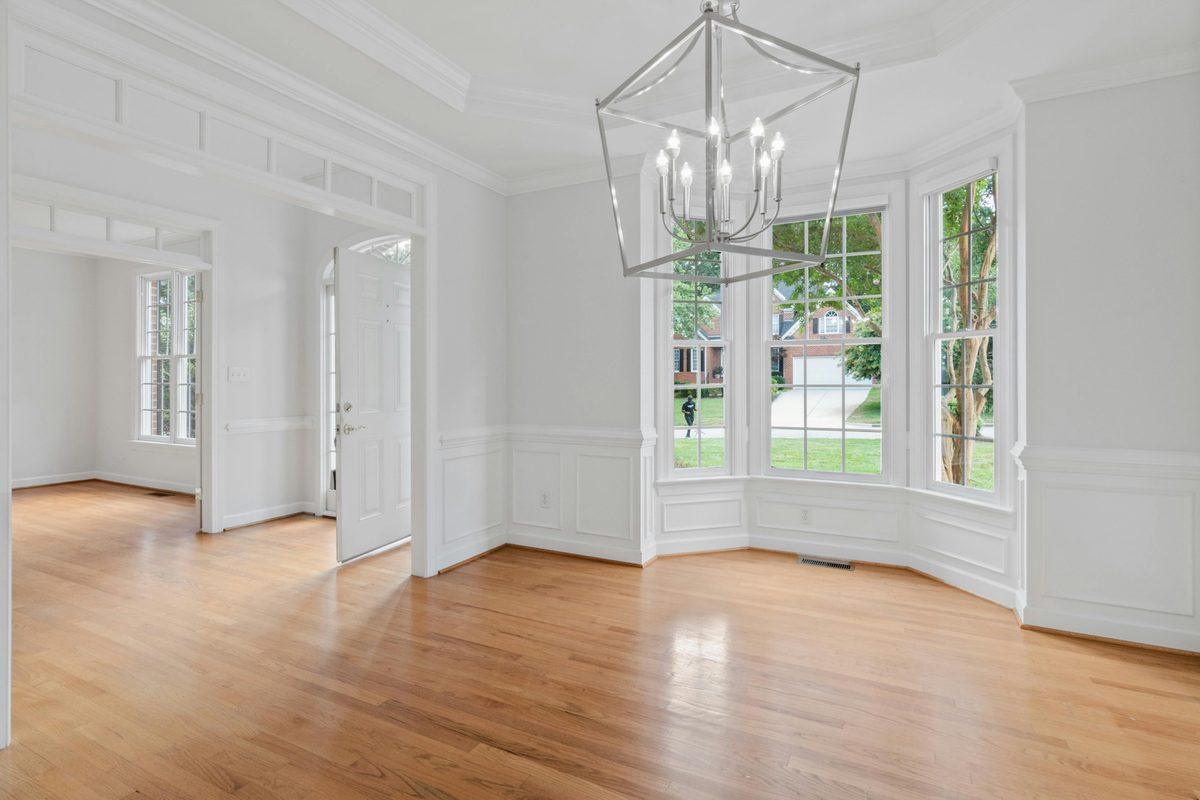
A bay window is a projecting multi-panel assembly with a central fixed unit and side units that angle outward. Bay windows cost most because they are architectural assemblies rather than standard replacements, requiring custom fabrication and structural support. Bay windows have more complex installation and flashing requirements than flat replacement windows, often involving roof integration and framing adjustments.
Bay windows require project-specific structural considerations, including support brackets, interior finish work, and exterior weatherproofing that standard flat windows do not demand.
Picture windows sit flush with the wall plane and function as transparent panels within the existing opening. Bay windows project three-dimensionally from the façade, creating an interior niche and altering the home's exterior profile simultaneously.
Picture windows deliver superior light transmission per dollar because their single-plane design maximizes unobstructed glass area. Bay windows capture light from multiple angles but introduce structural divisions and angled surfaces that slightly reduce the effective aperture per unit of wall opening.
Picture windows maximize natural light by offering the largest uninterrupted glass surface within a given wall opening. Natural light windows function most efficiently when glazing area is maximized and frame interference is minimized, which picture windows achieve through fixed construction. Bay windows provide excellent multi-directional light but introduce frame mullions and angled side panels that segment the view. The best large window type Michigan homeowners choose depends on whether single-plane clarity or panoramic exposure matters more for the specific room.
Picture windows provide zero ventilation because they are sealed fixed units with no operable components. Bay windows can offer partial ventilation if side panels are specified as operable casement or double-hung units rather than fixed glass. Ventilation performance in bay windows depends entirely on the side-unit configuration and hinge or sash operation quality. Homeowners prioritizing airflow should evaluate side-unit specifications before assuming a bay window will deliver meaningful ventilation compared to dedicated operable windows elsewhere.
Energy efficiency depends more on glazing technology than window style, with 83% of respondents rating ENERGY STAR-rated windows as essential or desirable. Additionally, 77% rated triple-pane glass essential or desirable, while 67% rated Low-E insulating glass essential or desirable. Fixed picture windows can achieve excellent airtightness because they have no moving seals, while bay windows depend on assembly quality and side-unit weatherstripping. Efficiency data shows 84% of window shoppers said energy efficiency was a top priority, and 36% cited energy efficiency as the replacement trigger.
Picture windows typically cost around USD 419 installed, while bay windows range from USD 791 to USD 886 installed. The cost gap reflects structural complexity, fabrication precision, and labor intensity rather than material quality alone.
Picture window average cost is USD 419, positioning it as an affordable option for homeowners seeking light without architectural complexity. Bay and bow window average cost ranges from USD 791 to USD 886, making it nearly double the picture-window baseline. The average replacement window cost is USD 477 per unit, with a typical installed range of USD 395 to USD 631 per window. Bay windows exceed this range because they function as custom architectural features requiring engineered support and multi-panel coordination.
Insert installation takes about one hour per small-to-average window with a two-person crew under standard conditions. Full-frame replacement can take several hours for one opening depending on hidden rot, structural adjustments, and exterior trim requirements. Daily throughput is roughly eight insert windows per day under favorable conditions, but bay windows reduce that pace substantially. Window replacement prep can accelerate timelines by clearing furniture, ensuring exterior access, and staging materials before the crew arrives.
Vinyl offers low price and low upkeep but lower rigidity than premium materials, making it common in budget-conscious replacements. Wood provides warm aesthetic and strong insulation but requires more maintenance, especially in Michigan's humidity and freeze-thaw cycles. Fiberglass offers stability, durability, and efficiency but at higher upfront cost than vinyl or composite alternatives.
Aluminum provides strength and slim sightlines but lower thermal performance unless thermally broken, with the DOE confirming that vinyl, wood, fiberglass, and composites offer better thermal resistance than metal.
Picture windows contribute to home value through improved energy performance and modern appearance without adding architectural risk. Bay windows enhance curb appeal and interior character but deliver less predictable resale returns because their value depends on neighborhood expectations and buyer taste.
Standard replacement-window projects recoup 70-76% of cost at resale, providing a measurable and broadly applicable return benchmark. Picture windows align with this range because they function as straightforward efficiency and aesthetic upgrades that appeal to most buyers. Transform your home outcomes improve when replacement projects address both performance deficiencies and visual appeal simultaneously, as picture windows typically do.
Bay and bow windows add light and space while creating a premium exterior statement that can elevate perceived home quality. Bay windows influence curb appeal more strongly than picture windows because they alter the home's three-dimensional profile and signal custom investment. However, window value increase from bay installations is more design-dependent and may not resonate with all buyers in every neighborhood.
Premium styles provide measurable ROI when the home's architecture, neighborhood character, and buyer expectations align with elevated finishes. Bay windows deliver strongest value in established suburban markets where architectural detail commands pricing premiums and competition includes similar upgrades. Picture windows offer safer ROI in volume replacement scenarios where performance and broad appeal matter more than dramatic architectural gestures.
Homeowners should choose picture windows when budget discipline, light maximization, and energy performance outweigh the desire for spatial drama. Bay windows make sense when curb appeal, interior niche space, and panoramic views justify the higher cost and structural commitment.
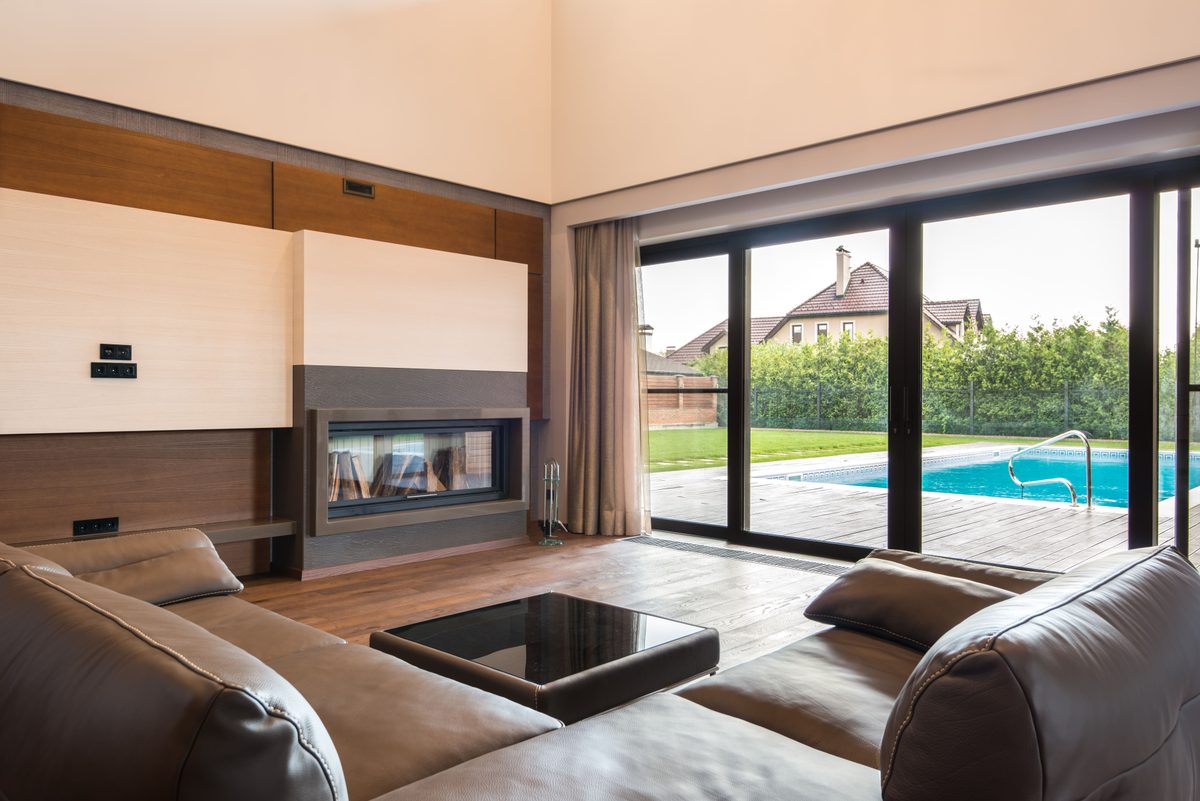
Living rooms with scenic views benefit most from picture windows because unobstructed glass maximizes the visual connection to the landscape. Stairwells and hallways also favor picture windows because these spaces rarely require ventilation but benefit from natural light distribution. Focal façades where architectural simplicity and modern clarity are desired work well with large picture windows that become design anchors.
Windows installation Southfield projects often center on picture windows in high-visibility living areas to enhance both interior brightness and exterior curb appeal.
Front-facing rooms where curb appeal and interior character matter more than cost efficiency benefit most from bay windows. Breakfast nooks and reading areas gain usable interior space from the projected bay structure, creating functional niches without expanding the home's footprint. Homes in established neighborhoods where architectural detail commands market premiums see stronger returns from bay window installations than homes in cost-sensitive subdivisions.
Windows installation Bloomfield Township often includes bay window upgrades in higher-value properties where design investment aligns with buyer expectations.
Budget constraints typically favor picture windows because they deliver light and efficiency without the structural and fabrication premiums associated with bay assemblies. Design priorities shift the calculation when homeowners prioritize architectural drama, interior spatial gain, and premium curb appeal over strict cost discipline. Bay window economics are more project-specific and design-dependent, requiring homeowners to evaluate whether the premium justifies the lifestyle and resale benefits in their specific context.
Michigan homeowners should consider that older housing stock, climate demands, and ownership rates create sustained replacement demand despite market cyclicality. Replacement timelines depend on product complexity, with standard insert windows completing quickly while bay windows require extended fabrication and installation schedules.
Michigan's owner-occupied housing rate is 73.2%, creating a large addressable base of decision-makers with direct investment incentives. Additionally, 47% of Michigan housing units were built before 1970, indicating widespread need for thermal upgrades and aesthetic modernization. Michigan median household income is USD 72,875, supporting mid-market replacement spending, though 38% of Michigan households struggle to afford basic necessities, making financing and lifecycle cost messaging critical.
Measure and order represents the initial planning and specification stage, where accurate dimensions and product selection determine downstream success. Manufacturing and delivery usually take a few weeks, with longer lead times for custom products like bay windows that require engineered fabrication. Site preparation involves clearing furniture, ensuring exterior access, protecting fragile items, and staging space for efficient crew operation. Final inspection confirms operation, seals, finish quality, and addresses any punch-list items before project closeout and warranty activation.
The U.S. window and door market reached USD 25.9 billion in 2024 and is projected to reach USD 34.4 billion by 2032. Market CAGR ranges from 3.6% to 3.8%, indicating steady but moderate growth across the replacement and new-construction segments. Replacement demand fell 8% in 2023 and was expected to decline another 5% in 2024, reflecting broader remodeling slowdowns after post-pandemic spending surges.
Maximizing your ROI through window replacement depends on aligning project timing with market conditions and choosing styles that deliver measurable performance and resale benefits.
Picture and bay windows represent specialized choices within a broader replacement strategy that often centers on single-hung or sliding windows for volume work. Homeowners typically allocate picture or bay windows to high-impact rooms while using standard operable styles elsewhere to balance cost and functionality.
Single and double-hung windows held 49.0% market share in 2023, confirming their role as the mainstream replacement standard. Single-hung average cost is USD 397, making it the budget anchor for whole-home projects, while sliding window average cost is USD 507. Sliding windows usually win on usability and spatial fit in wide openings, while single-hung windows usually win on cost discipline and conventional appeal.
Picture windows occupy a middle cost position but eliminate ventilation, and bay windows command premium pricing while adding architectural dimension.
Millennials spent an average of USD 14,199 on home projects in 2025, leading generational spending, while Gen X spent an average of USD 12,956. Nearly half of Millennial homeowners plan to increase home-improvement spending, indicating sustained demand from younger ownership cohorts entering peak earning years. Replacement triggers remain practical, with 29% citing damage and 12% citing moisture issues as primary motivations beyond energy efficiency.
Consumer priorities therefore blend performance necessity with lifestyle improvement, making window selection a decision that balances immediate functional needs against long-term value and comfort goals.
Homeowners can balance competing priorities by allocating budget strategically across window types based on room-specific needs rather than uniform product selection. High-visibility and high-use rooms justify premium styles like bay windows where architectural impact and spatial gain deliver measurable lifestyle benefits. Secondary bedrooms and utility spaces perform well with cost-effective single-hung or picture windows that prioritize efficiency over drama.
Energy performance should remain consistent across all selections through ENERGY STAR certification and Low-E glazing, ensuring that cost discipline does not compromise thermal comfort or long-term utility savings.
Picture windows deliver maximum light and efficiency at accessible cost when ventilation is not required. Bay windows create architectural drama and interior space gain but demand higher investment and project-specific structural planning. Michigan homeowners benefit most when they match window style to room function, budget reality, and long-term value priorities rather than pursuing aesthetic uniformity across the entire home.
Alexandria Home Solutions helps Michigan homeowners navigate window replacement decisions by balancing performance requirements with design aspirations and budget constraints. Whether maximizing natural light through picture windows or enhancing curb appeal with bay installations, professional guidance ensures selections align with lifestyle needs and long-term home value.
Ready to explore which window style fits your home best? Contact Alexandria Home Solutions for a free consultation and discover how the right windows can transform your living spaces while protecting your investment.