Replacing a roof in Michigan involves more than selecting shingles and scheduling a crew. Homeowners must understand permit requirements, material options, ventilation systems, and seasonal timing to ensure successful completion. Michigan's climate extremes and regulatory landscape create unique challenges directly impacting roof replacement cost, longevity, and legal compliance.
Roofing material selection determines upfront investment, long-term durability, and maintenance requirements. The three primary categories—asphalt shingles, metal roofing, and tile or slate—each offer distinct advantages suited to different budgets and performance expectations. Understanding how these materials perform in Michigan's harsh weather helps homeowners make informed decisions balancing cost against lifespan.
Asphalt roofing accounts for approximately 73% of U.S. residential installations due to affordability and ease of installation. Homeowners choose between basic 3-tab shingles or upgraded architectural shingles, also called dimensional shingles, which provide enhanced depth and texture. Approximately 90% of homeowners correctly identify asphalt as the most common roofing material.
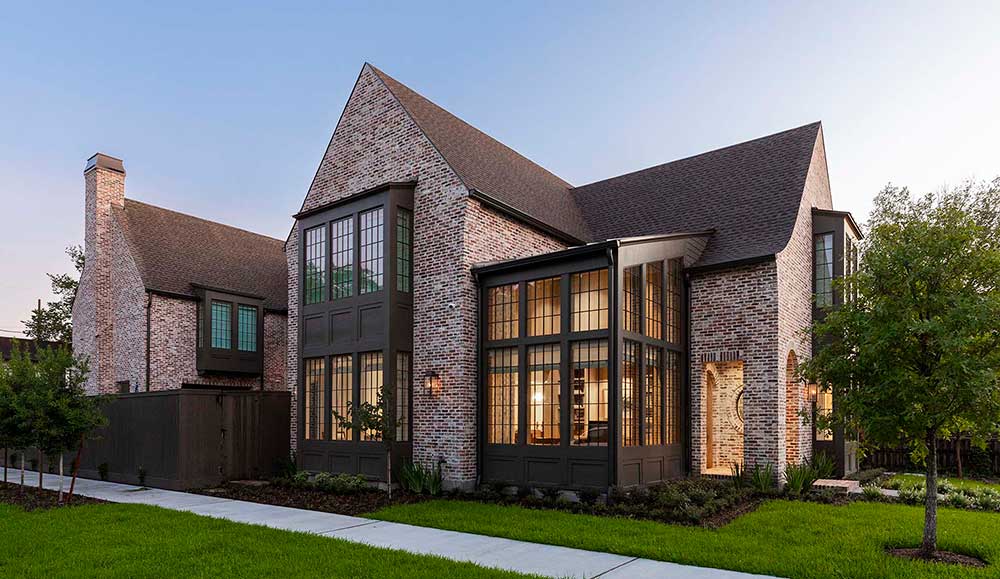
Asphalt shingles typically last 15 to 30 years depending on grade and climate exposure. Installation costs range from $3.50 to $5.00 per square foot for 3-tab versions and $4.00 to $8.50 for architectural options. This material offers immediate cost savings but requires more frequent replacement than premium alternatives, making lifecycle cost evaluation essential.
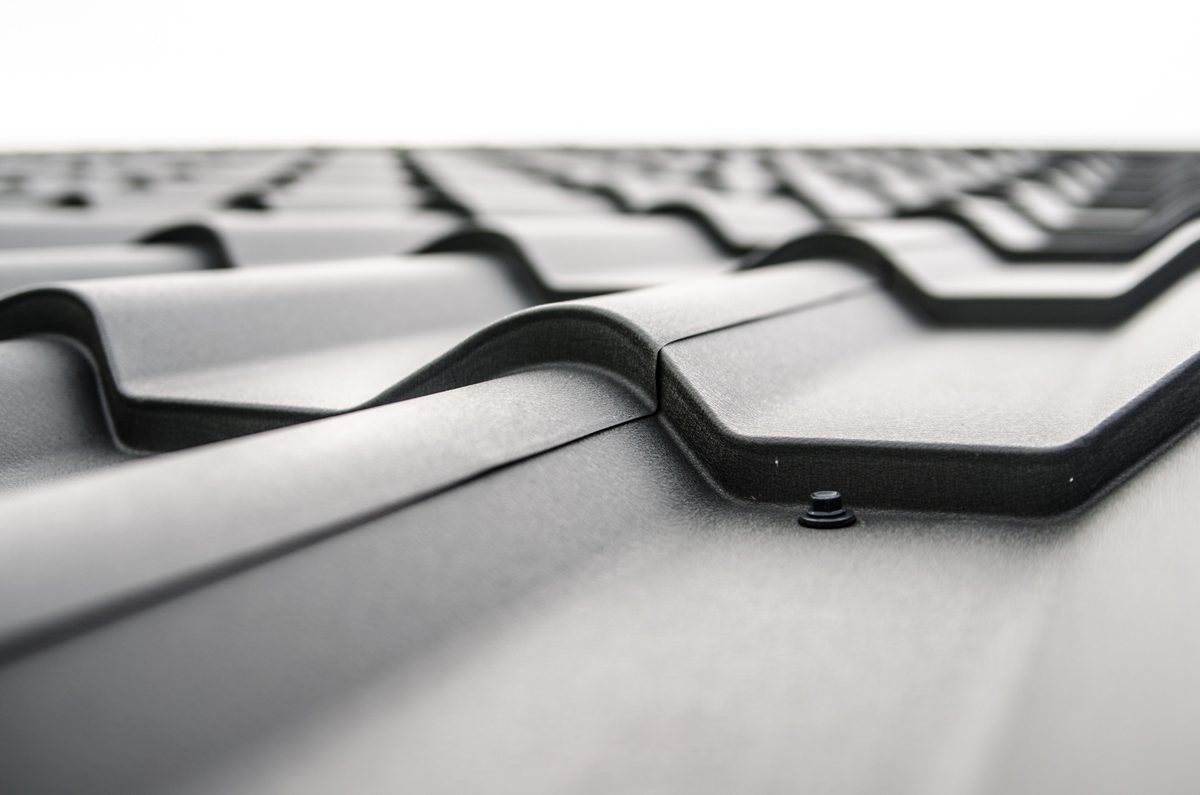
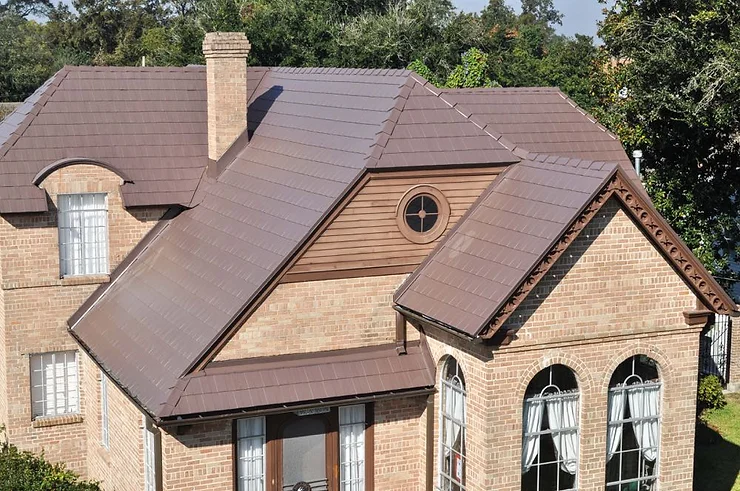
Metal roofing currently holds about 17% market share and continues growing as homeowners prioritize longevity and fire resistance. Standing seam metal roofing features concealed fasteners that create clean lines and reduce leak potential, while 5V crimp or corrugated options use exposed fasteners for lower installation costs. Available materials include steel, aluminum, and premium copper, each offering distinct aesthetic and performance characteristics.
Metal roofing delivers 40 to 70+ year lifespans, significantly outlasting asphalt despite higher initial investment. Installation costs range from $7.00 to $23.00 per square foot, depending on material and profile selection. Metal roofing has potential for noise during heavy rain if not properly insulated, though adding insulation during installation effectively mitigates this concern.
Tile and slate represent approximately 6% combined market share, serving premium residential applications requiring exceptional longevity. These materials require reinforced roof framing due to immense weight, often necessitating a structural engineering assessment. Concrete tile, clay tile, and natural slate each offer distinct aesthetic appeal and can last 50 to 200+ years when properly maintained.
Premium roofing options like tile and slate command $7.00 to $35.00+ per square foot installed, reflecting durability and specialized installation requirements. These materials provide fireproof protection and timeless visual appeal, often outlasting the building structure itself. Homeowners selecting these options prioritize long-term value and architectural distinction over initial costs.
Proper attic ventilation protects roofing materials from premature failure by controlling temperature and moisture within the attic space. A new roof installed over a poorly ventilated attic will suffer shortened lifespan, potentially voiding manufacturer warranties. Balanced ventilation systems prevent winter moisture accumulation and summer heat buildup, extending material longevity and reducing energy costs.
Ridge vents run continuously along the roof peak, providing even exhaust ventilation with minimal visual impact. Soffit vents are installed under eaves at the lowest roof point, allowing cool air to enter and create natural convection. Box vents, also called louvers, are static vents installed near the ridge that exhaust hot air through multiple roof penetrations.
Powered attic fans are electric or solar-powered fans that actively pull air out at higher volumes than passive systems. Drip edge vents are used on homes with little or no overhang, integrating intake ventilation directly into the roof edge. Each ventilation type serves specific architectural needs and climate considerations unique to Michigan homes.
A balanced system utilizes both intake vents, bringing cool air in, and exhaust vents letting hot, moist air out. This continuous air exchange prevents condensation that rots roof decking and shortens shingle lifespan in Michigan's humid summers and freezing winters. Poor ventilation may void the manufacturer's warranty, leaving homeowners financially responsible for premature material failure.
Even the best roofing materials will fail prematurely without proper installation and adequate ventilation. Powered attic fans can pull weather in through ridge vents instead of drawing air from soffits when mixed with ridge vents. This improper configuration defeats the balanced system, emphasizing the importance of professional ventilation design during roof replacement planning.
Ridge vents have 65% adoption rate among Michigan homes due to their continuous, low-profile design and effective exhaust performance. Soffit vents have 70% adoption rate, serving as the critical intake component in balanced systems. Homeowners should calculate and install a balanced intake/exhaust ventilation system matching their attic's cubic footage and roof pitch.
Box vents require multiple penetrations in the roof deck, creating additional potential leak points compared to continuous ridge systems. Professional roof prep in Michigan includes evaluating existing ventilation adequacy and recommending upgrades during replacement to protect the new investment. Properly designed ventilation reduces energy costs while extending roof lifespan, delivering measurable return on investment.
Michigan's regulatory framework governs roof replacement projects to ensure structural safety, proper installation, and building code compliance. Understanding roof replacement permits and licensing requirements prevents project delays, fines, and potential insurance complications. The state's adoption of current building codes reflects evolving construction standards protecting homeowners from substandard work.
A residential building permit is required for all full roof replacement projects across most Michigan municipalities, including Grand Rapids, Farmington Hills, and Highland Park. This ensures inspectors verify proper installation techniques, adequate ventilation, and code-compliant materials before completion. Ordinary repairs, such as replacing a few blown-off shingles, do not require a permit in Michigan, distinguishing maintenance from full replacement.
Michigan adopted the 2021 editions of building codes effective January 1, 2024, updating construction standards statewide. These updated codes incorporate modern fire safety requirements, wind resistance standards, and energy efficiency provisions. Homeowners should verify specific requirements with their local building department, as some municipalities impose additional regulations beyond state minimums.
Any work involving structural changes, load-bearing modifications, or replacing more than four sheets of roof decking strictly requires a permit. These provisions protect homeowners from inadequate structural support that could lead to roof collapse or premature failure. Contractors proposing structural work without obtaining proper permits expose homeowners to liability and code enforcement actions.
Permit applications typically require detailed project plans, material specifications, and contractor licensing verification before approval. Building inspectors conduct multiple site visits during installation to verify code compliance at critical construction phases. This oversight ensures homeowners receive work meeting minimum safety and quality standards established by state regulations.
Roofing contractors in Michigan must hold a residential builder or maintenance and alteration contractor license issued by LARA. This licensing ensures contractors demonstrate minimum competency, carry required insurance, and maintain accountability for their work. Understanding contractor qualifications protects homeowners from unlicensed operators who cannot legally obtain permits or provide warranty protection.
Licensed contractors understand Michigan building codes, proper installation techniques, and safety protocols required for residential roofing work. Homeowners should verify active licensing status before signing contracts, as unlicensed work may void insurance coverage. Proper licensing also enables legal recourse if workmanship issues arise after completion.
Michigan's four-season climate creates distinct advantages and challenges for roof replacement scheduling. Temperature extremes, precipitation patterns, and seasonal demand fluctuations directly impact installation quality, project costs, and contractor availability. Understanding the Michigan roofing timeline helps homeowners schedule projects during optimal weather windows while avoiding peak pricing periods.
Late spring through early fall is peak roofing season in Michigan, offering ideal temperature ranges for proper shingle adhesion and sealant curing. Moderate weather allows installers to work efficiently without weather delays extending timelines. Temperatures between 45°F and 85°F provide optimal conditions for material handling and installation quality.
Scheduling during shoulder seasons like late spring or early fall often provides better contractor availability than peak summer months. These periods balance favorable weather with reduced demand, potentially offering cost advantages. Seasonal preparation strategies help homeowners plan projects around Michigan's weather patterns for optimal results.
Shingles can become brittle in freezing temperatures during winter installation, increasing breakage risk and complicating proper sealing. Cold weather prevents asphalt adhesive strips from bonding correctly, requiring manual sealing and potentially compromising long-term performance. However, emergency replacements due to ice dam damage or severe leaks sometimes necessitate winter work despite these challenges.
Winter installations require specialized techniques, including heated storage for materials and accelerated adhesive products for proper bonding. Contractors may charge premium rates for cold-weather work reflecting additional labor and material costs. Homeowners should budget 10-20% higher for winter emergency replacements compared to seasonal installations.
Summer has the highest demand, often resulting in longer wait times and premium pricing as contractors manage full schedules. Peak season booking may require 4-8 week lead times before project commencement in competitive markets. Contractors operating at capacity have less scheduling flexibility and may maintain firm pricing without seasonal discounts.
Off-season scheduling during late fall or early spring can reduce costs by 5-15% as contractors seek to maintain crew employment. Reduced demand creates negotiating opportunities for homeowners with flexible timing who can accommodate weather-dependent scheduling. Material suppliers may also offer seasonal promotions that contractors pass through during slower periods.
Understanding homeowner demographics and priorities reveals important trends shaping Michigan's residential roofing market. Generational differences in buying power, decision criteria, and spending patterns influence material selection and project scope. These demographic insights help homeowners recognize their priorities within broader market trends.
Baby Boomers represent 41% of homeowners as of 2026, constituting the largest segment with substantial home equity and replacement needs. Millennials hold 25% of homeowner inventory, increasingly facing first-time roof replacement decisions as their homes age. Generation X contributes 18% of homeowners, while the Silent Generation accounts for roughly 15%, approaching final roof replacements.
The median age for buying a first home has reached 40 years old, delaying homeownership and concentrating purchasing power among established professionals. This demographic shift means first-time roof replacements increasingly involve homeowners with financial resources and quality expectations. Generational preferences for sustainability, energy efficiency, and low maintenance influence material selection across age cohorts.
Durability and longevity rank as primary decision factors as homeowners evaluate total lifecycle costs rather than initial prices alone. Energy efficiency considerations drive interest in reflective coatings, ventilation upgrades, and insulation improvements during roof replacement projects. One in five Millennials spends more than $5,000 annually on home projects, demonstrating a willingness to invest in quality upgrades.
Cost remains important but increasingly balanced against warranty protection, material lifespan, and energy savings potential. Regulatory compliance and insurance requirements ensure selected materials meet local code standards and maintain coverage eligibility. Installation timeline and contractor reputation influence final selection, particularly among busy professionals lacking time for extended oversight.
Approximately 42% of homeowners express interest in reflective or cool roofing options that reduce summer cooling costs through solar reflection. These energy-efficient options appeal particularly to environmentally conscious buyers and those seeking utility bill reduction. Consumers willing to pay a 10-15% premium for eco-friendly materials demonstrate a growing market segment prioritizing sustainability over pure cost minimization.
Premium material adoption increases among affluent homeowners valuing aesthetic distinction and minimal maintenance over lifecycle cost optimization. Budget-conscious buyers focus on maximizing lifespan per dollar spent, often selecting mid-grade architectural shingles over basic 3-tab options. Financing considerations influence material selection as homeowners balance upfront costs against monthly payment affordability.
Proper preparation prevents common pitfalls that delay projects, increase costs, and compromise installation quality. Understanding typical issues in Michigan homes allows homeowners to budget appropriately and select qualified contractors. Thorough preparation protects both immediate project success and long-term roof performance.
It is common to find rotted or non-compliant roof decking in older Michigan homes once old shingles are removed. Hidden damage from poor ventilation, ice dams, or roof leaks often remains invisible until tear-off exposes underlying issues. Homeowners should budget for replacement of several sheets of decking in older Michigan homes to avoid project delays and budget overruns.
Contractors typically identify decking issues during tear-off and require immediate approval for replacement before installation proceeds. Quality contractors photograph damaged areas and explain necessary repairs before proceeding. Including 10-15% contingency in project budgets accommodates decking replacement without financial stress.
Roofing remains one of the top five most hazardous occupations, requiring specialized safety equipment and fall protection training. Homeowners should seek contractors with manufacturer certifications that demonstrate advanced installation knowledge and quality commitment. Ensuring contractor has robust safety program protects workers and limits homeowner liability exposure.
Homeowners must verify contractor carries adequate workers' compensation covering all crew members throughout the project duration. Contractors should confirm adherence to OSHA fall protection standards including harness systems and proper scaffolding when working at heights. Professional installation backed by comprehensive insurance and safety programs protects homeowners from liability while ensuring quality workmanship.
Ventilation assessment should occur during initial project planning before material selection and contract signing to ensure adequate budget allocation. Professional contractors calculate required ventilation using attic cubic footage, roof pitch, and climate zone specifications. Comprehensive home maintenance planning includes ventilation as critical component protecting multiple building systems beyond roofing.
Inadequate ventilation voids manufacturer warranties and accelerates material degradation through moisture accumulation and excessive heat exposure. Contractors should provide detailed ventilation plans showing intake and exhaust placement for balanced airflow throughout attic space. Proper ventilation design requires expertise and should factor into contractor selection criteria alongside installation experience.
Roof replacement cost varies significantly based on material selection, home size, architectural complexity, and regional labor rates. Understanding price ranges and lifespan expectations enables accurate lifecycle cost comparison between options. Michigan homeowners should evaluate total investment including potential ventilation upgrades, decking replacement, and permit fees.
The 3-tab asphalt price range runs $3.50 to $5.00 per square foot for basic residential installations. Architectural asphalt price range spans $4.00 to $8.50 per square foot, reflecting enhanced durability and aesthetic appeal. 5V metal with exposed fasteners costs $7.00 to $19.00 per square foot, depending on material gauge and finish quality.
The standing seam metal price range extends from $10.00 to $23.00 per square foot for premium concealed-fastener systems offering maximum longevity. Concrete tile price range covers $7.00 to $19.00 per square foot for heavyweight installations requiring structural reinforcement. Natural slate commands premium pricing due to material cost, specialized installation requirements, and exceptional lifespan.
Asphalt shingles' lifespan ranges from 15 to 30 years, requiring replacement two to four times during typical homeownership periods. Metal roofing lifespan extends 40 to 70+ years, potentially serving as the final roof installation for many homeowners. Tile and slate lifespan spans 50 to 200+ years, often outlasting building structures and transferring value through multiple ownership generations.
Lifecycle cost analysis divides the total installed cost by the expected lifespan years to determine annual ownership expense per material type. Premium materials with higher initial costs often deliver lower annual costs when lifespan advantages are properly calculated. This analysis helps homeowners justify upfront investment by demonstrating the long-term financial advantages of durable material selection.
Asphalt shingles typically installed cost ranges from $350 to $850 per square, including tear-off, disposal, and standard underlayment installation. Metal roofing's typical installed cost spans $700 to $2,300 per square, reflecting material premium and specialized installation requirements. The cost to install tile and slate typically extends from $700 to $3,500+ per square, including necessary structural reinforcement.
Total project costs multiply per-square pricing by roof size measured in squares, with each square equaling 100 square feet. Additional costs include permit fees ($100-$500), ventilation upgrades ($500-$2,000), and potential decking replacement ($3-$8 per square foot). Homeowners should obtain detailed written estimates from multiple licensed contractors before making final decisions.
Successful roof replacement requires integrating material selection, ventilation design, permit compliance, and contractor qualification into comprehensive planning. Michigan's climate extremes demand durable materials properly installed with adequate ventilation, protecting long-term performance. Homeowners who understand regulatory requirements, seasonal timing considerations, and cost factors make informed decisions supporting home value and protection.
Professional installation by licensed contractors ensures code compliance, proper warranty coverage, and quality workmanship, protecting substantial roof replacement investments. Balanced ventilation systems prevent premature material failure while reducing energy costs throughout the roof's service life. Planning ahead for potential decking replacement and structural requirements prevents budget surprises during execution.
Michigan's permit requirements, ventilation rules, and seasonal windows leave little room for guesswork. Alexandria Home Solutions serves homeowners across Southfield, Birmingham, Novi, Rochester Hills, Troy, and Bloomfield Township with licensed, insured roofing services and a no-pressure consultation process. You get transparent pricing, strong warranties on both materials and labor, and a team that handles the entire project from permit to final cleanup. Contact us to schedule your free in-home estimate today to get started.