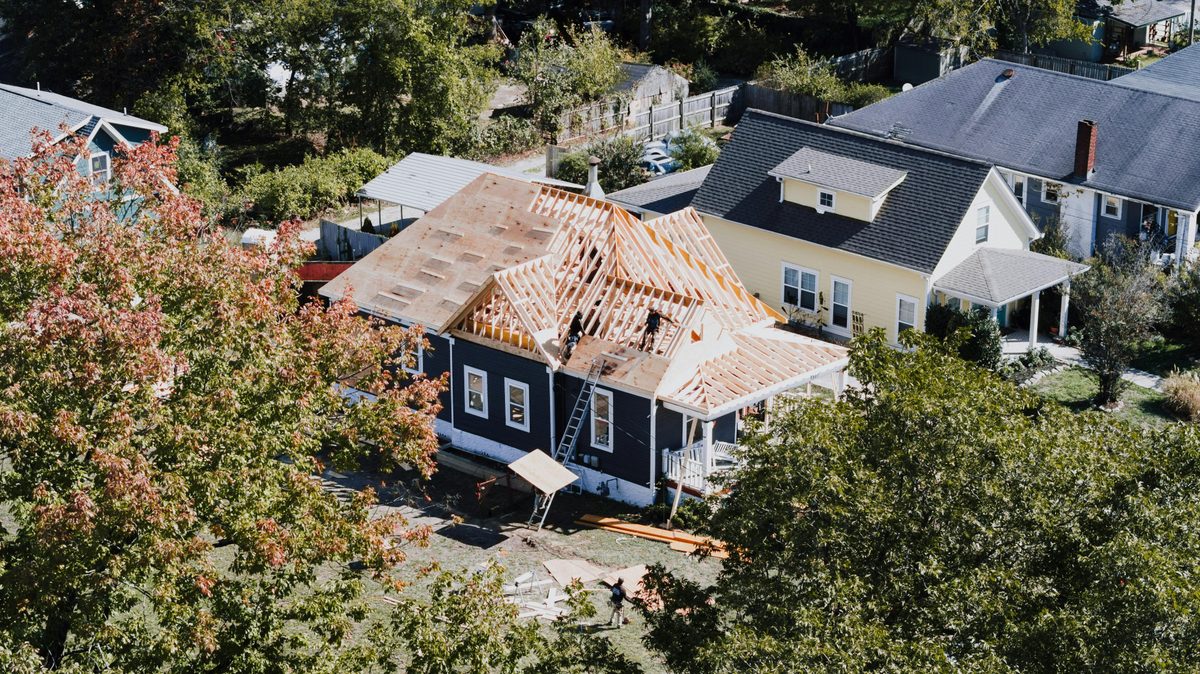
Choosing a roofing contractor in Michigan requires homeowners to balance trust, performance, and cost in a market where credentials matter more than bargain pricing. Michigan's roofing industry reached $2.6 billion in 2026, supported by 2,086 businesses and an aging housing stock where 47% of homes were built before 1970.
That combination creates abundant options and significant variation in contractor quality, making informed selection essential for long-term roof performance.
A roofing contractor manages design, installation, repair, and replacement of residential and commercial roofing systems, coordinating material selection, labor crews, safety compliance, and warranty administration. In Michigan, freeze-thaw cycles and snow loads accelerate wear, making contractor expertise directly affect roof lifespan and home protection.
The state's roofing industry grew 7.4% annually from 2021 to 2026, reflecting strong replacement demand. Michigan's 4.67 million housing units include 3.2 million single-family homes. Contractors must navigate local building codes, climate-specific underlayment requirements, and ice-dam prevention standards that differ from warmer regions.
Roofing contractors deliver installation, tear-off, repair, inspection, ventilation upgrades, and emergency storm response. Full-service firms also handle gutter replacement, decking repair, flashing installation, and attic insulation coordination.
Michigan's 2,086 roofing businesses range from owner-operator firms to regional companies with manufacturer certifications. Larger contractors provide extended workmanship warranties and direct manufacturer relationships supporting product availability during high-demand seasons. Smaller firms may offer faster scheduling and personalized service but carry narrower material inventories.
Michigan's climate demands roofing systems engineered for heavy snow, ice dams, wind-driven rain, and rapid temperature swings. Winter snow loads exceed 30 pounds per square foot in northern counties, requiring proper decking support and ventilation. Ice dams form when heat escapes through inadequate insulation, causing meltwater to refreeze at eaves and back up under shingles.
Freeze-thaw cycles accelerate shingle granule loss and sealant degradation. Contractors must specify cold-climate-rated underlayment, install ice-and-water barriers along eaves and valleys, and ensure adequate attic ventilation to prevent condensation. These climate-specific requirements separate competent Michigan contractors from those applying generic installation practices.
Asphalt shingles account for 69% of Michigan residential roofs, with architectural and laminated formats holding 57.78% of the asphalt shingles market. 3-tab asphalt shingles feature flat profiles created by single-layer fiberglass mats coated with asphalt and ceramic granules. Their uniform pattern and lower weight make them the cheapest upfront option, though shorter lifespan limits long-term value.
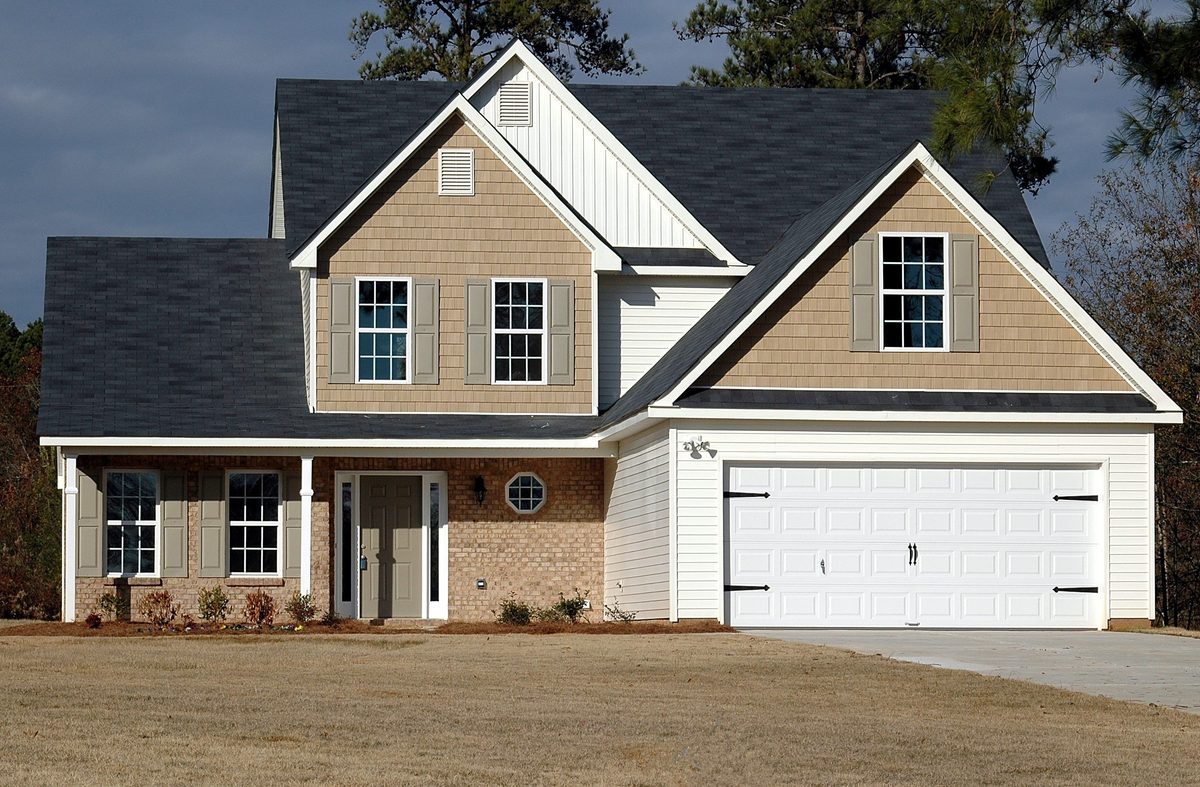
Architectural shingles use laminated multi-layer fiberglass-asphalt construction with thicker profiles creating dimensional shadow lines resembling wood shakes. These products typically last 30 to 50 years and dominate new-construction and replacement markets. Homeowners also specify metal roofing for durability and snow-shedding performance, though asphalt remains the volume leader due to lower installed cost.
Your choice of a roofing contractor should prioritize reputation, licensing, transparent pricing, safety records, and warranty clarity over lowest bid alone. Survey data shows 92% of homeowners are more likely to choose a contractor with an outstanding reputation and reliable track record. Price matters, but only 76% cite lowest pricing as a decision driver, ranking below trust and professionalism.
Contractor selection involves verifying credentials, reviewing written quotes, checking safety compliance, and confirming product availability before signing agreements. Homeowners who rush decisions based on urgency or limited-time offers face incomplete scopes, hidden fees, and substandard workmanship.
Reputation and licensing form the foundation of contractor trustworthiness, with 92% of homeowners prioritizing reputation and 89% valuing licenses or certifications. Word of mouth remains the dominant discovery channel, with 74% of homeowners relying on referrals. Repeat business accounts for 62% of contractor leads, reflecting established performance history's importance.
Licensed contractors carry verified insurance, comply with state building codes, and maintain bonding protecting homeowners from defective work or project abandonment. Michigan requires contractors to register with local building departments and carry workers' compensation and general liability coverage. Unlicensed operators may offer lower bids but expose homeowners to liability if workers are injured on-site.
Transparent pricing allows homeowners to compare proposals accurately and avoid hidden fees. 88% of homeowners want quotes at consultation, and 65% are more likely to contact contractors if websites show transparent pricing. Written quotes should itemize material costs, labor rates, waste removal, underlayment, flashing, ventilation components, and warranty coverage.
Vague verbal estimates or refusal to provide written scopes signal unprofessional practices and increase cost-overrun risk. Contractors who detail every roof-system component demonstrate expertise and accountability. Clear documentation also supports insurance claims and future resale disclosures.
Safety records protect both workers and homeowners, with 90% of homeowners prioritizing strong safety records when selecting contractors. OSHA-compliant contractors use fall-arrest systems, maintain clean job sites, and carry adequate workers' compensation coverage. Poor safety practices increase accident risk and may void homeowner liability policies.
Workmanship warranties guarantee contractors will repair installation defects at no charge for a specified period, typically 10 years for quality firms. Manufacturer warranties cover material defects but exclude improper installation, making workmanship coverage essential. Contractors refusing written warranties or limiting coverage to one or two years may lack confidence in their installation quality.
Architectural shingles and 3-tab shingles differ in construction, appearance, durability, and cost, with architectural products now dominating the mainstream market. 3-tab shingles use single-layer construction and flat profiles, while architectural shingles feature laminated multi-layer designs creating dimensional texture. That structural difference affects lifespan, wind resistance, and curb appeal.
Asphalt roofing options range from budget 3-tab products to premium designer formats. Homeowners with 10-year or longer ownership horizons typically benefit from architectural shingles, while short-hold properties or cash-constrained budgets may justify 3-tab installations.
Architectural shingles typically last 30 to 50 years due to thicker laminated construction and higher-grade materials. Multi-layer design creates shadow lines and dimensional texture mimicking wood shakes or slate, enhancing curb appeal. Heavier weight and reinforced adhesive strips improve wind resistance.
Dimensional profiles shed water more effectively and resist granule loss from freeze-thaw cycling, maintaining protective coating longer. Premium architectural lines offer upgraded color palettes and longer manufacturer warranties, sometimes reaching 50 years. These performance advantages explain why architectural shingles captured 57.78% of the asphalt shingles market in 2024.
A 3-tab roof costs $4,200 to $6,400 for budget installations compared to mid-range costs around $9,300, making it the lowest-cost reroofing option. 3-tab shingles represent an estimated 25% to 30% of Michigan asphalt reroofing projects, concentrated in rental properties, short-hold homes, and repair-sensitive budgets. When immediate affordability outweighs long-term value, 3-tab products deliver code-compliant protection at minimum upfront expense.
This category also suits homes where neighborhood aesthetics lean toward traditional flat-profile roofs or structural limitations prevent heavier architectural shingles. However, shorter lifespans and lower wind ratings mean homeowners may face earlier replacement and higher lifetime costs.
Lifespan and cost analysis should compare total ownership expense rather than initial invoice totals. A 30-year architectural roof costs about $8,000 for budget installations, $11,000 mid-range, and $14,000 premium, while 50-year architectural systems range from $12,000 to $17,000. Dividing total cost by expected lifespan yields annual ownership cost, often favoring architectural products despite higher upfront prices.
Homeowners staying in their property for a decade or more typically recover the architectural premium through extended service life. Those selling within five years or managing rental properties may prioritize cash flow, making 3-tab installations financially rational. Climate exposure and storm frequency also shift value calculations toward more durable systems.
Red flags hiring roofers include high-pressure sales tactics, demands for full upfront payment, vague material answers, and missing system-component discussions. Michigan Attorney General Dana Nessel explicitly warns homeowners against pressure tactics and cash-payment demands in storm-recovery scam alerts. These warning signs indicate unprofessional practices increasing risk of poor workmanship, incomplete projects, or outright fraud.
Homeowners should walk away from contractors who cannot answer basic questions about underlayment, ventilation, warranties, or material availability. Legitimate contractors welcome detailed questions and provide written scopes addressing the entire roof system.
High-pressure "sign now" sales tactics demanding immediate commitment before homeowners can verify credentials signal scam behavior. Michigan's Attorney General identifies urgency pressure as a primary indicator of after-disaster scams following severe weather. Contractors claiming limited-time pricing or threatening to move on exploit homeowner stress rather than building trust.
Legitimate contractors provide written proposals with reasonable acceptance windows, typically five to 10 business days. Those pressuring homeowners to sign contracts on-site or discouraging competitive bidding lack confidence in their pricing or quality. Homeowners should insist on time to review proposals, check references, and verify licensing.
Demands for cash or full payment up front violate standard industry practices and expose homeowners to project abandonment or substandard work with no recourse. Michigan's Attorney General explicitly warns against paying in full before work begins, as this arrangement eliminates contractor accountability. Professional payment structures require small deposits, progress payments tied to completion milestones, and final payment upon satisfactory inspection.
Contractors insisting on cash payments may be evading tax obligations, operating without proper insurance, or planning to disappear after collecting funds. Homeowners who pay in full lose leverage to demand corrections or completion. Standard payment terms protect both parties and align financial risk with project progress.
Vague answers about materials, warranties, or availability indicate contractors lack expertise or intentionally conceal important scope details. Consumer Reports states homeowners should seek another contractor if they cannot get clear answers about product specifications, lead times, or warranty coverage. Professional contractors specify exact shingle brands, underlayment types, ventilation components, and manufacturer warranty terms in written proposals.
Contractors avoiding discussion of underlayment, decking, gutters, drip edge, or ice protection suggest they are pricing shingles alone, not the full roof system. Comprehensive proposals address every component required for code-compliant, climate-appropriate installation. Omitting these details creates opportunity for surprise charges and incomplete installations.
Green lights roofing contractors include strong local reputation, verified licenses and insurance, clear contracts, pricing transparency, and realistic scheduling commitments. Survey data shows 92% of homeowners prioritize reputation, 90% prioritize safety records, and 89% prioritize licenses or certifications. These factors collectively signal professionalism, accountability, and quality workmanship.
Transparent contractors provide itemized written quotes, discuss full roof-system components, offer 10-year or longer workmanship warranties, and maintain responsive communication. Homeowners should verify credentials through state licensing databases, check Better Business Bureau ratings, and request references from recent projects.
Local reputation and referrals provide confidence because they reflect actual customer experiences and long-term business stability. 74% of homeowners rely on word of mouth to find contractors, while 62% use repeat business or prior relationships. Contractors with established local presence have reputations to protect and cannot disappear after completing projects.
Search engines account for 54% of contractor discovery, making online reviews and website transparency increasingly important. Homeowners should verify positive reviews come from verified customers and check complaint resolution patterns with the Better Business Bureau. Contractors with consistent five-star ratings and detailed customer feedback demonstrate sustained quality.
Licenses, insurance, and certifications verify legal compliance, financial protection, and technical competence protecting homeowners from liability and poor workmanship. Michigan requires contractors to carry workers' compensation and general liability insurance, protecting property owners if workers are injured or property is damaged. Licensed contractors also comply with local building codes and permit requirements.
Manufacturer certifications demonstrate contractors meet training, installation, and warranty-administration standards required to offer extended product warranties. Certified installers gain access to preferential pricing, technical support, and warranty-claim assistance. Homeowners should request proof of current insurance certificates and verify licensing status through state databases before signing contracts.
Clear contracts, pricing transparency, and scheduling reliability help homeowners understand scope, manage budgets, and plan around installation timelines. 88% of homeowners want quotes at consultation, and 65% respond more favorably when websites display transparent pricing structures. Detailed contracts should specify materials by brand and grade, labor rates, waste-removal costs, payment schedules, start dates, and completion timelines.
On-time, accurate deliveries matter to 88% of homeowners. Contractors promising unrealistic start dates or failing to communicate delays demonstrate poor project management. Professional firms provide written timelines, update homeowners about material deliveries, and coordinate inspections to keep projects on schedule.
Michigan's housing and demographic context influences contractor selection because aging housing stock, geographic diversity, and homeowner age cohorts shape project priorities and decision criteria. The state has 4.67 million housing units, with 47% built before 1970, creating sustained replacement demand. That old housing base favors contractors who understand repair complexity, code upgrades, and structural limitations common in mid-century construction.
Demographic patterns also matter, with 53% of Michigan homeowner respondents age 51 or older and strong preferences for small-town and rural communities. Older homeowners prioritize contractor trust, clear warranties, and low-maintenance solutions.
Michigan's aging housing stock implies high replacement rates, frequent structural repairs, and demand for climate-appropriate upgrades beyond simple shingle installation. 47% of housing units were built before 1970, often with inadequate insulation, outdated ventilation, and deteriorating decking requiring remediation during reroofing. Single-family homes account for 3.2 million units, concentrating demand in owner-occupied properties with long maintenance horizons.
The 73.2% owner-occupancy rate indicates most homes are maintained by long-term residents rather than absentee landlords, supporting investment in quality materials and workmanship. Older homes also face higher energy costs from thermal inefficiency, making ventilation and insulation upgrades valuable complements to roof replacement.
Urban, suburban, and rural differences affect contractor choices because community type influences project access, material availability, contractor competition, and homeowner priorities. 32% of Michigan residents live in small towns or villages, 27% in suburbs, 25% in major cities, and 16% in rural areas. Rural and small-town homeowners often face limited contractor options, longer response times, and higher travel charges, making local reputation and referrals more critical.
Suburban homeowners typically prioritize curb appeal, neighborhood conformity, and transparent pricing in competitive contractor markets like Southfield, Novi, and Royal Oak. Urban homeowners value scheduling reliability and efficiency due to space constraints.
Age cohorts and spending patterns impact roofing decisions because younger homeowners prioritize long-term value and energy efficiency, while older owners emphasize reliability and low maintenance. Millennials average annual home-project spending of $14,199, with 77% planning major projects within five years. Gen X averages $12,956 annually, while Boomers average $12,454.
Michigan homeowner respondents skew older, with 53% age 51 or older, aligning with Boomer spending patterns and risk-averse contractor preferences. Older homeowners care intensely about contractor credentials, written warranties, and reputation.
Homeowners should expect a complete roofing system including underlayment, ventilation, ice-dam protection, gutters, drip edge, and decking inspection beyond shingle selection alone. Consumer Reports emphasizes roofs function as integrated systems, with each component contributing to weather protection, energy efficiency, and structural longevity. Contractors discussing only shingle color and square-footage pricing omit critical elements determining actual roof performance.
Comprehensive proposals address tear-off procedures, waste disposal, structural decking condition, attic ventilation requirements, ice-and-water barriers, flashing details, and cleanup protocols.
Underlayment, ventilation, and ice-dam protection prevent water infiltration, control attic temperature, and manage snow-melt cycles damaging shingles and decking. Cold-climate underlayment creates a secondary water barrier beneath shingles, stopping wind-driven rain and ice-dam meltwater from reaching structural components. Ice-and-water barriers installed along eaves and valleys provide enhanced protection where freeze-thaw damage concentrates.
Proper attic ventilation balances intake and exhaust airflow, preventing heat buildup in summer and condensation in winter that deteriorates decking and insulation. Adequate ventilation also reduces ice-dam formation by maintaining uniform roof-surface temperatures.
Gutters, drip edge, and decking condition affect roof performance by managing water flow, protecting fascia boards, and providing structural support for shingle attachments. Functional gutters channel roof runoff away from foundations, preventing basement flooding, soil erosion, and siding damage. Drip edge directs water into gutters while protecting fascia and eave edges from moisture infiltration causing rot.
Decking condition determines whether shingles can be fastened securely, with deteriorated plywood or OSB requiring replacement before new roofing installation. Contractors should inspect decking during tear-off and document soft spots, water stains, or structural defects. Neglecting decking repairs creates fastener failure risk and voids manufacturer warranties.
Discussing full-system details prevents future issues by aligning homeowner expectations with actual installation requirements and uncovering hidden problems before they escalate. Contractors who itemize underlayment types, ventilation calculations, flashing methods, and warranty terms demonstrate expertise and accountability.
Detailed discussions also identify structural repairs, insulation upgrades, and code-compliance requirements affecting project scope and cost. Addressing these items upfront prevents surprise charges and delays eroding trust and straining budgets.
Choosing a roofing contractor in Michigan requires balancing reputation, credentials, transparent pricing, and climate-appropriate expertise against the temptation of lowest-bid proposals. Survey data consistently shows homeowners prioritize trust and professionalism over marginal cost savings, with 92% valuing reputation and only 76% citing lowest price as a decision driver. Red flags like high-pressure tactics, upfront payment demands, and vague material answers signal unprofessional practices increasing risk of poor workmanship and project failure.
Green lights such as verified licenses, clear written contracts, strong safety records, and comprehensive system discussions indicate contractors prepared to deliver quality installations and stand behind their work. Michigan's aging housing stock and harsh climate demand contractors who understand full roof-system performance, not just shingle replacement. Homeowners who invest time in credential verification, proposal comparison, and roof maintenance education protect themselves from costly mistakes and ensure long-term home protection.
Alexandria Home Solutions brings licensed, insured expertise to Michigan homeowners seeking trustworthy roofing solutions backed by transparent pricing and comprehensive warranties. Our consultative approach prioritizes your long-term protection and satisfaction over high-pressure sales tactics.
Ready to discuss your roofing project with a team that values transparency and quality? Contact Alexandria Home Solutions today to schedule a no-pressure consultation and receive a detailed, itemized proposal.