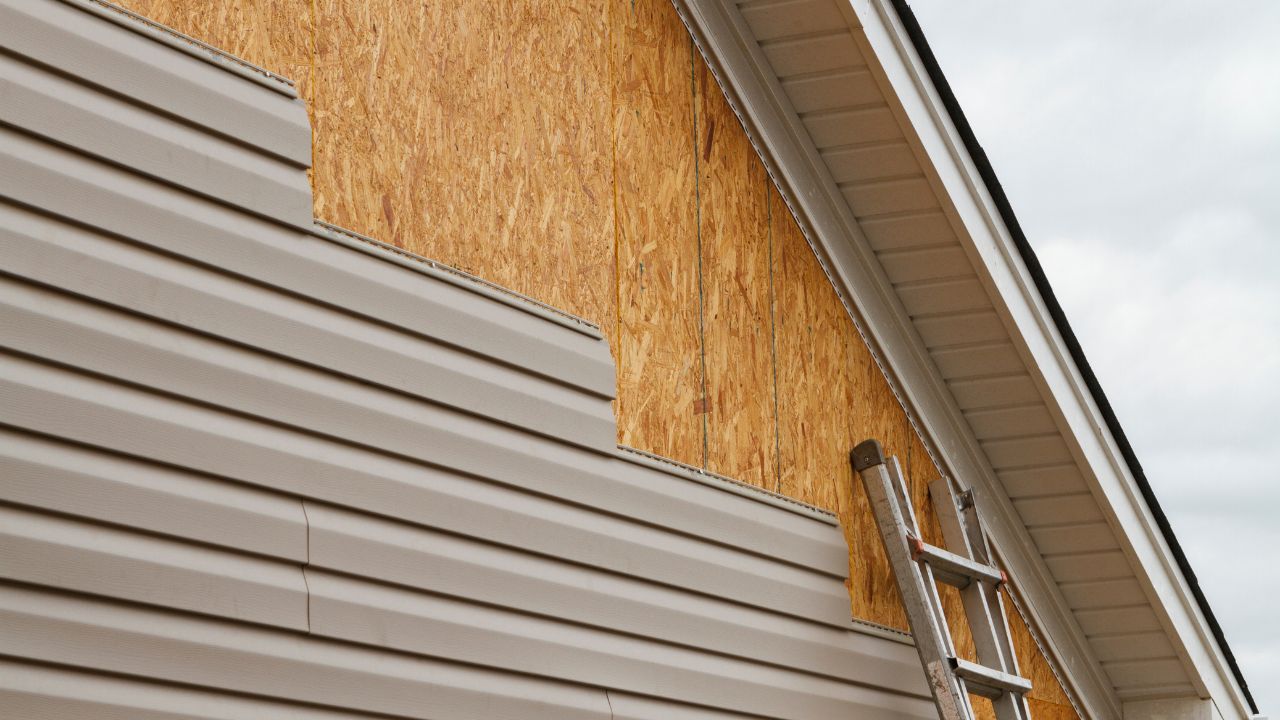
Siding protects your home from weather damage while maintaining structural integrity and curb appeal. Recognizing siding replacement signs early prevents expensive structural repairs and preserves your property's value. Homeowners who address deteriorating siding promptly avoid escalating costs from water intrusion and insulation failure.
Understanding when to replace siding Michigan residents becomes critical during the spring inspection season. Professional home siding maintenance begins with identifying the five warning signs that indicate immediate action is necessary.
Key Takeaways:
Choose professional inspection if: You notice water stains inside walls, mold growth on surfaces, or soft spots when pressing siding panels.
Handle it yourself when: You're doing routine cleaning, checking for loose panels after storms, or documenting seasonal changes.
Your siding is your home's first defense against rain, snow, wind, and temperature swings. It keeps moisture out of walls, prevents mold in insulation, and stops air leaks that drive up energy bills. When siding fails, water rots wood framing and ruins insulation.
Failed siding creates entry points for pests and forces your HVAC system to work harder. Your annual heating costs jump 15-25% when damaged siding allows conditioned air to escape. Regular home siding maintenance catches these problems before they become expensive emergencies.
Michigan homeowners face freeze-thaw cycles that crack siding joints and heavy snow that tests weather protection. Catching siding replacement signs early protects both your comfort and your wallet.
Different siding materials handle Michigan's weather in different ways. Your choice affects how often you'll need repairs, how long the siding lasts, and what maintenance you'll do over the years. Vinyl, fiber cement, and wood are the three most common options you'll see on homes in Southfield, Birmingham, and surrounding areas.
Each material responds differently to impact from hail, moisture from rain and snow, and UV radiation from summer sun. Understanding these differences helps you spot problems during your siding condition check and know when replacement makes more sense than repairs.
Vinyl siding appears on roughly one in four single-family homes and requires minimal upkeep, just occasional washing. It can crack from impacts and may warp near heat sources. The color runs through the entire material, eliminating the need for repainting.
Fiber cement siding covers about 22% of installations and provides a wood-like appearance without wood's vulnerabilities. It resists fire, rot, and insects. Professional siding installation ensures proper spacing for expansion and contraction.
Fiber cement needs repainting every 10-15 years, far less than wood. It handles Michigan winters well and doesn't absorb moisture. The material costs more upfront but pays for itself through lower maintenance and longer lifespan.
Wood siding delivers authentic natural beauty and allows custom designs that vinyl and fiber cement cannot match. However, it demands consistent maintenance to prevent rot and insect damage.
You'll need to seal and stain wood annually in Michigan's humid climate. Skip this and moisture soaks in, creating perfect conditions for rot and fungal growth. Untreated wood absorbs water that expands and contracts with freeze-thaw cycles, causing cracks and warping.
Wood can last 40 years with proper maintenance, annual cleaning, inspection, and refinishing. Many homeowners underestimate this ongoing expense.
Catching siding problems early prevents minor damage from becoming structural emergencies. Visual inspections reveal surface damage, while professional testing finds hidden problems. Spring and fall inspections provide the best timing for spotting new issues.
Walk around your home twice annually and document new cracks or warping. Take photos to track damage progression. Multiple panels showing the same problem require professional assessment.
Cracks indicate your siding has reached end of life through repeated expansion and contraction or impact damage. Horizontal cracks let water flow into wall cavities where it rots wood sheathing. Small cracks compromise weather protection and grow larger with freeze-thaw cycles.
Warped panels signal moisture absorption or improper installation. When panels buckle across multiple sections, you likely have moisture problems in the wall assembly, not just surface damage.
Look for panels pulling away from your exterior. Any separation requires immediate attention because it allows water, insects, and cold air into wall cavities. Recognizing these siding replacement signs early prevents expensive structural repairs.
Press gently on panels during inspection. Soft spots indicate advanced rot in the underlying sheathing or framing.
All siding fades gradually over decades as UV radiation breaks down pigments; that's normal. However, patchy discoloration or rapid color loss within five years indicates serious material breakdown. Chalky residue on vinyl shows polymer degradation that reduces impact resistance.
Advanced fading correlates with reduced material integrity. ColorPlus Technology provides superior UV resistance that maintains both appearance and structural integrity longer than standard coatings.
Compare color consistency across your home's sides. South and west-facing walls fade faster. However, if north-facing walls show significant color loss, that indicates accelerated material breakdown.
Dark vertical streaks below windows or at panel joints show where water infiltrates wall cavities. Black or green mold growth means moisture stays on the material long enough to support fungal colonies that can affect indoor air quality.
Interior wall staining or musty odors confirm that water has penetrated through your building envelope. At this stage, you're dealing with damage to insulation, sheathing, and potentially framing, not just cosmetic issues.
During your siding condition check, focus on areas around windows, doors, and where different materials meet. These are common failure locations. If you discover mold, professional siding inspection uses moisture meters to determine how far damage extends behind visible surfaces.
Regional weather patterns determine which types of damage develop fastest on your home's exterior. Michigan's freeze-thaw cycles stress siding joints and fastener points more severely than milder climates. Our heavy snow loads and high humidity during summer create perfect conditions for moisture-related problems.
You face combined challenges from temperature extremes, heavy snowfall, and humidity that many other regions don't experience together. This is why understanding when to replace siding in Michigan homeowners differs from recommendations elsewhere.
Spring is prime time for checking damage from winter ice dams and freeze-thaw cycles. Ice dam formation forces water behind siding at eaves and gable ends. Clear debris and inspect for new cracks.
Summer heat causes siding to expand. Improperly installed panels buckle during hot weather. Check caulk joints around windows and doors because summer sun dries and cracks sealants.
Fall preparation includes clearing gutters so water flows away from siding. Check that caulk joints are intact before winter. Schedule professional inspections so you have time to complete repairs.
Winter reveals vulnerable installation details through ice accumulation and wind-driven snow patterns. Look for repeated ice buildup; these spots indicate heat loss through the walls.
Coastal environments demand corrosion-resistant fasteners and materials like fiber cement that tolerate constant moisture exposure. Desert climates prioritize UV-stable pigments and materials that resist thermal shock from 50-degree temperature swings between day and night.
Michigan's four-season climate requires materials that balance freeze-thaw durability with moisture management and UV resistance. Fiber cement siding benefits include superior performance across multiple climate stressors without requiring frequent replacement. It handles our cold winters, humid summers, and intense spring rain better than most alternatives.
When you replace siding, Michigan's weather demands materials that won't crack at -10°F or warp at 95°F. Vinyl performs well in moderate climates but shows limitations in temperature extremes. Wood requires constant maintenance in our humidity levels. Fiber cement delivers consistent performance across our full climate range.
Postponing replacement allows water infiltration to rot the structural framing and sheathing behind your siding. Moisture creates perfect breeding conditions for mold that spreads through wall cavities and into your insulation. Repair costs escalate rapidly once water damage extends beyond the siding into load-bearing members.
Compromised siding reduces your property value and creates disclosure requirements when you sell. Future buyers will negotiate lower prices or demand repairs before closing. Energy waste from air leakage costs you extra money on utilities every single month you wait.
Water penetrating failed siding saturates wood framing that loses strength as rot progresses. Wet insulation compresses and stops insulating effectively while retaining moisture that promotes fungal growth. This moisture migrates downward into foundation sills and floor joists.
Extensive framing replacement costs five to ten times more than timely siding renewal. You're looking at opening walls, removing damaged framing, treating mold, replacing insulation, and installing new siding, all because initial damage went unaddressed.
Professional installation includes proper moisture barriers that prevent water from reaching structural components. These protective layers buy you time to make repairs before structural damage occurs.
The key is catching problems during regular home siding maintenance. Small repairs completed promptly prevent the cascade of water damage that destroys framing.
Energy efficiency influences nearly 75% of homeowner decisions when selecting building materials. Damaged siding creates gaps where heated and cooled air escapes. Your HVAC system runs longer cycles to compensate for thermal losses through compromised walls.
Monthly utility costs increase 15-25% when the siding no longer seals properly. A typical Michigan household paying $200 monthly would waste $30-$50 with failed siding. Over a year, that's $360-$600 thrown away.
Replacement with properly installed modern materials restores your thermal envelope immediately. Energy savings alone can justify replacement costs within 7-12 years.
Professional inspections identify hidden damage you cannot detect through visual examination alone. Licensed contractors use moisture meters that measure water content inside walls and infrared cameras that reveal temperature differences indicating missing insulation or air leaks.
Expert assessments give you accurate repair versus replacement recommendations based on actual damage extent. Schedule professional evaluations before visible failure to prevent emergency repairs during severe weather when contractors are busy and materials are scarce.
Standard physical inspections average $248 nationally, ranging from $125 to $376. Infrared inspections cost $400-$600 but detect hidden moisture and insulation failures invisible to conventional methods.
Early detection prevents $5,000-$15,000 structural repair projects from developing. Documented inspection reports support insurance claims and provide baseline records for future comparisons.
Spending $250 to find a $500 repair need beats discovering a $10,000 structural problem after the next winter. Understanding siding costs helps you budget for replacement when inspection findings indicate deteriorating conditions.
Schedule professional inspections every two years in mild climates with moderate weather. Michigan homeowners benefit from annual spring inspections following ice dam season and fall evaluations before winter arrives. This timing catches problems from winter damage early and ensures you're ready for the next winter.
Storm damage assessments should occur within 30 days of severe weather events for proper insurance documentation. Wind, hail, and ice can create damage that's not immediately visible but will worsen over time. Early professional inspection establishes what damage occurred and when, which matters for insurance claims.
If you're buying a home, schedule siding inspection as part of your home inspection process. Knowing the true condition helps you negotiate repairs or price adjustments before closing. For existing homes, annual inspection during spring when you're already checking gutters and roof creates an efficient maintenance routine.
Material selection balances upfront investment against lifecycle costs including maintenance requirements, energy savings, and expected replacement timing. Different materials offer varying returns on investment when you eventually sell your property. Climate-appropriate choices minimize premature failure and reduce long-term expenses significantly.
Choosing the right siding requires understanding how each material performs in Michigan's specific conditions. Consider both initial installation costs and ongoing maintenance expenses over the material's lifespan.
Vinyl Siding:
Fiber Cement Siding:
Wood Siding:
Choose vinyl if: You want the lowest possible maintenance and predictable costs.
Choose fiber cement when: You want premium appearance without intensive upkeep.
Choose wood only if: You value natural beauty and commit to annual maintenance.
Understanding the complete cost picture helps you make informed decisions about siding selection.
Vinyl Siding:
Fiber Cement Siding:
Wood Siding:
Fiber cement's 114% resale value return means you recover more than your initial investment when you sell. Vinyl's lower upfront cost appeals to budget-conscious homeowners, while wood commands premium pricing but requires ongoing investment.
Insulated siding products reduce thermal bridging and lower heating and cooling loads. Modern materials paired with proper air sealing cut energy consumption by 15-20% compared to aging installations, translating directly to lower monthly utility bills.
Color selection affects solar heat gain. Lighter shades reflect more radiation, reducing cooling costs. Darker colors absorb heat, benefiting heating efficiency in winter but increasing summer cooling loads.
The most energy-efficient siding won't help if installation details are poor. Tight installation around windows, doors, and corners prevents air infiltration regardless of insulation value. This is why professional installation matters as much as material choice.
Energy-efficient siding pays for itself through utility savings within 7-12 years. After that break-even point, you're simply saving money every month while enjoying better indoor comfort.
Expected outcomes with energy-efficient installation:
At Alexandria Home Solutions, we understand that deciding when to replace your siding involves protecting your family's comfort, your home's structural integrity, and your investment's value. We've helped hundreds of Michigan homeowners with honest assessments and transparent recommendations.
Our team brings years of experience with Michigan's climate challenges. We know how freeze-thaw cycles affect different materials and which installation details matter most for long-term performance.
Choose us if: You want a comprehensive siding assessment with honest recommendations, not a sales pitch. We provide detailed explanations of what we find, why it matters, and what options make sense for your situation and budget.
Our licensed and insured professionals use moisture meters and infrared technology to find hidden problems before they become structural emergencies.
We're the right fit when:
We're not a good fit if you're looking for the absolute cheapest option. Our commitment to premium materials and expert installation means we deliver the best value through quality that lasts, not the lowest price.
If you want high-pressure sales with same-day signing pressure, we're not your company. Our consultations are genuinely no-pressure because you deserve time to make informed decisions about major home improvements.
Understanding these five critical siding replacement signs empowers you to protect your investment before minor issues become structural emergencies. Cracking, warping, discoloration, water damage, and mold growth all indicate compromised protection requiring professional evaluation.
Michigan's climate accelerates deterioration through freeze-thaw cycles, heavy snow, and summer humidity. Delayed replacement risks structural damage while wasting energy every month. Regular inspections detect problems early when repair costs remain manageable.
Material selection affects long-term costs, maintenance requirements, and resale value. Vinyl offers minimal maintenance, fiber cement balances appearance with durability, and wood demands intensive upkeep. Energy efficiency improvements reduce monthly utility expenses while enhancing comfort.
Professional inspection provides an accurate assessment for confident decisions. Licensed contractors detect hidden moisture damage and structural issues that visual inspection misses.
Ready to protect your home with a professional siding assessment? Alexandria Home Solutions provides comprehensive evaluations and expert installation designed for Michigan's climate. Our team uses advanced moisture detection and infrared technology to find problems before they become emergencies.
Schedule your free, no-pressure consultation today and discover exactly what your siding needs, with honest recommendations and transparent pricing that respects your budget and timeline.