Key Takeaways:
Patio doors have evolved from basic sliders to architectural statements that redefine how homes interact with outdoor environments. The latest 2026 trends prioritize expansive glass, minimal sightlines, and energy performance that meets Michigan's demanding climate. Today's systems deliver 200-300% better thermal performance than older alternatives while creating dramatic visual connections between interior and exterior spaces.
This guide explores the styles, materials, and strategic considerations that make modern patio doors both functional investments and design centerpieces.
Patio doors serve as transitional thresholds that control light, access, and environmental separation. Their design directly impacts comfort, energy costs, and spatial perception.
Glass area determines light penetration and visual expansion. Large panes flood interiors with natural illumination, reducing daytime artificial lighting needs. The transparency creates perceived square footage beyond actual measurements, making rooms feel substantially larger than their physical dimensions.
Operable sections control ventilation when weather permits. Strategic positioning catches prevailing breezes, establishing natural airflow that reduces cooling costs during moderate temperatures. The combination of light and air access transforms enclosed spaces into dynamic environments that respond to seasonal conditions.
Contemporary living emphasizes flexible spatial use. Homeowners want outdoor areas functioning as extensions of interior rooms rather than separate zones. Pocket doors disappear into wall cavities when opened, creating uninterrupted flow between indoors and outdoors. This elimination of visual and physical barriers supports entertaining, increases usable space, and enhances property value through expanded living area perception.
The trend reflects broader lifestyle shifts toward casual entertaining and nature connection. Professional outdoor living installations complement these door systems, creating cohesive environments where interior comfort meets exterior ambiance. The seamless approach works particularly well with deck, patio, and screened porch projects common in Michigan homes.
Style selection balances aesthetics, function, and spatial constraints. The current market shows clear preferences for systems that maximize openings and minimize operational complexity.
Multi-slide doors dominate with a 30% popularity score, representing the strongest consumer preference. These systems feature large glass panels that slide open and stack or pocket into walls, creating wide and unobstructed openings. The configuration suits contemporary architecture where indoor-outdoor boundaries deliberately blur.
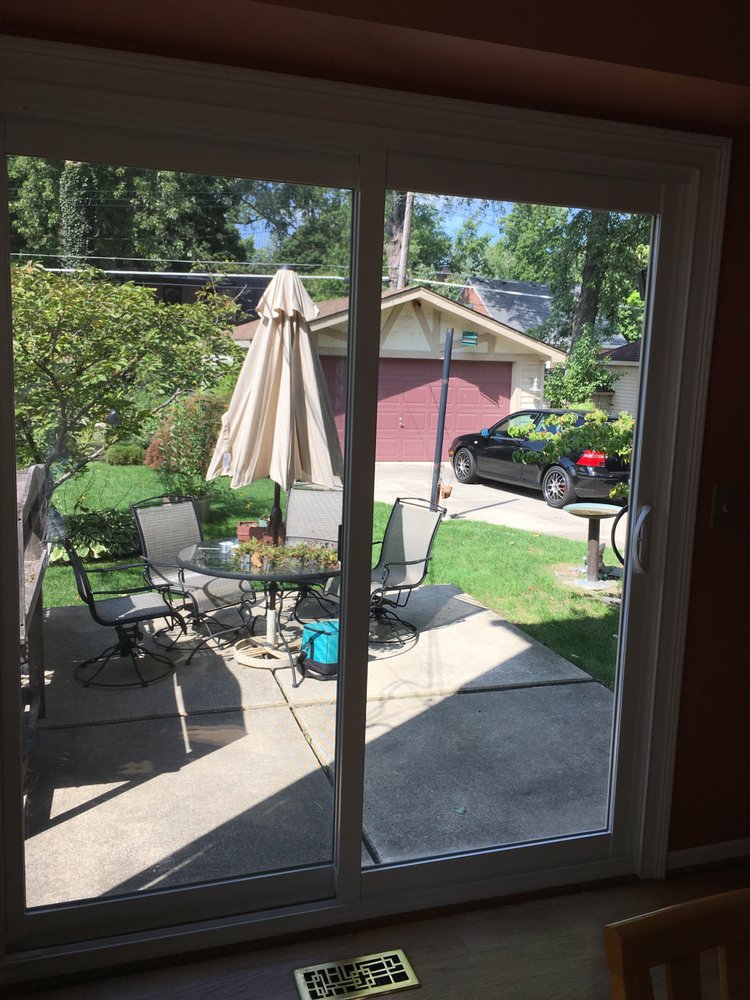
Lift-and-slide doors score 20% popularity, ideal for large openings where effortless operation matters. These units lift off their track before sliding, reducing friction while providing superior weather resistance. The mechanism handles heavier glass panels without struggle, supporting expansive designs that would strain conventional sliders. Both styles deliver the visual drama modern door installations require while maintaining practical daily function.
Bifold doors capture 25% popularity, offering flexible and space-saving solutions. These systems comprise multiple panels that fold and stack to one side, converting entire walls into open passages. The accordion-style operation works well where interior or exterior space prevents sliding door stacking.
Pocket doors score 15% while French doors hold 10%. Pocket configurations completely disappear when opened, providing the cleanest aesthetic transition available. French doors maintain traditional appeal with their hinged operation and divided lite options, suiting homes where historical accuracy or classical design guides exterior choices. Each style addresses specific architectural contexts and homeowner preferences, with no single option dominating all applications.
Design evolution focuses on what users see and how systems perform. Current preferences emphasize visual lightness combined with measurable efficiency gains.
Narrow profiles maximize glass area relative to frame obstruction. Homeowners want views, not framework. Modern engineering allows stronger materials in thinner sections, supporting large glass panels without bulky surrounding elements. The slim aesthetic reads contemporary while increasing actual light transmission.
Floor-to-ceiling installations amplify the effect. Full-height glass eliminates visual interruption between floor and ceiling planes, creating architectural drama that standard-height units cannot match. The approach works particularly well in rooms with high ceilings or where maximizing natural light compensates for limited window count. Coordinating these installations with quality siding choices ensures exterior walls complement rather than compete with the door's visual impact.
Performance requirements drive material specifications. Low-E coatings use microscopic layers that reflect infrared and ultraviolet light, improving insulation while protecting interior furnishings from fading. This technology maintains views while blocking heat transfer that undermines comfort and efficiency.
Triple-pane glass adds another insulation layer, excellent for cold climates like Michigan. Argon or krypton gas fills between panes provide superior thermal performance compared to standard air gaps. These inert gases resist heat transfer more effectively, reducing energy loss through the door assembly. The result delivers 200-300% better thermal performance than single-pane alternatives.
ENERGY STAR qualifying sliding glass doors save $150-400 per door annually with U-factors at 0.30 or lower. Monthly utility bill reductions reach $15-35 per door during peak seasons. Homes replacing single-pane sliding doors with ENERGY STAR qualified units see 20-35% reduction in energy costs related to patio door heat transfer. Peak load management savings hit 10-20% on monthly utility bills during high-demand periods. Payback periods run 5-8 years through energy savings alone, making efficiency upgrades financially rational beyond comfort improvements.
Material selection determines longevity, maintenance requirements, and thermal characteristics. Each option balances different priorities.
Vinyl offers low maintenance and good insulation at accessible price points. The material resists moisture damage, won't rot or corrode, and never requires painting. Limitations include color selection and temperature sensitivity—extreme heat can cause warping in dark finishes.
Fiberglass combines durability with superior insulation and customizable appearance. It mimics wood grain convincingly while eliminating rot, splitting, and insect concerns. The material accepts paint and stain well, maintaining finish quality longer than wood alternatives. Fiberglass costs more than vinyl but delivers better long-term value through extended service life and lower maintenance.
Aluminum provides strength for large panels with minimal frame depth. Thermally-broken aluminum frames include insulating barriers preventing heat transfer through the metal. This addresses aluminum's primary weakness—its high thermal conductivity. The material suits contemporary aesthetics where slim profiles and clean lines define the design language. Coordinating patio door selection with window replacements creates visual consistency across exterior elevations.
Black frames dominate contemporary installations, offering bold contrast against light interiors and exteriors. The color works universally, pairing with brick, stone, vinyl, and fiber cement finishes. Charcoal and dark bronze provide softer alternatives that maintain modern sensibility without stark contrast.
White and almond suit traditional aesthetics, blending with trim rather than creating focal points. Wood-tone finishes appeal to homeowners wanting natural warmth without wood maintenance. These factory-applied finishes resist fading better than field-painted alternatives.
Hardware finishes coordinate with frame colors and interior design schemes. Matte black dominates contemporary installations. Brushed nickel offers subtle sophistication. Oil-rubbed bronze suits traditional contexts. Brass sees revival in transitional designs bridging traditional and contemporary styles. The key is consistency—mixing finishes between doors, windows, and entry hardware creates visual confusion rather than intentional contrast.
Strategic planning prevents costly mistakes. The upgrade decision involves multiple factors beyond aesthetic preference.
Replacement maintains existing dimensions, simplifying permitting and installation. This approach works when current size meets functional needs and structural modifications would complicate the project. Standard sizes cost less than custom configurations, and installation proceeds faster without framing changes.
Expansion creates dramatic impact but requires structural engineering. Load-bearing considerations determine feasibility. Some walls cannot accommodate wider openings without significant reinforcement. Budget impacts include structural modifications, permits, and potential interior/exterior finish repairs beyond the door installation itself.
The new Michigan energy code enforced starting April 22, 2025, mandates that interior spaces intended for human occupancy maintain minimum interior room temperature of 68 degrees. This requirement pushes door efficiency standards higher, making older units increasingly obsolete. Payback periods of 5-8 years through energy savings alone justify replacement even when existing doors function mechanically. The financial case strengthens when accounting for comfort improvements and resale value increases.
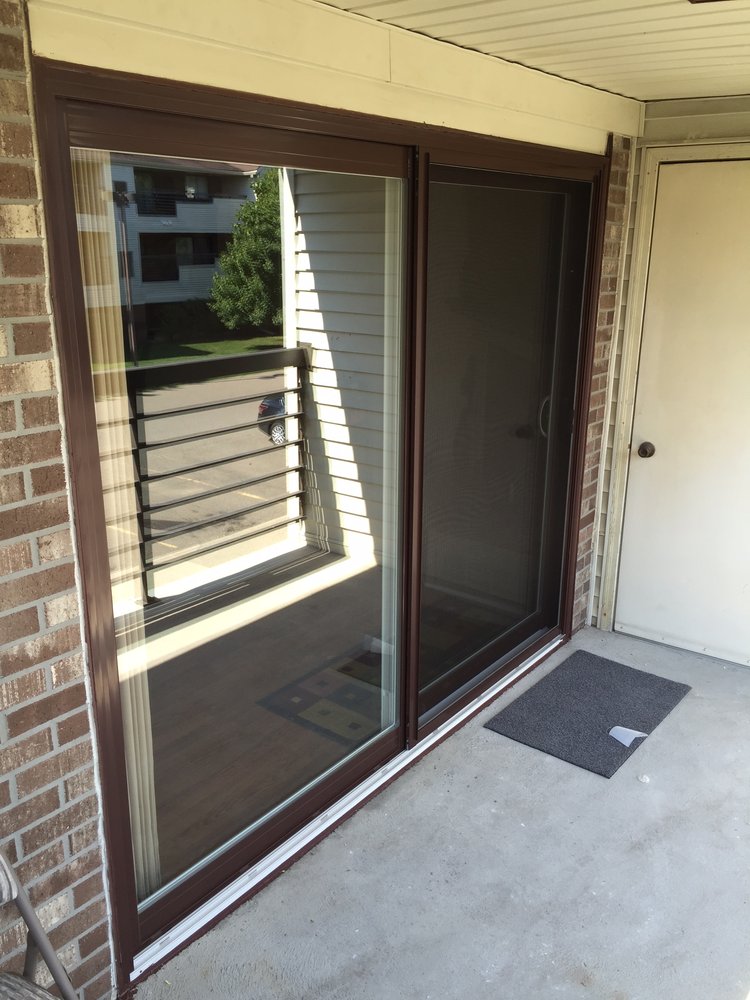
Michigan residential code establishes specific requirements. All single sliding patio doors must have the movable section sliding on the inside of the fixed portion, meeting security standards for private dwellings. Landing at exterior doorways cannot sit more than 7.75 inches below the threshold top, preventing dangerous drops and ensuring accessibility.
Professional installers guarantee code compliance and optimal performance. Proper shimming prevents warping. Correct weatherstripping placement stops air infiltration. Accurate threshold alignment prevents water intrusion and trip hazards. DIY installations frequently miss these details, compromising security and efficiency regardless of door quality.
Building permits are required for new construction, structural changes, and rehabilitation projects. Separate permits cover electrical, plumbing, and heating systems when door replacement affects these elements. Certificate of Occupancy requirements apply to all building occupants. Special inspection costs include $40 application fee, $100 per inspector, and $150 for the Certificate of Occupancy itself. ENERGY STAR certified windows, doors, and skylights require installation instructions packaged with products or readily available online, supporting proper installation practices. Licensed door installation professionals navigate this process efficiently, protecting homeowners from code violations that surface during future home sales.
Selection requires balancing multiple priorities. The right choice serves both immediate needs and long-term goals.
Michigan's temperature extremes demand strategic specifications. Southern exposures receive intense solar gain, making Low-E coatings essential for preventing heat buildup and furniture fading. Northern exposures lose heat rapidly in winter, requiring triple-pane glass with superior insulation values.
Wind exposure affects door selection and installation details. Exposed locations need reinforced frames and multi-point locking systems resisting wind pressure. Snow load considerations matter for overhead components on covered patios. These factors determine whether standard residential specifications suffice or commercial-grade systems become necessary.
Energy goals guide glass package selection. Homeowners prioritizing minimal utility costs choose maximum insulation regardless of upfront cost. Those balancing initial investment with reasonable efficiency accept mid-grade specifications delivering solid performance without premium pricing. The calculation depends on planned ownership duration—longer timelines justify higher upfront investment through extended savings accumulation.
Start with function assessment. Identify how you'll use the space—entertaining, daily access, visual connection, or ventilation. Usage patterns determine optimal style. Frequent entertaining favors wide-opening systems like multi-slide or bifold configurations. Daily access suits simple sliders. Visual emphasis works with any style but benefits most from minimal frames and maximum glass.
Measure existing openings accurately. Verify rough opening dimensions, not just visible frame measurements. Check for level and plumb—older homes often require correction before quality installation succeeds. Document any settling or foundation issues that might affect new installations.
Gather multiple quotes from licensed, insured contractors. Compare specifications carefully—not all quotes reference identical products or installation scopes. Verify warranty coverage includes both product and labor. Check contractor references and verify licensing through local building departments. Quality home improvement services provide transparent pricing, detailed specifications, and documented track records.
Schedule installations during moderate weather when possible. Extreme heat or cold complicates installation and sealant curing. Spring and fall offer ideal conditions in Michigan, though experienced installers work year-round using appropriate techniques for prevailing conditions.
Patio door trends deliver measurable performance alongside aesthetic transformation. Alexandria Home Solutions specializes in multi-slide, bifold, and lift-and-slide systems engineered for Michigan's demanding climate. Our installations meet the new energy code standards while creating the seamless indoor-outdoor transitions modern homeowners demand. We handle permitting, structural considerations, and precision installation that protects your investment for decades.
Ready to expand your living space and reduce energy costs? Contact Alexandria Home Solutions today for a free consultation and discover how the right patio door system elevates your home's comfort, value, and connection to outdoor environments.