Key Takeaways:
Michigan homeowners face a persistent threat many never anticipate: woodpecker damage. The rhythmic pecking that signals territorial behavior, nesting activity, or insect foraging can destroy wood and vinyl siding within a single season. James Hardie fiber cement siding eliminates this vulnerability through engineered material properties that make homes completely unattractive to woodpeckers. This guide examines how fiber cement's composition, density, and performance characteristics provide absolute protection against pest damage while delivering superior durability in Michigan's demanding climate.
Material composition determines pest resistance. James Hardie fiber cement siding creates physical and biological barriers that eliminate every motivation woodpeckers have for targeting homes.
James Hardie fiber cement consists of Portland cement, sand, and cellulose fibers creating a density of 1,200-1,500 kg/m³—a rock-like surface woodpecker beaks cannot penetrate. Cedar siding measures 350-900 lbf on the Janka hardness scale; fiber cement exceeds this dramatically. The inorganic composition harbors no insects woodpeckers seek, eliminating the food-source attraction entirely. Cross-section analysis reveals engineered composite offering no food source, no nesting appeal, and no resonant drumming surface. James Hardie states officially: "Unlike wood, Hardie® siding is not susceptible to pests. The material offers no appeal to pests, so they will not be able to damage it."
Dense, solid composition produces no loud, hollow resonance woodpeckers seek for territorial drumming. Woodpeckers cannot excavate nesting cavities in fiber cement—the material is too hard with no give. Milford, MI case study demonstrates this dramatically: homeowner's James Hardie siding remained completely untouched while cheaper wood trim experienced extensive damage. Vinyl can be damaged though less attractive than wood for nesting. Fiber cement provides absolute protection unavailable with any other siding material. The physical impossibility of penetration, combined with zero biological attraction, creates complete defense.
Michigan hosts several year-round woodpecker species including Downy, Hairy, and Pileated woodpeckers—all documented home damage causes. Activity intensifies in areas where developments replaced wooded lots, eliminating natural nesting sites. HardieZone HZ5 series is specifically engineered for Michigan's climate with superior protection against moisture, freezing temperatures, and UV exposure. HZ5 formulation withstands harsh Michigan winters without becoming brittle unlike vinyl siding. Built-in drip edge proves particularly beneficial for Michigan homes facing ice dams and heavy snowfall causing water damage. The climate-specific engineering addresses both pest attraction and material durability simultaneously.
Understanding woodpecker behavior explains damage patterns and prevention strategies. Three distinct biological drives create different damage types requiring material-based solutions.
Three primary biological needs drive woodpecker damage: drumming, nesting, and foraging for insects. Drumming occurs in spring when woodpeckers engage in rapid, loud pecking on resonant surfaces as territorial calls attract mates and ward off rivals. Nesting involves excavating large, smoothly rounded holes typically in late April through May to raise young as natural habitats with dead trees diminish. Insect foraging creates patterns of smaller, irregular holes indicating searches for carpenter bee larvae, leafcutter bees, and grass bagworms. Cedar, redwood, and other soft woods prove particularly vulnerable to all three damage types. Hollow-body siding like wood or vinyl produces a satisfyingly loud sound making it an attractive target for drumming behavior.
Activity concentrates where new developments replaced wooded lots, eliminating natural nesting sites. Diminishing natural habitats with dead trees forces woodpeckers to adapt by targeting homes. Michigan's freeze-thaw cycles make wood trim vulnerable to moisture, pests, and premature failure—conditions attracting insects that draw woodpeckers. Milford and Oakland County experience specific woodpecker damage concerns. Wood trim often used by builders to save money remains vulnerable in Michigan's climate. The combination of habitat loss and attractive building materials creates perfect conditions for persistent woodpecker problems requiring permanent material-based solutions.
Extensive small holes from insect foraging behavior create multiple small penetrations concentrated in specific areas. Large, smoothly rounded nesting cavities excavated in late April through May compromise structural integrity and weather protection. Clustered small holes from drumming behavior occur in spring during territorial displays and mate attraction. Systematic patterns of holes in exterior walls show persistent pecking. Damage penetrating painted wood siding demonstrates that even painted surfaces remain vulnerable when substrate attracts woodpeckers. Early identification prevents escalating damage—once woodpeckers establish a pattern, they return seasonally until material is replaced with pest-resistant alternatives.
Direct comparison reveals fiber cement's absolute advantages. Material properties eliminate woodpecker attraction while providing superior climate performance.
Vinyl's hollow-body construction produces a satisfyingly loud sound for drumming behavior—exactly what woodpeckers seek during territorial displays. Vinyl can be damaged though not as attractive as wood for nesting purposes. Fiber cement's poor resonance for drumming due to dense, solid composition makes it unattractive for territorial displays. Woodpeckers quickly move on from fiber cement to more acoustically suitable objects. The acoustic properties matter as much as physical penetration resistance—fiber cement fails to provide the resonant feedback woodpeckers require for successful drumming communication.
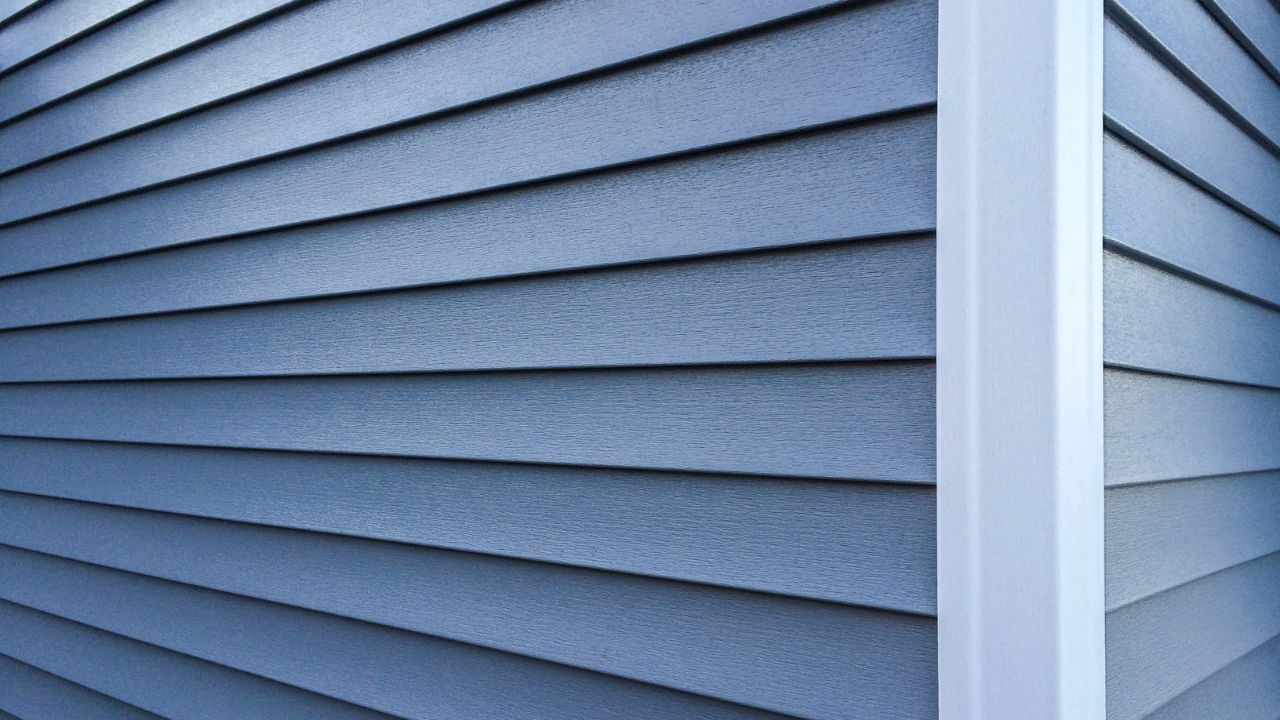
Material density of 1,200-1,500 kg/m³ creates an impenetrable physical barrier. Rock-like surface composition cannot be penetrated by woodpecker beak regardless of pecking duration or intensity. Dense, hard composition of Portland cement, sand, and cellulose fibers makes material highly resistant to pecking. Significantly harder and denser than wood (cedar Janka hardness 350-900 lbf) or vinyl's hollow construction. Close-up texture shows smooth, dense surface deterring woodpeckers unable to make any impact. For detailed analysis of material performance advantages, review comprehensive guidance on the impact of new siding on home protection.
Pest resistance provides excellent defense against termites and insects versus vulnerable wood—superior to vinyl. Weather performance through HZ5 resists swelling, cracking, and warping from rain, sleet, or snow. Temperature stability remains strong and flexible in freezing temperatures unlike vinyl which becomes brittle. Color retention through ColorPlus® Technology ensures fade resistance for 15 years without repainting. Fire safety delivers non-combustible Class A fire rating versus combustible wood and melting vinyl. The 30-year non-prorated warranty backs long-term performance. Structural integrity maintains performance for decades with proper installation. The complete performance package addresses every Michigan climate challenge simultaneously.
Material science and installation methodology combine creating absolute pest protection. Engineering features work synergistically preventing damage.
Composite of Portland cement, sand, and cellulose fibers creates inorganic composition providing absolutely no food source for woodpeckers. Engineered composite provides no appeal to pests—cannot support insect populations. Material offers no insects for woodpeckers to seek, eliminating foraging motivation entirely. Dense composition prevents any habitat creation or nesting opportunities. The cellulose fibers add tensile strength without creating organic substrate supporting biological activity. This fundamental material property—inorganic composition—eliminates pest attraction at source rather than merely resisting damage attempts.
Proper clearances maintained: minimum 6 inches from ground prevents moisture wicking. Clearances of 1-2 inches from roofing, decks, and walkways essential for performance. All penetrations including windows, doors, and vents must be properly flashed according to James Hardie specifications preventing water intrusion. Recommended fasteners and specified nailing patterns ensure siding is secure and can withstand stress. Proper installation prevents conditions attracting insects woodpeckers seek. The installation methodology eliminates moisture accumulation and insect habitat creation—addressing indirect pest attraction factors beyond direct pecking resistance.
HardieZone HZ5 series specifically engineered for northern colder climates including Michigan. Climate-specific formulation addresses moisture, freezing temperatures, and UV exposure challenges. Built-in drip edge particularly beneficial for Michigan homes facing ice dams and heavy snowfall. Superior moisture resistance prevents conditions attracting insects. Engineered specifically for regions experiencing freezing temperatures and large seasonal shifts. The HZ5 designation represents targeted engineering for Michigan's exact climate conditions rather than generic fiber cement formulation. This specialization delivers optimized performance unavailable from standard fiber cement products.
Financial analysis and long-term protection value demonstrate clear advantages. Investment economics favor permanent pest-resistant solutions.
Completely eliminates vulnerabilities making wood and vinyl constant maintenance sources. Zero repair costs from woodpecker damage to fiber cement siding itself. Wood trim vulnerability case from Milford, MI demonstrates cost of using cheaper materials. Prevents structural damage costs from pest-related deterioration. No emergency repair expenses during nesting or drumming seasons. The elimination of recurring repair costs represents significant lifecycle savings. Homeowners avoid unpredictable emergency repairs during peak damage seasons when contractors charge premium rates.
The 30-year non-prorated warranty provides long-term cost protection. ColorPlus® Technology eliminates repainting for 15 years, significantly reducing maintenance costs. PrimePlus™ products require repainting only every 5-10 years versus wood's frequent maintenance demands. Reduced maintenance over lifecycle offsets higher initial installation cost. No replacement costs from pest damage over siding lifespan. Total lifecycle value exceeds lower initial costs of vulnerable materials. When evaluating complete ownership economics, fiber cement delivers superior value despite higher upfront investment. For detailed cost-benefit analysis and material selection guidance, explore comprehensive siding selection resources.
Superior moisture resistance prevents swelling, cracking, and rot common with traditional siding in Michigan's unpredictable weather. Withstands freeze-thaw cycles without becoming brittle—critical in Michigan climate. HZ5 formulation specifically engineered to combat moisture, freezing temperatures, and UV radiation challenges. The protection system addresses a complete range of Michigan climate stressors. Maintains structural integrity and aesthetic appeal regardless of seasonal conditions. The climate-appropriate engineering ensures material performs optimally under actual service conditions rather than just meeting generic standards.
Maintenance simplicity represents a major advantage. Routine care preserves performance without addressing pest damage.
Clean every 6-12 months using garden hose or low-pressure water spray removing dirt, dust, chalking, oil, grease, organic contaminants, or mold. For stubborn stains use mild detergent and soft brush or cloth. Critical warning: never use high-pressure power washers, sandblasting, acid washing, or harsh chemicals—these damage fiber cement surface and void warranty. Annual inspection recommended or after severe weather events. Check for cracks, gaps in caulking, moisture intrusion, mold, and peeling paint on PrimePlus™ products. Simple maintenance protocol requires no specialized skills or equipment—homeowners perform basic tasks maintaining protection and appearance.
ColorPlus® products allow minor scratches or nicks touched up with James Hardie® ColorPlus® touch-up paint. Larger damaged areas can be repainted with 100% acrylic exterior paint—avoid oil-based paints. PrimePlus™ products must be painted within 180 days of installation, then repainted every 5-10 years using 100% acrylic exterior paint. No ongoing pest damage repairs needed—material immune to woodpecker damage. Maintenance focuses on protective coatings rather than structural repairs. The distinction matters significantly: coating maintenance can be scheduled and budgeted while structural repairs occur unpredictably and expensively.
Maintains structural integrity for decades with proper installation. Material cannot be damaged by woodpeckers—eliminates the entire repair category. Annual inspection and reapplication of high-quality, exterior-grade caulk around windows, doors, and penetrations maintains watertight seal. Proper landscaping including trimmed shrubs and trees with correct sprinkler direction prevents moisture buildup. Clean gutters and downspouts essential for directing water away. Adherence to maintenance instructions critical for warranty validity—keep records of all maintenance activities. The predictable, minimal maintenance schedule allows proper planning rather than reactive emergency responses.
Installation quality determines whether engineered properties translate to actual protection. Professional execution ensures optimal performance.
Proper clearances maintained: 6 inches minimum between siding and ground prevents moisture wicking. All penetrations and intersections properly flashed according to James Hardie specifications. Recommended fasteners in type and placement used following specified nailing patterns. Secure attachment ensures siding withstands wind loads without creating vulnerabilities. Professional installation prevents any gaps or conditions attracting insects. The systematic approach eliminates installation errors that would create indirect pest attraction through moisture accumulation or insect habitat.
Proper flashing at all penetrations including windows, doors, and vents plus intersections prevents water intrusion. Eliminates moisture conditions attracting insects woodpeckers seek. High-quality, exterior-grade caulk maintains watertight seal at critical junctions. Annual inspection and reapplication of caulk is crucial for maintaining protection. Effective drainage through clean gutters and downspouts directs water away from foundation and siding. The moisture management system prevents conditions creating insect populations that would attract foraging woodpeckers—addressing root causes rather than just resisting pecking.
Following all James Hardie® installation instructions imperative to maintain warranty validity. Proper installation critical for performance—incorrect installation creates vulnerabilities. Certified installers understand Michigan-specific requirements for HZ5 climate considerations. Knowledge of proper clearances, flashing details, and fastening patterns is essential. Installation records must be kept to uphold warranty protection. Certified professionals understand how installation details affect long-term performance and pest resistance. For verified installer experiences and project outcomes, review client testimonials demonstrating professional installation results.
Long-term value extends beyond pest protection. Complete performance package delivers compounding benefits.
The 30-year non-prorated warranty provides decades of protection and confidence. Zero repair costs from pest damage over siding lifespan. Reduced maintenance costs: ColorPlus® requires no repainting for 15 years. Superior durability maintains home value without degradation. Total lifecycle value demonstrates intelligent investment despite higher initial cost. The financial returns accumulate through eliminated repair costs, reduced maintenance expenses, and sustained property value. Lifecycle cost analysis consistently favors fiber cement over vulnerable alternatives.
Eliminates constant maintenance and worry that wood and vinyl create. Maintains structural integrity for decades—material engineered for longevity. Material physically cannot be damaged by woodpeckers—provides absolute pest protection. No food source, no nesting appeal, and poor resonance eliminate all woodpecker motivations. One of industry's strongest warranties backs performance claims. The peace of mind from permanent pest immunity represents an intangible but valuable benefit. Homeowners avoid seasonal anxiety about woodpecker activity and associated damage costs.
Superior color retention through ColorPlus® Technology maintains aesthetic appeal for 15 years without repainting. Maintains appearance and structural condition for decades. Non-combustible Class A fire rating adds measurable safety value to property. Complete protection system when combined with fiber cement trim (HardieTrim®) versus vulnerable wood trim. Enhanced safety, reduced maintenance, and superior durability make it the most secure investment for Michigan homes. Property value reflects both current condition and anticipated future performance—fiber cement delivers both.
Action steps and decision criteria guide homeowners toward effective solutions. Strategic planning ensures optimal outcomes.
Select HardieZone HZ5 series specifically designed for Michigan's climate. Consider ColorPlus® Technology for factory-applied, baked-on finish with 15-year warranty. Use fiber cement or PVC trim—never wood trim which remains vulnerable despite siding upgrade. Ensure proper clearances: 6 inches from ground, 1-2 inches from roofing, decks, and walkways. Verify all penetrations will be properly flashed per manufacturer specifications. Follow recommended fastener types and nailing patterns. Complete material system approach eliminates all vulnerable elements rather than upgrading siding while leaving trim exposed.
Look for certified James Hardie installers with specific training. Verify understanding of HZ5 climate-specific requirements for Michigan installations. Confirm knowledge of proper clearances and flashing details. Ensure the contractor follows manufacturer installation specifications exactly. Check the contractor's capability to register the warranty properly. Request references from Michigan installations with HZ5 products. Certification matters because material performance depends entirely on proper installation—premium materials improperly installed fail to deliver designed benefits.
Milford, MI case evidence showed wood trim damage while adjacent Hardie siding remained untouched. The Impeckable™ House built with Hardie® Plank siding and trim in woodpecker-rich Wisconsin forest remained completely undamaged after several months. Early replacement prevents costly structural damage before it occurs. Once pest attraction is established, damage continues and worsens seasonally. Protect home investment before woodpecker damage compromises structural integrity. Nesting season (late April-May) and spring drumming season create predictable damage windows. Acting early eliminates vulnerabilities before Michigan's active woodpecker seasons. Contact professional installers to evaluate your home and schedule installation before peak damage season begins.
James Hardie fiber cement siding eliminates woodpecker damage through fundamental material properties—not deterrents or repairs. The engineered composition of Portland cement, sand, and cellulose fibers creates a density of 1,200-1,500 kg/m³ that woodpecker beaks cannot penetrate. Inorganic material harbors no insects, provides no nesting opportunities, and produces no resonant drumming surface. HardieZone HZ5 series specifically engineered for Michigan's climate addresses freeze-thaw cycling, moisture management, and UV exposure while maintaining absolute pest immunity.
Michigan homeowners face predictable woodpecker seasons requiring permanent material-based solutions. Deterrents offer temporary relief while vulnerable materials guarantee recurring damage and escalating costs. Professional installation of certified HZ5 products with a complete fiber cement trim system eliminates all vulnerabilities. Act before peak damage seasons—protect your home investment with engineered pest immunity that lasts decades.