Window condensation affects thousands of Michigan homes each winter, creating discomfort and raising questions about window performance. Understanding window condensation causes helps homeowners determine whether simple fixes will work or if replacement becomes necessary. Windows account for 25 to 30 percent of residential heating and cooling energy use. Poor window performance increases utility costs while allowing moisture problems to worsen over time.
Window condensation results from specific combinations of temperature, humidity, and construction quality. Identifying the root cause determines whether homeowners need simple adjustments or full window replacement.
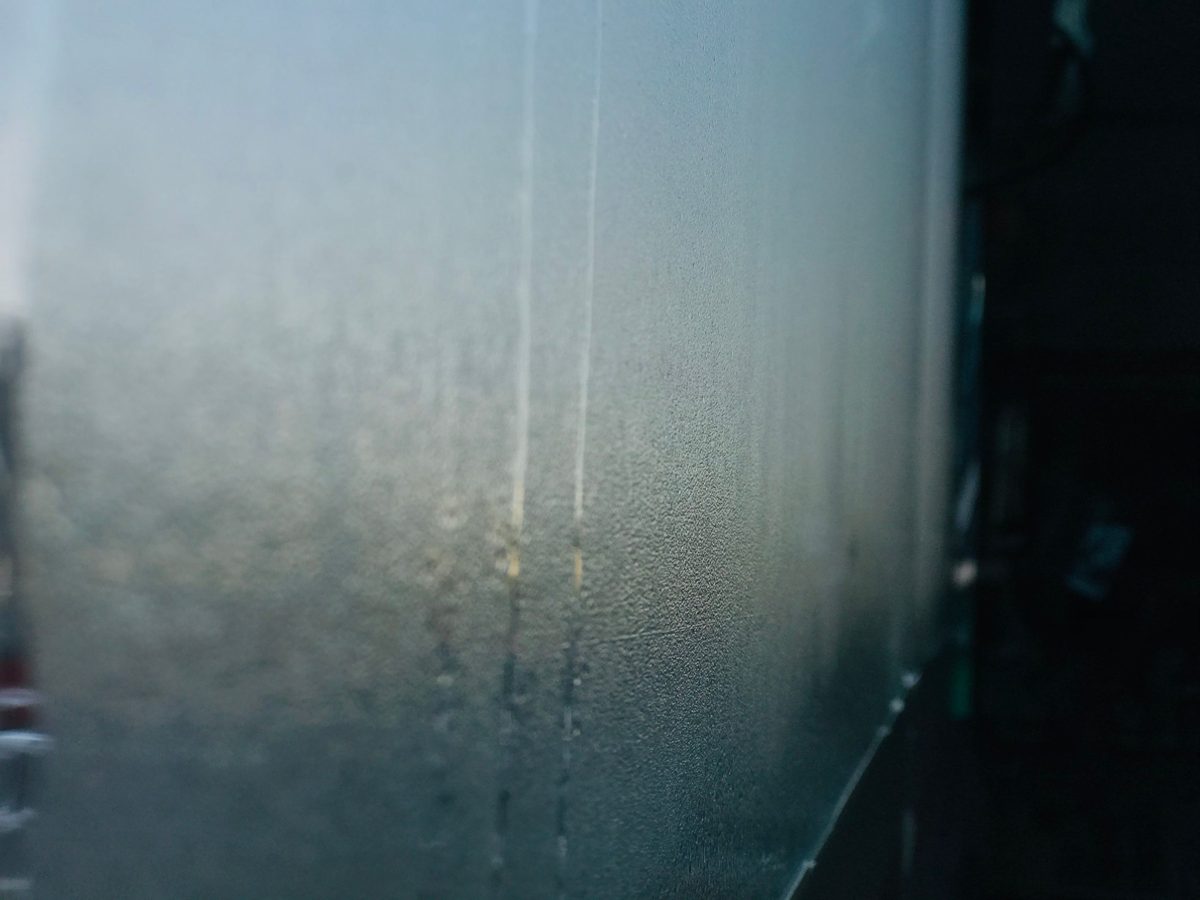
Condensation forms when moist indoor air meets colder glass or framing surfaces. Homes with poor ventilation or excessive moisture sources experience more frequent condensation problems.
Higher indoor humidity levels increase the likelihood of visible water droplets on windows. Activities like cooking, showering, and running humidifiers raise the moisture content in indoor air.
Windows are responsible for 25 to 30 percent of residential heating and cooling energy use. Single-pane windows and poorly insulated frames allow more heat transfer than modern alternatives.
Older window construction permits cold exterior temperatures to penetrate interior surfaces more easily. This temperature differential creates ideal conditions for moisture to condense on glass and frames.
Moisture between panes indicates insulating-glass seal failure. This condition cannot be repaired through humidity control or ventilation improvements.
Failed seals allow outside air and moisture to enter the space between glass layers. Homeowners should replace the insulating glass unit or the entire window when this occurs.
Most surface condensation issues respond well to targeted interventions before requiring window replacement. Effective condensation fixes address humidity sources and improve air movement throughout the home.
Running exhaust fans during cooking and bathing removes moisture at its source. Dehumidifiers reduce overall indoor humidity levels in particularly damp spaces like basements.
Homeowners should maintain indoor humidity between 30 and 50 percent during the winter months. Lower humidity settings prevent condensation while maintaining comfortable living conditions for occupants.
Opening window coverings during daylight hours allows warm air to reach glass surfaces. Ceiling fans and HVAC systems distribute heated air more evenly throughout living spaces.
Proper ventilation prevents stagnant air pockets where moisture tends to accumulate on cold surfaces. Strategic air movement reduces condensation risk without requiring expensive equipment or structural changes.
Persistent condensation despite humidity control and ventilation improvements suggests inadequate window performance. About 12 percent cite moisture mitigation or leakage as their primary replacement trigger.
Energy loss prevention becomes critical when windows no longer provide adequate insulation against Michigan winters. Upgrading to energy-efficient models eliminates condensation while delivering measurable utility bill reductions.
Modern window technology offers multiple solutions for controlling moisture while improving thermal performance. Material selection and energy features determine how effectively windows resist condensation in cold climates.
The energy-efficient windows segment appears materially stronger than the broader market in Michigan. ENERGY STAR-certified products combine low U-factors with superior air sealing to minimize cold surface temperatures.
About 83 percent of home buyers rated ENERGY STAR windows essential or desirable. Triple-pane glass earned essential or desirable ratings from 77 percent, while low-e glass received 67 percent support, and 84 percent of recent and planned buyers said energy efficiency was a top priority.
Vinyl replacement windows have a 44.2 percent replacement-material share nationally. Fiberglass replacement windows hold 15.7 percent share, wood replacement windows claim 15.0 percent share, and clad wood replacement windows account for 10.7 percent share.
Vinyl offers the best affordability-to-efficiency ratio, while fiberglass performs well where temperature swings matter. Both materials resist moisture damage better than untreated wood and require minimal Michigan home maintenance.
Impact-resistant windows combine laminated glass, hidden reinforcements, stronger hardware, and pressure-cycle testing. These assemblies provide superior protection against severe weather while reducing air infiltration.
Impact windows cost a premium of approximately 25 to 35 percent over regular windows. Storm windows offer roughly $400 and up for simple, efficient replacement as an alternative upgrade path.
Even premium windows underperform when installed incorrectly or maintained poorly. Professional installation and routine care extend service life while preserving condensation resistance.
Poor installation can undermine efficiency and warranty outcomes. Gaps in air sealing allow moisture-laden air to penetrate window assemblies and surrounding wall cavities.
Improper flashing and weatherproofing permit water intrusion during rain and snow events. These installation defects create conditions where condensation forms on interior surfaces and within wall assemblies.
Regular window maintenance preserves factory performance levels throughout the window's service life. Cleaning drainage channels and replacing weatherstripping prevents moisture accumulation and air leakage.
Inspecting seals and caulking annually identifies early-stage failures before condensation problems develop. Homeowners who maintain windows properly experience fewer moisture issues and longer replacement cycles.
Storm windows provide roughly $400 and up for simple, efficient replacement without full window removal. Adding storm windows over existing units creates an additional thermal barrier that reduces condensation.
Retrofit installations improve energy performance when base windows remain structurally sound but thermally inadequate. This approach costs less than full replacement while delivering meaningful condensation reduction.
Determining the right time for replacement requires evaluating repair effectiveness against replacement benefits. Several clear indicators signal when the necessity of new windows outweighs repair attempts.
Condensation that persists after humidity control and ventilation improvements indicates fundamental window inadequacy. About 36 percent cite energy efficiency as their replacement trigger, while 29 percent cite damage.
Visible frame deterioration, inoperable sashes, and recurring seal failures suggest replacement provides better value. Homeowners should calculate repair costs against replacement benefits to make informed decisions.
ENERGY STAR-certified replacement windows can reduce utility bills by an average of 13 percent. ENERGY STAR home-upgrade guidance cites average bill reductions of 12 percent for qualified installations.
New windows eliminate drafts and cold spots that make rooms uncomfortable during Michigan winters. Improved thermal performance reduces heating system runtime while maintaining more consistent indoor temperatures.
A federal tax credit of 30 percent of product cost up to $600 applies to qualifying windows. This incentive covers purchases and installations between January 1, 2023, and December 31, 2025.
Michigan's 2021 building codes and commercial energy codes became effective in April 2025. These updated standards support higher-performance window specifications in new construction and major renovation projects.
Michigan's weather patterns create unique challenges for window performance and condensation control. Regional factors shape both the frequency of moisture problems and optimal replacement strategies.
Michigan had 60 billion-dollar weather and climate disasters from 1980 to 2024. The state's disaster record includes 41 severe storms across the monitoring period.
The recent five-year average of 4.4 disaster events annually exceeds 1.3 over the full period. These severe weather incidents damage windows while exposing homes to increased infiltration and moisture problems.
Michigan has 4.67 million housing units with a 73.2 percent owner-occupied rate. The state contains 3.2 million single-family homes, representing 72 percent of Michigan's housing stock.
Only 1.8 percent of Michigan homes remain vacant and available for rent or sale. This tight inventory encourages homeowners to invest in existing properties rather than relocate.
Michigan is a mature, replacement-led windows market rather than a high-household-growth market. Michigan's total window market is estimated at $0.42 billion in 2024 and $0.43 billion in 2025.
Five-year path toward $0.51 billion by 2030 reflects an estimated 3.6 percent CAGR if Michigan tracks the U.S. windows market. March is the most common month for homeowners to first consider replacement projects.
Understanding price ranges and return on investment helps homeowners choose appropriate solutions. Material selection and feature packages significantly influence both upfront costs and long-term value.
Vinyl windows typical installed price range from $800 to $1,600 per unit. Fiberglass windows typical installed price that spans $1,100 to $2,200, while wood and clad wood windows start at $1,100 and exceed $2,200 for premium options.
Impact-resistant windows typical installed price range from $700 to $2,875 per window. Simple, efficient replacement windows can start around $400 per window for basic upgrades.
Full replacement delivers higher total energy savings but requires a larger upfront investment. Retrofit solutions like storm windows provide faster payback with lower initial costs.
Homeowners should evaluate their ownership timeline when comparing replacement versus retrofit approaches. Long-term owners benefit more from premium replacement windows, while shorter-term residents favor lower-cost retrofits.
Energy-efficient windows reduce heating and cooling costs throughout their service life. Lower utility bills compound over time to offset higher initial investment in quality products.
Durable frame materials and quality construction minimize maintenance expenses and extend replacement intervals. These factors improve the total cost of ownership beyond simple purchase price comparisons.
Michigan homeowners face condensation challenges that require targeted solutions for fixing window condensation through humidity control and proper ventilation. Professional window installation in Farmington Hills ensures proper sealing and thermal performance in cold climates. Residents seeking window installation in Novi benefit from expert guidance on material selection and energy features.
Homeowners exploring window installation in Southfield should prioritize condensation resistance alongside aesthetic preferences. Premium installations like window installation in Royal Oak combine durability with energy efficiency for long-term value. Those considering window installation in West Bloomfield can access comprehensive product lines that address both performance and design requirements.
Addressing window condensation requires understanding its causes, implementing appropriate fixes, and recognizing when replacement becomes necessary. Michigan's climate demands windows that resist moisture while minimizing energy loss and maintaining indoor comfort. Homeowners who invest in quality products and professional installation protect their homes from condensation damage while reducing utility costs for years to come.
Michigan residents can maximize their window investment by taking advantage of available energy rebate programs that save up to $5,000 on qualifying upgrades. Alexandria Home Solutions provides expert consultation and professional installation services that ensure optimal performance and long-term satisfaction.
Foggy glass, moisture trapped between panes, and cold drafts all point to windows that have stopped performing. You shouldn't have to wipe down sills every morning or watch your heating bills climb because of failed seals and thin insulation.
Alexandria Home Solutions installs ENERGY STAR-certified replacement windows built to handle Michigan winters. From your free in-home consultation to professional installation and final cleanup, our team delivers warmer rooms, lower utility bills, and clear, dry windows through the coldest months — backed by comprehensive warranties on materials and workmanship. Contact us today to schedule your free, no-pressure estimate.