Michigan homeowners face a critical window each spring as roofs emerge from months of snow, ice, and freeze-thaw cycles. A thorough spring roof inspection catches damage before minor issues turn into expensive emergency repairs. Identifying problems early safeguards your family's comfort and your property's value.
This systematic checklist walks you through essential inspection areas, material-specific considerations, and clear decision points for when to call professionals.
Here's what every Michigan homeowner should know about spring roof inspections.
Key Takeaways:
Michigan's harsh winters create unique challenges that make spring roof inspections essential. Your roof endures freeze-thaw cycles, heavy snow loads, ice dams, and wind-driven ice that accelerate wear on even the highest-quality materials. A professional roof inspection evaluates roofing materials, structural components, and drainage systems to catch problems before they escalate.
Spring inspections serve three purposes: documenting winter damage for insurance claims, identifying repairs that prevent summer storm leaks, and maintaining manufacturer warranties. Preparing your roof for the season ahead means catching small issues during this narrow window.
Michigan experiences USDA Zones 5-6 climate conditions with extreme temperature swings. Ice dams form when heat escaping through your roof melts snow, which then refreezes at the eaves and forces water beneath shingles, damaging underlayment and roof decking.
Freeze-thaw cycles cause shingles to expand and contract repeatedly, weakening adhesive bonds. Heavy snow loads stress structural supports while ice damages flashing. Wind-driven ice particles wear away protective granules from asphalt shingles.
The spring season begins in late March or early April in Michigan. Warmer temperatures allow safe roof access while revealing winter damage before summer heat causes additional stress.
Skipping your annual spring inspection allows minor damage to compound through subsequent seasons. A small crack in flashing becomes a major leak during summer thunderstorms. Missing shingles expose the underlayment to UV damage. What starts as a $300 repair becomes a $5,000 emergency replacement.
Regular Michigan roof maintenance creates documentation that helps with insurance claims and property resale. Insurance companies increasingly require inspection records before approving claims or renewing policies. Annual professional inspections are recommended in areas with frequent high winds or heavy precipitation, exactly what Michigan delivers.
A comprehensive spring roof inspection examines three primary systems: surface materials, water management components, and structural elements. This roofing checklist ensures you don't miss critical areas. Start with what you can see from the ground using binoculars, then move to an interior attic inspection, and finally decide whether your situation requires professional assessment.
Shingle inspection begins with identifying missing, cracked, or curling units from your ground-level vantage point. Look for dark patches where granule loss exposes underlying felt material; this indicates asphalt shingles approaching replacement. Blistering appears as raised bubbles on shingle surfaces, while buckling creates wave patterns across your roof plane.
Moss or algae growth signals moisture problems or ventilation deficiencies. Asphalt roofing remains the most common material in Michigan, accounting for roughly 80% of new roofing projects, but it shows specific wear patterns you should recognize.
Material-Specific Inspection Criteria:
Different materials require different approaches. Asphalt shingles need granule loss monitoring and edge curl checks. Metal roofing requires examination of fastener integrity, coating condition, and panel connections. Metal roofing lasts 40-70 years with minimal maintenance, but loose fasteners allow water penetration and wind uplift damage. Composite materials need assessment for delamination or UV degradation affecting protective layers.
Flashing around chimneys, vents, skylights, and roof penetrations prevents water infiltration at vulnerable joints where different materials meet. Winter ice dam damage frequently loosens these connections. Look for rust formation, visible gaps, or flashing that has pulled away from surfaces it's supposed to seal. Damaged flashing ranks among the most common causes of roof leaks in Michigan homes.
Gutter System Assessment:
Your gutter system collects roof runoff and directs water away from your foundation. Spring inspection requires cleaning accumulated debris, leaves, twigs, asphalt granules, that blocks proper drainage. Check gutter attachment points for loosening caused by ice dam stress.
Verify that downspouts discharge at least six feet from foundation walls. Install splash blocks or extensions if discharge points are too close to your home.
Proper attic ventilation prevents ice dam formation, extends shingle lifespan, and maintains comfortable interior temperatures year-round. Verify that ridge vents, soffit vents, and attic fans have unobstructed airflow. Blocked vents trap moisture and heat in your attic space.
From inside your attic, look for water stains on decking or rafters, daylight visible through roof boards, or sagging sections that indicate structural overload. Adequate ventilation maintains attic temperatures within 10-15 degrees of outdoor conditions, this prevents heat buildup that accelerates shingle aging.
Moisture accumulation shows up as frost buildup during winter or condensation during temperature swings. This indicates ventilation deficiencies requiring immediate correction before mold growth or wood rot develops. These problems require professional assessment, don't delay when you spot structural concerns.
Your roofing material significantly impacts inspection frequency and maintenance requirements. Installation quality affects performance more than material selection for all roofing types. Proper underlayment, flashing integration, and ventilation determine actual service life regardless of whether you choose asphalt or metal.
Asphalt shingles provide cost-effective protection with 20-30 year lifespans under normal conditions. They're installed on nearly 69% of homes nationally because upfront costs run lower than alternatives. However, Michigan's freeze-thaw cycles accelerate asphalt deterioration through repeated expansion and contraction.
Metal roofing withstands Michigan's temperature extremes without material degradation or granule loss. Standing seam metal systems shed snow and ice more effectively than asphalt alternatives, reducing ice dam formation. The lifespan ranges from 40-70 years with minimal maintenance beyond periodic fastener inspection.
Energy efficiency influences nearly 75% of homeowners across all generations, giving metal roofing an advantage where utility costs run high.
Asphalt Shingle Warning Signs: Granule loss appears as dark patches exposing black felt underlayment. Curling edges indicate thermal stress from inadequate attic ventilation or aging. Cracking follows repeated freeze-thaw cycles. Algae streaks suggest moisture retention, promoting biological growth.
Metal Roofing Warning Signs: Coating degradation shows as fading, chalking, or loss of protective finish. Fastener loosening allows panel movement and water penetration. Rust formation on galvanized steel panels requires immediate attention before perforation occurs.
Other Material Considerations: Composite materials exhibit delamination as layer separation or surface bubbling. Cedar shakes develop splits, cupping, or excessive moss growth, indicating moisture retention.
Timing your roof inspection correctly maximizes what you can find and fix before problems worsen. Experts recommend professional roof inspections every two years in mild climates, but Michigan's harsh weather demands annual assessments. Spring timing allows contractors to schedule repairs before peak summer demand.
You should also inspect after any severe weather event, regardless of your regular schedule. Hail, high winds, or abnormally heavy snow loads can damage roofing systems, requiring immediate documentation for insurance purposes.
Annual professional inspections identify cumulative winter damage that homeowners miss during casual observation. Properties with trees overhanging roofs require semi-annual inspections because falling branches and accumulated debris accelerate wear.
Homeowners over 65 or with mobility limitations should avoid roof access entirely and schedule professional inspections instead. The safety risk isn't worth attempting a DIY assessment when licensed contractors have proper equipment and insurance coverage.
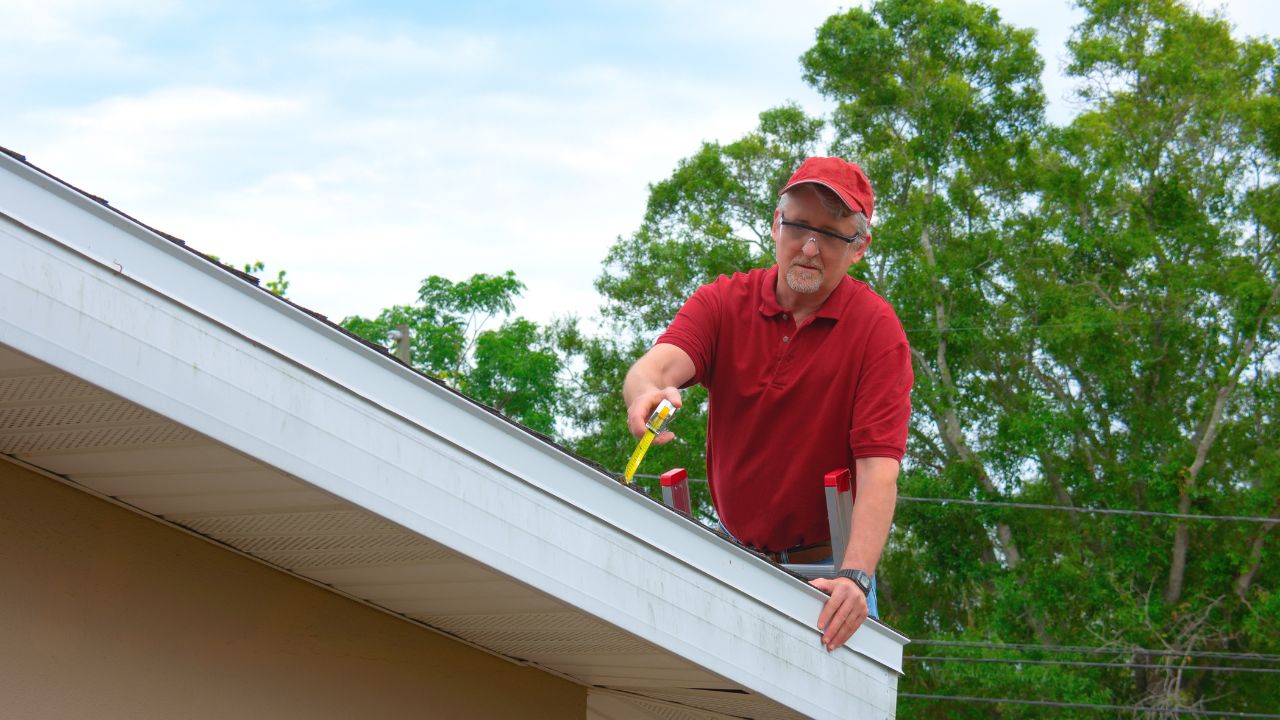
Ground-level inspection using quality binoculars allows you to examine ridge lines, valleys, roof edges, and visible shingle surfaces without dangerous roof access. Look for missing shingles, debris accumulation, sagging sections, or obvious damage from your yard's vantage points.
Interior attic inspection reveals problems invisible from outside: water stains on decking, daylight penetration through boards, damaged insulation, and moisture accumulation. These roof inspection tips help you gather information before deciding whether professional assessment is necessary.
Safety Precautions: Never access wet roofs or work during windy conditions. Proper footwear with soft rubber soles prevents additional shingle damage. Never inspect alone; always inform household members of your location. Photograph all concerns for contractor consultation.
The national average cost for roof inspection is $248, providing comprehensive professional assessment. Roof inspection typically ranges from $125 to $376 depending on home size and complexity. Physical roof inspection costs $75-$200 for basic visual assessment when roofs are safely accessible.
Advanced Inspection Methods: Drone inspection costs $150-$400 versus infrared inspection at $400-$600 for detecting hidden moisture. Steep pitches, multiple stories, or safety concerns justify drone technology. Infrared inspections identify moisture intrusion invisible during standard visual assessments.
Spring inspections reveal specific damage patterns that Michigan winters create. Early detection prevents minor issues from escalating into costly repairs requiring emergency contractor response. Water damage manifests in multiple ways, from obvious ceiling stains to subtle musty odors in upper rooms.
Interior water stains appear as brown rings or yellowish discoloration on ceilings and walls near roof connections. Active leaks produce dripping sounds during rainfall or visible moisture on surfaces below roof penetrations.
Attic inspection reveals the full extent of moisture intrusion: wet or compressed insulation, wood staining on decking or rafters, mold growth on surfaces, or musty odors indicating biological activity. Exterior algae streaks indicate prolonged moisture exposure.
Water travels along rafters before entering living spaces, the interior stain location rarely matches the actual roof penetration point. Trace leak sources by following water stains upward and outward along roof pitch. Professional leak detection may require water testing or infrared imaging when sources remain elusive.
Don't ignore small leaks hoping they'll resolve themselves. Seven great tips to maintain your roof include addressing leaks immediately before they cause structural damage.
Sagging ridge lines or visible dips between rafters indicate structural overload from snow accumulation or wood decay from moisture damage. These problems require engineering assessment before addressing surface symptoms.
Blocked soffit vents or inadequate ridge ventilation create temperature imbalances visible as frost accumulation during winter or excessive heat during summer. Your attic should feel only slightly warmer than outdoor temperatures on hot days.
Structural repairs require building permits and professional installation when modifications affect load-bearing components. Don't attempt DIY fixes on sagging roofs or structural concerns.
Damaged siding allows moisture infiltration that compromises roof connections and wall framing. Warped panels, visible rot, loose sections, or gaps around windows indicate problems requiring attention. Five signs it's time to replace your home's siding include these specific warning indicators that affect roof performance.
Vinyl siding holds 43.63% market share in 2025 and was the primary exterior material on 25.6% of single-family homes. However, vinyl can crack under impact during winter ice accumulation. Fiber cement siding represents the second most popular choice at 21.7%, offering superior durability.
Clogged gutters overflow and direct water behind fascia boards and beneath roof edges. This causes wood rot in fascia, soffit, and roof decking. Detached downspouts pool water near foundations, creating basement moisture problems.
Not all roof problems demand immediate action, but some require emergency response. Understanding repair urgency helps you budget appropriately and schedule work before contractors' summer rush begins.
Emergency repairs addressing active leaks or structural damage require a same-day or next-day contractor response. Preventive maintenance preventing damage progression, should schedule within 2-4 weeks. Cosmetic concerns can schedule during contractor availability windows.
Immediate Emergency Response Required: Active leaks constitute emergencies requiring professional response within 24 hours. Water entering your home damages insulation, drywall, flooring, and belongings while creating mold growth conditions. Structural concerns including sagging sections or damaged roof decking demand prompt engineering assessment.
Missing shingles exposing underlayment to the weather require repair within days to prevent water infiltration during spring storms. Temporary tarping may be necessary if contractor scheduling delays occur.
Minor repairs addressing isolated damage typically cost hundreds of dollars versus thousands for complete replacement. However, roofs approaching the end of their expected service life with multiple issues often make replacement more economical.
Comprehensive replacements allow material upgrades, improving energy efficiency and durability. Financing programs spread costs across manageable monthly payments while protecting your home properly.
Spring maintenance focuses on debris removal from roof surfaces and valleys where organic matter accumulates. Trim tree branches, maintaining six-foot clearance from your roof. This prevents leaf accumulation, animal access, and branch damage during storms.
Clean gutters twice annually, once in spring after trees bloom and once in fall after leaves drop. Apply zinc or copper strips below ridge caps to prevent algae growth if you've noticed dark streaking. Schedule professional cleaning for severe moss or algae infestations.
Proper maintenance extends roof lifespan 20-30% beyond average service life, that's an extra 5-7 years on asphalt shingle roofs.
Your home's exterior operates as an integrated system where component failures cascade through connected elements. Choosing the right siding for your home requires understanding how siding and roofing work together.
Comprehensive spring assessment reveals problems affecting multiple building systems before damage spreads. Addressing several areas during single contractor visits reduces costs.
Siding protects wall framing from moisture while supporting roof edge connections. Water overflow from damaged gutters stains or damages siding materials directly below problem areas. Inspect caulking around windows, doors, and all penetrations for separation, allowing water infiltration.
Vinyl siding may melt near improperly vented dryer exhausts or from concentrated sunlight reflected off windows. Fiber cement siding withstands Michigan weather extremes without warping, cracking, or melting. Wood siding requires annual inspection for rot, insect damage, or paint failure.
Vinyl siding replacement recoups 97% of cost at resale while fiber cement siding recoups 114% of cost, offering investment-grade returns.
Composite decking and pressure-treated wood both require spring inspection after winter freeze-thaw cycles. Composite decking requires only occasional washing without sealing or staining. Pressure-treated wood costs $3-$6 per square foot versus cedar at $4-$8 per square foot, but requires annual cleaning, sanding, and staining.
Composite decking costs $5-$13 per square foot with a 25-50 year lifespan. Cedar requires regular sealing to prevent drying, checking, and color loss. Spring inspection identifies boards requiring replacement before the summer entertaining season.
Check ledger board connections where decks attach to your home's structure. Look for rot, loose fasteners, or water damage around attachment points.
Remove leaves, twigs, shingle granules, and other debris that accumulated during winter and early spring. Verify that all downspouts discharge at least six feet from foundation walls using splash blocks or extensions.
Inspect gutter hangers for loosening caused by ice dam stress. Seal leaking joints with appropriate gutter sealant. Consider gutter guards if cleaning frequency becomes burdensome.
Proper drainage prevents basement moisture, foundation settling, and landscaping erosion.
Systematic spring roof inspection protects your Michigan home from cumulative winter damage. Follow this comprehensive checklist examining shingles, flashing, gutters, ventilation, and related exterior components.
Document findings with time-stamped photographs supporting contractor consultations and insurance claims. Prioritize repairs by addressing active leaks first, then structural concerns, followed by preventive maintenance.
Schedule professional inspections during April or early May allowing summer repair completion. Annual inspections create maintenance records demonstrating property stewardship to insurance companies and future buyers.
Michigan homeowners benefit from working with experienced professionals who understand regional climate challenges. Licensed contractors deliver quality repairs using materials proven to withstand local weather extremes.
At Alexandria Home Solutions, we provide comprehensive exterior inspections that identify problems before they escalate. Our team evaluates your complete roofing system, water management components, and related exterior elements. We explain findings in clear language without technical jargon or high-pressure sales tactics.
You receive detailed documentation with photographs, condition ratings, and prioritized recommendations based on urgency and budget. We help you understand which repairs protect your investment most effectively and which items can schedule during future maintenance windows.
Every member of our team is licensed, insured, and committed to delivering professional service. We stand behind our work with comprehensive warranties on materials and labor. Flexible financing options make necessary repairs accessible without disrupting your family's budget.
Don't let winter damage compound through another season. Contact our team today to schedule your comprehensive spring roof inspection and receive a detailed evaluation with clear recommendations for keeping your home safe, dry, and comfortable year-round.