Selecting the right patio door transforms how you connect indoor and outdoor living spaces. The choice between sliding patio doors and bi-fold doors affects space utilization, aesthetic impact, and long-term costs. Understanding these differences helps homeowners make decisions that align with their functional needs and design goals.
Sliding patio doors and bi-fold doors represent two distinct approaches to connecting interior spaces with outdoor areas. Each door type operates differently and offers unique advantages based on the opening mechanism and panel configuration.
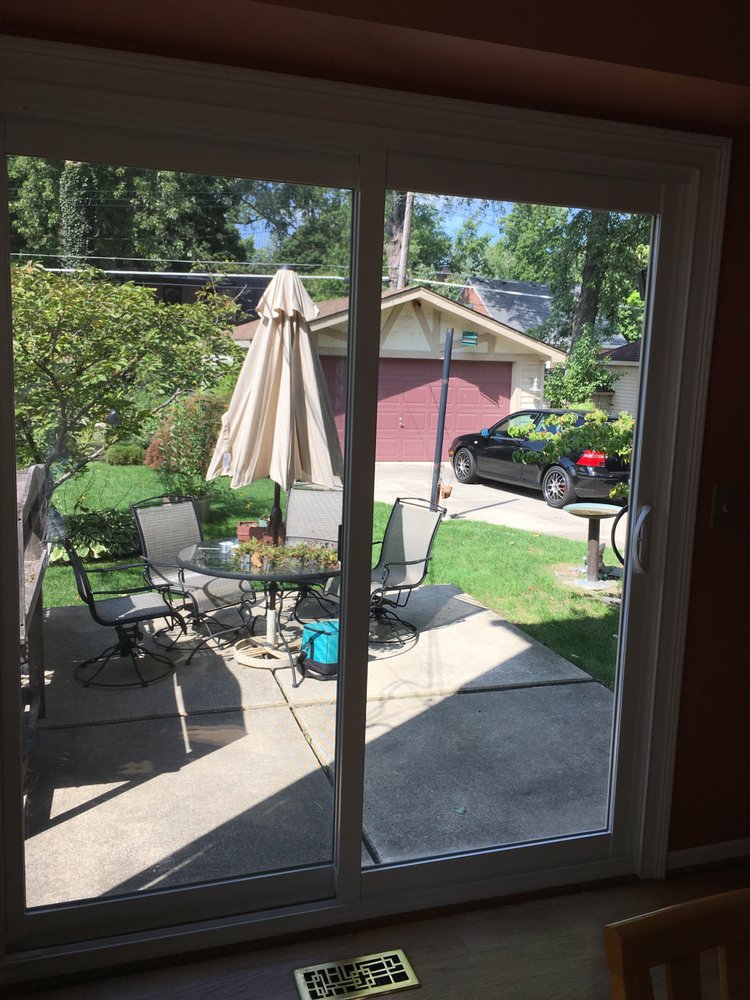
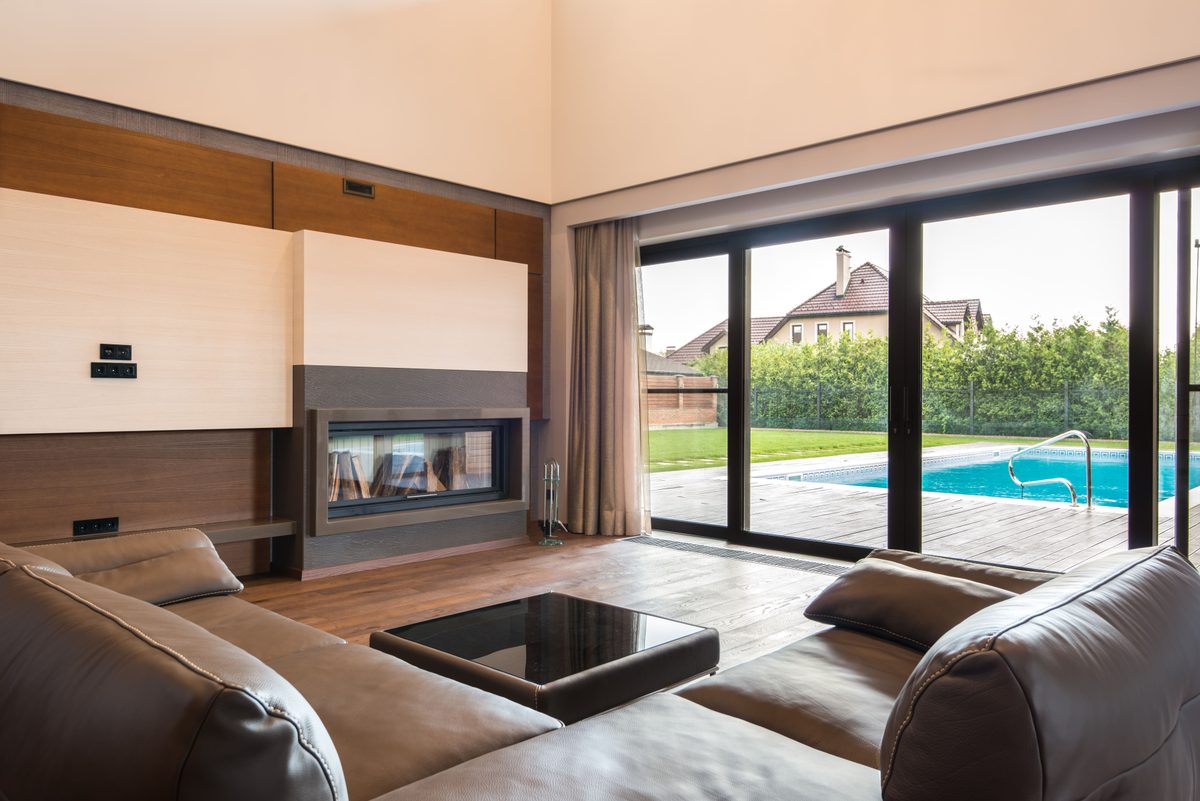
Sliding patio doors feature panels that slide horizontally on tracks installed at the top and bottom. One panel remains stationary while the other glides smoothly to create the opening. This design requires no clearance space beyond the door frame, making it ideal for compact areas. Modern sliding systems incorporate ball-bearing rollers and precision tracks for effortless operation.
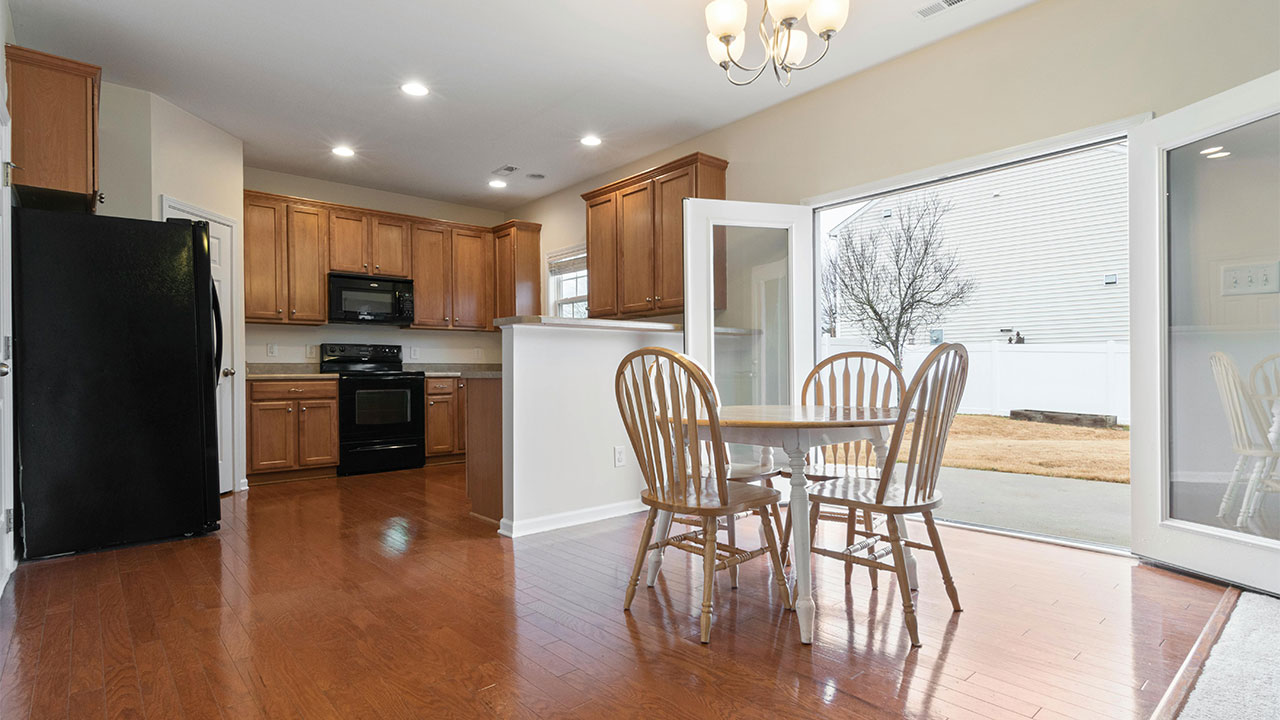
Bi-fold patio doors consist of multiple panels that fold accordion-style when opened. The panels connect with hinges and move along an overhead track system. Opening these doors creates a wide, unobstructed passage that eliminates the visual barrier between interior and exterior. The folding mechanism allows panels to stack neatly on one or both sides.
uPVC is a material used for doors with superior insulation properties and resistance to weathering. This synthetic material requires minimal maintenance and performs consistently across temperature fluctuations. Material selection impacts both thermal performance and aesthetic flexibility. Andersen's PermaShield line uses composite materials that combine durability with a wood-like appearance. Pella offers a lifetime warranty on wood products, providing long-term protection for homeowners who prefer natural materials.
Space efficiency varies significantly between sliding and bi-fold door systems based on operational requirements and opening capacity. The physical footprint and clearance needs determine which door type works best for specific installations.
Sliding patio doors are space-saving, easy to operate, and generally more affordable, but offer limited opening width compared to bi-fold doors. The parallel sliding action eliminates the need for clearance areas outside the door frame. Sliding doors hold 39.0% of the global doors market share by product type, reflecting their widespread adoption. Furniture placement and room layout remain unaffected since no swing radius exists.
Bi-fold patio doors allow for maximum opening width and a dramatic indoor-outdoor connection, but are significantly more expensive and require more maintenance to prevent jamming. The folding panels stack compactly to create openings spanning entire wall sections. This configuration works particularly well for Michigan living room design that emphasizes spacious transitions to outdoor areas. Multiple panels distribute the opening across a broader expanse than sliding systems can achieve.
Sliding doors excel in standard openings ranging from six to twelve feet wide. Their track system maintains stability without requiring complex hardware or additional structural support. Bi-fold doors cost difference can be thousands of dollars in premium applications for large openings like 16 feet. Large openings benefit from bi-fold systems that eliminate center posts and create fully open passages.
Design versatility and visual impact differ substantially between sliding and bi-fold door configurations. Material choices and panel arrangements create distinct aesthetic statements that complement various architectural styles.
64% of home buyers rated sliding patio doors as essential or desirable in the 2024 NAHB survey. The clean horizontal lines and minimalist profile align with contemporary design principles. The NAHB survey included over 3,000 recent and prospective home buyers, providing reliable preference data. Sliding glass panels maximize natural light while maintaining simple, uncluttered sightlines.
Bi-fold door systems create dramatic architectural statements by transforming solid walls into fully open passages. The accordion-style folding produces a striking visual effect when panels stack compactly. This configuration eliminates traditional thresholds and frames, creating seamless indoor-outdoor flow. Multi-panel arrangements allow for customized door replacement cost configurations that match specific opening dimensions.
Andersen offers sliding patio doors across five distinct series, providing options from budget-conscious to premium installations. Material selection determines color options, finish durability, and maintenance requirements. Marvin is positioned as a premium brand emphasizing high-quality wood and clad-wood constructions. Andersen offers the broadest lineup of sliding patio doors, accommodating diverse aesthetic preferences and price points.
Price differences between sliding and bi-fold systems reflect manufacturing complexity, hardware requirements, and installation demands. Understanding cost structures helps homeowners budget appropriately and evaluate long-term value.
Standard sliding patio doors range from $1,200 to $3,500, including materials and basic installation. uPVC and aluminum options occupy the lower price range, while wood and composite materials increase costs. Material durability and insulation performance justify higher initial investments through reduced maintenance and energy savings. Premium sliding systems with enhanced weatherstripping and multi-point locking mechanisms reach $5,000 or more.
Bi-fold doors are typically 20-50% more expensive than sliding equivalents due to complex hardware and precision engineering. Multiple hinges, track systems, and alignment mechanisms increase manufacturing and installation costs. Additional labor requirements for proper panel alignment and smooth operation contribute to higher installation fees. Premium bi-fold systems for large openings can exceed $10,000 before installation.
The cost gap between sliding and bi-fold doors widens proportionally as opening dimensions increase. Standard eight-foot openings show moderate price differences, while sixteen-foot spans create significant cost disparities. Multi-panel bi-fold configurations require additional hardware and structural reinforcement that compound expenses. Sliding doors maintain more consistent pricing across size variations due to simpler mechanical requirements.
Practical considerations beyond aesthetics and initial cost determine long-term satisfaction with patio door installations. Performance characteristics and operational requirements vary based on climate, usage patterns, and household needs.
Energy efficiency influences nearly three-fourths of homeowners across all generations when selecting patio doors. Thermal performance directly impacts heating and cooling costs throughout the year. 83% of home buyers consider ENERGY STAR-rated products essential or desirable for long-term savings. ENERGY STAR is a rating for energy-efficient products that meet strict performance standards. R-value measures insulation effectiveness, with higher numbers indicating better thermal resistance.
Sliding patio doors require periodic track cleaning and lubrication to maintain smooth operation. Weatherstripping replacement every few years ensures continued energy efficiency and weather protection. Bi-fold patio doors can jam and require more maintenance due to multiple hinge points and alignment sensitivity. Regular maintenance schedules prevent operational issues and extend door lifespan.
Sliding doors typically feature fewer moving parts, reducing mechanical failure points over time. Multi-point locking systems on modern sliding doors provide excellent security against forced entry. Bi-fold systems incorporate multiple locking points across panel connections, distributing security across the entire opening. Both door types benefit from tempered or laminated glass options that enhance impact resistance and security.
Demographic patterns and geographic conditions influence patio door choices across different market segments. Understanding these variables helps homeowners align selections with practical needs and investment priorities.
Millennials average $5,173 per year in home improvement spending, prioritizing modern design and smart features. Generation X averages $4,521 per year in home improvement spending, balancing quality with practical considerations. Baby Boomers average $3,595 per year on home improvements, often focusing on accessibility and maintenance reduction. Millennials spend 12.6% more than Generation X on home improvements, reflecting different lifestyle priorities. Millennials spend 30.5% more than Baby Boomers on home improvements, demonstrating higher investment in property enhancement.
Michigan's harsh winters and humid summers demand patio doors with superior weatherstripping and thermal breaks. Cold-climate installations require lower U-factors and higher R-values to minimize heat loss. Coastal regions prioritize corrosion-resistant materials while temperate zones allow broader material flexibility. Regional door selection criteria account for wind loads, snow accumulation, and temperature extremes.
The global patio doors industry is valued at USD 38 billion in 2022, demonstrating substantial market demand. The global patio doors industry is anticipated to reach USD 59.3 billion by 2032, indicating continued growth. Patio doors market CAGR of 4.6% projected reflects steady expansion driven by renovation and new construction. 26% of Gen Xers completed aging-in-place projects in 2024, addressing accessibility and safety needs. 29% of Boomers completed aging-in-place projects in 2024, prioritizing long-term home usability.
Installation complexity and daily operation differ significantly between sliding and bi-fold door systems. Professional installation ensures proper function, weatherproofing, and warranty compliance for both door types.
Sliding door installation typically requires four to six hours for experienced professionals. The process involves precise frame leveling, track alignment, and weatherstripping application. Bi-fold door installation demands eight to twelve hours due to multiple panel alignment and hinge adjustments. Structural modifications may be necessary to accommodate wider openings or support additional weight.
Sliding doors occasionally experience track debris accumulation that impedes smooth panel movement. Roller wear occurs gradually and requires periodic replacement to maintain effortless operation. Bi-fold doors face alignment drift over time as hinge pins settle and panel connections loosen. Panel sticking develops when temperature changes cause material expansion without proper clearance gaps.
Sliding doors require minimal physical effort to operate, making them suitable for users with limited mobility. Low-profile thresholds reduce tripping hazards and accommodate wheelchair access when properly installed. Aging-in-place upgrades are home improvements for accessibility and safety that benefit households with mobility considerations. Bi-fold doors demand more coordination to operate multiple panels simultaneously, potentially challenging for some users.
Choosing between sliding patio doors and bi-fold doors requires balancing functional requirements with aesthetic preferences and budget constraints. Sliding doors offer reliable performance, straightforward maintenance, and cost-effective installation for most residential applications. Bi-fold doors provide dramatic design impact and maximum opening capacity but demand higher investment and more attentive maintenance. Both systems enhance home value when properly installed and maintained according to manufacturer specifications.
Alexandria Home Solutions helps Michigan homeowners select and install patio doors that match their specific needs and design vision. Our experienced team ensures proper installation, weatherproofing, and long-term performance for both sliding and bi-fold systems.
Whether a sliding patio door fits your space better or a bi-fold system matches your design vision, Alexandria Home Solutions can help you choose and install the right option. Our team serves homeowners across Southfield, Birmingham, Novi, Rochester Hills, Troy, and Bloomfield Township with licensed, insured door installation backed by comprehensive warranties and transparent pricing. Contact us to schedule your free, no-pressure in-home consultation today.