
Key Takeaways:
Home equity loans transform accumulated property value into remodeling capital. This financing approach leverages your home's appreciation to fund improvements without depleting savings. However, using your property as collateral introduces risks that cash payments avoid. Understanding when borrowing makes sense requires evaluating project scope, financial position, and long-term goals.
This guide examines home equity loan mechanics, compares financing options, and outlines decision criteria for borrowing versus paying cash. Whether planning a kitchen renovation or whole-home update, informed financing choices protect both your project and financial security.
Home equity loans provide lump-sum funding secured by your property. You borrow against accumulated equity—the difference between home value and mortgage balance. The loan functions as a second mortgage with fixed terms and predictable payments.
Home equity loans deliver complete project funding upfront in a single disbursement. Current market rates range from 6.49-7.81% interest for qualified borrowers. This lump sum covers contractor deposits, material purchases, and project costs as they occur. Fixed interest rates and set repayment terms create predictable monthly obligations throughout the loan period.
Unlike credit cards or personal loans, home equity products leverage your property's value to secure lower rates. The collateral reduces lender risk, translating to more favorable borrowing terms. Monthly payments include principal and interest, gradually reducing the balance over the loan's 5-30 year term.
Home equity loans provide fixed amounts, fixed rates, and fixed terms. You receive all funds immediately and repay through equal monthly installments. This structure differs from HELOCs, which function like credit cards with variable rates and flexible draw periods.
The fixed structure offers stability absent from variable-rate products. Your payment remains constant regardless of market rate changes. This predictability simplifies budgeting and protects against rising interest rates. However, you pay interest on the full amount from day one, even if your project phases over several months.
Lenders typically require 15-20% equity remaining after the loan. If your home values at $300,000 with a $200,000 mortgage balance, you have $100,000 equity. Lenders might loan up to $80,000-85,000, leaving the required cushion. Most lenders cap combined loan-to-value (CLTV) ratios at 80-85%.
Sufficient equity determines borrowing capacity. Recent home appreciation in Detroit Metro markets increases available equity for many homeowners. However, equity alone doesn't guarantee approval—income, credit, and debt ratios matter equally.
Financing makes sense when project benefits exceed borrowing costs. This calculation involves cash flow analysis, opportunity cost evaluation, and timeline considerations. The decision depends on your specific financial situation and project urgency.
Large projects depleting emergency funds justify financing. If your remodel costs $50,000 and savings total $60,000, paying cash leaves minimal cushion for unexpected expenses. Financing preserves liquidity while enabling project completion.
Urgent projects—roof failures, structural issues, failing HVAC systems—sometimes require immediate action before sufficient savings accumulate. Financing addresses these needs without delay. However, purely aesthetic updates can wait until cash becomes available, avoiding interest costs entirely.
Market timing sometimes favors immediate action despite limited cash. Contractor availability, material pricing, or seasonal factors create windows of opportunity. Financing captures these advantages when waiting means higher future costs or extended timelines.
Property value considerations also influence timing. If delaying your remodel means selling an outdated home at reduced price, financing the improvements now might deliver better net returns. Calculate whether borrowing costs offset potential value losses from postponement.
Borrowing should support wealth-building, not undermine it. If your remodel increases home value substantially, financing makes strategic sense. Projects delivering strong returns justify interest costs through property appreciation and improved quality of life.
However, borrowing for low-ROI improvements or purely personal preferences requires scrutiny. Can you comfortably manage payments alongside existing obligations? Does the project serve long-term ownership plans or prepare the home for near-term sale? Alignment between financing decisions and broader financial objectives determines whether borrowing makes sense.
Home equity loans offer distinct benefits over unsecured financing and cash payments. These advantages stem from collateralized lending, favorable tax treatment, and strategic capital allocation. Understanding these benefits helps evaluate whether this financing approach fits your situation.
Fixed-rate structures eliminate payment uncertainty. Your monthly obligation stays constant from first payment to final payoff. This stability simplifies long-term budgeting and protects against rate volatility affecting variable-rate products.
Predictable payments integrate easily into household cash flow planning. You know exactly what you'll owe monthly for the loan's full term. This certainty contrasts with HELOCs, where payment fluctuations complicate financial planning and create potential budget stress during rate increases.
Collateralized loans carry substantially lower rates than unsecured alternatives. Personal loans typically charge 8-15% interest or higher. Credit cards exceed 18-25% for many borrowers. Home equity loans at 6.49-7.81% deliver significant interest savings over project timelines.
These rate advantages compound over long repayment periods. A $50,000 loan at 7% versus 12% saves over $15,000 in total interest across a 15-year term. Lower rates reduce total project costs and improve cash flow through smaller monthly payments.
Strategic borrowing funds improvements that enhance property value. National remodeling ROI increased 5.2% in 2024, indicating strong value recovery on quality improvements. Financed renovations can generate equity gains exceeding interest costs when projects are chosen wisely.
This approach transforms dormant equity into active value creation. Rather than leaving equity idle, you deploy it to improve property condition, functionality, and marketability. Well-executed remodels funded through home equity can yield net positive returns even after accounting for financing costs.
Interest may qualify as deductible when funds improve the property securing the loan. IRS rules permit deductions for home acquisition debt and qualified residence improvements. This tax treatment potentially reduces effective borrowing costs for eligible taxpayers.
However, tax law complexity requires professional guidance. Deductibility depends on loan amount limits, how you use funds, and whether you itemize deductions. Consult tax professionals before assuming deductibility—the 2017 Tax Cuts and Jobs Act changed many homeowners' ability to benefit from this provision.
Home equity loans introduce risks absent from cash payments. Using your property as collateral, paying interest and fees, and managing repayment obligations create potential problems. These drawbacks require careful consideration before committing to secured borrowing.
Secured debt makes your home vulnerable to foreclosure if payments lapse. Unlike unsecured debt, defaulting on home equity loans triggers legal action that can result in property loss. This risk magnifies during income disruptions, medical emergencies, or economic downturns.
Your home represents both shelter and wealth. Collateralizing it for remodeling improvements concentrates risk. Consider whether project benefits justify this exposure. Essential updates like roof repairs protecting structural integrity might warrant this risk, while purely aesthetic changes may not.
Closing costs typically consume 2-5% of loan amounts. A $50,000 loan might require $1,000-2,500 in upfront fees—appraisal, origination, title search, recording fees. These costs add to total project expense and must be factored into borrowing decisions.
Some lenders impose prepayment penalties discouraging early payoff. These clauses protect lender interest income but limit your flexibility to refinance or eliminate debt ahead of schedule. Review all fee structures and penalty provisions before signing loan agreements.
Fixed monthly payments become burdensome when income declines unexpectedly. Job loss, medical issues, or business setbacks that eliminate discretionary income don't eliminate loan obligations. Missing payments damages credit and risks foreclosure proceedings.
Budget stress intensifies when other expenses increase simultaneously. Property taxes, insurance premiums, and maintenance costs rise over time. Adding loan payments to these obligations requires confidence in stable, sufficient income throughout the entire repayment period.
Excessive borrowing for low-return projects wastes money on interest for minimal benefit. HVAC conversions costing $19,060 recover only 56.7% at resale—borrowing for such projects rarely makes financial sense unless system failure forces replacement.
Over-improving beyond neighborhood standards particularly damages ROI. Borrowing $100,000 for luxury finishes in a modest neighborhood means paying interest on improvements you'll never recover. Match project scope and borrowing amounts to realistic value recovery potential.
Lender approval depends on multiple factors assessing your ability and likelihood to repay. Equity position, creditworthiness, income stability, and debt load all influence qualification. Understanding these criteria helps set realistic expectations before applying.
Lenders cap combined loan-to-value ratios at 80-85% typically. This limit includes your first mortgage plus the new home equity loan. If your home values at $400,000 with a $250,000 first mortgage, maximum CLTV of 85% allows $340,000 total debt—leaving $90,000 potential borrowing capacity.
Higher equity positions increase borrowing options. Homes with substantial appreciation or significant principal paydown qualify for larger loans. Conversely, recent purchases or areas with flat appreciation may lack sufficient equity for meaningful home equity loan amounts.
Credit scores above 680 typically access best rates, while scores below 620 often face denial or unfavorable terms. Your score reflects payment history, credit utilization, and financial management. Higher scores signal lower default risk, enabling better loan terms.
Debt-to-income ratios compare monthly debt payments to gross income. Most lenders require DTI below 43-50%. If you earn $8,000 monthly and carry $2,000 in debt payments, your 25% DTI leaves room for home equity loan payments. Higher DTI reduces borrowing capacity or prevents approval entirely.
Lenders review project scope to verify improvements justify loan amounts and enhance property value. Detailed contractor estimates, architectural plans, and material specifications demonstrate serious planning. These documents help lenders assess whether your project increases collateral value proportionate to loan size.
Value-add potential influences approval decisions. Projects clearly improving marketability and property values receive more favorable consideration than purely personal preference improvements. Kitchen and bathroom renovations typically gain easier approval than specialty spaces with limited buyer appeal.
Multiple financing paths exist for remodeling projects. Each option carries distinct costs, risks, and benefits. Comparing alternatives reveals which approach best suits your financial situation and project requirements.
Home equity loans provide lump sums with fixed rates. HELOCs offer credit lines with variable rates, allowing you to draw funds as needed. Loans suit projects with defined costs and fast timelines. HELOCs benefit extended projects with uncertain costs or phased construction.
HELOCs charge interest only on drawn amounts, potentially reducing costs for staged projects. However, variable rates create payment uncertainty and possible budget disruption. Fixed-rate home equity loans cost more initially when funds sit unused but protect against rate increases and deliver payment stability. Current market data from sources like the 2024 Cost vs. Value Report, NAHB, Bureau of Labor Statistics, and Michigan Remodelers Association helps compare these options using regional cost benchmarks.
Personal loans charge higher interest—often 8-15%—but require no collateral. Your home stays secure regardless of repayment performance. However, higher rates increase total costs substantially over longer terms. These products suit smaller projects or borrowers with insufficient home equity.
Credit cards and retail financing typically carry the highest rates—18-30% commonly. They offer convenience and immediate access but punish borrowers through expensive interest charges. Reserve these options for small expenses or situations where promotional 0% periods allow interest-free repayment within 12-18 months.
Cash-out refinancing replaces your existing mortgage with a larger loan, pulling equity out as cash. This approach makes sense when current rates sit below your existing mortgage rate. You potentially lower your primary mortgage rate while extracting remodeling funds simultaneously.
However, cash-out refinancing costs more in closing fees—often 2-6% of the new loan amount. This option only makes financial sense when rate differences or loan term changes offset these costs. If current rates exceed your existing mortgage rate significantly, maintaining your low-rate first mortgage and adding a home equity loan proves more economical.
Systematic evaluation prevents financing mistakes. These five steps guide you through borrowing decisions using data, risk assessment, and scenario planning. Thorough analysis now prevents regret later.
Define exactly what you're building, remodeling, or repairing. Vague scope creates budget uncertainty and complicates financing decisions. Detailed plans—architectural drawings, material specifications, fixture selections—establish accurate cost estimates contractors can bid against.
Timeline urgency influences financing necessity. Projects requiring immediate completion due to structural issues, system failures, or seasonal constraints may justify borrowing despite preference to save. Discretionary improvements allow time for cash accumulation, potentially avoiding debt entirely.
Calculate complete project costs including contingencies. Older homes require 15-20% contingency allocations for hidden conditions and unforeseen complications. Minor kitchen remodels average $27,192, recovering 86.7% at resale. Bathroom remodels cost $25,993, recouping 70.8%. Deck additions run $16,434, returning 63.6%.
These benchmarks establish realistic budgets. Add contingency percentages based on project complexity and home age. This total represents your actual funding need—the amount you'll either pay cash or finance. Underestimating costs forces mid-project financing scrambles or quality compromises.
Calculate available equity using current market values. Detroit Metro encompasses diverse markets—Detroit proper, Ann Arbor, Bloomfield Hills, Troy, and broader Southeast Michigan all show different appreciation patterns. Recent comparable sales establish realistic valuations for equity calculations.
Determine comfortable monthly payment amounts. Review current obligations and discretionary income. Can you manage additional $500-1,000 monthly payments for 10-15 years? Stress-test this assumption against potential income changes or expense increases. Conservative payment capacity estimates prevent future financial strain.
Shop at least three lenders—banks, credit unions, and online lenders each offer different terms. Compare interest rates, fees, repayment terms, and prepayment provisions. Small rate differences generate large savings over long terms. A 0.5% rate reduction on $50,000 over 15 years saves $2,000+ in interest.
Explore financing options thoroughly before committing. Request good faith estimates showing all costs and terms. Read fine print regarding rate locks, closing timelines, and penalty clauses. Don't accept first offers—lenders expect negotiation and often match competitors' terms.
Model worst-case scenarios before borrowing. What happens if income drops 25%? Can you still manage payments? If property values decline 10%, does your equity cushion remain adequate? These uncomfortable questions reveal whether you're overleveraging.
Consider market cycle positioning. Are you borrowing near peak valuations during strong markets? Economic downturns reduce both property values and income security simultaneously. Conservative borrowing amounts and substantial remaining equity protect against this double exposure during inevitable market corrections.
Risk management strategies protect your financial security when using home equity loans. Smart planning, disciplined execution, and continuous monitoring prevent common pitfalls that transform reasonable borrowing into a financial crisis.
Maintain separate contingency reserves beyond loan proceeds. Don't borrow your absolute maximum—leave an equity cushion for property value fluctuations. If your project needs $50,000, consider borrowing $55,000-60,000 to cover surprises rather than requiring additional financing mid-project.
This buffer prevents desperate decisions when unexpected costs emerge. Hidden structural issues, code compliance requirements, and material substitutions happen regularly. Having protective reserves means addressing these problems without project delays or quality compromises forced by funding constraints.
Structure payments around completed milestones, not calendar dates. Pay deposits only after contract signing with clear scope documentation. Schedule subsequent payments for completion of specific phases—foundation, framing, rough mechanicals, finish work.
Never pay in advance of work performance. This payment discipline protects against contractor abandonment and poor workmanship. Milestone-based funding also aligns with how most lenders disburse construction loans, creating natural synchronization between loan proceeds and project needs.
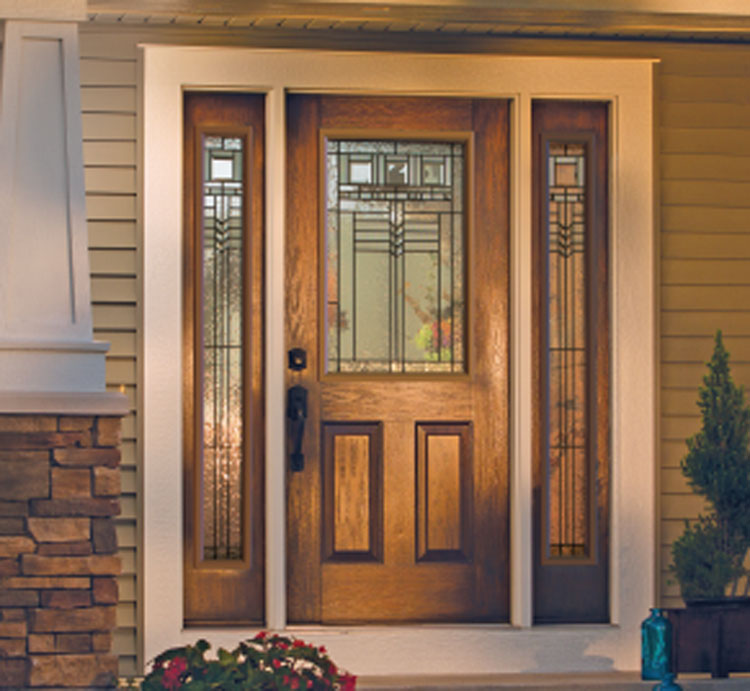
Resist mid-project upgrades that seem small individually. Garage door replacements cost $4,467, delivering 149% ROI. Steel entry door upgrades run $2,323, recovering 124.8%. Manufactured stone veneer adds $10,655, returning 94.2%. These individually reasonable improvements accumulate rapidly.
Five such "small" upgrades consume $30,000 of borrowing capacity. That's $30,000 you'll pay interest on for years. Lock selections before construction begins. Defer additional improvements to future projects funded by savings rather than expanding current debt obligations.
Long-term thinking separates wise borrowing from financial mistakes. Consider how this debt fits into your broader financial picture, what returns justify interest costs, and when strategic moves improve your position.
Calculate net monthly cash flow changes. New loan payments reduce discretionary income available for retirement savings, emergency funds, or other financial goals. If adding $750 monthly payments means reducing retirement contributions by the same amount, you're trading long-term security for current improvements.
Debt strategy alignment matters equally. Are you systematically reducing debt or strategically using it? Adding home equity loans while carrying high-interest credit card balances makes little sense. Address expensive debt first, then consider lower-rate home equity borrowing for value-adding improvements.
Garage door replacement delivers the highest returns at 149-157.6% cost recovery. Minor kitchen remodels provide the best interior investment at 86.7-90.6% ROI. Understanding these benchmarks helps evaluate whether your specific project justifies borrowing.
Calculate break-even points including interest costs. A $30,000 kitchen remodel recovering 86.7% ($26,000) at a 7% interest rate over 10 years costs roughly $11,600 in interest. Total investment of $41,600 for $26,000 value recovery shows negative net return. This project makes sense only if extended occupancy and quality-of-life benefits justify the financial cost.
Grand entrance upgrades cost $11,566, recovering 72.8%. Fiber-cement siding runs $22,350, recouping 72.4%. Vinyl window replacement costs $21,710, returning 65%. Wood windows run $25,435, recovering 61.4%. Vinyl siding costs $18,269, recouping 61.1%. These moderate-return projects might justify early payoff when income increases or windfalls occur.
Consider refinancing if rates drop 1%+ below your loan rate. Savings from lower rates often offset refinancing costs within 2-3 years. Re-amortization—extending terms to reduce payments—helps during temporary income disruptions but increases total interest costs substantially over the life of the loan.
Decision clarity enables effective action. Whether choosing to borrow or pay cash, specific next steps transform analysis into results. Clear planning prevents implementation mistakes that undermine good financing decisions.
Clarify all fees, penalties, and terms before signing. What are the total closing costs? Are there prepayment penalties? How long does funding take after approval? What happens if you need additional funds mid-project? When do payments begin—immediately or after construction completes?
Request loan-specific questions too. Is the rate truly fixed or does it adjust? Are there balloon payments at term end? What insurance requirements exist beyond standard coverage? Can you port the loan to a new property if you sell before payoff? Comprehensive questioning prevents costly surprises.
Discuss how contractors handle project changes and cost overruns. What's included in the bid and what's excluded? How do they manage material price fluctuations during construction? What's their change order process and approval timeline?
Clarify payment expectations. When do they expect deposits, progress payments, and final payment? How do they handle construction delays caused by weather, material shortages, or inspection issues? What warranties or guarantees cover their work? Comprehensive services should include clear documentation addressing all these points.
Create detailed project timelines with funding milestones. If financing, coordinate loan closing with project start dates. If paying cash, establish transfer schedules from savings to contractor accounts. Document everything—approved plans, material selections, payment schedules, change order processes.
Build communication protocols with contractors and lenders. Weekly progress meetings, monthly budget reviews, and immediate notification of any surprises keep projects on track. This discipline matters equally whether financing or paying cash—financial structure doesn't replace project management.
Home equity loans provide powerful funding tools when used strategically. Current rates of 6.49-7.81% offer reasonable borrowing costs for value-adding improvements. However, collateralizing your home demands careful analysis of project ROI, personal financial capacity, and long-term goals. The right choice balances immediate project benefits against ongoing payment obligations and property value impacts.
Contact Alexandria Home Solutions today for comprehensive remodeling consultations that help you understand project costs, timeline requirements, and realistic value recovery expectations. Our experience with Detroit Metro projects ensures your financing decisions rest on accurate cost estimates and achievable ROI projections tailored to Southeast Michigan's unique market conditions.