Choosing the right siding color involves more than aesthetic preference. Your decision affects curb appeal, energy efficiency, maintenance costs, and resale value for decades.
Most homeowners underestimate how climate, architecture, and material type influence color selection success. This guide provides data-driven strategies to help you make confident choices that enhance both beauty and performance.
Stucco was the most common principal siding material at 26.8% in 2023. Vinyl siding captured 25.6% of market share, while fiber cement secured 21.7%.
Fiber cement increased its market share by 14.2 percentage points since 2003. Vinyl siding dropped 12.8 percentage points during the same period, reflecting shifting consumer priorities toward durability.
Vinyl siding is manufactured from polyvinyl chloride and consists of hollow interlocking panels. Fiber cement is manufactured from a blend of cement, sand, and cellulose fibers. Vinyl never needs painting and resists insects and water damage effectively. Fiber cement siding offers fireproof protection and insect resistance but must be refinished periodically.
Wood is vulnerable to rot and insects without consistent protective treatment. Wood requires refinishing every 3 to 7 years to maintain appearance and structural integrity.
Aluminum is completely immune to rust but has potential for denting under impact. Steel is highly durable and dent-resistant, making it ideal for severe weather climates.
Insulated siding typically features a rigid foam backing adhered to vinyl panels. This construction bridges thermal gaps and improves overall energy performance significantly.
Insulated vinyl adds a premium of $4 to $8 per square foot over standard vinyl. Insulated siding can lower heating and cooling costs by 5% to 15% annually, with the global energy-efficient siding market valued at $11.2 billion in 2024.
Siding color directly influences buyer perception and property valuation at resale. Buyers historically pay up to 7% more for homes with excellent curb appeal.
Material and color choices also affect long-term maintenance costs and energy efficiency. Strategic siding color selection enhances visual appeal while supporting practical performance goals.
Approximately 65% of homeowners prefer neutral siding colors for their timeless appeal. Millennials (ages 30-45) average $5,173 per year on home improvement spending, significantly outpacing older generations.
Generation X (ages 46-61) averages $4,521 annually, while Baby Boomers average $3,595. Nearly three-quarters of homeowners across all generations prioritize energy efficiency over aesthetic trends.
20% of homeowners prefer off-white or cream exterior siding colors for versatility. 14% choose white, 12% select light gray, and 11% favor light brown tones.
9% prefer medium blue as their primary exterior color choice. These neutral siding colors remain consistent across geographic regions and demographic groups nationwide.
The South represents the largest regional market for siding in the United States. The Southeast favors moisture-resistant options like metal siding, brick, and fiber cement due to humidity.
The Southwest prioritizes fire-resistant materials like stucco and fiber cement for wildfire protection. The Pacific Northwest leans toward decorative stone and engineered wood that withstands significant rainfall.
Matching siding color requires analyzing your home's architectural style and surrounding landscape. Traditional Colonial homes typically suit classic white or cream tones that emphasize symmetry.
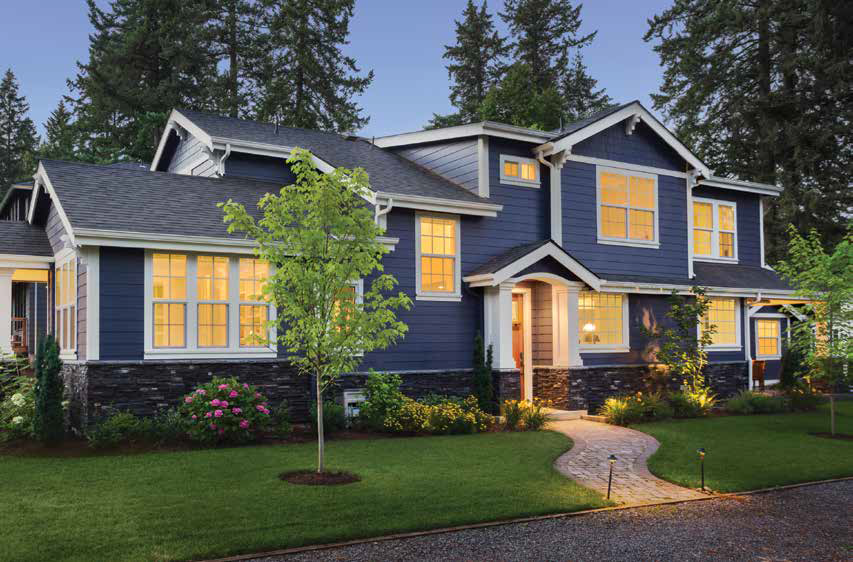
Contemporary designs often benefit from bold contrasts like charcoal gray or deep navy. Craftsman-style homes pair well with natural earth tones that complement wood trim details.
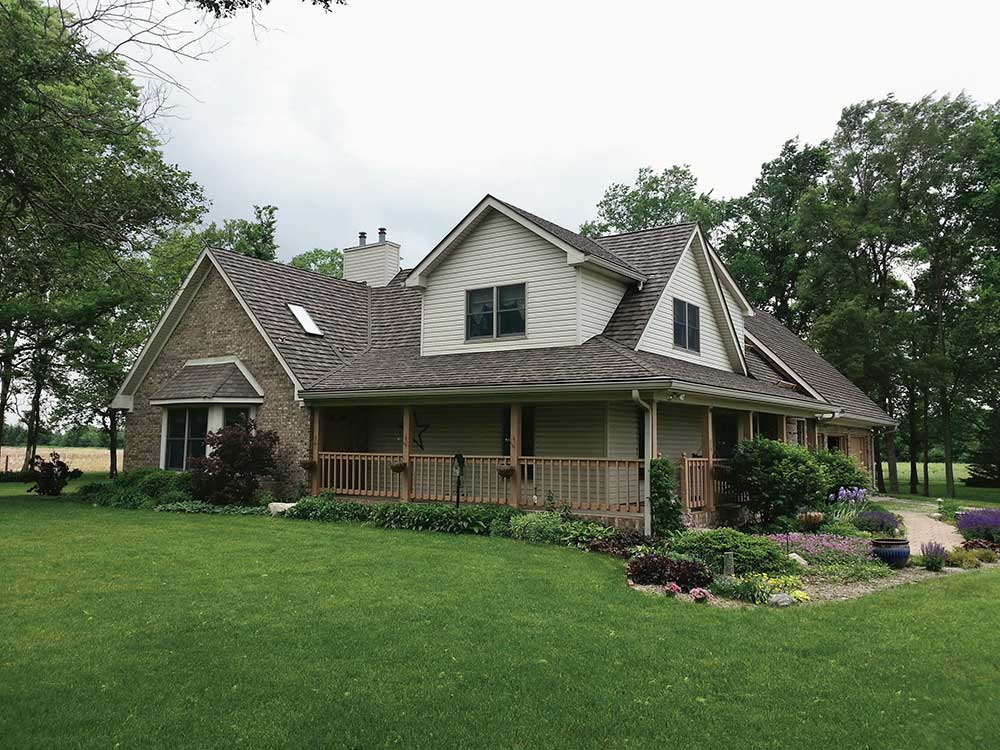
Your roof color establishes the dominant tone for your entire exterior palette. Dark roofs pair best with lighter siding to create visual balance and reduce heat absorption.
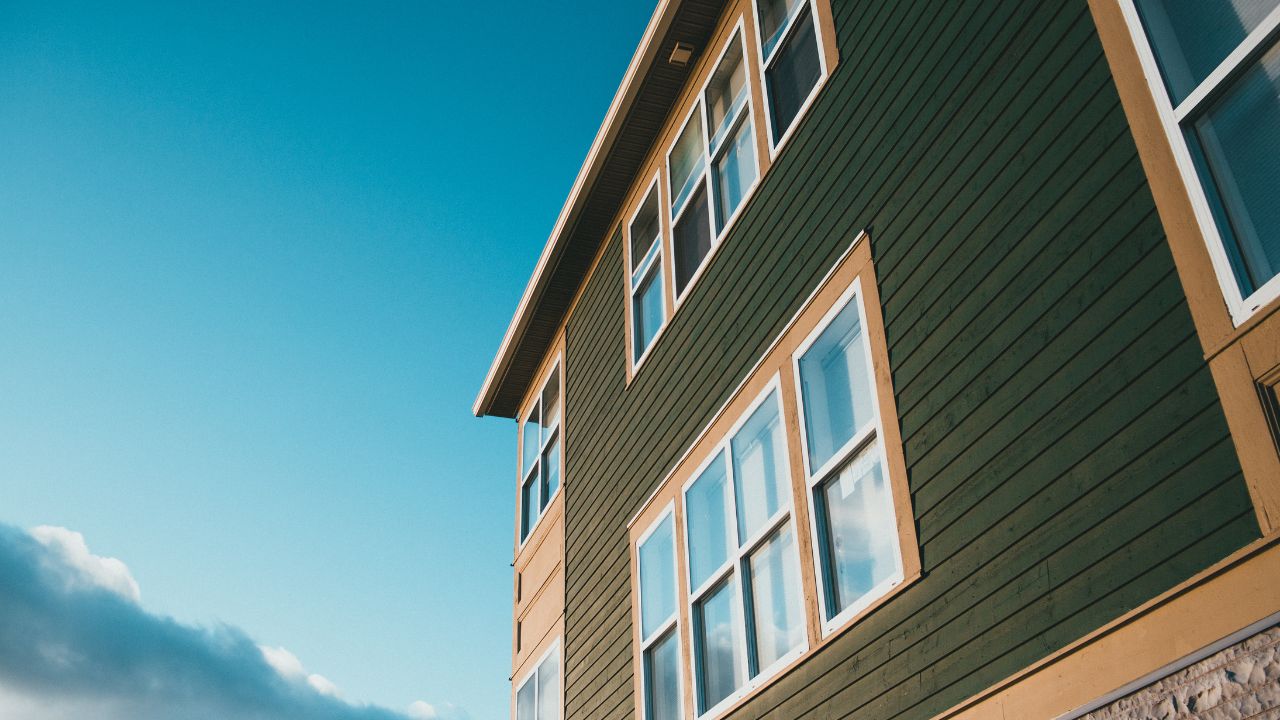
Light roofs allow more flexibility with medium or darker siding options. Trim color should create sufficient contrast without overwhelming the primary siding hue.
Neighborhood aesthetics influence perceived home value and community cohesion significantly. Observing dominant color palettes helps ensure your choice feels harmonious rather than jarring.
Regional architectural traditions often dictate acceptable color ranges for historic districts. Michigan homes' siding frequently features colors that complement seasonal foliage and winter snow coverage.
Neutral colors maximize resale appeal by appealing to the broadest buyer demographic. Bold colors express personal style but may limit buyer interest during resale.
Neutral choices like gray, beige, and white maintain value across market fluctuations. Bold colors work best when integrated with neutral accents to balance visual impact.
Material performance directly affects how color appears and endures over time. Different materials reflect light differently and age at varying rates under weather exposure.
Installation quality determines whether your chosen color maintains its intended appearance long-term. Professional assessment helps identify potential issues before you commit to final selections.
Factory coatings on fiber cement last significantly longer than painted wood alternatives. Fiber cement requires less frequent refinishing than natural wood, reducing long-term costs.
Vinyl is more prone to color change under ultraviolet light compared to alternatives. Vinyl and metal are largely maintenance-free, while properly maintained fiber cement retains color vibrancy for decades with minimal intervention.
Energy efficiency ranks higher than smart home technology or general sustainability for most homeowners. The energy-efficient siding market is forecasted to reach $22.7 billion by 2033.
Lighter colors reflect more sunlight, reducing cooling costs in warmer climates significantly. Darker colors absorb heat, which can benefit homes in colder regions by reducing winter heating costs.
Natural lighting changes throughout the day, altering how siding colors appear visually. Morning and evening light cast warmer tones, while midday sun reveals true color saturation.
Seasonal variations affect perception as surrounding landscape colors shift dramatically. Test samples on your home's exterior at different times and weather conditions before finalizing choices.
Material selection significantly impacts both upfront costs and long-term financial returns. Premium materials often deliver better ROI through enhanced durability and buyer appeal.
Color choice within each material category typically affects price minimally compared to material quality. Understanding these cost dynamics helps you balance budget constraints with performance expectations effectively.
Standard builder-grade vinyl costs $7 to $12 per square foot installed. Premium vinyl costs $12 to $18+ per square foot installed for enhanced durability.
Fiber cement costs between $10 and $20 per square foot, depending on style. Metal siding costs between $6 and $15+ per square foot installed, while wood is generally the most expensive siding option.
Fiber cement siding returns 88.4% of project costs at resale on average. Vinyl siding returns up to 97% of project costs, making it highly cost-effective.
Fiber cement siding replacement has 114.0% average ROI at resale in some markets. Strategic siding upgrades boost curb appeal and attract premium offers from motivated buyers consistently.
Quality and price are approximately three times more influential than other factors in siding decisions. Request all-inclusive estimates covering teardown, materials, installation, and disposal to avoid hidden costs.
Hire contractors with at least five years of local experience for reliable results. Check for manufacturer certifications when hiring contractors to ensure proper installation and warranty coverage.
Most regrets stem from rushing decisions without adequate testing or professional guidance. Inadequate research leads to mismatched colors, poor material choices, and unexpected maintenance burdens.
Taking time to evaluate samples, consult experts, and consider long-term implications prevents costly mistakes. Systematic planning ensures your siding color selection delivers satisfaction for decades ahead.
Shoddy installation can allow moisture to seep into the home's structure, causing mold or rot. Vinyl can rattle in high winds or crack under impact without proper attachment.
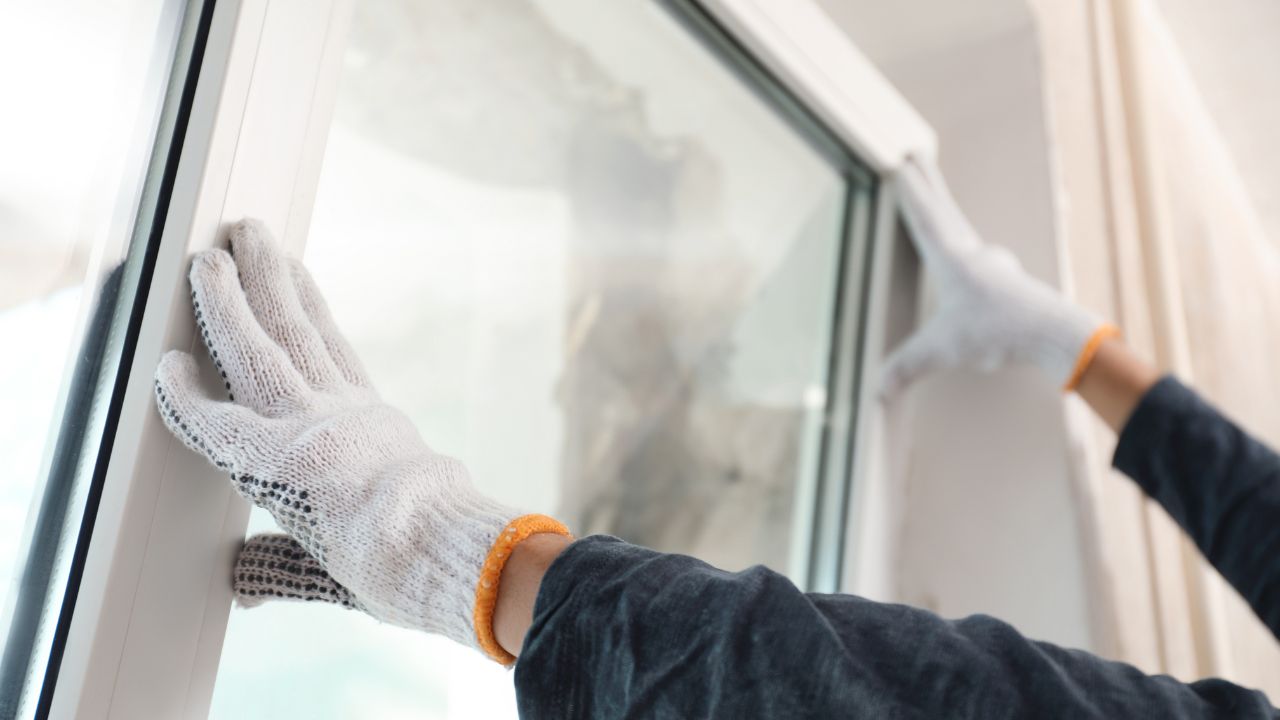
Fiber cement is heavier, requiring specialized installation techniques to prevent structural issues. Professional installation services ensure proper flashing, ventilation, and attachment that preserve both appearance and performance.
Order large sample panels and mount them on your home's exterior walls. Observe samples under various lighting conditions throughout the day and across multiple days. Digital visualization tools offer helpful previews but cannot replicate actual material textures accurately. Physical samples provide the most reliable representation of final appearance and color accuracy.
Choose colors that complement permanent features like roofing, stonework, and landscaping elements. Avoid trendy colors that may feel dated within five to ten years.
Consider fade-resistant coatings that maintain color vibrancy in harsh sunlight and weather exposure. Document your color selections and manufacturer information for future repairs or additions.
Successful siding color selection follows a systematic process from initial research through final installation. Breaking the process into manageable steps reduces overwhelm and improves decision quality.
Following a structured approach ensures you consider all relevant factors before committing financially. This methodical strategy minimizes regrets and maximizes satisfaction with your final results.
Start by photographing your home from multiple angles under various lighting conditions. Identify permanent features like roof color, brick, stone, and landscape elements that influence choices.
Visit local neighborhoods to observe successful color combinations on similar architectural styles. Create a shortlist of three to five color options that suit your preferences and constraints.
Discuss regional climate challenges and how material choices address local weather patterns effectively. Ask about maintenance requirements, expected lifespan, and warranty coverage for each option.
Request references from recent projects with similar materials and color selections nearby. Verify licensing, insurance, and manufacturer certifications before signing any agreements or contracts.
A square of siding refers to 100 square feet of coverage area. Full vinyl siding replacement for 1,500-2,500 square foot homes ranges from $20,000 to $42,000. Average fiber cement installation projects total approximately $21,000 depending on home size and complexity. Schedule projects during mild weather to avoid delays and ensure optimal installation conditions.
Selecting the right siding color combines aesthetic judgment with practical performance considerations and financial planning. Your choice affects daily satisfaction, energy costs, maintenance obligations, and resale value simultaneously.
This guide provides the framework to make informed decisions that balance personal preferences with market realities. Following these strategies helps you avoid common pitfalls and achieve lasting satisfaction with your investment.
Alexandria Home Solutions understands that Michigan homeowners need siding solutions that withstand harsh winters while enhancing curb appeal. Our licensed professionals help you navigate material and color choices that deliver both beauty and performance.
Ready to transform your home's exterior with expert guidance on comprehensive siding selection? Contact us today for a free consultation and discover how the right siding color can enhance your home's value and comfort.