
French doors can deliver the natural light and indoor-outdoor flow that many homeowners seek during a home renovation. In Michigan, however, the decision also depends on swing clearance, winter drafts, security considerations, and whether the cost premium fits your budget and design goals.
Below, you'll find price ranges, style and material options, energy-performance ratings, security features, and a side-by-side comparison with sliding patio doors, plus practical criteria for deciding whether French doors suit your space and climate. Our team installs French doors and handles door installation across suburban Michigan, and we can walk you through every decision.
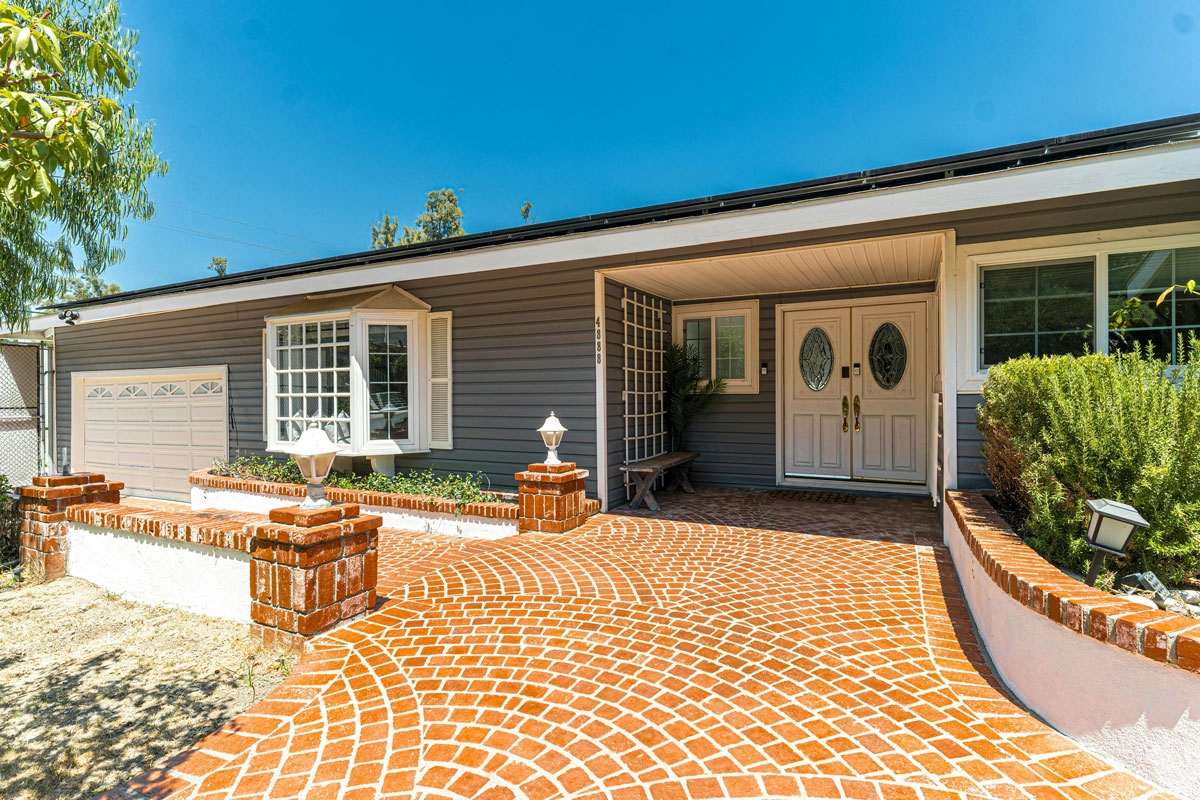
French doors feature two hinged panels that open from the center, creating a wide passage to a patio, deck, or garden. This door style emphasizes glass area and visual connection, making it a popular choice for homeowners who value natural light and a more open feel than a standard single entry door provides.
Classic divided-lite French doors use traditional muntins to create a grid of smaller glass panes, offering a formal aesthetic suited to dining rooms, living rooms, and garden or deck access. Full-lite or narrow-frame designs provide a cleaner modern look with larger glass expanses and more daylight, appealing to homeowners who prioritize minimal visual obstruction. French doors have more glass and multiple operating parts than a single solid door, which influences both design impact and security planning.
French doors can provide better airflow when fully opened compared to sliding doors, since both panels swing away to create an unobstructed opening. According to client research, 64% of recent or prospective buyers rate patio door types as essential or desirable, reflecting strong demand for features that improve light, ventilation, and access to outdoor spaces.
French doors need swing clearance on one or both sides, depending on whether the installation is inswing or outswing. Sliding patio doors conserve floor space by operating on a track, making them practical alternatives when furniture placement, room dimensions, or patio depth limits the available clearance for hinged panels.
Layout determines whether French doors can function properly without interfering with furniture, traffic flow, or exterior deck space. Homes with generous interior floor area and protected patio access typically accommodate French doors more easily than compact layouts or exposed sites.
French doors need significant swing clearance, which may conflict with furniture arrangements or compact patios where every square foot matters. Inswing French doors swing inward and protect hinges indoors, while outswing French doors swing outward and can preserve indoor space but require exterior clearance and weather-conscious hardware to handle snow accumulation or wind.
Homeowners should consider storm exposure and whether the opening is protected by an overhang, since unprotected doors face more direct rain, snow, and freeze-thaw cycles. Professional door installation in Orchard Lake and similar suburban Michigan markets often involves evaluating site drainage, prevailing wind direction, and existing deck or patio dimensions before finalizing door configuration.
Swinging French doors deliver wider ventilation when both panels open and support traditional design trends, but they occupy floor space during operation. Sliding patio doors eliminate swing radius concerns and typically cost less for basic models, though premium sliding systems with energy-efficient glass and security hardware can approach French door pricing.
Cost analysis for French doors extends beyond the unit price to include opening preparation, installation complexity, hardware, weatherproofing, and finish work. Homeowners replacing an existing patio or entry door in the same size will generally face lower project costs than those creating or enlarging an opening.
French door cost ranges from $1,300 to $5,500 depending on material, glass options, and hardware quality. Material choices for exterior doors include fiberglass, steel, wood, and vinyl, each offering different durability, thermal performance, maintenance requirements, and price points.
| Cost Component | Typical Range | Notes |
|---|---|---|
| French door unit and installation | $1,300 – $5,500 | Varies by material, glass package, and hardware |
| Mid-range patio door project (Michigan) | ~$2,500 average | Typical replacement in an existing opening |
| Full patio door installation range | $600 – $10,000 | Budget units up to premium systems |
| Sliding patio door (for comparison) | $400 – $4,000 | Lower at entry level; overlaps at the premium end |
New or enlarged openings may involve framing, structural and finish work, permits, siding and trim tie-ins, and weatherproofing that add substantially to the base door cost. Patio door installation costs range from $600 budget options to $10,000 premium systems, with mid-range patio door projects averaging $2,500 according to Michigan cost data.
Final cost depends on size, configuration, material, glass package, hardware and security package, existing opening condition, structural changes, trim and finish work, and labor rates. Multi-point locking systems, decorative glass, sidelites, transoms, custom colors, and upgraded weatherstripping all influence the total investment, making it essential to clarify the full scope during estimates.
Michigan's freeze-thaw cycles, winter storms, wind-driven rain, and snow accumulation demand doors that resist air leakage, water infiltration, and condensation. Energy efficiency in French doors depends on the glazing system, frame thermal performance, and installation quality rather than the door style itself.
U-factor measures how well a product keeps heat from escaping, with lower numbers indicating better insulation performance across a range of 0.20 to 1.20. Air leakage measures how much air enters through a product, with label ratings of ≤ 0.3 indicating tighter performance. SHGC measures how much solar heat a product allows in; lower numbers resist solar heat, while higher numbers permit more solar gain. NFRC is an independent nonprofit certification body for windows, doors, and skylights that provides standardized energy-efficient performance ratings to help homeowners compare products.
| Rating | What It Measures | What to Look For |
|---|---|---|
| U-factor | Heat loss through the product (range 0.20–1.20) | Lower is better for cold Michigan winters |
| Air leakage | Air passing through the assembly | 0.3 or lower indicates a tighter seal |
| SHGC | Solar heat allowed inside | Lower resists heat gain; higher adds passive warmth |
| NFRC label | Independent certification for windows and doors | Use it to compare products on equal terms |
Homeowners should ask about sill and threshold design, sweeps, weatherstripping, flashing, and drainage to ensure water sheds properly and cold air stays out. Proper panel alignment and weatherstripping allow the door to both lock securely and seal correctly, preventing drafts and moisture intrusion. Poor installation or low-performing units can leak air and water, especially in freeze-thaw climates where ice dams and temperature swings challenge even quality products.
Homeowners should plan a seasonal inspection before winter to check hardware alignment, weatherstrip compression, caulk and sealant condition, and threshold and sweep fit. Seasonal maintenance schedules for Michigan help identify small problems before cold weather arrives, reducing energy loss and extending door lifespan. Comparing U-factor first for cold-weather performance, reviewing air leakage ratings, and verifying door-panel alignment during installation all contribute to long-term comfort and efficiency.
French doors have more glass and multiple operating parts than a single solid door, increasing security considerations that homeowners should address through hardware, frame reinforcement, and glass selection. Glass-heavy doors can feel less private and may raise security concerns without the right lock and glass package.
Multi-point locking systems secure French doors at multiple points along the frame, distributing force and resisting prying attempts more effectively than single-point locks. Homeowners should ask about multi-point locking systems during consultations and verify that frames and strike plates use reinforced construction capable of withstanding forced entry.
Homeowners should check for quality deadbolts and locking hardware that meet residential security standards rather than relying solely on decorative handles. Tempered or laminated safety glass provides impact resistance and reduces injury risk if breakage occurs, making these options especially important for doors near play areas or high-traffic zones. Security features in new entry doors apply equally to French door installations, where larger glass areas demand stronger hardware.
Inswing configurations protect hinges indoors and may feel more familiar, while outswing doors can preserve indoor space but need exterior clearance and weather-conscious hardware that resists corrosion. Homeowners should verify hinge security, especially on outswing units where exposed hinges could present a vulnerability if not designed with nonremovable pins or other protective features.
Design trends for French doors balance traditional charm with contemporary preferences for clean lines, larger glass areas, and low-maintenance materials. Homeowners can choose configurations that match architectural style, interior design, and functional priorities.
Classic divided-lite French doors use muntins to create traditional grid patterns that complement historic or formal architecture in dining rooms, living rooms, and garden access points. Full-lite or narrow-frame French doors emphasize modern aesthetics with expansive glass, minimal obstruction, and sleek profiles that maximize daylight and views.
Fiberglass offers durability, low maintenance, and good thermal performance with customizable finishes that resist denting and corrosion. Steel provides strength and security at moderate cost but requires protective finishes to prevent rust, while wood delivers natural beauty and traditional appeal with higher maintenance needs. Vinyl frames resist moisture and offer budget-friendly energy efficiency, though color options may be limited compared to painted or stained alternatives. Fiberglass vs steel door comparisons highlight tradeoffs in durability, cost, and maintenance for Michigan weather.
| Material | Strengths | Considerations |
|---|---|---|
| Fiberglass | Durable, low maintenance, good thermal performance, resists denting and corrosion | Higher entry cost than vinyl |
| Steel | Strong and secure at moderate cost | Needs a protective finish to prevent rust |
| Wood | Natural beauty and traditional appeal | Higher maintenance over time |
| Vinyl | Moisture-resistant with budget-friendly efficiency | Fewer color options |
Decorative glass, sidelites, and transoms serve as French door design options that add privacy, light control, and architectural detail without compromising the door's functional performance. Finish colors range from traditional white and wood tones to contemporary grays and blacks, allowing homeowners to coordinate exterior doors with siding, trim, and roof colors for cohesive curb appeal.
Choosing between French doors and sliding patio doors involves evaluating space efficiency, ventilation, cost, energy performance, and security priorities. Neither style guarantees superior performance; outcomes depend on product quality and installation.
| Factor | French Doors | Sliding Patio Doors |
|---|---|---|
| Space use | Need swing clearance on one or both sides | Operate on a track and conserve floor space |
| Ventilation | Both panels swing clear for a wider opening | One panel is usually fixed, opening about half the width |
| Cost range | $1,300 – $5,500 | $400 – $4,000, overlapping at the premium end |
| Energy and security | Depend on glazing, seals, and multi-point locks | Depend on glass coatings and quality track hardware |
French doors require swing clearance that can limit furniture placement or reduce usable patio space, while sliding patio doors operate on a track and conserve floor area. French doors provide better airflow when fully opened since both panels can swing clear, whereas sliding doors typically leave one panel stationary and restrict the opening to half the frame width.
Sliding patio door costs range from $400 to $4,000, generally starting lower than French door pricing but overlapping at the premium end when security, glass coatings, and frame quality increase. Budget-conscious homeowners may find basic sliding doors more affordable, but comparable energy efficiency and security features can narrow the cost difference at mid-range and premium tiers.
The style itself does not guarantee efficiency; performance depends on the product and installation quality, including glazing, weatherstripping, and professional alignment. French doors have more glass and multiple operating parts than a single solid door, increasing security considerations that require multi-point locks and reinforced frames to match the protection of a well-secured sliding system.
French doors deliver natural light, traditional charm, and wide patio access, making them attractive for homeowners who prioritize these features and can accommodate swing clearance. In Michigan, cold-weather performance, professional installation, and security hardware determine whether the door style meets long-term durability and comfort expectations.
Choosing French doors involves evaluating your layout, budget, climate exposure, and design preferences to ensure the investment aligns with your home renovation goals. Professional door installation in Royal Oak and across suburban Michigan markets helps homeowners weigh material options, energy ratings, and weatherproofing details to achieve the performance and appearance they want.
Ready to add French doors to your Michigan home? Alexandria Home Solutions has served suburban Detroit homeowners for years with licensed, insured installers and clear, low-pressure guidance. We measure your opening, review style and material options, and explain energy and security choices before you commit. Call 248-277-5700 and request your free in-home estimate for a transparent quote with financing options and warranties on materials and labor.
A. French doors can perform well in Michigan winters when they pair a low U-factor with a tight air-leakage rating, quality weatherstripping, and correct threshold design. Performance comes from the glazing, frame, and installation rather than the door style itself. Ask your installer about seals, sweeps, and flashing so cold air and water stay out. A professional inspection before winter keeps the door sealing and locking the way it should.
A. French door projects generally range from $1,300 to $5,500 for the unit and installation, depending on material, glass package, and hardware. Replacing a door in an existing opening usually costs less than creating or enlarging one, which adds framing, permits, and finish work. Mid-range patio door projects in Michigan average around $2,500. Ask for an itemized estimate so you can see how glass, security hardware, and trim affect the total.
A. Yes. French doors swing open on hinges, so they need clearance on one or both sides, depending on an inswing or outswing setup. Sliding patio doors run on a track and use no swing space, which helps in compact rooms or on shallow patios. If furniture placement or patio depth is tight, sliding doors are often the practical choice. Measure the swing path before you decide.
A. French doors can be secure when fitted with the right hardware. Multi-point locking systems fasten the door at several points along the frame and resist prying better than a single lock. Reinforced frames, quality deadbolts, and tempered or laminated glass add further protection. On outswing units, confirm the hinges use nonremovable pins so they cannot be tampered with from outside.
A. ENERGY STAR certified exterior doors may qualify for a federal tax credit worth 30% of the product cost, up to $250 per door and $500 per year, subject to current federal rules. The credit applies to the product cost and carries annual limits, so keep your receipts and the manufacturer certification. Ask your installer whether a specific door meets ENERGY STAR requirements for your climate zone. Confirm the latest limits with a tax professional before you file.