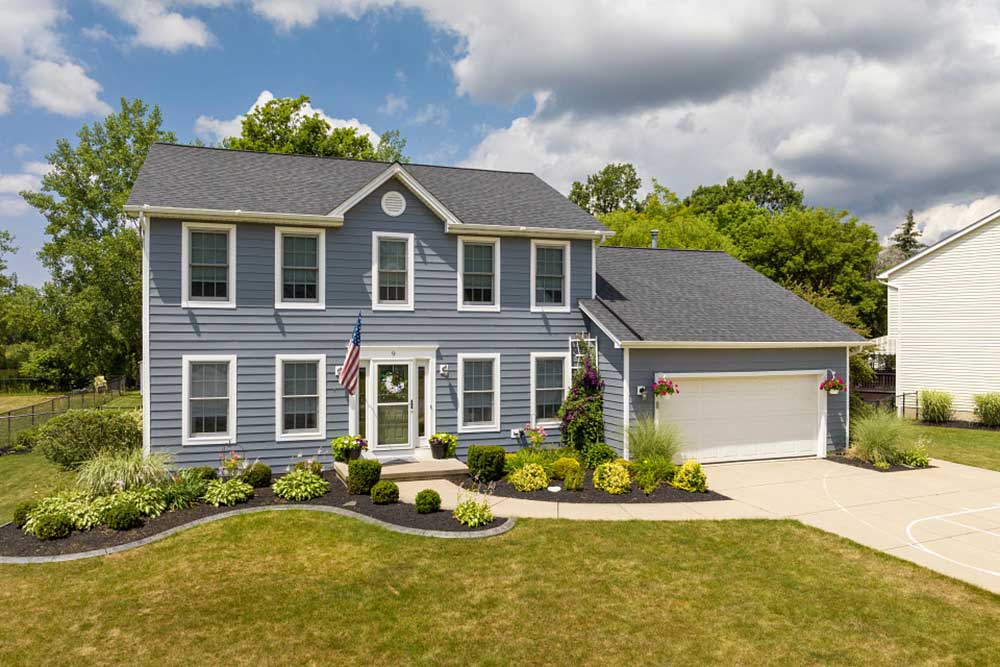
Window replacement represents one of the most impactful energy efficiency improvements for Michigan homeowners facing extreme seasonal temperature swings. The choice between double-pane windows and triple-pane windows directly affects heating costs, interior comfort, condensation control, and long-term property value.
Understanding the technical specifications, energy performance metrics, and real-world return on investment helps homeowners make informed decisions about this substantial home improvement investment. This analysis examines construction differences, thermal performance, consumer preferences, and financial incentives specific to Michigan's climate zone.
Double-pane and triple-pane windows differ fundamentally in their construction methods and thermal performance capabilities. These energy-efficient windows use sealed, insulated glass units with specific layer configurations that determine their insulation effectiveness.
A double-pane consists of two glass panes separated by a spacer that creates one insulating cavity, typically filled with air or inert gas. Standard double-pane windows have U-Factor ratings between 0.28 and 0.32, providing an R-Value of 3 to 4.
Double-pane windows pricing tier ranges from $600 to $1,000 per window installed, making them the most common choice for budget-conscious homeowners. This construction method meets modern building codes while offering significant thermal improvement over single-pane alternatives.
Triple-pane utilizes three layers of glass with two spacers that create two separate insulating cavities filled with argon or krypton gas. Standard triple-pane windows have U-Factor ratings between 0.15 and 0.27, delivering R-Value between 6 and 9.
Triple-pane windows pricing tier ranges from $766 to $1,950 per window installed, averaging around $1,000. This represents a 15% to 30% premium over double-pane, but provides nearly double the insulation value.
Low-E coatings are microscopically thin, virtually invisible metallic layers applied to glass to manage radiant heat transfer through reflection. These coatings block up to 95% of UV rays while allowing visible light transmission, protecting furnishings from fading damage.
Low-E coatings add 10% to 15% to the base cost of the window but significantly improve thermal performance. Silver or other metallic oxides applied via pyrolytic or magnetron sputtering processes create the reflective barrier, while gas is pumped into the sealed, insulated glass unit during manufacturing to reduce convection currents.
Energy efficiency differences between glazing technologies are measured using standardized metrics established by the National Fenestration Rating Council. These quantifiable ratings allow direct comparison of thermal performance across different window products and manufacturers.
U-Factor measures the rate of heat transfer and indicates how well a window insulates, ranging from 0.20 for exceptional insulation to 1.20 for very poor insulation. Single-pane windows have a U-Factor of around 1.0, while standard double-pane windows have a U-Factor between 0.28 and 0.32.
Double-pane windows with Low-E windows have a U-Factor of around 0.30, providing moderate thermal resistance for temperate climates. Standard triple-pane windows achieve a U-Factor between 0.15 and 0.27, making them ideal for cold-climate applications where heat retention is critical.
SHGC measures the fraction of solar radiation admitted through a window, ranging from 0 to 1 on a scale where lower values block more solar heat. Southern climates require a low SHGC of 0.23 or less to minimize cooling loads during long, hot summers.
Cold climates like Michigan recommend moderate SHGC between 0.35 and 0.50 to balance passive solar heating benefits during winter with adequate summer cooling control. Selecting the appropriate SHGC for your climate zone maximizes energy savings throughout the year.
R-Value measures thermal resistance, representing the inverse of U-Factor as a single metric for insulation effectiveness. Standard double-pane windows offer an R-Value of 3 to 4, providing baseline thermal protection for moderate climates.
A triple-pane window provides an R-value between 6 and 9, delivering nearly double the insulation capacity. This substantial improvement reduces heat transfer, eliminates cold spots near windows, and maintains more consistent indoor temperatures.
Consumer purchasing decisions reflect a combination of performance priorities, budget constraints, and demographic factors specific to regional markets. National surveys reveal clear patterns in how homeowners evaluate and prioritize window features during replacement projects.
ENERGY STAR Certification is rated as essential or desirable by 83% of home buyers, making it the most influential decision factor. Triple-pane insulating glass is rated as essential or desirable by 77%, reflecting growing awareness of thermal performance benefits.
Low-E insulating glass was rated as essential or desirable by 67%, while noise reduction capabilities were rated as essential or desirable by 62%. Thermal efficiency, measured by U-Factor rated as essential or desirable by 58%, demonstrating that quantifiable metrics influence modern purchasing decisions.
High-income households earning over $100,000 prefer premium triple-pane wood-clad windows, while middle-income households earning $50,000 to $100,000 prefer high-quality vinyl double-pane or entry-level triple-pane options. Income level directly correlates with willingness to invest in advanced glazing technologies and aesthetic customization.
Urban homeowners prioritize acoustic insulation to reduce traffic and neighborhood noise, while rural homeowners prioritize thermal resistance and durability against harsh weather exposure. Younger homeowners ages 25-44 replace functional windows for upgrades, whereas older demographics primarily replace them due to structural failure.
Michigan's severe winter conditions and humid summer climate create unique performance requirements for residential windows. Temperature extremes, precipitation patterns, and seasonal condensation challenges make thermal efficiency the primary selection criterion for long-term comfort and structural protection.
Michigan winters cause severe condensation on poorly insulated windows, leading to mold and wood rot that compromise structural integrity. Replacing an old window with a new double-pane unit reduces heat loss by roughly 90% in Michigan's cold climate.
Upgrading to a triple-pane unit reduces heat loss by over 97% in Michigan, minimizing the temperature differential between interior glass surfaces and indoor air. Double-pane heat loss of 10% compared to triple-pane heat loss of 3% demonstrates the substantial thermal advantage, while Michigan building code requires a maximum U-Factor of 0.32 for new residential windows.
Triple-pane provides 8-10 decibels lower noise than double-pane windows, creating noticeably quieter indoor environments near busy roads or commercial areas. The additional glass layer and wider overall thickness effectively dampen sound transmission across a broader frequency range.
Drafty windows significantly impact comfort by creating cold air currents that make rooms feel cooler than the actual thermostat setting. Triple-pane construction keeps interior glass surfaces warmer, eliminating convective drafts and improving perceived comfort without raising heating costs.
Michigan falls into the ENERGY STAR Northern Climate Zone, which establishes stringent efficiency standards for qualifying products. ENERGY STAR Version 7.0 Northern Zone requires a U-Factor of 0.22 or lower for windows and 0.26 or lower for patio doors.
Consumers Energy rebates available for U-Factors of 0.27 or lower help offset premium costs for high-efficiency installations. Federal tax credits up to $600 available through 2032 further reduce the effective cost, and understanding which upgrades qualify ensures maximum financial benefit.
Installation quality determines whether theoretical performance ratings translate into real-world energy savings and comfort improvements. Even premium windows with exceptional U-Factor ratings fail to deliver expected benefits when improper techniques compromise the building envelope.
The highest-rated window will fail if installed improperly, allowing air leakage and thermal bridging that negate the benefits of advanced glazing technologies. Professional window installation ensures proper alignment, weatherproofing, and structural integration that maintains manufacturer warranty coverage.
Experienced installers understand local building codes, moisture management strategies, and product-specific requirements that vary by frame material and construction type. Attempting DIY installation or hiring unlicensed contractors often results in gaps, air infiltration, and moisture intrusion that accelerate window failure.
Proper flashing installation creates a drainage plane that directs water away from the window opening and prevents moisture infiltration behind siding. Low-expansion foam insulation fills gaps between the window frame and rough opening without exerting excessive pressure that can warp frames or compromise operation.
Interior and exterior sealant application at all joints prevents air leakage while allowing necessary vapor permeability for moisture management. Quality installation practices combined with appropriate materials ensure long-term performance and prevent common failure modes like seal degradation and condensation between panes.
Understanding the financial return on window investments requires analyzing both direct utility savings and indirect benefits like improved comfort and property value. Multiple case studies and laboratory research provide reliable data for projecting realistic payback timelines in cold-climate applications.
Heat gain and loss through windows is responsible for 25% to 30% of residential heating and cooling energy use, making them a primary target for efficiency improvements. Replacing standard double-pane windows with advanced thin triple-pane windows resulted in average whole-home heating energy savings of 12% in controlled studies.
Replacing standard double-pane windows with advanced thin triple-pane windows resulted in average whole-home cooling energy savings of 27%, demonstrating superior performance in both seasons. Replacing single-pane or poorly sealed windows can reduce heating and cooling costs by 15% to 25% annually, and for an average home spending $2,400 per year on energy, savings translate to $360 to $600 annually.
Payback period for upgrading from double-pane to triple-pane in cold climates is typically 10 to 15 years, depending on energy costs and home size. This timeline assumes average utility rates, moderate window quantities, and typical Michigan weather patterns.
Appraisers generally attribute a return of 70% to 80% of the window replacement project cost to the home's resale value, improving marketability and buyer appeal. The average age of windows at replacement is 25 years, meaning most homeowners capture both energy savings and resale value appreciation during ownership.
Global market dynamics, manufacturing innovations, and shifting consumer preferences collectively shape the availability and cost structure of window products. Understanding these trends helps homeowners anticipate pricing patterns and identify optimal timing for replacement projects.
The global windows and doors market is valued at approximately $275.2 billion in 2025, reflecting strong demand across residential and commercial sectors. The global windows and doors market is projected to reach $388.2 billion by 2033, driven by energy code updates and aging housing stock requiring upgrades.
The energy-efficient windows market is valued at $16.3 billion in 2024, representing the fastest-growing segment within the broader industry. The energy-efficient windows market is forecasted to reach $35.2 billion by 2034, as stricter building standards and utility incentives accelerate adoption, while double-glazing accounts for approximately 35% of market share.
Triple-pane represents 15% to 30% premium over double-pane, but delivers substantial comfort improvements that justify the investment for long-term homeowners. The decision ultimately depends on how long you plan to remain in your home, your tolerance for cold drafts, and whether condensation issues currently compromise your living environment.
For Michigan homeowners planning to stay in their property for more than seven years, the combined benefits of reduced heating costs, eliminated condensation, superior noise control, and increased resale value make triple-pane the optimal choice. Available federal tax credits and utility rebates further shorten payback periods, making high-efficiency upgrades more accessible than ever.
Whether you choose double-pane or triple-pane windows, professional installation and proper product selection for Michigan's climate zone ensure maximum performance and return on investment. Alexandria Home Solutions specializes in window replacements designed for Michigan's demanding weather conditions, offering licensed installation with comprehensive warranties on both materials and labor.
Michigan winters don't leave much room for drafty, inefficient windows. Whether double-pane fits your budget or triple-pane is the right long-term investment, Alexandria Home Solutions installs energy-efficient windows built for Michigan's climate — with transparent pricing, comprehensive warranties, and no-pressure consultations. Contact us to schedule your free in-home estimate to find the right window for your home, your comfort, and your budget.