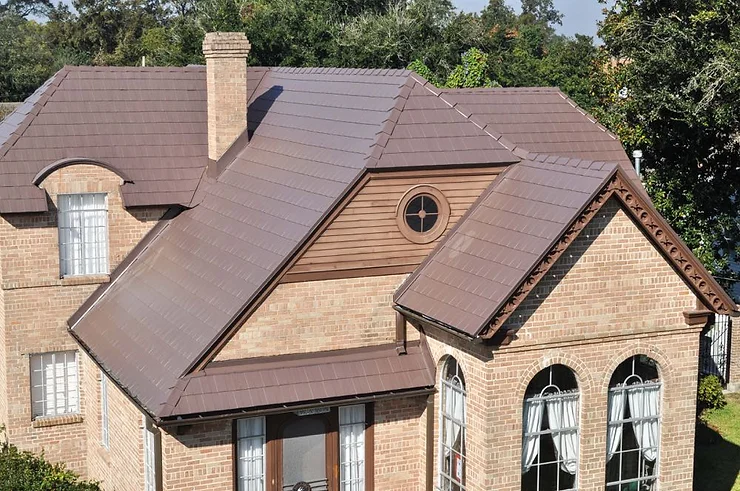
Selecting between metal roofing and asphalt shingles requires balancing upfront investment against long-term performance in Michigan's demanding climate. Metal roofing delivers exceptional snow shedding and wind resistance but commands a higher initial price point. Asphalt shingles remain the most common choice because they fit emergency replacement budgets and insurance claim timelines.
Michigan's freeze-thaw cycles, heavy snow loads, and lake-effect weather patterns make material durability a primary concern. Homeowners must evaluate how each roofing system performs under ice dam formation and repeated temperature fluctuations. The roof material comparison extends beyond simple cost calculations to include maintenance requirements and expected service life.
Asphalt shingles and metal roofing represent the two dominant residential roofing categories in Michigan's current market. Both systems offer distinct construction methods, weather-protection profiles, and cost structures that align with different homeowner priorities. Understanding the fundamental characteristics of metal roofing helps clarify when a premium investment delivers measurable value.
Architectural asphalt shingles improve ice and wind resistance compared to basic three-tab products. The asphalt shingle lifespan ranges from 18 to 25 years for standard grades and up to 30 years for architectural versions. Currently, 69% of homeowners have asphalt roofing installed on their homes nationwide.
Fiberglass-reinforced asphalt products combine affordability with adequate weather protection for most suburban applications. Installation involves nailing overlapping courses over underlayment, flashing, and ice-water shield systems on the roof deck. This familiar construction method keeps labor costs lower than specialty roofing systems.
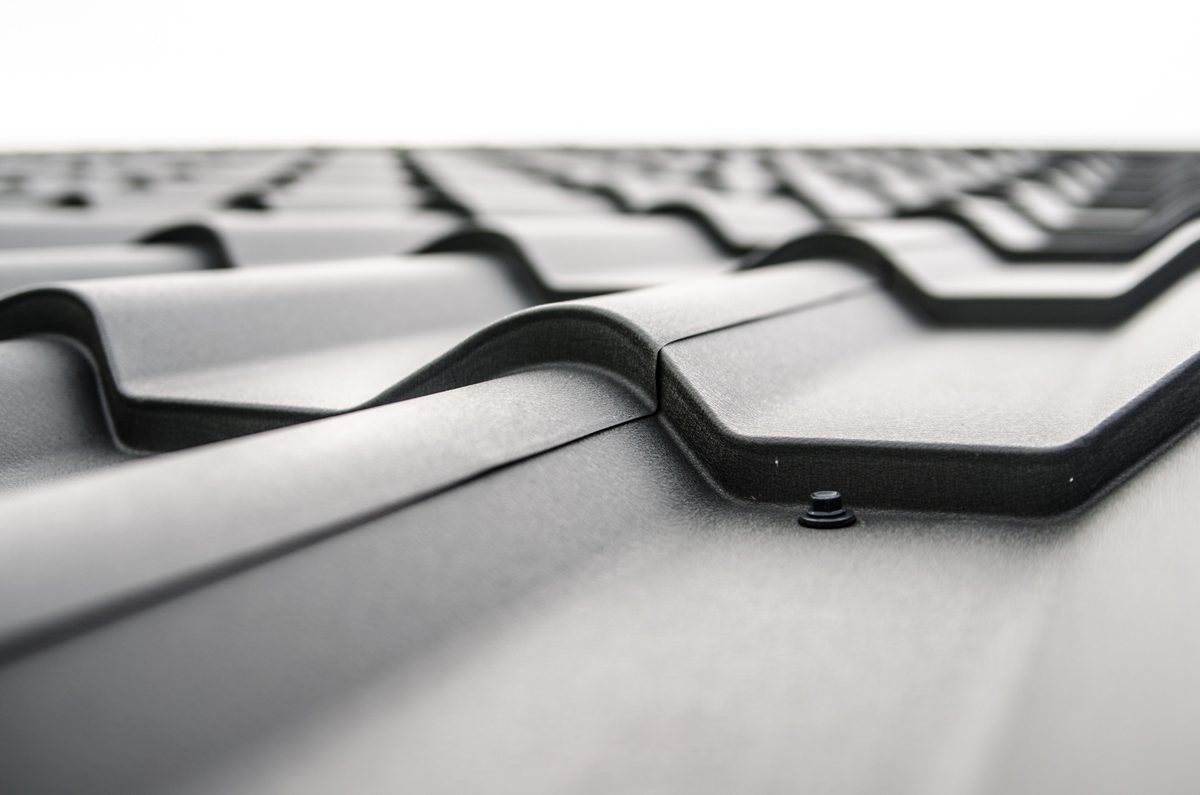
Standing-seam metal panels are mechanically fastened or clip-fastened over underlayment with ventilation detailing. Metal roofing lifespan extends 40 to 60 years under normal Michigan conditions with minimal maintenance requirements. The metal roofing replacement share grew from just 3% in 1998 to 18% in 2022.
This growth reflects increasing homeowner recognition of metal's superior performance in snow-belt climates and extreme weather events. Panels shed snow efficiently while maintaining fastener integrity through repeated freeze-thaw cycles that degrade other materials. Contractors report involvement with metal roofing projects at a 67% rate, indicating widespread technical familiarity.
Ice dams form when melting snow refreezes at roof edges during Michigan's winter freeze-thaw cycles. Heavy snow loads in Michigan require roofing systems with strong structural attachment and effective water shedding. Lake-effect weather patterns create localized precipitation extremes that accelerate material degradation.
Wind and hail damage represent frequent replacement triggers, particularly in northern and western Michigan counties. Repeated freeze-thaw cycles cause expansion and contraction that stress roofing fasteners and sealants over time. Materials must maintain waterproof integrity despite temperature swings from -10°F to 90°F annually.
Metal roofing costs significantly more than the price of asphalt shingles at project initiation, but delivers extended service life. The Michigan average roof replacement cost reached USD 6,553 in 2026 across all material types. The roofing budget Michigan homeowners allocate depends on replacement urgency, available financing, and long-term occupancy plans.
Asphalt shingle cost averages USD 4,994 in Michigan for a typical residential replacement project. Metal roofing cost per square foot reaches USD 9.13 compared to USD 4.55 for asphalt materials. Metal roofing average total cost equals USD 10,016, representing roughly double the asphalt investment.
This price differential reflects both higher material costs and more specialized installation requirements for metal systems. Premium architectural asphalt products narrow the gap somewhat but still cost substantially less than standing-seam metal. Homeowners spending USD 5,001 to USD 10,000 represent 28% of the replacement market.
Labor emerges as the biggest cost driver for 65% of homeowners surveyed about roof replacement expenses. Materials function as the biggest cost driver for 64% of homeowners, indicating both components contribute nearly equally. Skilled installation matters more for metal roofing because panel alignment and fastener placement directly affect long-term performance.
Project complexity increases when roof geometry includes multiple valleys, dormers, or unusual pitch transitions. Weather delays affect scheduling more severely in Michigan than in southern states with milder climates. Homeowners spending USD 10,001 to USD 20,000 account for 25% of all replacement projects.
The Michigan market segments into distinct budget tiers that align with material selection and project scope. Entry-level asphalt replacements occupy the USD 4,000 to USD 6,000 range for straightforward installations. Mid-range metal projects span USD 8,000 to USD 12,000, depending on roof size and panel specifications.
Premium slate and tile systems exceed USD 16,000 but represent a small percentage of total replacement volume. Most homeowners concentrate spending between USD 5,001 and USD 20,000, which encompasses both quality asphalt and standard metal installations. Emergency replacements driven by weather damage push buyers toward faster, more familiar asphalt solutions.
Michigan roof longevity varies dramatically between asphalt and metal systems due to inherent material properties. Asphalt shingles deteriorate faster under repeated freeze-thaw cycles that crack organic materials and loosen granules. Metal panels maintain structural integrity and waterproofing far longer in harsh weather conditions.
Asphalt shingle lifespan ranges from 18 to 25 years for standard products and up to 30 years for premium architectural grades. Metal roofing lifespan extends 40 to 60 years with minimal maintenance beyond periodic inspections. This longevity difference means metal roofs often outlast two or three asphalt replacements.
Homeowners planning to age in place benefit more from metal's extended service life than those expecting to relocate. Northern Michigan counties with heavier snow loads see asphalt products fail closer to the 18-year minimum. Architectural shingles perform better than three-tab versions but still fall short of metal's durability.
Metal roofing requires less frequent maintenance than asphalt because panels resist moss growth and granule loss. Asphalt shingles need periodic inspection for roof maintenance tips, such as replacing damaged shingles and clearing debris. Metal systems primarily need fastener checks and ensuring snow guards remain properly attached.
Durability influences roof choice for 85% of homeowners surveyed about purchasing priorities. Weather damage serves as a replacement trigger for 57% of homeowners experiencing storm events. Metal's superior resilience reduces the likelihood of premature failure from hail, wind, or ice accumulation.
Ice dam formation occurs more frequently on asphalt roofs that retain heat and create uneven melting patterns. Heavy snow loads in Michigan stress both material types, but metal's smooth surface sheds accumulation more effectively. Wind and hail damage metal panels less severely than asphalt because fasteners remain concealed and protected.
Standing-seam systems eliminate exposed fasteners that represent common failure points during high-wind events. Moisture management improves with metal because panels overlap and interlock rather than relying on adhesive seals. Freeze-thaw cycling degrades asphalt granules and organic mat faster than painted or coated metal surfaces.
Homeowner decision-making balances multiple competing priorities when selecting roofing materials for Michigan replacement projects. Durability and weather protection rank highest among affluent buyers planning long-term occupancy. Price sensitivity dominates among budget-constrained homeowners facing emergency replacements or insurance claim limitations.
Durability influences roof choice for 85% of homeowners evaluating material options across all demographics. Weather damage functions as a replacement trigger for 57% of homeowners who experienced storm-related failures. Michigan's harsh climate makes weather protection a practical necessity rather than an optional upgrade.
Metal roofing delivers superior resistance to repeated freeze-thaw cycles that crack and degrade asphalt materials. Lake-effect snow and ice accumulation require systems that shed weight efficiently without compromising waterproof integrity. Wind resistance matters particularly in open rural areas lacking tree cover that buffers storm exposure.
The asphalt shingles price advantage drives adoption among cost-conscious homeowners and insurance-claim replacements. Contractors report that 60% of roof replacements are urgent or emergency-driven, limiting planning time. Homeowners spending USD 5,001 to USD 10,000 represent the largest single budget segment at 28%.
Metal roofing cost presents a barrier for buyers unable to access financing or extend project budgets. Labor costs account for 65% of total replacement expenses, making installation efficiency economically significant. Material costs contribute 64% according to homeowner surveys, indicating both components shape final pricing equally.
Curb appeal rates as very or extremely important for 88% of homeowners considering roof replacement. Metal roofing's clean lines and modern appearance appeal to buyers prioritizing contemporary aesthetics over traditional looks. Asphalt shingles offer familiar styling that aligns with neighborhood character in established suburban communities.
Resale value considerations favor metal in premium markets where buyers recognize long-term cost savings. Metal roofing replacement share grew from 3% to 18% between 1998 and 2022 as consumer awareness increased. Architectural asphalt products improve visual appeal compared to basic three-tab options while maintaining affordability.
Michigan's demographic distribution creates distinct regional roofing markets shaped by age, homeownership patterns, and climate exposure. Northern counties with older populations favor durable, low-maintenance systems aligned with aging-in-place strategies. Younger urban markets prioritize affordability and shorter-term value propositions that match transitional occupancy patterns.
Michigan residents aged 45 to 64 represent 24.8% of the state population in current census data. Michigan residents aged 65 and older account for 19.6% statewide but concentrate more heavily in northern counties. Rural residents average 5.8 years older than urban residents, correlating with higher homeownership rates.
Benzie-Leelanau residents aged 65 and older reach 33.1%, making this region ideal for long-life roofing products. Detroit residents aged 65 and older equal only 15.9%, indicating a younger demographic with different budget priorities. Older homeowners planning to age in place justify higher upfront metal roofing costs through extended service life.
Rural homeownership rates reach 86.0% compared to 66.7% in urban Michigan communities. Word of mouth drives contractor selection for 74% of homeowners across all geographic segments. Rural buyers rely more heavily on local reputation and referral networks than digital search tools.
Southfield roofing installation projects reflect suburban preferences that blend affordability with aesthetic standards. Urban markets favor faster installation timelines that minimize disruption in dense neighborhoods with limited staging areas. Rural properties accommodate longer project schedules and material storage more easily than urban locations.
Lake-effect weather patterns create localized precipitation extremes that accelerate material degradation near Michigan's western shoreline. Heavy snow loads in Michigan's Upper Peninsula and northern counties exceed design standards for basic roofing systems. Wind exposure increases in open agricultural areas lacking tree cover that buffers storm forces.
Climate-driven material selection favors metal in northern tier counties experiencing the harshest winter conditions. Southern Michigan markets show more balanced adoption between asphalt and metal, based on budget constraints. Coastal communities near Lakes Michigan and Huron experience more severe freeze-thaw cycling than inland areas.
Metal roofing delivers superior value when homeowners prioritize long-term occupancy, weather resilience, and total lifecycle costs. Short-term occupants or budget-constrained buyers find asphalt's lower initial cost more appropriate for immediate needs. The metal roofing replacement share grew from 3% in 1998 to 18% in 2022 as awareness increased.
Homeowners planning 20-plus years of occupancy recover metal roofing's premium cost through extended service life. Two or three asphalt replacements over 60 years cost more than one metal installation. Metal systems avoid mid-life replacement disruption and associated moving or storage logistics for long-tenure owners.
Buyers expecting to relocate within 10 to 15 years may not capture full lifecycle value from metal investments. Resale markets increasingly recognize metal roofing as a premium feature that justifies higher asking prices. Financial planning should compare the total cost of ownership rather than isolated upfront expenses.
Northern Michigan counties with heavy snow loads benefit most from metal's superior shedding and structural performance. Premium suburban neighborhoods in Oakland and Washtenaw counties adopt metal for aesthetic differentiation and durability. Novi roofing installation projects increasingly specify metal for upscale custom homes.
Snow-belt properties experience more frequent ice dam formation that damages asphalt but affects metal minimally. Lake-effect zones near western shorelines justify metal's weather resistance through reduced maintenance and repair costs. Affluent buyers prioritize long-term performance over short-term budget constraints in premium markets.
Some insurance carriers offer premium discounts for metal roofing due to superior wind and fire resistance. Resale value improves when buyers recognize that metal's remaining service life exceeds competing properties with aging asphalt. Transfer of remaining warranty coverage enhances metal roofing's appeal during home sale transactions.
Buyers in competitive markets view metal roofing as evidence of quality construction and owner investment. Appraisers increasingly factor roofing condition and expected lifespan into comparative market analysis. Metal systems reduce buyer concerns about near-term replacement expenses that complicate financing approvals.
Installation techniques and contractor expertise requirements differ substantially between metal and asphalt roofing systems. Asphalt installation follows familiar protocols that most roofing contractors execute routinely with standard tools. Metal installation demands specialized training for panel alignment, fastener placement, and expansion-joint detailing that affects long-term performance.
Asphalt installation involves fiberglass or asphalt shingle systems nailed in overlapping courses over deck, underlayment, and flashing. Metal installation uses standing-seam or exposed-fastener panels mechanically fastened or clip-fastened over underlayment with ventilation detailing. Contractors involved with metal roofing represent 67% of surveyed professionals, indicating widespread but not universal capability.
Panel alignment for standing-seam metal requires precision to ensure proper interlocking and weatherproofing along vertical seams. Fastener placement affects thermal movement tolerance, which prevents panel buckling during temperature fluctuations. Asphalt installation tolerates minor variations without compromising system integrity as significantly as metal.
Asphalt roofing requires periodic shingle replacement when wind lifts corners or hail cracks individual pieces. Granule loss accelerates near the end of service life, creating bare spots that allow moisture infiltration. Metal roofing maintenance focuses on fastener tightening and ensuring snow guards remain properly anchored.
Spring preparation includes clearing debris and inspecting flashings regardless of material type. Asphalt valleys accumulate organic debris that retains moisture and promotes premature deterioration. Metal systems shed debris more effectively but still require gutter cleaning to prevent ice dam formation.
Roof replacement projects are urgent or emergency-driven in 60% of cases surveyed. Weather-driven project delays affect both material types, but metal installations require more favorable conditions for panel handling. Asphalt installation proceeds faster in most weather conditions because shingles are smaller and easier to position.
Emergency replacements favor asphalt because materials are stocked locally and contractors schedule installations more quickly. Planned replacements allow time for metal material ordering and specialized contractor scheduling. Urban project sites face tighter time constraints than rural properties with more flexible staging areas.
Michigan homeowners face a clear trade-off between asphalt's lower upfront cost and metal's superior longevity. Budget-conscious buyers find that asphalt shingles deliver adequate performance at an average cost of USD 4,994 for 18 to 25 years. Long-term occupants investing USD 10,016 in metal roofing gain 40 to 60 years of weather protection.
Material selection should align with occupancy plans, climate exposure, and total lifecycle cost rather than isolated upfront pricing. Northern Michigan's harsh winters favor metal's snow shedding and ice dam resistance over asphalt's vulnerability. Suburban homeowners balancing curb appeal with budget constraints find architectural asphalt offers a middle ground.
Alexandria Home Solutions helps Michigan homeowners evaluate roofing options based on specific property conditions and long-term goals. Our licensed professionals provide transparent cost estimates and material comparisons without high-pressure sales tactics. Quality installation and comprehensive warranties ensure your investment delivers expected performance throughout Michigan's demanding climate.
Picking between metal roofing and asphalt shingles deserves more than a rushed quote. Alexandria Home Solutions helps Michigan homeowners weigh real costs, lifespan expectations, and weather performance before any decision gets signed. Our licensed and insured team has installed roofs across Southfield, Birmingham, Novi, Rochester Hills, and surrounding communities that stand up to lake-effect snow, freeze-thaw cycles, and everything Michigan throws at them.
Schedule a free in-home consultation and get a clear written estimate with transparent pricing, comprehensive warranties, and flexible financing built into the conversation. No high-pressure tactics, no surprise fees — just honest guidance from a team that treats your home like its own. Contact us to request your free estimate today to get started.