Michigan homeowners face rising energy costs and increasing severe weather exposure. Windows account for 25%-30% of residential heating and cooling energy use, making efficiency upgrades financially attractive. The state recorded 41 severe storms in its billion-dollar disaster history, creating demand for better envelope protection.
Impact-resistant windows represent a premium solution addressing both concerns. These products combine laminated glazing, reinforced frame systems, and upgraded hardware to resist debris penetration and pressure cycles. The question is whether the 25%-35% cost premium over standard replacements justifies the investment.
Impact-resistant windows function as integrated building-envelope assemblies designed to maintain structural integrity during extreme weather. They use bonded glass layers that hold together when cracked, preventing breach and infiltration. This construction differs from standard windows, which prioritize thermal performance but offer minimal debris resistance.
Protective value extends beyond single-event survival to include long-term durability and reduced maintenance. Reinforced attachment points and pressure-rated frames reduce water intrusion and air leakage under sustained wind loads. These features make impact-resistant windows particularly relevant in storm-exposed areas where envelope failure creates cascading damage costs.
Impact-resistant windows combine laminated glass, hidden reinforcements, stronger hardware, and pressure-cycle testing to achieve performance ratings. Laminated glazing uses a bonded interlayer that holds glass fragments after impact, preventing shattering. Reinforced frames distribute loads more effectively than standard systems.
Material selection determines performance and cost. Vinyl frames offer low maintenance and insulated cavities, making them popular for replacement applications. Fiberglass frames provide dimensional stability and strength, performing well through Michigan's freeze-thaw cycles. Wood and clad wood options deliver a natural interior appearance but require higher investment and periodic maintenance.
Impact-resistant windows cost 25%-35% more than regular windows. Windows are responsible for 25%-30% of residential heating and cooling energy use, so efficiency remains the primary driver. Standard replacement windows prioritize thermal performance, air sealing, and affordability without addressing impact resistance.
Storm windows offer an alternative as secondary glazing with air-sealing support. These retrofit products improve efficiency and provide modest protection at a lower cost than full replacement. However, they cannot match the integrated performance of purpose-built impact-resistant assemblies in high-wind or debris-prone conditions.
Window impact rating systems verify product performance through standardized testing protocols simulating debris strikes and sustained pressure cycles. Manufacturers subject assemblies to large-missile and small-missile impact tests, followed by pressure cycling that replicates hurricane-force wind loads. Products maintaining envelope integrity without breach receive certification for specific design-pressure ratings.
Michigan homeowners should request NFRC and ENERGY STAR ratings alongside impact-resistance certifications to ensure balanced performance. Not all impact-rated products deliver optimized thermal efficiency, so comparing U-factor and air-leakage values remains essential.
Michigan's severe-weather exposure creates specific window-performance requirements differing from coastal hurricane zones. The state's climate combines cold-season thermal stress with warm-season convective storm activity, tornadoes, and hail. This pattern requires windows balancing thermal efficiency, condensation resistance, and structural durability.
Michigan had 60 billion-dollar weather and climate disasters from 1980 to 2024, with storm events representing the largest category. The recent five-year average of 4.4 disaster events annually exceeds the long-term average of 1.3 events, indicating accelerating exposure.
Michigan had 41 severe storms in its disaster record, making convective weather the dominant threat to residential windows. These events combine high winds, large hail, and occasional tornadoes, damaging conventional window assemblies. Debris impacts during severe storms represent particular concern because breached windows allow water intrusion and interior damage.
Storm damage prevention extends beyond immediate event survival to include long-term envelope integrity. Windows, withstanding repeated hail strikes and wind-driven rain, maintain better performance over their service life. This durability advantage becomes more valuable as storm frequency increases.
The recent five-year average of 4.4 disaster events annually represents a substantial increase over the long-term average of 1.3 events. Storm-driven spikes occur after spring and summer wind, hail, tornado, and flooding episodes.
Insurance claims and emergency-repair contexts influence how homeowners evaluate window investments. Planned repair and replacement projects account for 44% of window work, while emergency repair and replacement contexts represent 14%. Storm damage shifts buyers toward durability and resilience priorities.
March is the most common month for homeowners to consider replacement projects, aligning with pre-spring planning. However, Michigan's storm season peaks in late spring and summer, creating secondary demand driven by damage.
Geographic variation within Michigan creates different risk profiles influencing product selection. Areas with greater tornado exposure, frequent hail, or lakefront wind conditions benefit more from impact-rated products. Suburban and rural homeowners in severe-weather corridors represent the highest-value segment for premium resilience upgrades.
Homeowner decision factors reveal energy efficiency, durability, and cost as top priorities. Understanding this balance helps clarify when impact-resistant products align with buyer needs versus when mid-range efficient replacements offer better value. Research shows 84% of recent and planned buyers identified energy efficiency as a top priority.
Prioritization hierarchy varies by project trigger, with damage-driven replacements elevating durability and storm concerns. Energy-focused upgrades emphasize utility savings and thermal performance, while aesthetic-motivated projects weight appearance more heavily.
Durability and long-lasting performance emerged as top priority at 69%, indicating Michigan homeowners value service life. Attractive appearance ranked second at 57%, reflecting importance of aesthetics. Price priority reached 49%, confirming cost sensitivity remains a major gating factor.
Utility cost savings ranked at 41%, demonstrating operational expense reduction motivates nearly half of buyers. Energy efficiency versus durability versus appearance versus price function as competing priorities requiring balanced solutions.
84% of recent and planned buyers said energy efficiency was a top priority when purchasing windows. 83% of home buyers rated ENERGY STAR windows essential or desirable, establishing efficiency certification as mainstream expectation. 77% rated triple-pane glass essential or desirable, showing strong cold-climate demand for advanced insulation.
67% rated low-e glass essential or desirable, confirming high-performance glazing has moved beyond niche adoption. These benchmarks indicate energy efficient windows function as baseline product category. Impact-resistant features compete for budget share with efficiency attributes unless storm exposure or security concerns elevate resilience priorities.
36% of homeowners cite energy efficiency as primary replacement motivation, making it the leading trigger. 29% cite damage as replacement motivation, positioning storm-related concerns as second-largest pathway. 12% cite moisture mitigation or leakage as replacement motivation, highlighting importance of condensation control in Michigan's cold climate.
Planned repair and replace project contexts account for 44% of window work, while emergency contexts represent 14%. This distribution suggests most Michigan homeowners enter replacement decisions deliberately rather than reactively.
Material selection shapes performance characteristics and market positioning within Michigan's replacement window landscape. Vinyl, fiberglass, and wood products each serve distinct buyer segments based on cost, durability, and aesthetic priorities.
Market-share data reveals vinyl dominates Michigan's replacement market, while premium materials maintain smaller positions. Impact-resistant products function as a cross-category feature available in multiple frame materials.
Vinyl replacement windows hold 44.2% replacement-material share, making them the dominant choice. Fiberglass replacement windows capture 15.7% share, appealing to buyers prioritizing dimensional stability and strength. Wood replacement windows represent 15.0% share, while clad wood accounts for 10.7%, serving design-conscious and historic-home segments.
Each material delivers distinct performance advantages. Vinyl offers the best affordability-to-efficiency ratio with minimal maintenance. Fiberglass provides superior strength and dimensional stability, performing well through freeze-thaw cycles. Wood and clad wood deliver a natural interior appearance and customization, but require higher investment and periodic care.
Vinyl windows typically cost $800-$1,600 installed, while fiberglass and wood products range from $1,100-$2,200 or higher. Impact-resistant windows span $700-$2,875, depending on size, rating, and frame material, with most installations averaging near $1,800. Budget-tier products start around $400-$900, mid-range options fall between $800-$1,600, and upper mid-range selections reach $1,100-$2,200.
Price variation reflects differences in material cost, manufacturing complexity, and performance specifications. Window pricing also responds to supply-chain factors and regional competitive dynamics. Homeowners should evaluate total ownership cost, including maintenance, energy savings, and durability, rather than focusing solely on installation price.
The global impact-resistant windows market reached $2.22 billion in 2025 and is projected to reach $2.32 billion in 2026. The market is forecast to grow to $3.35 billion by 2032, representing 6.05% CAGR globally. Michigan's impact-resistant window scenario ranges from $26 million to $43 million in 2025, representing a small but growing niche.
This modest state-level market size reflects Michigan's lower hurricane risk compared to coastal regions. However, increasing severe-weather frequency and rising consumer awareness of resilience benefits support gradual adoption growth.
Determining whether impact-resistant products justify their premium requires assessing individual exposure, financial capacity, and long-term resilience priorities. Generic cost-benefit calculations fail to capture site-specific storm risk, insurance considerations, and household security preferences.
Michigan's varied geography creates different value propositions for impact-rated windows across the state. Homeowners in tornado-prone corridors, hail-frequent zones, or areas with recent severe-storm damage gain more immediate benefit. Economic justification strengthens when resilience improvements combine with efficiency gains and qualify for financial incentives.
Local storm history, insurance requirements, and personal risk tolerance shape individual investment decisions more than statewide averages. Homeowners should review county-level severe-weather frequency, recent hail damage patterns, and tornado-risk maps when evaluating exposure. Properties with prior storm damage, aging conventional windows, or high-value interiors benefit most from impact-resistant upgrades.
Resilience priorities also reflect household security concerns and long-term ownership plans. Families with young children, elderly residents, or valuable contents may weigh breach resistance higher than typical cost-benefit models suggest. Home security considerations often overlap with storm resilience, creating dual-purpose value.
ENERGY STAR-certified replacement windows can reduce utility bills by an average of 13%, providing measurable operational savings. Impact-resistant products meeting efficiency standards deliver combined resilience and energy benefits, improving total return on investment. However, the 25%-35% cost premium requires careful analysis of payback periods and total ownership costs.
Long-term benefits include reduced maintenance, lower insurance premiums in some cases, and avoided repair costs after storms. Homeowners planning to remain in their property for 10-plus years capture more lifecycle advantages. Financial case strengthens when impact-resistant windows replace severely outdated or damaged units already requiring replacement.
Federal tax credits provide 30% of the product cost up to $600 for qualifying windows purchased and installed through 2025. ENERGY STAR certification is required for tax-credit eligibility, so impact-resistant products must also meet efficiency thresholds. Michigan energy rebate programs may offer additional support for high-performance replacements depending on income and project scope.
Building codes in Michigan generally do not mandate impact resistance outside specific high-hazard zones. However, the 2021 Michigan Building Code and the 2021 Michigan Commercial Energy Code effective in 2025, raise baseline efficiency requirements.
Successful window projects depend on proper product selection, quality installation, and realistic assessment of repair versus replacement options. Many homeowners can improve performance through targeted upgrades when existing frames remain structurally sound.
However, certain failure modes require complete unit replacement to restore envelope integrity.
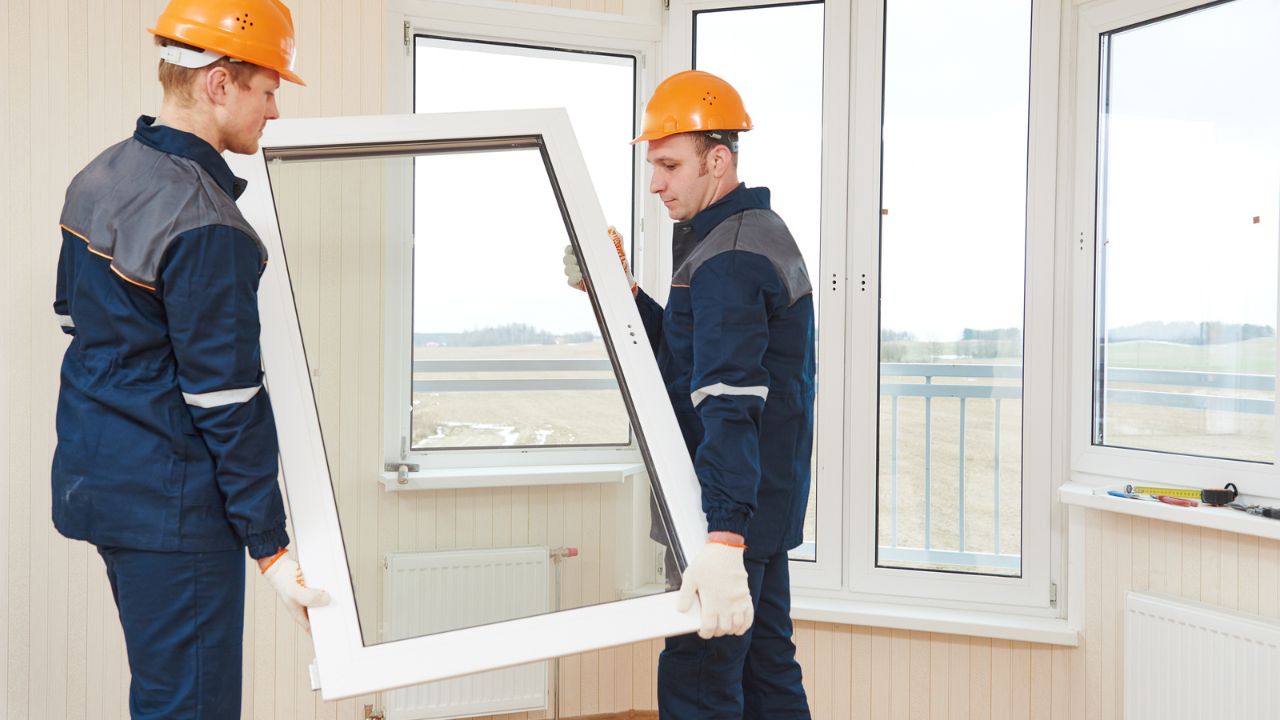
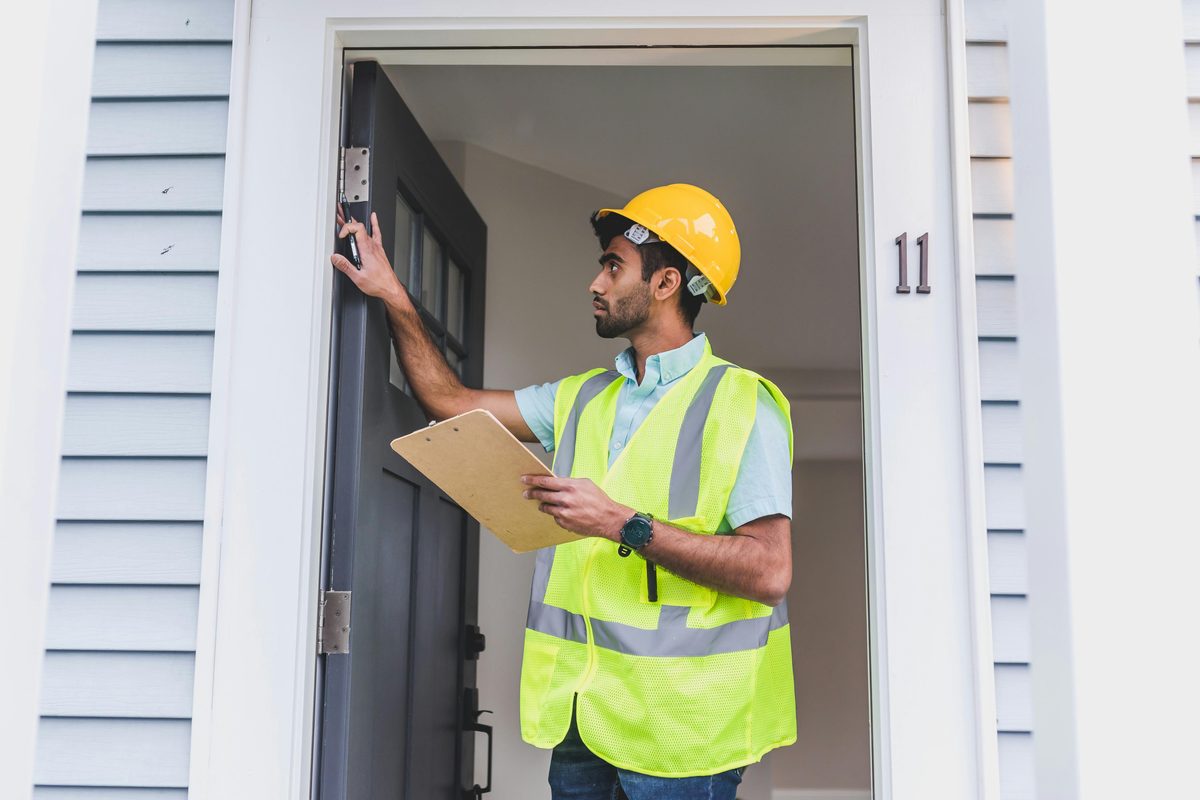
Professional installation quality determines whether specified products deliver rated performance in actual service conditions. Poor installation undermines efficiency gains, creates warranty complications, and shortens service life regardless of product quality. Installation preparation and contractor selection function as critical success factors alongside material decisions.
Homeowners should first determine whether repair or retrofit can solve performance problems before committing to full replacement. Material deterioration, repeated seal failure, and major condensation issues typically require full replacement. Caulking, weatherstripping, air sealing, coverings, and Michigan storm windows represent lower-cost measures for otherwise sound units.
Full replacement becomes economically justified when existing windows exhibit severe drafts, frame rot, broken seals, or operational failures. Energy waste exceeding 15% of heating and cooling costs also supports replacement economics, especially when combined with available incentives.
If replacing windows, homeowners should require ENERGY STAR and NFRC ratings to ensure verified performance and tax-credit eligibility. ENERGY STAR certification confirms products meet minimum efficiency thresholds for Michigan's climate zone. NFRC labels provide standardized U-factor, Solar Heat Gain Coefficient, and air-leakage data enabling direct product comparisons.
Buyers should prioritize low U-factor and low air leakage when selecting products for Michigan's cold-climate conditions. Reviewing condensation resistance and spacer quality helps identify products performing well during winter months. Impact-rated products carrying ENERGY STAR certification deliver the best combination of resilience and efficiency for most Michigan applications.
Homeowners must treat installation quality as non-negotiable regardless of product selection or budget constraints. Poor installation can undermine efficiency gains and warranty outcomes, creating long-term performance problems. Licensed contractors with window-specific experience and manufacturer training deliver more consistent results.
Warranty coverage typically requires professional installation according to manufacturer's specifications to remain valid. Documentation of proper flashing, air sealing, and attachment methods protects homeowners if performance issues arise later.
Window condensation represents one of Michigan's most common winter performance complaints, often triggering replacement decisions. Understanding condensation causes helps homeowners distinguish between fixable issues and problems requiring new windows. Not all moisture problems indicate window failure, and some can be resolved through improved ventilation or humidity control.
Cold-climate condensation occurs when indoor moisture levels exceed what window surfaces can handle without reaching the dew point. Addressing these issues requires better windows, indoor-air management, and sometimes structural improvements.
Condensation forms when moist indoor air meets colder glass or framing surfaces during winter heating seasons. Normal interior condensation appears on the room-facing surface when indoor humidity is high relative to outdoor temperatures. Moisture between panes indicates insulating-glass seal failure, requiring unit replacement.
Persistent condensation suggests either excessive indoor humidity or insufficient window thermal resistance for the local climate. Single-pane windows and thermally unbroken frames are particularly prone to condensation in Michigan's cold winters. Triple-pane glass, low-e coatings, and warm-edge spacers reduce condensation risk by maintaining higher interior surface temperatures.
Effective condensation solutions combine window improvements with indoor-air management to address root causes. Better windows with lower U-factors and improved frame thermal breaks raise interior surface temperatures above the dew point. Enhanced indoor humidity control through ventilation, dehumidification, or heat-recovery systems reduces moisture availability.
Air circulation improvements help distribute conditioned air more evenly and prevent stagnant cold zones near windows. Running bathroom and kitchen exhaust fans during high-moisture activities removes humidity before it migrates to windows. When these measures prove insufficient, window replacement with high-performance products becomes the most reliable solution.
Storm windows function as secondary glazing, creating an insulating air space and raising interior surface temperatures. This additional thermal layer can reduce condensation on existing primary windows without requiring full replacement. However, storm windows do not address seal failures or structural deterioration in base units.
Impact-resistant windows typically incorporate multiple glazing layers and advanced spacer systems, improving condensation resistance. Laminated glass construction and reinforced frames also provide better air sealing than conventional products. These moisture-management benefits complement the primary resilience function, creating multi-dimensional value for Michigan homeowners.
Michigan's total windows market reached $0.42 billion in 2024 and $0.43 billion in 2025, with projections indicating growth to $0.51 billion by 2030. Michigan's energy-efficient windows segment totaled $0.24 billion in 2024 and $0.26 billion in 2025, with projections reaching $0.39 billion by 2030. These figures confirm Michigan operates as a mature, replacement-led windows market.
Impact-resistant products represent a small but growing segment within Michigan's window landscape, serving homeowners with elevated storm exposure or security priorities. Best purchase decisions balance upfront investment against long-term resilience, efficiency, and maintenance benefits. Most Michigan homeowners gain greater value from high-performance energy-efficient replacements than impact-rated products, unless local storm risk or specific security concerns justify the premium.
Alexandria Home Solutions helps Michigan homeowners navigate these complex product decisions with transparent consultation and balanced recommendations. Licensed professionals evaluate each property's specific needs, storm exposure, and budget constraints to identify optimal window solutions. Whether you're addressing energy waste, storm damage, or aging windows, expert guidance ensures your investment delivers maximum value for your family's safety and comfort.
Choosing between impact-resistant and high-efficiency windows depends on your storm exposure, how long you plan to stay in your home, and what your budget allows — and that decision deserves more than a quick sales pitch. Alexandria Home Solutions has helped Michigan homeowners across Southfield, Troy, Bloomfield Township, Novi, and Rochester Hills weigh these tradeoffs for years, and we bring the same honest approach to every project.
Schedule a free, no-pressure in-home estimate with our licensed team. We'll assess your current windows, walk through your options in plain terms, and recommend the solution that actually fits your home — not the most expensive one on the shelf. Contact Alexandria Home Solutions for a no-pressure consultation that puts your priorities first.