If you're a Michigan homeowner considering new windows or doors, 2026 brings exceptional financial support through coordinated federal and state rebate programs. The Michigan Home Energy Rebates (MiHER) program, federal tax credits, and utility company incentives can reduce your project costs significantly, sometimes covering the entire investment for qualifying households.
Understanding which products qualify and how to navigate the application process helps you capture every dollar of available savings while improving your home's comfort and reducing monthly energy bills.
Key Takeaways:
Energy-efficient windows and doors keep your home comfortable by reducing heat transfer between your interior and the outdoors. These products use specialized materials and construction techniques, including advanced glazing, insulating cores, and weatherproofing systems, that minimize air leakage and prevent temperature loss.
The key measurement is U-Factor, which indicates how well a window or door insulates. Lower U-Factor numbers mean better insulation. Modern energy-efficient windows incorporate Low-E coatings that reflect heat while allowing natural light, plus inert gas fills like argon that improve thermal performance. ENERGY STAR Most Efficient certification provides independent verification that products meet rigorous standards for Michigan's Northern Climate Zone, ensuring the window or door you're purchasing will actually deliver the energy savings you're expecting.
Double-Pane Windows feature two layers of glass separated by argon gas, balancing performance and cost-effectiveness. They achieve U-Factors between 0.30 and 0.40, translating to 15-20% energy savings compared to older single-pane windows. Double-pane windows work well for most homes and qualify for MiHER rebates when they meet the 0.30 U-Factor requirement.
Triple-Pane Windows include three layers of glass with two insulating cavities, achieving U-Factors between 0.15 and 0.25. They cost 25-40% more than double-pane options but provide exceptional noise reduction and thermal performance. Argon gas-filled windows offer the best insulation for Metro Detroit's climate challenges.
Steel Doors offer excellent value with R-values of 5-6, five times more insulation than solid wood doors. The polyurethane foam core delivers consistent insulation across the entire door surface, and the steel exterior resists warping and weathering. Professional door installation typically costs between $800 and $1,200, making steel doors accessible for budget-conscious homeowners.
Fiberglass Doors provide the same excellent insulation values as steel (R-5 to R-6) but resist denting and rust better over time. Fiberglass can be manufactured with realistic wood-grain textures that give you the appearance of high-end wood doors without the maintenance concerns. Expect to invest $1,000 to $1,500 installed for quality fiberglass entry doors.
Energy rebates Michigan windows and the door rebate program directly reduce your upfront costs, making advanced efficiency upgrades affordable. Without these rebates, many homeowners delay necessary improvements because quality windows and doors represent significant investments. The available incentives remove this financial barrier and accelerate your timeline for enjoying lower utility bills and improved home comfort.
Beyond immediate cost savings, energy-efficient windows and doors deliver ongoing benefits. Your heating and cooling systems won't work as hard, resulting in lower monthly utility bills that compound over the 20-30 year lifespan of these products. Keeping your home warm and energy-efficient requires strategic improvements that pay dividends through reduced operating costs.
The residential energy-efficient technologies market reached $200 billion in 2025 and continues growing at nearly 5% annually, reflecting increasing consumer demand. Michigan allocated $210 million through MiHER to improve approximately 15,000 homes statewide. Oakland and Macomb counties show higher early adoption rates due to greater contractor availability and program awareness, while Northern Michigan and Upper Peninsula regions face some contractor shortage challenges that the available rebates often justify coordinating around.
MiHER takes a whole-home approach rather than funding isolated improvements. To qualify, your project must achieve a 15-20% reduction in total home energy usage. This requirement ensures meaningful efficiency gains that actually reduce your energy consumption and utility costs. The program covers comprehensive upgrades including windows, doors, insulation, HVAC systems, water heaters, and other efficiency improvements.
The program uses income-based tiers to determine coverage levels, calculated based on Area Median Income (AMI) for your county. Low-income households (below 80% AMI) qualify for 100% coverage up to $34,000 total when combining Home Efficiency Rebates and Home Electrification programs. Moderate-income households (80-150% AMI) receive 50% coverage up to $17,000 total. Higher-income households (above 150% AMI) generally cannot access MiHER funds but remain eligible for federal tax credits and utility company rebates.
Only MiHER-approved contractors can perform qualifying work, and you must secure written pre-approval before purchasing materials or starting installation. This pre-approval requirement protects both you and the program by ensuring your project meets all specifications before you invest money. Retroactive rebates are never permitted under any circumstances.
Your windows must meet specific performance standards to qualify for rebates. For MiHER eligibility, windows need a U-Factor of 0.30 or lower, and achieving 0.20 or lower unlocks maximum federal tax credit benefits. All qualifying windows must carry ENERGY STAR Most Efficient certification, which provides independent third-party verification of performance through testing protocols that evaluate thermal resistance, air infiltration rates, and condensation resistance.
Low-E coatings are mandatory for MiHER qualification. These microscopically thin metallic layers reflect infrared radiation (heat) while allowing visible light to pass through. You get natural daylight without the energy penalty of heat gain in summer or heat loss in winter.
Inert gas fills, typically argon or krypton, improve insulation between glass panes by reducing heat movement. These gases have lower thermal conductivity than regular air, creating a more effective insulating barrier within the sealed glazing unit. If you're unsure whether your existing windows meet current standards, a professional energy audit (required for MiHER participation) will assess your current situation and identify which improvements deliver the greatest impact.
Qualifying doors must achieve a U-Factor of 0.25 or lower, which represents excellent thermal performance. This specification ensures the door creates an effective barrier against Michigan's temperature extremes without allowing heat to escape through the door surface or frame.
Construction requirements focus on consistent insulation throughout the door assembly. Polyurethane foam cores provide uniform R-values across the entire surface without weak spots or thermal bridging through structural components. Proper weatherstripping creates airtight seals when the door closes, preventing air infiltration around all edges and thresholds. High-quality compression weatherstripping compresses against the doorstop when closed, eliminating gaps that allow drafts and energy loss.
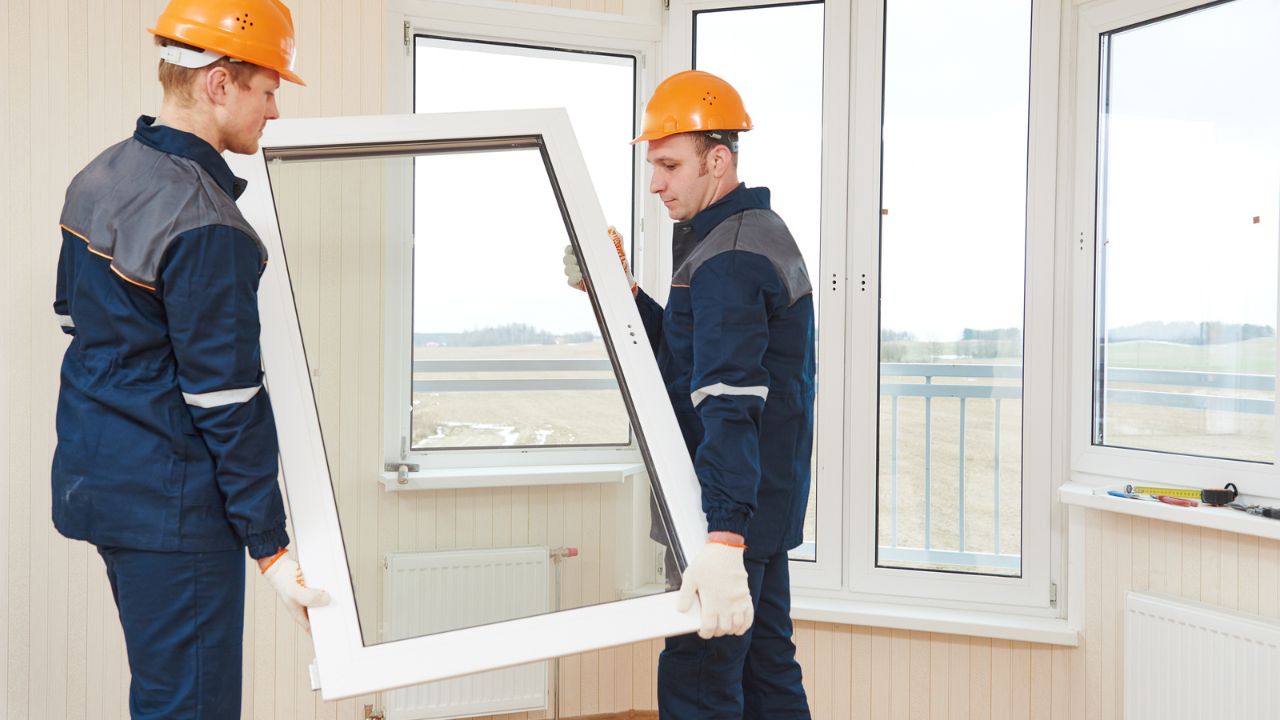
Installation quality matters as much as product specifications. This is why MiHER requires approved contractors, proper installation affects the final U-Factor as much as the door itself. Professional installers ensure square frames, proper shimming, effective weatherstripping compression, and complete sealing around the rough opening.
Yes, strategic stacking of federal, state, and utility incentives delivers cumulative savings that can dramatically reduce your project costs. Residential Energy Credits through federal Section 25C provide up to $600 for qualifying windows and $500 for doors meeting ENERGY STAR Most Efficient criteria. Individual door limits cap at $250 per unit. These credits reduce your tax liability dollar-for-dollar during the tax year when you complete the improvements.
Consumers Energy offers $15 per qualifying window and $40 per qualifying door for customers in their service territory. These incentives apply to products meeting the utility's specifications when installed by participating contractors. Check with your local utility provider to verify available programs for your area.
When you stack MiHER rebates, federal tax credits, and utility rebates, total incentives can reduce your net project costs by 50-100% depending on your income level and product selection. Low-income households accessing full MiHER coverage plus federal credits and utility rebates sometimes achieve near-zero out-of-pocket expenses. Even moderate and higher-income households typically save $5,000 or more. Detailed guidance on saving $5,000 through these programs can help you plan your project budget effectively.
Start by calculating your household income relative to Area Median Income (AMI) thresholds for your county. The MiHER program website provides specific AMI calculations and income limits for each Michigan county to help you determine your tier.
You'll need to provide tax returns and income verification documents that establish your household status. This typically includes your most recent federal tax return, W-2 forms, and documentation of any non-employment income. Self-employed individuals should prepare to show Schedule C forms or comparable business income documentation.
All MiHER participants must schedule a certified professional energy audit before receiving program approval. The auditor assesses your current energy consumption, identifies specific improvement opportunities, and creates a model projecting energy savings from proposed upgrades. This evaluation includes air sealing assessments using blower door testing to identify air leakage points throughout your home. Calculate your specific energy savings potential before making final decisions. The audit cost is typically covered as part of the MiHER program for qualifying participants.
Pre-approval through the CLEAResult portal is absolutely mandatory before purchasing any materials or beginning installation work. This requirement protects you from investing money in improvements that might not qualify for rebates due to technical specifications, contractor approval issues, or documentation problems.
Your pre-approval application includes energy audit results, specific product specifications (including make, model, and certified U-Factor values), contractor information and license verification, and income documentation supporting your rebate tier assignment. Incomplete applications create delays, so working with an experienced MiHER-approved contractor helps ensure first-time approval.
The pre-approval process typically takes 2-4 weeks from complete application submission to written approval. Plan your project timeline accordingly, especially if you're working around seasonal considerations or hoping to complete improvements before winter. Once you receive written pre-approval, your contractor can order materials and schedule installation according to the approved specifications. After installation completes, a final inspection verifies that work matches approved plans and meets quality standards before rebate funds are disbursed.
Only MiHER-approved contractors qualify to perform rebate-eligible work. This requirement ensures installers understand program specifications, handle documentation correctly, and deliver quality installations that meet performance standards. Hiring a non-approved contractor, even if they're licensed and experienced, disqualifies your entire project from rebate eligibility.
Approved contractors undergo program-specific training covering technical requirements, documentation protocols, and quality standards. When you hire an approved contractor, you're working with a professional who knows exactly what's required to secure your rebates.
Questions to ask potential contractors include: Are you currently MiHER-approved? (Verify on the program website.) How many MiHER projects have you completed? What's your timeline for securing pre-approval and completing installation? Do you handle all rebate application paperwork? What warranties cover your installation work? Can you provide references from recent MiHER projects?
Professional window installation in Southfield and throughout Metro Detroit requires this combination of technical expertise and program knowledge to maximize your investment returns. Beyond rebate eligibility, professional installation affects your windows' and doors' long-term performance, preventing air leaks, water infiltration, and structural problems that undermine energy efficiency.
Starting Work Before Pre-Approval: This is the most expensive mistake homeowners make. Pre-approval is absolutely mandatory, no exceptions. Starting work, purchasing materials, or signing contracts before receiving written pre-approval disqualifies your entire project from rebates.
Choosing Non-Approved Contractors: Hiring a contractor who isn't MiHER-approved, even if they're licensed, experienced, and offer a better price, disqualifies your project completely. Verify contractor approval status on the MiHER website before signing any contracts.
Selecting Products That Don't Meet Specifications: Not all "energy-efficient" windows and doors qualify for rebates. Verify that specific products you're considering carry ENERGY STAR Most Efficient certification and meet U-Factor requirements before making purchase commitments.
Incomplete Documentation: Missing or incomplete income documentation, product specifications, or audit results delays approval and can push your project into the next season. Work with your contractor to assemble complete application packages before submission.
Understanding realistic timelines helps you plan your project effectively and set appropriate expectations for when you'll enjoy the benefits of your new windows and doors.
Pre-approval from complete application submission to written approval typically requires 2-4 weeks. Product ordering and delivery take 4-8 weeks, with custom colors, sizes, or specialty features potentially extending delivery timelines. Actual installation typically progresses quickly, full-house window replacement might take 2-3 days, while door replacement often completes in a single day.
After installation completes, your contractor schedules a final inspection to verify work quality and specification compliance. Following a successful inspection, rebate processing typically takes 2-4 weeks before funds are disbursed. Total timeline from initial application to rebate receipt often spans 3-5 months, so plan accordingly if you're counting on rebate funds for other purposes.
Even with substantial rebates, some homeowners need financing to cover remaining project costs or to proceed while waiting for rebate disbursement. Rebate funds typically disburse after project completion and final inspection, not before work begins. This timing means you may need to cover initial costs through financing, contractor payment plans, or personal savings until rebates arrive.
Many contractors offer flexible financing options specifically designed for home improvement projects. These programs may include promotional periods with reduced or deferred interest, monthly payment plans that fit your budget, and quick approval processes that don't delay your project timeline.
When evaluating financing costs, consider your projected energy savings. If monthly utility bill reductions cover or exceed financing payments, the project becomes cash-flow neutral or positive from the start. Combine this with eventual rebate receipt and long-term property value increases, and financing often makes financial sense even after accounting for interest costs.
Several factors suggest 2026 represents an optimal time for Michigan homeowners to complete window and door efficiency upgrades.
MiHER allocations are finite; the $210 million for 15,000 homes won't last indefinitely. Once funding is exhausted, the program ends regardless of remaining demand. Early participants capture available incentives while later applicants may face reduced funding or closed programs.
Utility rates continue increasing across Michigan, making efficiency improvements more valuable each year. The Michigan energy savings from upgraded windows and doors compound over time, with every rate increase amplifying your returns. New windows and doors deliver immediate comfort improvements, reduced drafts, more consistent temperatures, and quieter indoor environments.
Energy-efficient features increasingly influence home values as buyers prioritize operating costs and sustainability. Recent surveys show 83% of home buyers consider ENERGY STAR windows essential or desirable features, with Millennials prioritizing energy efficiency when purchasing homes at 60% rates. Upgrading now positions your home favorably, whether you're planning to sell soon or simply want to increase your property's value.
The convergence of federal funding, state programs, and utility incentives creates exceptional opportunities for Michigan homeowners to upgrade efficiency while minimizing costs. Strategic planning around income qualification, product selection, and contractor approval ensures maximum rebate value and long-term Michigan energy savings.
Success requires proactive preparation, including energy audits, income documentation, and pre-approval before purchasing materials or scheduling work. Window and door replacement projects combining proper product selection with approved contractors deliver both immediate rebate value and ongoing utility savings while improving comfort and property value.
Alexandria Home Solutions helps Michigan homeowners navigate the energy rebates Michigan windows and door rebate program process through expert guidance and professional installation services. Our team understands MiHER requirements and handles application coordination, ensuring compliance while delivering quality results that achieve the efficiency improvements and financial returns you're expecting.
Ready to reduce your energy bills and improve your home's comfort? Contact Alexandria Home Solutions today for a free, no-pressure consultation. We'll assess your home's specific needs, explain which rebates you qualify for, and provide transparent pricing with flexible financing options to make your 2026 upgrade project achievable and affordable.