Key Takeaways:
The new deck price 2026 for Michigan homeowners typically falls between USD 12,000 and USD 25,000 depending on materials and features. Understanding deck cost Michigan requires evaluating size, elevation, material selection, railing choices, and regional labor rates.
Michigan deck pricing reflects both national trends and local climate demands that affect structural requirements and longevity. The state's estimated USD 91.9 million deck market combines new construction, replacement projects, and resurfacing work across 4.67 million housing units.
Deck costs in Michigan vary based on square footage, structural height, material tier, and finishing complexity. Multiple factors interact to determine final project budgets beyond simple material selection.
Climate-specific requirements like snow loading and moisture resistance also contribute to Michigan deck installation cost Michigan. Freeze-thaw cycles necessitate upgraded fasteners, flashing systems, and drainage planning that increase base construction expenses.
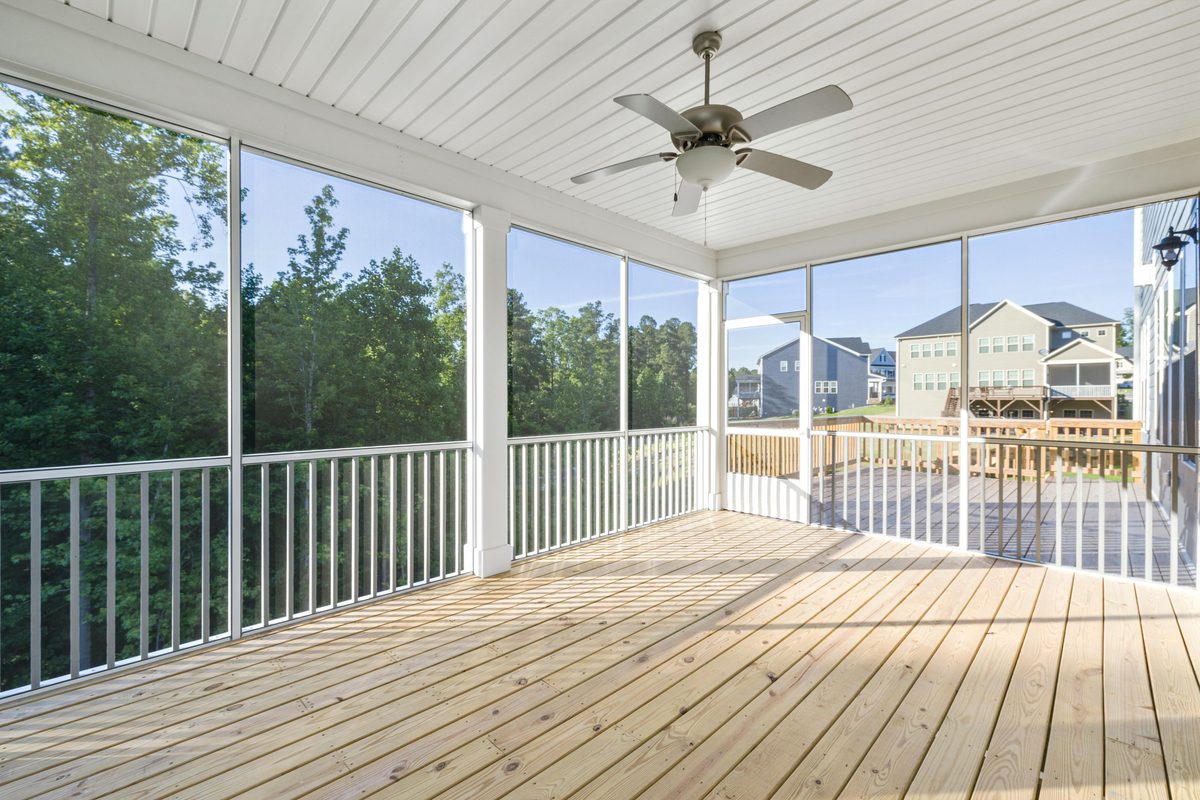
Ground-level decks typically cost between USD 12,000 and USD 17,000 in Michigan markets. A standard 20x20 wood deck ranges from USD 15,000 to USD 25,000+, while comparable composite installations span USD 12,000 to USD 25,000+.
Elevated structures require additional framing, posts, footings, and stair runs that escalate material and labor costs. Premium installations combining larger square footage, multiple elevations, upgraded lighting, picture framing, privacy screens, and cable or glass railings can exceed mid-range benchmarks significantly.
Material selection directly determines both upfront investment and long-term maintenance expenses across Michigan projects. A Lansing wood deck addition costs USD 17,564 compared to USD 23,172 for composite decking.
Wood represented 71.4% of North America deck revenue in 2022, indicating its continued market presence. However, composite or plastic materials lead renovation choices at 48%, followed by pressure-treated lumber at 32% and redwood or cedar at 12%.
Railing systems represent substantial cost variation depending on material choice and linear footage requirements. Wood railing costs USD 25-55 per linear foot in Michigan, while composite systems range from USD 35-110 per linear foot.
Aluminum railing typically costs USD 55-100 per linear foot for Michigan installations. Cable railing systems command USD 120-200 per linear foot, and glass panel railings reach USD 125-215 per linear foot before labor and structural reinforcement expenses.
Michigan homeowners choose from pressure-treated wood, cedar, composite, PVC, and specialty materials for decking projects. Each material category offers distinct performance characteristics, aesthetic qualities, and maintenance requirements suited to different budgets and priorities.
Climate compatibility influences material selection since Michigan experiences harsh winters, moisture exposure, and UV intensity. The state's 73.2% homeownership rate supports demand for both value-oriented and premium material systems.
Composite decks in Lansing recoup 83.8% of installation cost at resale versus 60.1% for wood decks. This resale performance reflects composite's lower maintenance burden and longer service life in Michigan climate conditions.
Experts identified composite decking as the most popular patio flooring option for 2025 at 46% preference. Composite decking encompasses wood-plastic or polymer boards, often featuring protective caps that resist moisture, fading, and staining.
Aluminum accounts for 5% of deck renovations, offering rust resistance and minimal upkeep. Tropical hardwood represents 3% of renovations, providing premium natural aesthetics with high density and weather resistance.
Specialty materials deliver distinctive visual character but require higher investment and specialized installation expertise. These options suit design-led projects where aesthetics justify premium pricing over mainstream composite or wood choices.
Michigan's freeze-thaw cycles stress deck materials through repeated expansion and contraction during seasonal temperature shifts. Composite and PVC systems withstand these conditions better than untreated wood, reducing cracking, warping, and moisture damage.
Moisture exposure from rain, snow, and humidity challenges wood decks without regular sealing and maintenance. UV wear affects all materials but impacts untreated wood and lower-quality composites more severely than premium capped systems with fade-resistant technology.
Railing selection influences both safety compliance and visual appeal for the art of deck installation projects. Material choice determines maintenance requirements, sightline preservation, and perceived luxury level throughout the deck's lifespan.
Cost differences between railing systems can equal or exceed decking material price variations. Glass and cable railings require precise post alignment and structural reinforcement that conventional baluster systems do not demand.
Metal held 42.8% of global railing-market revenue in 2023, reflecting its durability and design versatility. Wood contributed USD 9.55 billion or 18.5% of global railing total, maintaining presence in traditional applications.
The composite railing segment is projected to grow fastest at 5.3% annually through 2030. Cable railing systems offer modern, view-forward, minimalist premium aesthetics, while glass panel systems deliver luxury open-view designs with visually light profiles.
Balusters held 64.7% of railing-style revenue in 2023, confirming conventional vertical systems remain market dominant. Glass panel systems are forecast to reach USD 12.88 billion by 2030 despite representing only 2% of current deck renovations.
Cable and glass railing systems require more exact post alignment than traditional baluster configurations. Premium railings need structural reinforcement to handle tensioned cables or heavy glazed panels, increasing framing costs and installation complexity.
Urban and suburban settings with limited space benefit from glass or cable railings that preserve sightlines. Bloomfield Township decking installation projects often incorporate these premium materials to maximize property views and modern aesthetics.
Rural and cottage settings typically favor wood or composite balusters that blend with natural surroundings. Northern Michigan lakefront properties use cable systems to frame water views without visual obstruction from traditional posts and pickets.
Michigan homeowners balance cost against aesthetics, durability, and functional lifestyle improvements when planning deck projects. Decision-making reflects both immediate budget constraints and long-term value calculations including maintenance burden and resale performance.
Consumer priorities align with broader outdoor renovation trends emphasizing entertainment, living space extension, and visual appeal. Climate-specific concerns about freeze-thaw damage and moisture resistance influence material selection more heavily in Michigan than milder regions.
Aesthetics ranks as a consideration for 71% of homeowners selecting outdoor materials and products. Durability also registers at 71%, indicating equal weight given to appearance and performance longevity.
Comfort ranks as a consideration for 69% of outdoor renovation buyers nationwide. After project completion, 37% value beauty and aesthetics most, while 29% prioritize better functionality and livability improvements.
Improving aesthetics ranks as the top goal at 51% among homeowners undertaking outdoor projects. Enhancing entertaining space motivates 37% of renovators, while extending living space drives 33% of deck installations.
Easier maintenance and organization appeals to 21% of homeowners planning outdoor improvements. Among those renovating outdoor spaces, 41% report that elements deteriorated or broke down, prompting replacement decisions.
Durable, long-lasting results are valued by 11% of homeowners after completing outdoor renovations. These buyers prioritize materials requiring minimal intervention and delivering extended service life in harsh Michigan conditions.
Project timing reflects resource availability, with 27% reporting they finally had time for renovations. Another 26% indicate they finally had financial means, suggesting deferred demand converts when household budgets permit.
Michigan's geographic diversity creates distinct market segments with varying budget tolerance and feature preferences. Southeast Michigan suburbs, West Michigan growth corridors, and northern rural markets demonstrate different material adoption patterns and spending levels.
Demographic factors including generation, income, and homeownership rates shape deck investment decisions statewide. Urban concentrations near Detroit, Grand Rapids, and Ann Arbor support premium material markets while rural areas maintain price-sensitive renovation focus.
Michigan's population is 74.6% urban and 25.4% rural, but rural homeownership reaches 86.0% versus 66.4% urban. This ownership distribution creates substantial addressable deck demand outside metropolitan cores despite lower population density.
Northern and rural markets remain more price-sensitive and renovation-oriented than suburban growth areas. Pressure-treated wood and simpler railing systems dominate these markets, though high-end lakefront pockets support premium glass and cable installations.
Gen X homeowners renovate to extend living space at 41% compared to 33% overall average. Millennials renovate to extend living space at 38%, while Boomers represent 28% for this motivation.
Millennials renovate for entertainment at 44% versus 37% overall, with Gen X at 42%. Younger generations prioritize multifunctional outdoor spaces that support both family activities and social gatherings throughout Michigan's seasonal climate.
Southeast Michigan suburbs represent the strongest markets for composite decking, upgraded lighting, aluminum rail, cable rail, and glass-accented premium builds. Royal Oak decking installation and Novi decking installation projects frequently incorporate these upscale features.
West Michigan growth corridors including the Kent/Ottawa area also support premium deck markets with balanced aesthetics. New for-sale construction concentrates around Detroit, Lansing, Ann Arbor, Kalamazoo, and Grand Rapids, driving material specification toward low-maintenance systems.
Project budgets span from basic ground-level replacements to elaborate multi-level installations with integrated features. Troy decking installation costs reflect Southeast Michigan's higher labor rates and premium material adoption.
Understanding price tiers helps homeowners align expectations with available options and necessary trade-offs. Regional variations, material selection, and project complexity create wide ranges within Michigan's overall deck market.
Mid-range Michigan deck projects typically range from USD 17,564 for Lansing wood deck additions to USD 23,172 for composite versions. These benchmarks represent standardized remodeling estimates that include materials, labor, and basic finishes.
Ground-level decks with straightforward footprints often cost USD 12,000 to USD 17,000 across Michigan markets. Composite systems with aluminum or composite railings occupy the strongest all-around value position for maintenance-conscious suburban homeowners.
Premium installations combine larger square footage, elevated structures, multiple stair runs, and upscale finishing details. Cable or glass railing packages alone can add USD 100+ per linear foot beyond basic baluster systems.
Southfield decking installation projects with lighting integration, picture framing, privacy screens, and premium capped composite materials frequently exceed USD 30,000. Lakefront and golf-course properties with extensive sightline-preserving railings can reach significantly higher budgets.
Deck resurfacing costs USD 15-50 per square foot when replacing boards over serviceable framing. This option suits homeowners whose structural components remain sound but surface materials have deteriorated.
Deck refinishing in good condition costs USD 1.75-4.00 per square foot for cleaning and resealing. Rough-condition refinishing requiring intensive preparation costs around USD 6.00 per square foot before applying protective coatings.
Design style preferences guide material and railing selections that create cohesive outdoor aesthetics. Traditional outdoor design represents 24% of homeowner choices, transitional accounts for 15%, and contemporary or modern styles combine for 19%.
Visual coherence between decking, railings, and surrounding landscape strengthens perceived quality and resale appeal. Sterling Heights decking installation projects demonstrate how style alignment enhances neighborhood compatibility.
Traditional outdoor design style represents 24% of homeowner preferences, favoring natural materials and classic proportions. Transitional outdoor design at 15% blends traditional warmth with simplified modern lines and neutral color palettes.
Native or naturalized landscaping appeals to 10% of homeowners seeking environmental integration. Contemporary design at 10% and modern at 9% emphasize clean geometry, bold contrasts, and view-preserving minimalism.
Traditional styles work best with pressure-treated wood or cedar decking paired with stained wood balusters. Transitional designs favor composite decking in neutral tones with black aluminum or composite railings for broad market appeal.
Contemporary and modern aesthetics require wide-board composite or premium capped systems with cable or glass railings. These combinations deliver the clean lines and open sightlines that define current high-end outdoor design.
Outdoor projects achieve a Joy Score of 9.7 on homeowner satisfaction surveys measuring emotional impact. This elevated satisfaction reflects the lifestyle improvement and visual transformation decks deliver beyond pure financial return.
Design cohesion with home architecture and neighborhood character maximizes resale appeal in Michigan's diverse housing markets. Premium materials and railings signal quality but must align with area expectations to avoid overimprovement.
Michigan's deck construction and renovation market is approximately USD 91.9 million in 2026, with estimated growth to USD 115.1 million by 2030. This 25.3% expansion over five years reflects a 5.8% CAGR aligned with national outdoor living investment trends.
Homeowners achieve the strongest value by matching material and railing choices to climate demands, lifestyle priorities, and maintenance tolerance. Composite decking with aluminum or composite railings represents the optimal balance for most Michigan suburban applications combining durability, aesthetics, and resale performance.
Alexandria Home Solutions helps Michigan homeowners transform outdoor spaces through professional deck installation that balances budget, design, and long-term value. Our licensed and insured team delivers transparent pricing, comprehensive warranties, and single-point project coordination across windows, doors, roofing, siding, and decking services.
Ready to create your ideal outdoor living space? Explore our comprehensive exterior services and schedule your free, no-obligation consultation today.