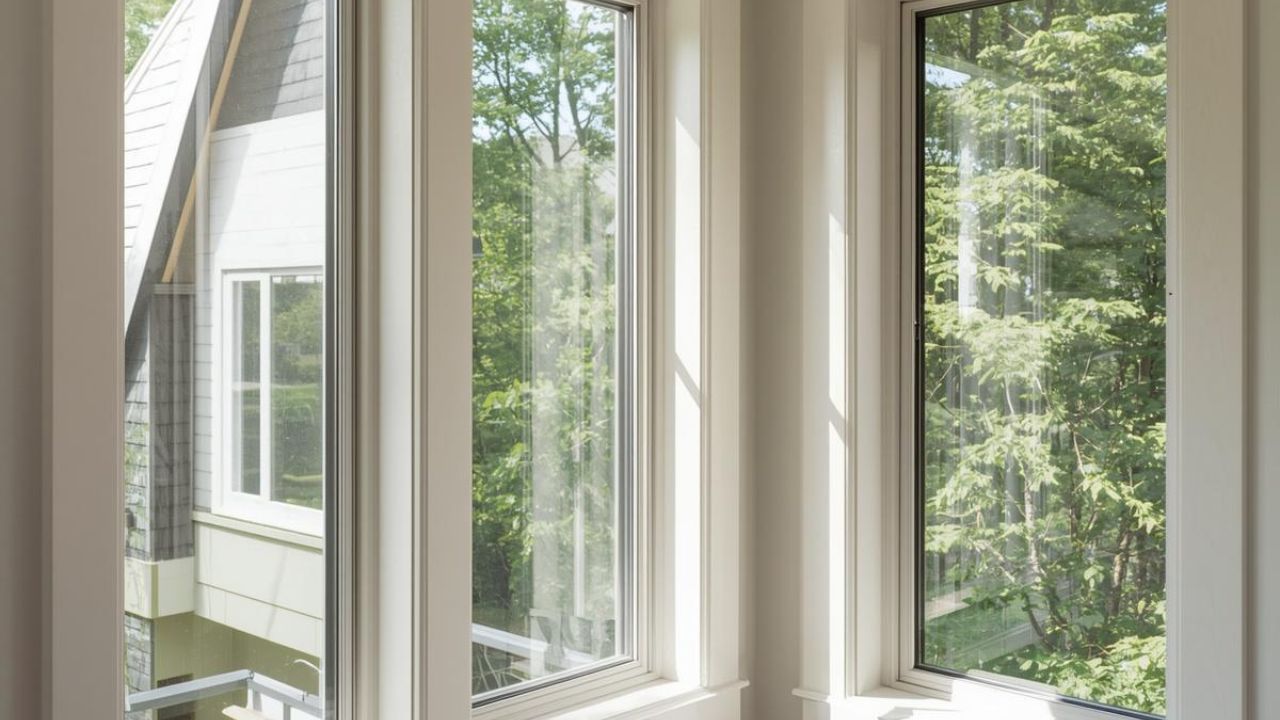
When you're looking at new windows for your Michigan home, the material choice affects everything: your monthly energy bills, how often you'll need maintenance, and how long those windows will actually last. Vinyl and fiberglass have become the go-to options for most homeowners, but they work very differently once they're installed.
This window material comparison breaks down what you really need to know: construction differences, how each material holds up over time, energy performance, and what you'll actually pay in 2026. We're giving you the details that matter when you're making a decision that'll affect your home for decades.
Key Takeaways
Both vinyl and fiberglass give you synthetic frames that won't rot like wood or corrode like aluminum. But the way they're made and what they're made from creates very different windows.
Vinyl windows are built from polyvinyl chloride (PVC), the same durable plastic used in plumbing pipes. The material naturally resists moisture, so you won't need to paint or seal these frames. Manufacturers extrude the PVC into hollow chambers that provide some insulation value. The material is lightweight, which makes installation faster but also means it can flex under stress.
Choose vinyl if: You want the widest selection of colors and finishes, need to stay within a tight budget, or prefer windows that require almost zero maintenance beyond occasional cleaning.
Fiberglass windows start with glass fibers mixed with polyester resin. Manufacturers use either pultrusion (pulling the material through a heated die) or compression molding to create exceptionally strong frames. The glass fibers give the material its structural strength while maintaining excellent thermal properties.
The result is a frame that's rigid, stable, and won't bend or warp even in extreme temperatures. However, you'll have fewer color choices compared to vinyl, most manufacturers offer a limited palette.
You can get double-hung, casement, sliding, and picture windows in either vinyl or fiberglass. Both materials support common window configurations, so your choice between casement vs double-hung windows comes down to how you want the windows to operate, not what material you pick for the frames.
What it is: Window lifespan measures how long frames maintain structural integrity and thermal performance before needing replacement. Material strength and environmental resistance directly determine replacement timing.
Yes, and the difference is significant. Fiberglass windows durability extends 30 to 50+ years in typical conditions. Vinyl frames usually need replacement after 20-30 years, even with proper care.
Fiberglass is eight times stronger than vinyl. That strength matters when frames face Michigan's freeze-thaw cycles, summer heat, and wind pressure. Fiberglass resists warping when temperatures swing from -10°F winter lows to 90°F summer highs. Vinyl frames can soften and distort when exposed to intense heat, especially on south-facing walls where sun exposure is constant.
The catch? Fiberglass gives you limited color options out of the gate. Most manufacturers offer white, tan, and a handful of other neutrals. Vinyl comes in dozens of colors and finishes, which is why it captures over 50% of residential window sales nationally.
Vinyl frames gradually lose flexibility as UV exposure breaks down the PVC. You'll notice the frames become more brittle after 15-20 years. In extreme cases, corners can crack or welds can separate. South-facing vinyl windows show these signs first.
Fiberglass maintains structural integrity throughout its lifespan. The glass fiber reinforcement doesn't degrade under UV exposure the way plastic does. You won't see the same warping, cracking, or color fading that vinyl develops. For more details on extending window life in Michigan's climate, see our window maintenance schedule guide.
What it is: Window energy efficiency measures how well frames and glass prevent heat transfer between inside and outside air. Better insulation reduces heating and cooling costs year-round.
Fiberglass provides approximately 15% better energy efficiency than vinyl due to superior insulation properties. The material's low thermal conductivity means less heat passes through the frames themselves. You get more consistent energy savings windows performance across Michigan's temperature swings.
Vinyl offers decent thermal performance, especially in multi-chamber frame designs where air pockets provide insulation. But the material expands and contracts more than fiberglass when temperatures change, which can create small gaps in weatherstripping over time. Those gaps let conditioned air escape.
Both materials beat aluminum frames hands-down for thermal performance, but fiberglass edges ahead of vinyl when you're prioritizing maximum efficiency. Want to see exactly how much you could save? Check our energy savings calculator to estimate your potential utility bill reduction.
Michigan's cold winters require windows with U-factors below 0.30 for optimal performance. The U-factor measures heat loss, lower numbers mean better insulation. Both vinyl and fiberglass can achieve these ratings when paired with low-emissivity glass coatings and argon gas fills between panes.
The difference shows up in how consistently each material maintains that rated performance. Fiberglass frames hold their shape and seal tightly regardless of temperature. Vinyl can develop gaps as it expands in summer heat and contracts in winter cold, gradually reducing the effective U-factor over time.
Both materials require minimal upkeep compared to wood or aluminum frames. You won't be painting, staining, or treating either one.
Vinyl needs occasional cleaning with soap and water, maybe twice a year if you're thorough. The material resists moisture naturally, so you won't see rot or corrosion. However, vinyl can accumulate dirt in textured finishes, and darker colors may show fading after 10-15 years of sun exposure.
Fiberglass maintains its appearance longer without special treatments. The material resists fading, and its smooth surface doesn't trap dirt the way textured vinyl can. You'll clean these frames just as often as vinyl, but they'll look newer longer.
Vinyl windows cost significantly less than fiberglass upfront. That price difference drives vinyl's market dominance, budget matters when you're replacing 10+ windows at once.
Vinyl windows cost an average of $558 per window installed in 2026. Fiberglass windows average $651 per window installed, representing a 17% premium over vinyl.
Budget vinyl options start at $100 to $400 per window before installation. Premium fiberglass installations with custom features can reach $1,000 to $1,200. The vinyl windows cost has climbed from $450 in 2020 to $600 in 2026 due to material inflation and supply chain adjustments.
Here's what typical projects cost:
Yes, and significantly. Insert replacements cost less because your existing frame stays in place. The installer removes the old sash and glass, then fits new components into the existing opening. This method saves labor time and material costs.
Full frame replacements remove everything down to the structural framing, sash, trim, frame, and all. You'll pay approximately 20% more for full frame installations because they require more labor and materials. However, full frame gives you better air sealing and lets you increase glass area by reducing frame width.
Michigan window replacement costs range from $1,300 to $3,700 per window depending on material quality and installation complexity. Urban areas like Detroit and Grand Rapids typically charge 10-15% more than rural communities due to higher labor rates and building permit fees.
Vinyl insert installations cost approximately $1,500 per window installed in Michigan. Vinyl full frame replacements cost approximately $1,800 per window, while wood insert installations reach $3,450 per window for homeowners wanting traditional aesthetics.
Consumer preferences have shifted noticeably over the past few years. Energy costs, generational spending patterns, and climate concerns all influence what homeowners choose.
One in five Millennials spend more than $5,000 annually on home improvement projects. Generation X spends 12.6% less than Millennials, while Baby Boomers spend 20.5% less than Generation X. Millennials demonstrate 51% higher median spending than Generation X on window replacements specifically.
This spending pattern drives market trends. Younger homeowners prioritize energy efficiency and long-term value, which pushes fiberglass sales upward despite higher initial costs. Older homeowners, often on fixed incomes, lean toward vinyl's lower upfront expense.
The energy-efficient windows segment was valued at $13.74 billion in 2026 and projects to reach $16.26 billion by 2030. This market grows at a 4.3% compound annual growth rate driven by rising utility costs and climate awareness.
Approximately 83% of homebuyers rate ENERGY STAR certified windows as essential or desirable features. That certification status affects home values directly, buyers pay premiums for homes with verified energy-efficient upgrades. To see what your Michigan neighbors are choosing, check local installation trends in your area.
Energy efficiency serves as the primary motivator for 36% of homeowners replacing windows. Damage repair accounts for 29% of replacement decisions, while moisture and leakage issues drive 12% of projects.
Homeowners aged 18-34 prioritize damage repair at 45%, significantly higher than older demographics. This group often purchases starter homes needing immediate upgrades. Older homeowners typically replace windows for energy savings or aesthetic improvements rather than emergency repairs.
Alternative materials like wood and aluminum still hold market share, but they come with tradeoffs most Michigan homeowners find unacceptable.
Wood windows range from $875 to $1,865 per window installed in 2026. These frames require consistent maintenance, painting, sealing, and regular inspections for rot. Michigan's humidity and temperature swings accelerate wood deterioration unless you're diligent about upkeep.
Wood appeals to homeowners in historic homes or those wanting authentic traditional aesthetics. The material offers superior insulation when properly maintained and allows for custom staining and finishing options neither vinyl nor fiberglass can match.
Aluminum windows range from $75 to $400 per window, making them the most affordable frame material. Aluminum frames account for 54% of overall market value primarily through commercial applications where cost matters more than residential comfort.
The problem? Aluminum conducts heat easily. Without thermal breaks (insulating material between inside and outside frame sections), aluminum windows lose heat rapidly in winter. That makes them poorly suited for Michigan's cold climate unless you're willing to accept higher heating costs.
Beyond frame material, window operation style affects ventilation, cleaning access, and energy efficiency. Your choice between double-hung vs casement windows depends on how you use specific rooms.
Double-hung windows feature two sashes that slide vertically within the frame. You can open the top sash for ventilation without blocking the bottom of the window opening. This flexibility makes them popular in bedrooms and living areas.
The tradeoff? Double-hung windows have more air gaps where sashes meet and slide. That sliding mechanism requires weatherstripping that compresses and wears over time. You'll see slightly reduced energy efficiency compared to fixed panes or casement styles.
Cleaning exterior panes on double-hung windows is more challenging on second floors. Many modern designs tilt inward for easier access, but you're still reaching through the window opening to clean outside surfaces.
Casement windows hinge at the side and open outward using a crank mechanism. They provide full ventilation when open and create superior weather seals when closed, the sash presses against the frame rather than sliding past weatherstripping.
These designs cost more than double-hung windows due to hardware complexity and tighter manufacturing tolerances. The crank mechanism requires periodic lubrication and can fail after extended use. You'll also notice casement windows can't accommodate window air conditioning units without modification.
Choose double-hung when: You want traditional styling, need flexibility in ventilation positioning, or plan to install window AC units. You're comfortable with slightly higher air infiltration.
Michigan's climate creates specific requirements that affect both window selection and installation approach. Understanding these factors helps you budget accurately and choose appropriate materials.
Michigan's cold winters require windows with U-factors below 0.30 for optimal thermal performance. Windows exceeding this threshold allow excessive heat loss during winter months, increasing furnace runtime and utility bills.
You'll want low-emissivity glass coatings and argon gas fills between panes for enhanced insulation. These features work with both vinyl and fiberglass frames but matter more in Michigan than in moderate climates. The investment pays back through lower heating costs over the window's lifespan.
Insert window replacement fits new components into your existing frame. The installer removes the old sash and glass but leaves the frame structure intact. This method costs less and installs faster, typically one window per hour for experienced crews.
Full frame window replacement removes everything down to the structural framing. You'll pay approximately 20% more, but you get better air sealing and the opportunity to increase glass area. This method also reveals hidden water damage or structural issues before they worsen.
Choose insert replacement when: Your frames are square, level, and show no rot or damage. You want faster installation with minimal disruption to interior trim and exterior siding.
Urban areas like Detroit and Grand Rapids charge 10-15% more for professional installation due to higher labor rates and permit fees. Rural communities offer lower labor costs but may have fewer contractor options, potentially extending project timelines.
Whole-home replacements involving 10 windows typically range from $13,000 to $37,000 including professional installation and warranty coverage. The wide range reflects material quality differences, budget vinyl at the low end, premium fiberglass at the high end.
Choosing between vinyl and fiberglass windows comes down to balancing upfront investment against long-term performance. Vinyl delivers immediate affordability and extensive color options, making it the right choice for homeowners who need good performance without premium pricing. Fiberglass justifies higher initial costs through superior strength, extended lifespans, and better thermal efficiency, especially in Michigan's extreme climate.
If you're planning to stay in your home for 20+ years, fiberglass's extended lifespan and energy savings will likely outweigh the higher purchase price. Homeowners with shorter timeframes or tighter budgets often find vinyl provides adequate performance at a lower initial expense.
Both materials outperform traditional wood and aluminum in moisture resistance and maintenance requirements. The real decision is whether you're optimizing for upfront cost or long-term value. Proper installation by licensed professionals ensures maximum performance regardless of material choice, protecting your investment through comprehensive warranties.
Michigan's cold climate makes this decision more important than in moderate regions. The difference between adequate insulation and exceptional insulation directly affects your comfort and utility bills for decades. Windows that perform well in Georgia might not meet your needs in Grand Rapids.
At Alexandria Home Solutions, we help Michigan homeowners make informed window replacement decisions based on their specific situation, not sales pressure or generic recommendations. Our licensed professionals install both vinyl and fiberglass windows to meet your performance needs and budget requirements, backed by comprehensive warranties on materials and labor.
We start with a free, no-pressure in-home consultation where we assess your current windows, discuss your priorities, and provide transparent pricing for both material options. You'll get detailed quotes with no hidden fees, plus flexible financing options if needed. Our team handles everything from permits to final cleanup, making the entire process straightforward.
Schedule your free consultation today to receive a detailed estimate and explore which window material, vinyl or fiberglass, works best for your home, climate, and budget. We'll show you exactly what to expect with transparent pricing and honest guidance on the best solution for your situation.