Key Takeaways:
The initial consultation determines project success. It's where you evaluate expertise, establish expectations, and assess whether a remodeler can deliver luxury results. This meeting separates qualified professionals from contractors who overpromise and underdeliver. Asking the right questions reveals capabilities, exposes weaknesses, and provides the data needed to make an informed hiring decision.
The consultation serves as a mutual vetting process. You assess the remodeler's qualifications while they evaluate project feasibility and client expectations. It's the foundation for everything that follows.
The first meeting establishes project framework and partnership dynamics. The 2025 remodeling market forecast shows 5 percent growth in residential activity. Remodeling companies have nearly doubled from fewer than 69,000 in 2000 to over 128,000 in 2024, giving homeowners more options but requiring more careful selection.
For luxury projects, specifications run 30 to 40 pages, listing every material, fixture, and construction step. This level of detail forms the basis for fixed-price contracts and clear performance milestones. The consultation reveals whether a remodeler operates at this standard or takes a more casual approach that risks miscommunication and cost overruns.
Expect thorough, detailed discussions about vision, scope, budget, and timeline. The design-build approach is highly recommended for luxury projects because it places both design and construction under one entity. This structure ensures seamless communication and accountability from initial vision through final walk-through.
Professional consultations demonstrate systematic processes. Remodelers should ask probing questions about your lifestyle, aesthetic preferences, and functional needs. They should take notes, request photos of existing conditions, and discuss preliminary ideas. Vague generalities signal lack of preparation or experience.
Remodelers assess scope, budget alignment, timeline feasibility, and stylistic compatibility. Typical whole-home luxury remodels take 12 to 18 months. Remodelers verify they can deliver within your timeframe while maintaining quality standards.
Professional indicators matter. Established businesses with 5-plus years in operation demonstrate stability. NAHB membership, positive Better Business Bureau ratings, and professional offices with showrooms signal commitment to industry standards. Remodelers evaluate whether your expectations match their capabilities and whether they can assemble the right team for your specific needs.
Preparation maximizes consultation value. Organize priorities, establish realistic budget ranges, and gather visual examples. This groundwork helps remodelers provide accurate assessments and relevant recommendations.
Create a vision board—physical or digital using tools like Canva or Houzz—to communicate aesthetic direction. Current 2025 trends favor bold colors like jewel tones, contrasting textures, and custom architectural details. Your vision board clarifies whether you're following trends or prefer timeless design.
Conduct a space-use audit focusing on flow and layout, technology integration, and wellness factors. Document how you currently use spaces versus how you want to use them after remodeling. Assess wellness home requirements including air quality, natural light, and noise levels. This functional analysis guides design decisions and helps remodelers understand lifestyle needs.
Understand the financial stakes. Homes featuring luxury finishes sell for up to 30 percent more than those without. Superior materials reduce maintenance costs by 40 to 60 percent and enhance resale value by 12 to 18 percent. These numbers justify premium investments.
Establish a realistic budget range with a 10 to 20 percent contingency for unexpected issues. Older homes often hide surprises once walls open—outdated wiring, plumbing problems, structural deficiencies. Having contingency funds ready prevents project delays and allows proper fixes rather than temporary patches.
Vision boards should include material samples, color swatches, and lighting concepts—not just pretty room photos. These tangible references ensure all stakeholders align on high-end finishes and aesthetic goals.
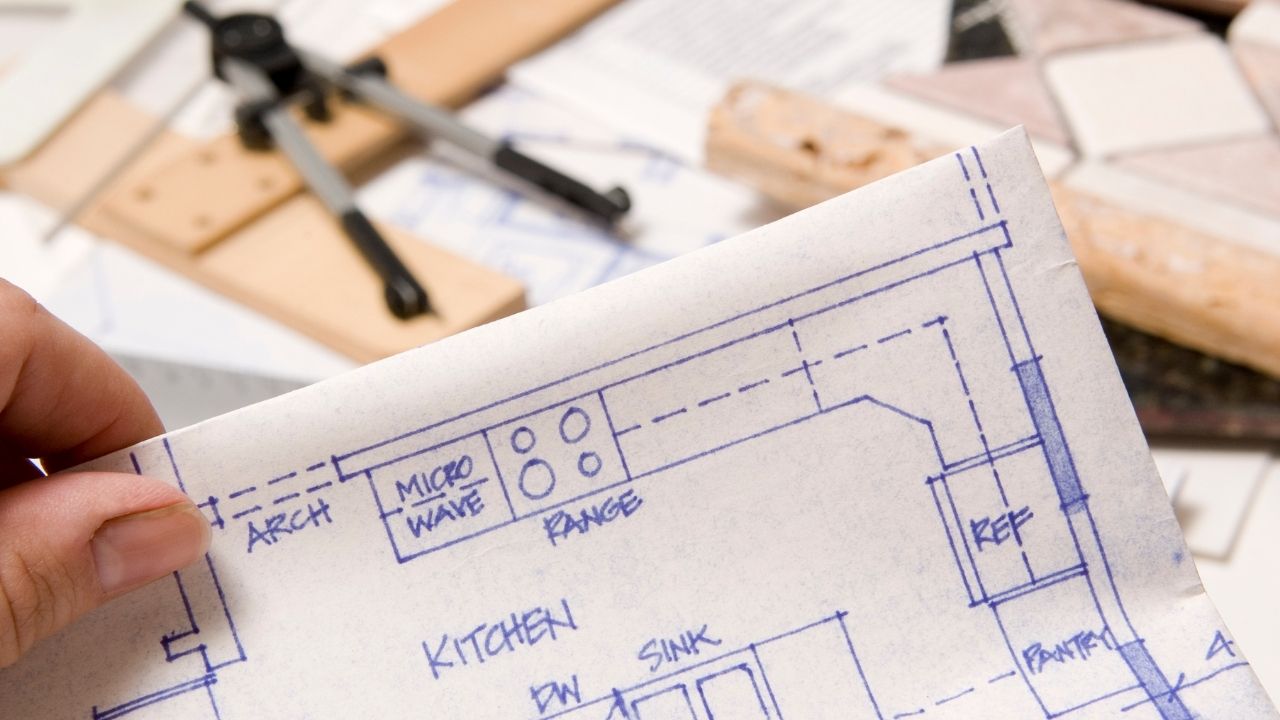
Accurate as-built drawings are crucial, especially for phased remodeling. These drawings document your existing home's structure, ensuring future work integrates seamlessly. If you lack these drawings, mention it during consultation so remodelers can include documentation in their scope and pricing.
Evaluate communication quality, transparency, expertise, and professionalism. Pay attention to how remodelers listen, explain processes, and address concerns. These soft skills predict project management success.
Quality remodelers commit to 24 to 48-hour response times. They assign dedicated project managers, schedule weekly progress meetings, and use project management software for transparency. These systems prevent the "radio silence" that plagues poorly managed projects.
Watch for clear, jargon-free explanations. Remodelers should translate technical concepts into understandable terms without condescension. They should welcome questions and provide detailed answers. Communication style during consultation predicts communication throughout construction.
Portfolios reveal capability. Remodelers should show recent projects within two years with similar luxury finishes. They should provide before-and-after photos and offer client references without hesitation. Check their customer reviews to verify consistent quality and professionalism.
Listen for discussions of specific challenges and solutions from past projects. Luxury remodeling involves unique problems—custom millwork complications, high-end material sourcing, complex architectural details. Experience with these challenges indicates true luxury expertise rather than residential-grade work dressed up with premium pricing.
Established subcontractor relationships matter. Remodelers should use vetted, licensed subcontractors with long-term relationships spanning 5-plus years. This stability indicates reliable networks and proven collaboration on complex projects.
Look for NAHB membership or local remodeling association participation. These professional indicators demonstrate commitment to industry standards and continuing education. Remodelers should maintain direct oversight of subcontractors rather than expecting homeowners to coordinate trades—a clear sign of inadequate project management.
Strategic questions reveal competence, process quality, and value alignment. They help you compare remodelers objectively rather than relying on gut feelings or sales pitches.
Questions about the process reveal organizational capabilities. Detailed planning provides guaranteed, fixed-price contracts that avoid costly mid-project changes. Master construction plans should detail how spaces relate to each other and the structural implications of proposed changes.
Questions force remodelers to articulate their methodology. Vague or evasive answers suggest inexperience or disorganization. Detailed, confident responses backed by examples indicate proven systems and professional expertise.
Market dynamics have shifted. Ninety-eight percent of consumers are now familiar with the aging-in-place concept, up from 75 percent in 2004. Record levels of home equity are supporting renovation projects. Homeowners increasingly choose to invest in improvements rather than relocate due to housing affordability challenges.
Questions about long-term value, universal design, and lifecycle costs reveal whether remodelers understand these dynamics. Their answers show whether they view remodeling as quick cosmetic updates or strategic home investments serving evolving needs over decades.
Consistent questions create comparable data. When every remodeler answers identical questions, you can evaluate responses side by side. This structured comparison prevents charisma or sales skills from overwhelming substantive qualifications.
Document answers for later review. Memory fails, especially after multiple consultations. Written notes help you remember who said what and identify the most thorough, credible responses when making final decisions.
These 10 questions systematically evaluate expertise, process, and reliability. Each targets a specific competency critical to luxury remodeling success.
This assesses relevant experience and strategic thinking. Listen for specific examples, not generic descriptions. Eight of the top 10 ROI projects are exterior replacements, but luxury work often involves complex interior renovations where personal value exceeds strict ROI calculations.
Remodelers should discuss how they've handled projects with similar scope, style, and budget. The East North Central region shows stronger ROIs in the latest reports. Regional experience matters because market dynamics, building codes, and climate challenges vary by location. Understanding comprehensive home improvement services helps evaluate whether contractors can handle your full project scope.
Design-build provides single-entity accountability from vision through final walk-through. Ask about design processes, revision protocols, and how they incorporate client feedback while maintaining structural integrity and functionality.
Quality remodelers use 3D renderings to visualize concepts before construction begins. They explain design fee structures clearly, distinguishing between initial concept development and detailed construction documentation. Their process should feel collaborative, not dictatorial. Designers who listen and iterate create better outcomes than those who impose their aesthetic preferences.
Standard cost data includes 10 percent markup on materials and 10 percent on labor, though many quality contractors charge higher markups—typically 10 to 20 percent—to support skilled workforces with good benefits and proper insurance.
Remodelers should provide detailed, itemized estimates breaking down labor, materials, and overhead. They should have clear change order processes in writing. Transparency about pricing builds trust and prevents disputes. Vague lump-sum bids without breakdowns suggest padding or inexperience with accurate estimating.
Material lead times run 8 to 20 weeks for luxury items. Windows and doors rank as the number two most difficult materials to obtain in 2025. The top five hardest materials are appliances, windows and doors, HVAC equipment, plumbing fixtures and fittings, and cabinets.
Remodelers must discuss seasonal considerations and explain how material availability affects scheduling. They should order materials early and have contingency plans for delays. Weather contingencies and buffer time demonstrate realistic planning rather than optimistic promises that inevitably disappoint.
Top labor shortages affect carpenters—both finished and rough—framing crews, bricklayers and masons, and concrete workers. Understanding these shortages helps remodelers plan proactively and secure qualified trades early.
Subcontractors should be vetted, licensed, and insured. Long-term relationships spanning 5-plus years indicate stability and proven performance. Remodelers should maintain direct oversight rather than expecting homeowners to coordinate with subcontractors directly. Project management is their job, not yours.
Communication protocols prevent misunderstandings. Remodelers should commit to 24 to 48-hour response times, schedule weekly progress meetings, and assign dedicated project managers. Project management software provides real-time updates accessible to homeowners.
Multiple contact methods—phone, email, text, project portal—accommodate different communication preferences. Regular, proactive updates prevent anxiety and build confidence. Contractors who go silent between payments create stress and erode trust even when work progresses satisfactorily.
Superior materials reduce long-term maintenance costs by 40 to 60 percent. High-quality materials enhance resale value by 12 to 18 percent. These benefits justify premium material investments for luxury projects where quality matters more than initial cost.
Remodelers should have backup supplier relationships for continuity when preferred materials face delays. They should order materials early and have substitution protocols when items are discontinued. Quality control processes should include inspections at key milestones, not just final walk-throughs when corrections become expensive and disruptive.
Standard contingency protocols address unexpected discoveries. Common issues requiring a 10 to 20 percent budget contingency include outdated wiring, hidden water damage, and structural deficiencies revealed once walls open.
Remodelers should explain inspection processes and provide examples of past problem-solving. Their approach to challenges reveals both technical competence and customer service philosophy. Do they view problems as opportunities to deliver value or as profit opportunities to exploit?
For large, whole-house remodels, projects should be broken into distinct phases with clear starting and stopping points. Phasing strategy allows better budget control and minimizes disruption to daily life. Each phase has a defined scope and separate budget.
Change orders must be documented in writing with clear cost and timeline implications. The contingency budget—10 to 20 percent—covers unforeseen issues, not homeowner-initiated changes. Remodelers should distinguish between necessary corrections to original plans and optional upgrades you decide to add mid-project.
Payment structures should follow industry standards: 10 to 30 percent deposit, progress payments tied to milestones, and 10 percent retention until completion. This structure protects both parties and incentivizes quality work through project completion.
Written warranties covering at least one year of workmanship are standard. Remodelers should also explain manufacturer warranties on materials and equipment. Post-project support—how they handle punch lists, minor adjustments, and warranty claims—reveals commitment to client satisfaction beyond the final payment. For major investments like exterior door installation, warranties provide essential protection.
Answer quality matters more than content. Detailed, confident responses indicate experience. Vague or evasive answers suggest problems. Compare responses across remodelers to identify strongest candidates.
Strong responses include detailed phase-by-phase timelines for 12 to 18-month whole-home luxury remodels, discussions of seasonal considerations, written delay protocols, and built-in weather contingencies. These specifics demonstrate systematic planning and realistic expectations.
Experience shows through examples. When remodelers reference specific past projects, challenges overcome, and lessons learned, they're drawing from real expertise. Generic answers suggest limited relevant experience or unwillingness to commit to specifics that could later be verified or disputed.
Red flags include demands for large upfront payments exceeding 50 percent, cash-only payment requests, no written warranties, final payment required before completion, and vague lump-sum bids without detailed breakdowns.
Promises of unrealistically fast completion signal either inexperience or dishonesty. No discussion of potential delays or weather impacts suggests inadequate planning. Dismissive responses to questions signal poor customer service attitudes that will persist and worsen throughout construction.
Michigan LARA licensing is required for projects over $600. Verify license numbers and check for violations or complaints through state databases. Licensed contractors should carry general liability insurance of $1 million or more and workers' compensation coverage.
Professional offices and showrooms indicate established businesses. Detailed written contracts specifying scope, timeline, and payment terms protect everyone. Compare these tangible credentials alongside answer quality to identify the most qualified remodeler rather than the best salesperson.
Follow-up separates serious candidates from poor fits. Request additional information, verify credentials, and evaluate whether professionalism extends beyond the sales process.
Request license number verification through state databases. Ask for insurance certificates showing current coverage. Contact client references to discuss their experiences, focusing on communication, problem-solving, and final results. Request subcontractor credentials for specialized trades critical to your project.
Don't hesitate to ask for clarifications on anything unclear from the initial consultation. Quality remodelers welcome questions and provide prompt, thorough answers. Slow or incomplete responses to follow-up requests predict communication problems during construction when delays and silence cause far more damage.
Evaluate answers against best-practice standards. Compare detailed, itemized estimates across remodelers. Review portfolio relevance—do their past projects align with your style and scope? Check for positive online reviews and Better Business Bureau ratings that confirm consultation promises.
Trust your instincts about communication and professionalism. If something feels off during consultation, it won't improve during construction. Move forward only when you feel confident in the remodeler's expertise, integrity, and commitment to your vision. Whether planning deck installation or whole-home renovation, confidence in your contractor is essential.
Consumer sentiment is shifting from mortgage rate concerns to economic uncertainty. Homes moving in today's market tend to be in solid condition with well-appointed exteriors, moving at high prices. This makes quality renovations worthwhile investments that deliver both lifestyle improvements and financial returns.
Choose remodelers who understand these market dynamics and view your project as a long-term investment, not just a construction job. Their professional approach should demonstrate respect for your home, your vision, and your financial commitment through every interaction.
The 2026 forecast shows 3 percent nominal gain in remodeling activity. Current market conditions favor homeowners investing in improvements over relocating. Few homes moving in today's market tend to be in solid condition with well-appointed exteriors, selling at premium prices that reward quality renovations.
Strategic questions during the initial consultation protect your investment. They reveal expertise, process quality, and commitment to excellence. By asking these 10 essential questions and carefully evaluating answers, you position yourself to select a remodeler who delivers exceptional results. The right partnership begins with the right questions—and continues with clear communication, realistic expectations, and mutual respect throughout the project.
Ready to begin your luxury remodeling project with a contractor who answers these questions confidently? Contact Alexandria Home Solutions for a consultation that demonstrates the professionalism, expertise, and commitment to quality your home deserves.