Key Takeaways:
House fires pose year-round threats to Michigan homeowners. Exterior materials either fuel flames or contain them—this fundamental choice determines family safety during fire emergencies. James Hardie fiber cement siding provides noncombustible protection eliminating ignition risk from external sources including nearby fires, grill mishaps, and wildfires. This guide examines the material science, testing standards, and practical advantages that make Hardie Board's Class A fire rating essential protection for Michigan homes.
Material composition determines fire performance. Hardie Board's inorganic ingredients create noncombustible barriers protecting homes from ignition and flame spread.
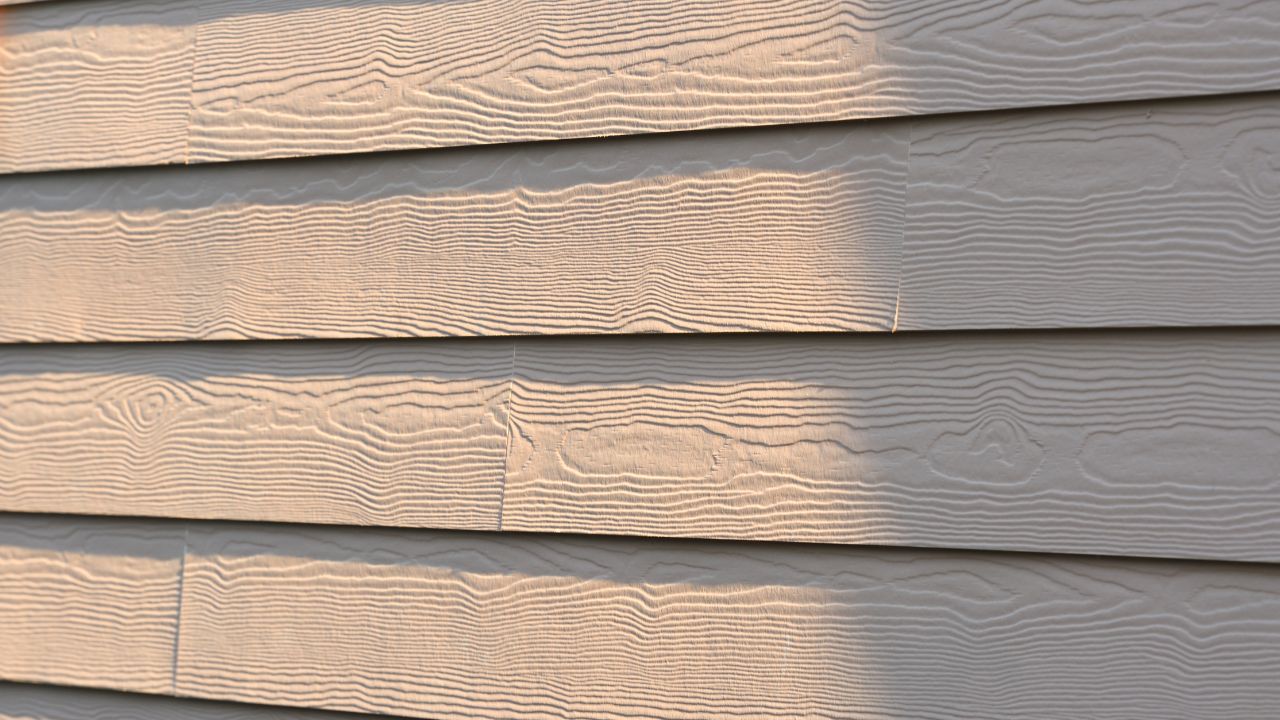
Hardie Board consists of Portland cement, sand, and cellulose fibers creating a composite with density of 1,200-1,500 kg/m³. The inorganic composition provides inherent fire resistance—no combustible organic materials exist in the substrate. Cement-based matrix provides fire resistance remaining consistent across temperature extremes. Dense material composition creates a noncombustible barrier that will not ignite when exposed to direct flame. The structural fire protection stems directly from material density and composition—physical properties rather than applied coatings determine performance.
James Hardie siding is classified as noncombustible meaning it will not ignite when exposed to direct flame. The material will not contribute fuel to fire unlike wood or other organic materials. Fiber cement is recognized by fire departments and building codes across the country for exceptional fire-resistant properties. James Hardie fiber cement siding holds Class A fire rating—the highest available classification. Hardie products meet ASTM E136 noncombustible classification through rigorous testing. The certification demonstrates that material composition fundamentally prevents combustion rather than merely resisting it temporarily.
Wood siding is highly combustible—easily ignites from embers or radiant heat. Wood provides fuel for fire to grow and spread to the rest of the structure , accelerating damage. Hardie siding provides noncombustible protection—critical distinction from wood's combustible nature. Wood siding carries Class C fire rating or remains unrated versus Hardie's Class A rating. The performance gap reflects fundamental material differences: organic wood burns while inorganic fiber cement does not. When comparing siding materials for fire safety, composition determines whether material protects or endangers occupants during fire emergencies.
Laboratory testing and real-world fire exposure demonstrate fiber cement's superior performance. Material behavior under extreme conditions reveals protection capabilities.
Fiber cement maintains integrity when exposed to heat and flame—will not ignite when exposed to direct flame. The material remains in place protecting wall assembly behind it. Helps slow fire spread providing critical extra time for family escape and firefighter arrival. Demonstrates noncombustible behavior and resistance to ignition from embers, radiant heat, and direct flame exposure. Side-by-side testing shows wood ignites and burns, vinyl melts and deforms, while James Hardie fiber cement maintains structural integrity. The performance difference provides a measurable safety advantage—minutes of protection translating to life-saving escape time.
Hardie® siding carries Class A fire rating—highest classification available for building materials. Rating determined by ASTM E84 standard test measuring flame spread and smoke development. James Hardie siding achieves flame spread index of 0—zero flame propagation. Smoke developed index measures 5—minimal smoke production. These results place fiber cement in the top tier of fire-safe building materials. Testing demonstrates that Hardie products meet ASTM E136 noncombustible classification and achieve Class A fire ratings for both flame spread and smoke development. The quantified performance data proves material superiority over combustible alternatives.
Maintains integrity when exposed to heat and flame unlike materials that melt or burn. Remains in place protecting the wall assembly behind it preventing fire penetration to the interior. Does not fall away from the wall exposing underlying structure like vinyl siding. Does not provide fuel for fire growth like wood accelerating damage. Structural stability provides a barrier preventing fire penetration to interior spaces. The maintained protection during critical fire exposure minutes allows firefighters to control fires before structural compromise occurs—often preventing total loss.
Michigan's fire risks extend beyond winter heating seasons. Summer conditions and year-round threats demand permanent fire protection.
House fires pose a year-round threat in Michigan including summer months. Summer conditions with dry vegetation increase ignition risk around homes. Grill mishaps remain common during summer outdoor cooking season. High temperatures create conditions for external ignition sources including equipment failures. Homes in developments with landscaping face vegetation fire risks during dry periods. The seasonal vulnerability requires permanent material-based protection rather than seasonal vigilance alone—fire-resistant siding provides constant defense.
More rural parts of Michigan face wildfire risks especially during drought conditions. House fires can ignite from outside through nearby house fires, grill mishap, or wildfires. Siding serves as the first line of defense in external fire scenarios. Defensible space maintenance proves crucial in areas with wildfire risk. "Lean, clean, and green" zones around homes created by clearing flammable vegetation remain essential. However, defensible space alone cannot protect homes if siding itself provides fuel—material selection completes protection strategy. Understanding the impact of fire-resistant siding on home protection reveals why material choice matters as much as landscaping.
Choosing noncombustible siding material represents one of the most important decisions for family safety. Materials on the exterior of home either fuel flames or help contain them—no neutral option exists. Fire resistance offers safer alternatives to flammable materials like wood or vinyl. Provides protection from both internal and external fire sources. Critical investment in home's resilience and family's safety with measurable performance advantages. The decision affects not just property protection but life safety during emergencies when seconds determine outcomes.
Direct comparison reveals performance gaps. Material behavior under fire exposure demonstrates why composition matters.
Vinyl siding quickly melts and warps when exposed to heat despite being less flammable than wood. Vinyl falls away from the wall exposing the underlying structure to flames—eliminates the protective barrier. Vinyl releases toxic gases as it burns creating additional hazards. Vinyl carries Class B or C fire rating versus Hardie's Class A rating. Fiber cement remains in place while vinyl melts and deforms during fire exposure. The melting behavior actually accelerates damage by removing protection and releasing toxic fumes endangering occupants and firefighters.
Wood easily ignites from embers or radiant heat providing fuel accelerating fire growth. Fiber cement will not ignite and remains in place protecting structure throughout exposure. Wood is highly combustible versus fiber cement's noncombustible classification—fundamental material difference. Fiber cement reduces ignition risk from ember exposure in wildfire-prone areas. Noncombustible siding reduces ignition risk in fire-safety-conscious areas regardless of fire source. James Hardie offers safer alternatives to flammable materials like wood or vinyl through engineered composition designed for fire protection.
Fiber cement earns top marks for fire resistance alongside other performance categories. Class A fire rating places it in the highest performance tier with masonry materials. Provides noncombustible protection similar to traditional masonry at lower cost and weight. Comprehensive comparison shows fiber cement as a noncombustible choice comparable to stone and brick. Fiber cement proves ideal for homeowners prioritizing protection with design flexibility—masonry performance without masonry constraints or costs. The equivalence in fire performance combined with superior design options makes fiber cement optimal choice.
Fire protection delivers compounding value. Initial investment prevents catastrophic losses while reducing ongoing costs.
Maintains structural integrity preventing extensive exterior damage requiring replacement. Remains in place protecting wall assembly reducing interior damage. Eliminates siding replacement costs from fire damage—material survives exposure intact. Prevents fuel contribution that would increase overall fire damage and repair costs. Protection of the underlying structure reduces total reconstruction expenses. The cost avoidance from prevented damage typically exceeds entire siding investment—single fire event justifies premium material selection.
The 30-year non-prorated warranty provides long-term protection confidence. Eliminates replacement from fire-related material failure over decades. Superior durability means no premature replacement needed from any cause. One-time investment in fire protection versus ongoing vulnerability with combustible materials. Long-term safety investment pays dividends through preventing losses exceeding initial costs. Lifecycle analysis demonstrates that fire-resistant materials cost less when potential loss prevention is factored into economics.
Non-combustible Class A fire rating adds measurable safety value to property. Enhanced safety reflects in property value and insurance considerations. Fire resistance may reduce insurance premiums through risk reduction. Superior fire protection appeals to safety-conscious buyers during resale. Complete protection system increases home desirability and market value. For comprehensive understanding of how material choices affect property value and protection, exploring professional roofing and siding services reveals complete building envelope protection strategies including fire-resistant materials.
Fire protection represents one element of a comprehensive safety package. Multiple protection features work synergistically.
Can be installed to withstand high wind loads common during Michigan storms. Heavier and more rigid than vinyl providing superior wind resistance. Highly resistant to impact from hail and wind-blown debris. Material thickness and composition provide resistance to wind-driven rain and debris impact. Standard 5/16-inch thickness provides structural rigidity resisting physical impacts and wind loads. The multi-hazard protection addresses the complete threat spectrum—fire, wind, hail, and impact—through single material selection.
Maintains structural integrity for decades with proper installation. Does not support mold or rot growth even with moisture exposure. Resists swelling, cracking, and warping due to rain, sleet, or snow. Dimensional stability maintains building envelope integrity preventing air and water infiltration. HZ5 formulation specifically engineered to combat moisture, freezing temperatures, and UV radiation. The consistent performance across all environmental stressors ensures protection remains effective regardless of exposure conditions homeowners face.
Pest resistance eliminates vulnerabilities from woodpecker and insect damage. Superior moisture resistance prevents conditions leading to structural deterioration. Temperature stability—withstands harsh winters without becoming brittle. Complete protection addressing multiple threat categories simultaneously. A comprehensive performance package addresses every Michigan climate challenge. The integrated protection eliminates weak points that single-purpose materials create—fire resistance without sacrificing durability, weather resistance, or pest immunity.
Fire safety need not compromise appearance. Material versatility allows design freedom with protection.
ColorPlus® Technology maintains appearance under heat stress without degradation. Factory-baked finish resistant to heat-related degradation. Does not melt, warp, or deform from heat exposure unlike vinyl. Maintains color integrity even during fire exposure testing. Material does not char or visibly degrade from radiant heat. The aesthetic durability ensures that even after fire exposure, material maintains professional appearance rather than showing obvious damage requiring immediate replacement.
Can mimic the look of wood, stucco, or stone without combustibility concerns. Available in a wide range of colors and textures maintaining fire safety. Maintains appearance over time without fire-related degradation concerns. Does not exhibit the "plastic" appearance of vinyl while providing superior safety. Professional appearance combined with safety creates premium positioning. The design freedom allows homeowners to achieve desired aesthetic without compromising safety—no tradeoff between appearance and protection required.
Fire safety is increasingly valued by informed buyers. Insurance considerations make fire-resistant homes more attractive to purchasers. Superior safety features justify premium pricing in the market. Long-term protection demonstrates quality construction. Complete protection system enhances overall home value proposition. Buyers recognize that fire-resistant construction reduces their long-term risk and insurance costs—willingness to pay premium reflects financial value of safety features.
Material performance depends on proper execution. Installation quality determines whether engineered properties translate to actual protection.
Proper installation according to manufacturer specifications ensures warranty validity and fire performance. Siding must be installed with proper clearances and flashing per specifications. Professional installation ensures siding performs as expected during fire exposure. Incorrect installation can compromise fire-resistant properties creating vulnerabilities. Certified installers understand fire performance requirements and code compliance. The expertise investment protects material investment—improper installation of premium materials delivers inferior results to proper installation of standard materials.
Ensure proper clearances are maintained between siding and ground—6 inches minimum. Proper clearances between siding and roofing, decks, walkways—1-2 inches prevents fire spread. All penetrations including windows, doors, vents and intersections must be properly flashed. Eliminates air gaps that could allow fire penetration behind siding. Proper fastening prevents panel displacement during fire exposure. The continuous protection without vulnerable gaps or transitions ensures that fire cannot bypass exterior barriers—complete envelope integrity maintains designed protection level.
Use only recommended fasteners and follow specified nailing patterns. Maintain proper ground clearance to prevent moisture wicking and fire spread pathways. Install proper flashing at all penetrations and transitions. Follow manufacturer specifications exactly for fire performance compliance. Ensure continuous protection without vulnerable gaps or transitions. Each specification serves fire protection purposes—deviations create failure pathways undermining material advantages regardless of composition.
Fire protection remains inherent to material. Maintenance preserves overall integrity supporting all protective properties.
Wash siding every 6-12 months with soft brush and mild detergent or low-pressure garden hose. Annual inspection recommended or after severe weather events. Check for cracks, gaps in caulking that could compromise fire barrier integrity. Inspect caulking around windows, doors, and trim annually. Re-caulk any areas where sealant has cracked or pulled away maintaining continuous protection. The routine maintenance prevents degradation that would create vulnerabilities—preserved integrity maintains fire protection indefinitely.
Fire-resistant properties are inherent to material composition—not coating dependent. No special fire-protection treatments required unlike some wood products. Standard cleaning maintains all protective properties including fire resistance. Lower maintenance than wood which requires protective coatings for durability and fire resistance. Maintenance focuses on preserving integrity, not maintaining fire resistance specifically. The inherent protection means homeowners need not apply treatments, worry about coating failures, or schedule special fire-protection maintenance tasks.
Never use high-pressure power washers—they can damage surface integrity. Keep gutters and downspouts clean, directing water away from siding. Maintain proper landscaping keeping vegetation trimmed away preventing fuel accumulation. Ensure no debris accumulation against siding creating fire fuel adjacent to structure. Follow all James Hardie® installation and maintenance instructions for warranty validity. The simple tasks preserve designed protection—no specialized fire protection maintenance required beyond basic homeowner care.
Fire safety represents non-negotiable priority. Material selection provides measurable protection advantages with proven performance.
Noncombustible classification eliminates primary ignition vulnerability. Class A fire rating—highest available classification—demonstrates superior performance. Protects against internal fire sources and external ignition events. Addresses both urban fire spread risks and rural wildfire threats. Year-round fire threat protection for Michigan climate. The comprehensive protection covers the complete threat spectrum Michigan homeowners face regardless of location or season.
Eliminates repair costs from fire-related siding damage. May reduce insurance premiums through fire-resistant construction recognition. The 30-year non-prorated warranty provides long-term cost protection. Superior safety for family versus combustible alternatives—measurable life safety improvement. Complete protection package addressing multiple threat categories beyond fire alone. The combined financial and safety advantages create a compelling value proposition—initial premium pays for itself through prevented losses and reduced ongoing costs. For homeowners evaluating complete building envelope protection, exploring comprehensive metal roofing options alongside fire-resistant siding creates a fully protected structure.
Noncombustible shields provide a level of safety other materials cannot match. Critical extra time for family escape during fire emergency—minutes determining survival outcomes. Recognized by fire departments and building codes ensuring regulatory compliance. Investment in the system maintained structural integrity and aesthetic appeal for decades. Invaluable peace of mind knowing the exterior provides maximum fire protection. Makes the most important decision for family safety through material selection—permanent protection rather than hoping fires never occur.
Alexandria Home Solutions specializes in professional James Hardie siding installation throughout Michigan, ensuring proper execution following manufacturer specifications that maintain fire-resistant properties and warranty coverage. Our certified installers understand proper clearances, flashing requirements, and fastening patterns essential for fire performance compliance. The complete protection package addresses fire resistance, pest immunity, weather durability, and aesthetic appeal through single material investment.
Contact Alexandria Home Solutions today to schedule a consultation and discover how Class A fire-rated fiber cement siding can protect your family with noncombustible technology providing peace of mind through proven performance and measurable safety advantages no combustible material can deliver.