
Key Takeaways:
Remodeling projects succeed or fail based on budget accuracy. Detroit Metro homeowners face unique cost variables that national averages don't capture. Labor markets, material availability, housing age, and regional economic conditions create a distinct pricing landscape. Understanding these factors before setting your budget prevents costly surprises and project delays.
This guide breaks down Detroit Metro remodeling costs by project type, identifies major cost components, and provides actionable steps for budget development. Whether you're planning a kitchen refresh or a whole-home renovation, accurate budgeting starts with local market knowledge.
A realistic budget accounts for actual Detroit Metro costs, not national estimates. It includes labor, materials, soft costs, and contingencies specific to Southeast Michigan. Regional factors like housing age, code requirements, and seasonal pricing fluctuations directly impact what you'll pay.
Detroit Metro remodeling costs rose 5.2% nationally in 2024, reflecting broader market trends. Labor availability varies by season and submarket. Material pricing follows regional supply chains, not national averages. Transportation costs to Detroit add 3-7% compared to coastal markets where suppliers concentrate.
Economic conditions influence contractor availability and pricing power. Tight labor markets drive premium rates. Optimal financing options currently range from 6.49-7.81% interest for HELOCs and home equity loans, significantly impacting total project costs over time.
Older Detroit Metro homes require 15-20% contingency budgets. Pre-1980 construction often hides deteriorated framing, outdated wiring, and failing plumbing. Discovery costs accumulate quickly once walls open. Asbestos abatement, lead paint remediation, and structural reinforcement add unplanned expenses.
Newer suburban homes need smaller contingencies—typically 10-12%. Less hidden damage means fewer surprises. Age directly correlates with budget risk in Southeast Michigan's diverse housing stock.
Detroit Metro costs track 8-12% below national averages for most projects, but regional variations exist. Understanding these differences helps establish realistic expectations and prevents budget shortfalls.
Detroit proper shows the lowest labor rates but higher permitting complexity. Inner-ring suburbs like Royal Oak and Ferndale balance moderate costs with streamlined approvals. Outer suburbs—Troy, Bloomfield Hills, Rochester Hills—command premium pricing due to higher property values and contractor demand.
Ann Arbor consistently prices 15-18% above Detroit proper. Washtenaw County's educated homeowner base and university-driven economy support higher contractor rates. Oakland County submarkets vary widely based on zip code and neighborhood prestige.
Local cost data prevents underbudgeting and contractor disputes. Detroit Metro-specific pricing accounts for regional labor markets, material delivery logistics, and municipal requirements. National estimates fail to capture these nuances. Using local service providers familiar with Southeast Michigan ensures accurate scoping and pricing from project start.
Remodeling budgets divide into three categories: hard costs, soft costs, and contingencies. Each component carries specific weight in total project expense. Understanding these divisions clarifies where money goes and identifies potential savings.
Labor consumes 40-50% of Detroit Metro remodeling budgets. Skilled trades command $65-95 per hour depending on specialty and experience. Materials represent 30-40% of total costs, with wide variation by selection quality. Installation efficiency—how quickly crews complete work—affects labor totals significantly.
Premium materials don't always increase labor costs proportionally. Custom millwork and high-end finishes may require specialized installers, adding 15-20% to labor expenses. Standard materials install faster, reducing overall labor burden.
Soft costs typically consume 8-15% of Detroit Metro budgets. Permit fees range $150-2,500 depending on project scope and municipality. Design fees run 5-12% of construction costs for architectural input. Engineering stamps for structural work add $800-3,500.
Inspection fees, utility coordination, and temporary services compound quickly. Detroit requires more inspections than suburban jurisdictions, increasing soft cost percentages. Budget these expenses early—they're non-negotiable and delay-sensitive.
Allocate 15-20% contingency for older Detroit Metro homes. This buffer covers hidden damage, code upgrades, and unforeseen conditions. Homes built before 1980 warrant the full 20% due to outdated systems and concealed deterioration.
Newer construction needs 10-12% contingency. Change orders—owner-driven modifications during construction—consume contingency rapidly. Protect this reserve for genuine surprises, not design changes you could have addressed earlier.
Project type determines cost ranges and ROI potential. Detroit Metro data shows wide variance between cosmetic updates and structural work. Understanding these differences guides realistic budget setting.
Minor kitchen remodels average $27,192 in Detroit Metro markets, recovering 86.7% at resale. This represents the best interior investment with strong ROI between 86.7-90.6%. Full kitchen renovations requiring layout changes double these costs easily.
Midrange bathroom remodels cost $25,993, recouping 70.8% at resale. Basement finishing runs $25-65 per square foot depending on finish level. Whole-home updates exceed $100,000 for comprehensive work across multiple systems and spaces.
Structural work multiplies costs through engineering requirements, permit complexity, and specialized labor needs. Load-bearing wall removal adds $1,200-3,500 per opening including engineering and installation. Layout reconfigurations require mechanical system relocations, compounding expenses.
Deck additions cost $16,434 for wood construction in Detroit Metro markets, recovering 63.6% at resale. Additions require foundation work, roofing integration, and exterior finish matching—each adding budget layers beyond simple square footage calculations.
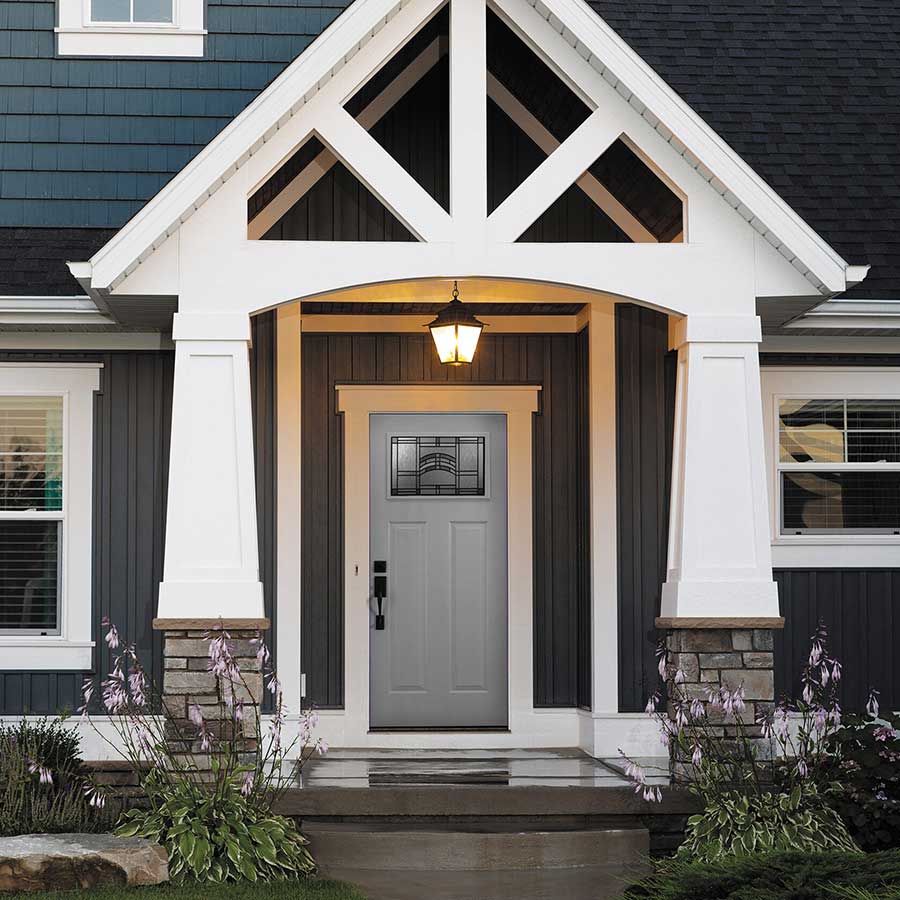
Cosmetic refreshes deliver the highest ROI with lowest investment. Garage door replacement costs $4,467, recovering 149-157.6%—the highest return in Detroit Metro markets. Steel entry doors run $2,323, recouping 124.8%. Manufactured stone veneer costs $10,655, returning 94.2%.
These projects avoid structural complications and finish quickly. Full gut renovations cost 3-5X more per square foot but offer complete system updates and layout freedom. Budget predictability decreases as project complexity increases.
Detroit Metro's housing stock, climate, and regulatory environment create unique budget variables. These local factors distinguish Southeast Michigan from national averages and require specific planning.
Outdated systems trigger code-mandated upgrades when remodeling permits are pulled. Knob-and-tube wiring requires complete replacement—adding $8,000-15,000 to budgets. Galvanized plumbing needs replacement when walls open, costing $4,000-12,000 depending on home size.
HVAC conversion to modern systems costs $19,060 in Detroit Metro markets, recovering only 56.7% at resale despite improving comfort and efficiency. Budget these upgrades proactively—discovering them mid-project causes delays and cost overruns.
Winter construction in Michigan reduces labor availability and increases heating costs for temperature-sensitive work. Contractors charge 10-15% premiums for winter interior work due to complications. Exterior projects stall completely from December through March.
Spring and summer create peak demand, reducing contractor availability and negotiating leverage. Fall offers optimal pricing and scheduling—moderate weather with declining demand. Time major projects for September-November to maximize budget efficiency.
Detroit permitting takes 2-4 weeks versus 5-10 days in suburban jurisdictions. Extended timelines increase carrying costs and contractor scheduling premiums. Multiple inspections at different construction phases add $150-300 per visit.
Michigan's 2015 Residential Code remains current, but local amendments vary by municipality. Some jurisdictions require additional engineering or inspections beyond state minimums. Research local requirements early—permit surprises derail budgets and schedules equally.
Systematic budget development prevents surprises and ensures project feasibility. These five steps establish accurate cost expectations using Detroit Metro-specific data and professional input.
List must-have features versus nice-to-have upgrades. Prioritize scope elements by importance and impact. Clear goals prevent scope creep and focus spending on highest-value improvements. Document everything—vague objectives lead to budget drift.
Separate functional needs from aesthetic preferences. Structural repairs and system upgrades take priority over finishes. Realistic goal-setting acknowledges budget constraints before emotional design decisions begin.
Source local cost data from the 2024 Cost vs. Value Report, NAHB statistics, and Michigan Remodelers Association benchmarks. The Bureau of Labor Statistics provides regional labor rate data. Combine multiple sources for accurate ranges.
Calculate project costs using Detroit Metro averages, not national figures. Add 15-20% for older homes, 10-12% for newer construction. This preliminary range guides scope refinement and financing decisions before detailed estimates.
Engage contractors for preliminary consultations before finalizing budgets. Experienced professionals identify scope gaps and cost surprises your research missed. Design input reveals whether your vision matches budget reality.
Request rough order-of-magnitude estimates for major components. Compare multiple contractor perspectives to validate assumptions. This step prevents designing projects you can't afford to build.
Trim scope when estimates exceed budget. Identify high-cost, low-impact elements for elimination. Substitute materials strategically—quality windows deliver value without premium trim packages. Consider phased construction to spread costs across multiple years.
Value engineering maintains function while reducing expense. Work with contractors to find creative alternatives. Protect must-have features by accepting compromise elsewhere.
Reserve 15-20% contingency separate from construction budget. Don't spend contingency on upgrades—protect it for genuine surprises. Older Detroit Metro homes warrant full 20% allocation.
Secure financing before construction starts. HELOCs and home equity loans at 6.49-7.81% interest provide flexible funding. Plan draw schedules matching construction milestones. Cash flow timing prevents costly project pauses.
Bid comparison requires understanding what's included, excluded, and allowance-based. Detroit Metro contractors use varying formats, making direct comparison challenging without detailed analysis.
Create comparison spreadsheets listing each scope item across all bids. Note allowances—dollar amounts allocated for owner-selected materials. Identify exclusions like permit fees, design costs, or site prep work.
Scope differences explain price variance more than contractor efficiency. One bid may include demolition disposal while another excludes it. Normalize bids by adding excluded costs to create true totals.
Bids 20%+ below competitors warrant scrutiny. Extremely low pricing often indicates scope gaps, quality compromises, or inexperienced estimating. Missing line items for complex work suggest incomplete understanding.
Vague language like "as needed" or "per plan" without quantities allows cost escalation. Absence of contingency or change order processes signals unsophisticated contractors. Trust comprehensive, detailed bids over artificially low numbers.
Line-item bids specify quantity, unit cost, and total for each scope element. This transparency allows informed decisions about scope modifications and material selections. Changes cost get calculated accurately rather than negotiated during construction.
Detailed breakdowns reveal where money concentrates. You might discover $8,000 for cabinet hardware you'd prefer to redirect toward better siding instead. Transparency enables strategic budget optimization.
Budget control requires active management throughout construction. Passive homeowners experience cost overruns through undisciplined change approvals and delayed decisions.
Make all material selections before construction starts. Late decisions delay work and increase costs through contractor downtime. Selection changes mid-project trigger change orders with markup.
Tile, fixtures, appliances, finishes—every choice locked early prevents budget surprises. Contractors can't price accurately without knowing what they're installing. Decision paralysis costs money.
Require written change orders for all scope modifications. Evaluate each against budget impact and project priorities. Decline non-essential changes—cosmetic upgrades consume contingency rapidly.
Negotiate change order pricing before approval. Compare unit costs against original bid rates. Request detailed breakdowns for labor and materials. Some changes offer cost savings through scope reduction—capture those credits.
Phase projects across multiple construction periods when budgets fall short. Complete structural work first, finishes later. This approach maintains progress without compromising quality through cheap alternatives.
Defer non-essential upgrades to future projects. Landscaping, deck railings, basement finishing—these can wait without affecting primary scope. Phasing requires planning for logical stopping points and minimal redundant work.
Budget failures follow predictable patterns. Understanding common mistakes helps avoid them. Detroit Metro's unique characteristics amplify certain errors more than other markets.
Homeowners budget construction costs but forget permits, engineering, and inspections. Soft costs consume 8-15% of Detroit Metro budgets—$8,000-15,000 on a $100,000 project. Code-triggered upgrades appear during permit review, adding unbudgeted expense.
Electrical panel upgrades, egress window requirements, and mechanical ventilation improvements hide in code compliance. Budget these proactively based on home age and current code gaps.
Rushed projects accept first available contractors regardless of price competitiveness. Compressed schedules force premium labor rates and eliminate negotiating leverage. Poor planning creates unnecessary urgency.
Realistic timelines allow proper contractor selection, competitive bidding, and thoughtful decision-making. Budget 3-6 months for planning before construction starts. This preparation prevents expensive shortcuts.
National averages don't reflect Detroit Metro labor markets, material logistics, or regional cost structures. Using generic estimates creates 15-25% budget shortfalls. Local contractors can't match artificially low expectations.
Southeast Michigan's housing age, climate considerations, and municipal requirements create cost variables absent from national data. Source Detroit Metro-specific information from local contractors, regional associations, and Michigan-focused cost reports.
Budget decisions should serve broader financial objectives. ROI considerations, neighborhood values, and future plans determine whether proposed spending makes sense.
Garage door replacement delivers 149-157.6% ROI—the highest return in Detroit Metro markets at $4,467 investment. Grand entrance fiberglass doors cost $11,566, recovering 72.8%. Fiber-cement siding runs $22,350, recouping 72.4%.
Vinyl window replacement costs $21,710, returning 65%. Wood windows run $25,435, recovering 61.4%. Vinyl siding costs $18,269, recouping 61.1%. Lower-ROI projects serve lifestyle needs rather than financial returns—budget accordingly based on your priorities.
Avoid over-improving beyond neighborhood norms. Remodeling budgets exceeding 10-15% of home value risk poor ROI. Comparative market analysis shows what similar homes sell for—your improved home won't substantially exceed these values.
Match improvement level to neighborhood standards. Premium finishes in modest neighborhoods waste money. Conversely, basic updates in luxury areas leave value on the table. Budget alignment with context maximizes both enjoyment and financial return.
Near-term sale plans favor high-ROI cosmetic updates over personal preferences. Rental properties need durable, low-maintenance finishes regardless of aesthetics. Long-term occupancy justifies higher budgets for features you'll enjoy for decades.
Timeline determines budget priorities. Five-year horizons balance ROI and personal preference. Twenty-year plans emphasize durability and functionality over resale appeal. Align spending with realistic occupancy expectations for optimal budget allocation.
Accurate remodeling budgets require local market knowledge, realistic contingencies, and systematic planning. Detroit Metro's unique cost variables demand Southeast Michigan-specific data and experienced contractor input. The five-step budget development process establishes realistic expectations and prevents costly surprises.
Alexandria Home Solutions brings decades of Detroit Metro remodeling experience to your project planning. Our detailed estimates account for regional cost factors, housing age considerations, and local permitting requirements. Contact us today for a comprehensive consultation that transforms budget uncertainty into confident project planning.