Key Takeaways
Michigan homeowners face a critical decision window in 2025. Material costs are climbing, aluminum up 22.8%, glass up 3.9%, while supply chain constraints create 4-6 week lead times, and 65% of remodelers report shortages. Yet Michigan's $211 million Home Energy Rebate program offers up to $20,000 per household, stacking with federal tax credits and utility rebates to offset inflation. With windows responsible for 30% of home energy loss in Michigan's harsh climate, strategic window replacement delivers immediate utility savings and long-term property value.
This comprehensive analysis examines regional pricing from Detroit Metro's $3,137-$10,538 range to Rockford's $28,104 premium projects, material performance comparisons between vinyl (20-40 years) and fiberglass (30-50+ years), and the professional installation requirements that unlock incentive eligibility. Understanding neighborhood trends, climate-specific features, and current market dynamics separates costly mistakes from strategic investments.
Michigan homeowners are shifting from budget replacements to strategic energy investments. With $211 million in state rebates and extreme climate demands, the window market has transformed into a performance-driven landscape where long-term value trumps upfront savings.
Energy efficiency dominates every purchasing decision. Michigan's temperature extremes, hot summers, and brutal winters push windows to account for 30% of home energy loss. Homeowners now prioritize triple-pane glass, Low-E coatings, and argon gas fills as standard features, not upgrades. The $211 million MiHER program has accelerated this shift, making whole-home energy efficiency upgrades financially accessible.
Material preferences reflect this performance focus, with current window style trends showing fiberglass windows with 30-50+ year lifespans gaining ground against vinyl's 20-40 year standard. Double-hung windows remain dominant in traditional neighborhoods, while casement windows capture market share in modern builds for their superior air-tight seals. Bay and bow windows command premium placement in living spaces, and sliding windows solve basement ventilation without exterior obstruction.
| Window Material | Price Range | Lifespan | Energy Efficiency | Maintenance |
| Vinyl | $100 - $900 | 20-40 years | Good with proper glazing | Low |
| Fiberglass | $500 - $1,500 | 30-50+ years | Excellent | Very low |
| Composite | Similar to fiberglass | 30-50+ years | Excellent | Very low |
| Aluminum | N/A | N/A | Poor (1,800x worse than wood) | Low |
Vinyl dominates Michigan installations for clear reasons: $100 starting price, zero painting requirements, and reliable 20-40 year performance. When paired with multi-pane glass and Low-E coatings, vinyl delivers solid energy efficiency at half the cost of premium alternatives. It fits both Victorian restorations and new construction. The double-hung vs casement debate often comes down to architectural style; double-hung suits traditional homes, while casement windows offer modern aesthetics with superior sealing.
Regional design preferences reveal economic stratification. Rockford averages $28,104 per project with luxury specifications. Detroit Metro spans $3,137 to $10,538, reflecting diverse housing stock and varying metro Detroit installations. Ann Arbor trends premium at $6,837 to $16,705+, driven by educated buyers demanding high-performance features. Park communities average $15,223 with value-focused selections.
Winter performance requirements drive specifications. Triple-pane glass, Low-E coatings, and argon fills are non-negotiable for reducing heat loss. Casement windows gain traction for superior sealing against infiltration. Fiberglass and composite frames with 30-50+ year lifespans outperform standard vinyl in temperature extremes. Energy Star certification has become a baseline expectation.
Summer demands shift focus to ventilation and heat rejection. Casement windows provide maximum airflow when fully opened. Low-E coatings work bidirectionally, reflecting interior heat inward during winter and exterior heat outward during summer. Double-hung windows with top and bottom operable sashes enable natural convection cooling.
Moisture-resistant vinyl and fiberglass prevent warping in Michigan's humid conditions. Impact-resistant options address severe storm exposure while reinforcing thermal performance, where windows cause 30% of energy loss.
Material durability and cost structure determine long-term value. Michigan's freeze-thaw cycles demand materials that withstand extreme temperature swings without degradation. Budget drives initial selection, but lifecycle costs reveal the true economics.
| Material | Michigan Weather Performance | Maintenance | Longevity | Weather Notes |
| Vinyl | Good temperature tolerance; corrosion-proof | Very low | 20-40 years | Handles freeze-thaw cycles |
| Fiberglass | Minimal expansion/contraction | Minimal | 30-50+ years | Excellent for extreme climate |
| Composite | Superior stability in fluctuations | Very low | 30-50+ years | Engineered durability |
| Wood | 1,800x better insulation than aluminum | High (paint/stain) | Varies | Deteriorates without maintenance |
Regional pricing reflects material choices and local economics. Vinyl ranges $100-$900 per window ($1,000-$9,000 for 10 windows), while fiberglass spans $500-$1,500 ($5,000-$15,000 total). Detroit Metro projects average $3,137-$10,538 for diverse housing stock. Ann Arbor trends $6,837-$16,705+ with frequent premium upgrades. Rockford commands $28,104 average, the state's highest, with luxury specifications. Park bottoms out at $15,223 with value-focused selections.
Aesthetic alignment matters beyond performance. Double-hung windows suit Victorian and Craftsman homes dominating older neighborhoods. Casement windows deliver clean lines for modern farmhouse and contemporary designs. Bay and bow windows create architectural focal points in primary living spaces. Picture windows maximize natural light in homes with scenic Michigan landscapes or high ceilings. Material selection reinforces style, vinyl works universally, while fiberglass and composite elevate high-end traditional or modern projects.
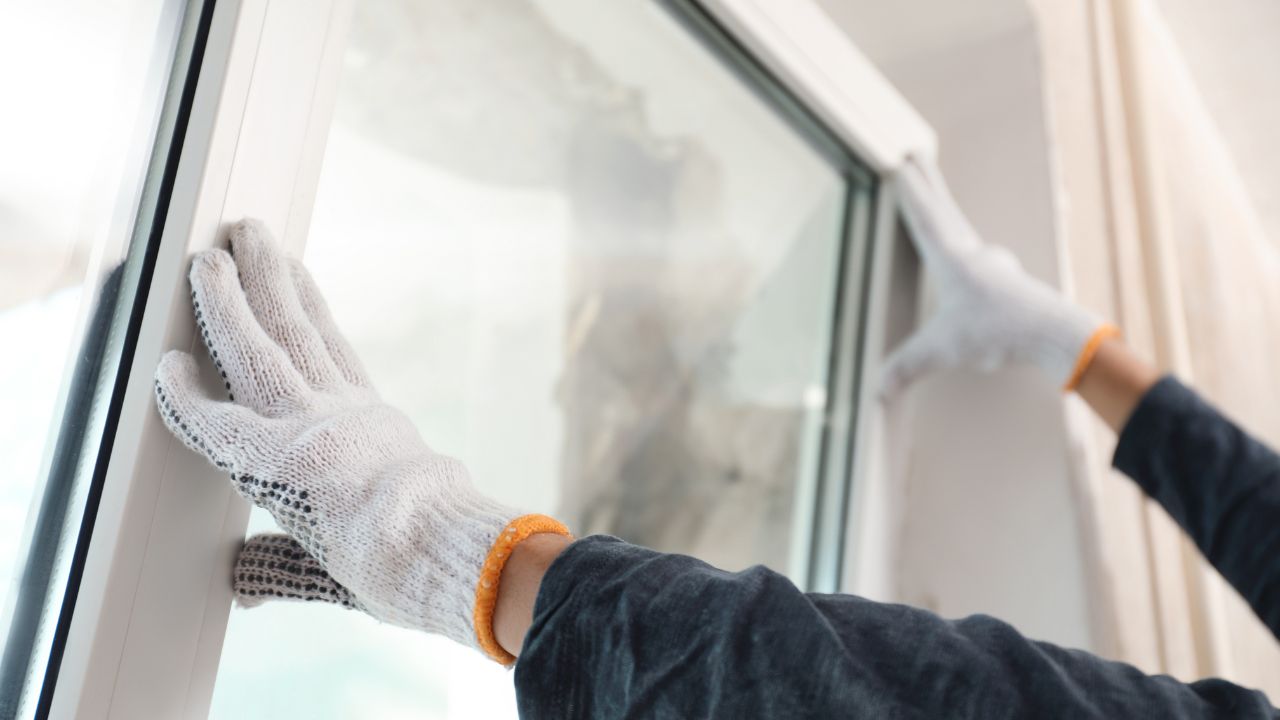
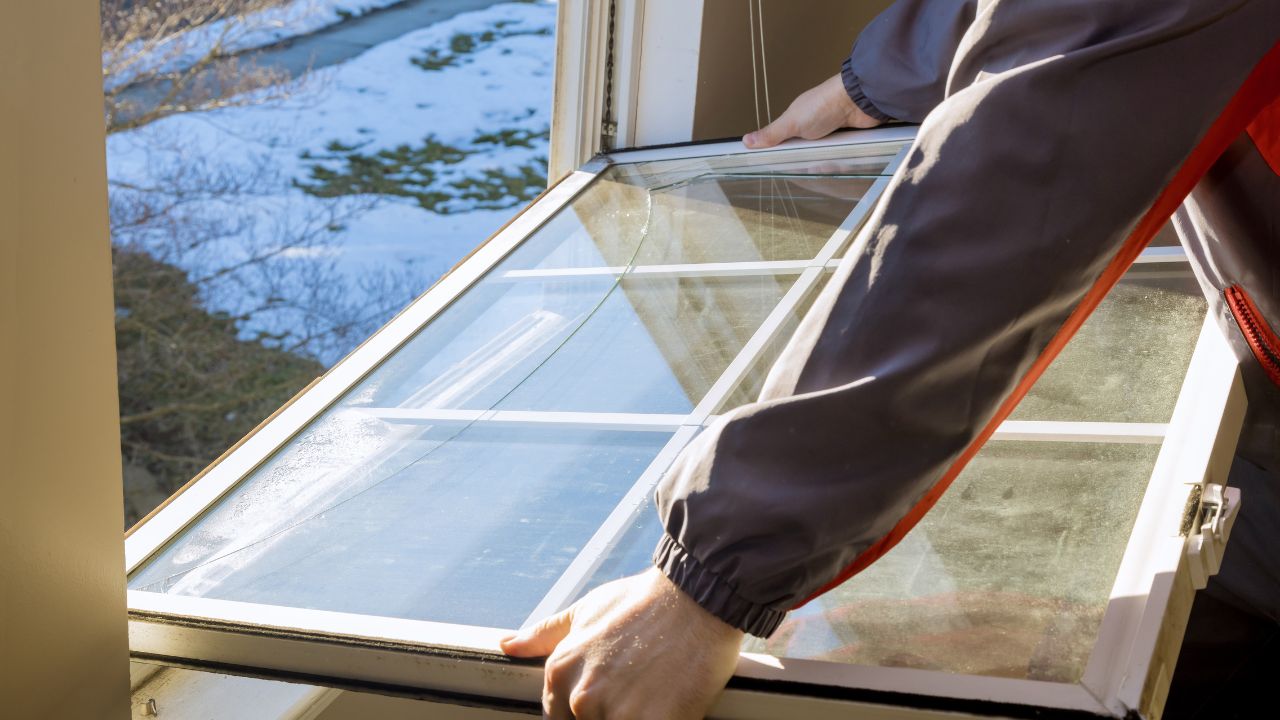
Professional installation unlocks financial incentives while preventing energy loss. Proper sealing eliminates the 30% energy loss from windows, maximizing Low-E coatings, gas fills, and multi-pane performance. More critically, professional installation qualifies homeowners for the MiHER program's $20,000 maximum rebate, federal tax credits up to $3,200 annually ($600 for windows), and Consumers Energy rebates ($15 per window, $40 per door).
DIY installation forfeits these benefits. Customer reviews consistently highlight the value of professional installation in maximizing both performance and incentive eligibility.
Installation errors compound in Michigan's climate. Improper sealing allows air infiltration, voiding the 30% energy loss prevention. Most manufacturer warranties require professional installation; DIY voids coverage. Incorrect flashing and sealing invite moisture intrusion, causing rot and mold in humid conditions.
With 65% of remodelers already facing window shortages and 4-6 week lead times, DIY mistakes trigger expensive corrections amplified by 5-10% freight cost increases. Structural damage from improper framing work multiplies repair costs beyond original professional installation fees.
Neighborhood characteristics dictate window specifications beyond individual preference. Detroit Metro's aging housing stock drives traditional double-hung demand to preserve architectural integrity across $3,137-$10,538 project range. Rockford's affluent rural setting supports $28,104 average projects with custom bay, bow, and casement installations. Ann Arbor's educated, high-income population pushes $6,837-$16,705+ spending on triple-pane, Low-E, and premium fiberglass systems.
| Region Type | Preferred Styles | Key Features | Cost Range | Material Mix |
| Urban (Detroit) | Double-hung, Sliding | Diverse performance range | $3,137 - $10,538 | Vinyl dominant |
| Mid-Urban (Grand Rapids) | Double-hung, Casement | Balanced efficiency | $6,837 - $10,000+ | Vinyl to mid-fiberglass |
| Upscale (Ann Arbor) | Casement, Bay/Bow | Triple-pane, Low-E | $6,837 - $16,705+ | Premium fiberglass |
| Affluent Rural (Rockford) | Bay/Bow, Custom | Architectural focus | $28,104 average | Fiberglass, composite |
| Rural (Park) | Double-hung, Sliding | Value-focused | $15,223 average | Budget vinyl |
Geographic factors layer additional requirements. Great Lakes proximity demands impact-resistant and moisture-resistant specifications. Urban density favors sliding windows for space constraints, while rural expanses accommodate bay and bow installations. Historic preservation zones enforce traditional double-hung continuity regardless of performance preferences. Housing age, income demographics, and density patterns create distinct regional markets within Michigan's broader window replacement landscape.
Current supply chain constraints dominate project timelines. With 65% of remodelers facing window shortages and 4-6 week lead times, Michigan homeowners must plan months ahead. Weather windows compound scheduling, winter installations risk delays, making late spring through early fall optimal.
Project complexity determines duration beyond supply factors. Standard double-hung or sliding window replacements complete faster than bay, bow, or custom installations. Full-home projects replacing 10+ windows require multiple installation days. Older homes with non-standard sizes or damaged framing extend timelines further. Premium fiberglass and custom orders face longer waits than stock vinyl due to manufacturing capacity. Transportation delays adding 5-10% to project costs signal ongoing logistics challenges affecting delivery schedules.
Early planning mitigates timeline risks. Order during optimal weather months with 4-6 week lead time buffer. Clear interior and exterior window access before installation day. Verify contractor qualifications, professional installation required for MiHER's $20,000 maximum rebate, federal tax credits up to $3,200 annually, and warranty coverage. Budget for freight and logistics premiums in the current market. Accept the flexibility given 65% shortage rate industry-wide. Material selection timing matters; fiberglass ($500-$1,500) and vinyl ($100-$900) have different availability windows.
Window replacement delivers immediate utility savings and long-term property value. Energy-efficient windows eliminate up to 30% of heat loss and gain, cutting monthly bills while qualifying for substantial incentives. MiHER's $20,000 maximum rebate, federal tax credits up to $3,200 annually ($600 for windows), and Consumers Energy rebates ($15 per window) transform replacement economics from expense to investment.
Material lifespan amplifies the value proposition. Fiberglass windows with 30-50+ year durability and quality vinyl with 20-40 year performance represent generational investments. Modern locking mechanisms and impact-resistant features enhance security. Updated windows improve curb appeal and market competitiveness as Michigan buyers increasingly prioritize energy efficiency. New installations signal maintenance awareness to potential purchasers.
Environmental benefits extend beyond personal savings. Reducing heating and cooling consumption by 30% significantly lowers household carbon emissions. Michigan's $211 million MiHER investment signals state-level commitment to sustainability goals. Multi-pane glass, Low-E coatings, and argon fills decrease energy infrastructure strain. Fiberglass and composite materials with 30-50+ year lifespans reduce landfill waste through fewer replacement cycles. Individual home upgrades contribute to collective grid efficiency across Michigan's energy network.
| Factor | Michigan | National | Key Difference |
| 2024 Market | Outperformance expected | -5% decline | $211M MiHER driving demand |
| 2025-2026 Outlook | Strong growth | +2% modest growth | State incentives fuel recovery |
| Material Preference | Vinyl dominant, rising fiberglass | Similar vinyl preference | Climate drives premium adoption |
| Energy Focus | 30% loss critical | General trend | Extreme temperatures necessitate |
| Incentives | MiHER + federal + utility | Federal only (most states) | Michigan competitive advantage |
| Cost Inflation | Aluminum +22.8%, Glass +3.9% | Same supply chain impacts | Universal increases |
Michigan's robust incentive structure creates market divergence from national patterns. While the national window market declined 5% in 2024, Michigan expects outperformance driven by the $211 million MiHER program offering up to $20,000 per household. Projected 2025-2026 growth in Michigan exceeds the national +2% forecast as state rebates, federal tax credits, and utility incentives stack to offset material cost inflation.
Climate necessity intensifies energy efficiency focus beyond national averages. Michigan's 30% heat loss through windows makes upgrades essential rather than optional compared to milder regions. This drives accelerated adoption of fiberglass (30-50+ years) over basic vinyl (20-40 years), though both markets face identical supply pressures, 65% of remodelers experiencing shortages, 4-6 week lead times, and manufacturer price hikes of 12-25%.
Michigan homeowners leverage unique state advantages while navigating universal challenges: Aluminum Mill Shapes up 22.8% year-over-year, Flat Glass up 3.9%, Metal Windows up 6.9%. The state's Glass & Glazing Contractors sector maintains a stable 0.5% annual growth (2020-2025), contributing to the $229.86 billion global windows and doors market by 2025.
Michigan's window replacement market presents a unique convergence of substantial financial incentives colliding with material cost inflation and supply constraints. Strategic homeowners recognize this moment: $20,000 MiHER rebates, $3,200 federal tax credits, and $15 per window utility rebates offset aluminum's 22.8% price surge and glass's 3.9% increase. Energy efficiency isn't aspirational; it's an economic necessity when windows cause 30% of energy loss in Michigan's extreme climate.
The data confirms a market transformation. Premium materials are gaining traction. Professional installation unlocking incentive eligibility. Regional pricing reflecting local economics, from Park's $15,223 average to Rockford's $28,104 premium projects. Fiberglass's 30-50+ year lifespan challenges vinyl's 20-40 year dominance. Triple-pane glass and Low-E coatings are shifting from luxury to standard specification.
Success requires navigating current realities: 65% of remodelers face shortages, 4-6 week lead times demand advance planning, and freight adds 5-10% to final costs. But Michigan's $211 million MiHER program creates advantages unavailable in most states. While national markets declined 5% in 2024, Michigan projects strong growth through 2026. Strategic window replacement delivers immediate utility savings, long-term property value, and environmental impact, all amplified by unprecedented incentive availability.
Ready to maximize your window replacement investment? Contact Alexandria Home Solutions to navigate Michigan's incentive programs and secure professional installation.