Key Takeaways:
A clear remodeling vision is the foundation of every successful home improvement project. Without it, homeowners risk budget overruns, timeline delays, and results that don't meet expectations. This guide walks you through five essential steps to define your vision before starting any remodeling work. You'll learn how to prioritize goals, analyze your current home, gather inspiration, set realistic budgets, and communicate effectively with contractors.
Defining your remodeling vision means translating vague desires into concrete, actionable plans. It's the process of identifying what you want to achieve, why it matters, and how it fits within your budget and lifestyle. A well-defined vision guides every decision from material selection to contractor choice.
A clear vision forces you to rank what matters most. Vision boards—physical or digital tools using platforms like Canva or Houzz—help translate abstract ideas into concrete aesthetic direction. These boards should include material samples, color swatches, and lighting concepts, not just pretty room photos.
Functional priorities must be ranked systematically. Consider multi-functional spaces, smart home integration, and specialized areas like home offices or wellness rooms. This ranking process prevents scope creep and keeps projects focused on what delivers real value to your daily life.
Detailed specifications eliminate miscommunication. For luxury projects, specifications often run 30 to 40 pages, listing every material, fixture, and construction step. This level of detail forms the basis for fixed-price contracts and clear performance milestones.
The design-build approach is highly recommended because it places both design and construction under one entity. This structure ensures seamless communication and accountability from initial vision through final walk-through. When everyone works from the same detailed plan, projects stay on track.
Detailed planning provides guaranteed, fixed-price contracts. This approach avoids costly mid-project changes that blow budgets and extend timelines. When scope is clear from the start, contractors can price accurately and homeowners can plan financially.
Phasing strategy matters for large projects. Breaking work into distinct phases with clear starting and stopping points allows better budget control and minimizes disruption. Each phase has its own scope and budget, making the overall project more manageable.
Before planning improvements, assess what you have. This analysis identifies functional limitations, aesthetic issues, and energy inefficiencies. Understanding current problems guides better solutions.
Conduct a space-use audit—a systematic evaluation of how your home performs. Focus on flow and layout, technology integration, and structural issues. Identify inefficient layouts that prevent desired open-concept living, a dominant 2025 trend.
Look for bottlenecks in daily routines. Do hallways feel cramped? Does the kitchen lack workspace? Are rooms underused because they don't serve current needs? These observations reveal functional limitations that remodeling can fix.
Current 2025 luxury remodeling trends favor bold colors like jewel tones, contrasting textures such as rough stone against polished metal, and custom architectural details including curved walls and unique ceiling treatments. Assess whether your home's exterior reflects these modern preferences or feels dated.
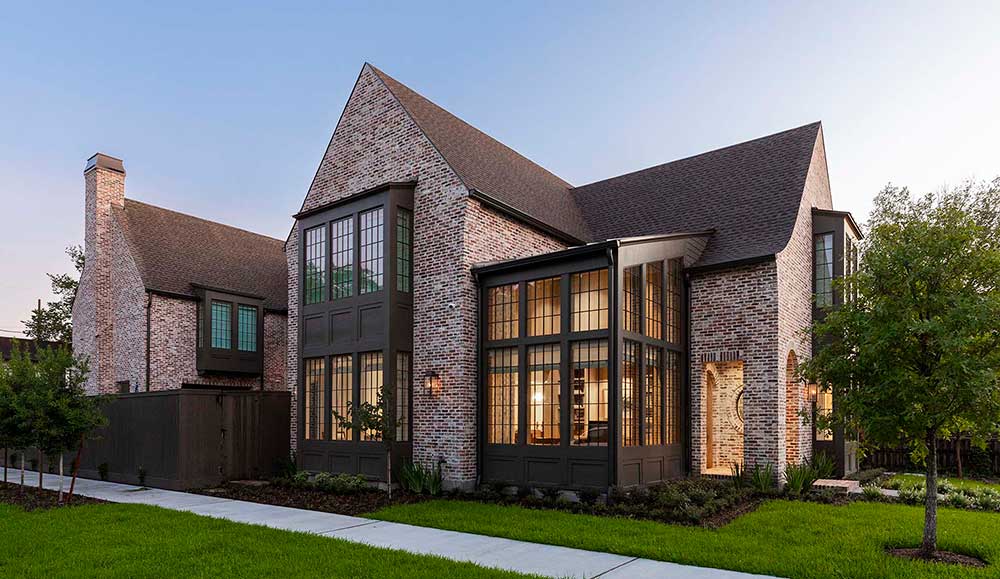
Curb appeal drives first impressions and resale value. Examine your home's street presence. Does the entry feel welcoming? Do materials look tired? Is the color scheme cohesive? These aesthetic issues often have straightforward solutions with high impact.
Conduct a wellness audit evaluating air quality, natural light, and noise levels. This ensures your design supports the "wellness home" concept increasingly valued by buyers. Check for drafts around windows, doors, and exterior walls.
Energy efficiency delivers measurable returns. Attic insulation delivers 117% ROI in Michigan—the highest ROI project overall. This indicates strong market value for energy efficiency improvements. Walk your home and note every comfort issue: cold spots, high utility bills, poor ventilation.
Priorities guide resource allocation. Rank improvements by their impact on safety, durability, comfort, and energy savings. This ranking prevents wasting money on low-value upgrades.
Superior material standards reduce long-term maintenance costs by 40 to 60 percent. They also enhance resale value by 12 to 18 percent. These numbers make durability a financial decision, not just a quality-of-life issue.
Safety comes first—address structural concerns, outdated electrical systems, and failing roofs before cosmetic work. Comfort improvements like better HVAC and insulation follow. Energy savings often overlap with comfort upgrades, delivering dual benefits.
Eight of the top ten ROI projects are exterior replacements. The top three nationally are garage door replacement (over 200% ROI, number one for the second year), steel entry door replacement (over 200% ROI), and manufactured stone veneer (over 200% ROI).
Fiber-cement siding replacement ranks at position four, vinyl siding at position six. Exterior renovations consistently deliver higher ROI than discretionary interior remodels. They're less skill-intensive than complex interior work, which keeps labor costs lower and returns higher.
Pain points reveal urgent needs. Old roofing risks leaks and water damage. Inefficient windows drain wallets through high utility bills. Outdated decking limits outdoor living and may pose safety hazards.
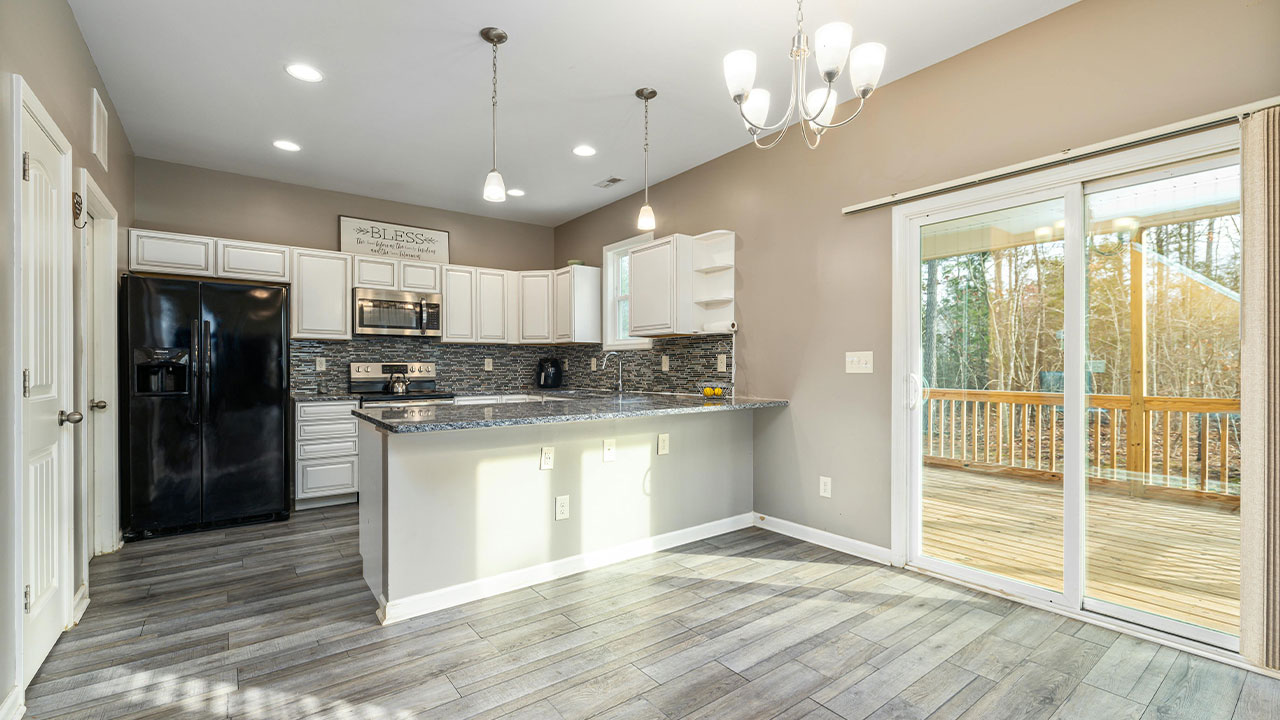
Minor kitchen remodels sit at position five in ROI rankings—a modest face-lift updating the most important room until homeowners can afford more extensive work. Backup power generator installation ranks at position seven, with ROI varying from 69 percent to 139 percent based on regional weather vulnerabilities.
Inspiration is everywhere, but focus matters. Collect ideas systematically, then filter them into actionable themes. This prevents overwhelming yourself with options while ensuring your final direction is cohesive.
Vision boards should include specific material samples and color swatches, not just finished room photos. This ensures all stakeholders align on high-end finishes. Browse manufacturer websites, showrooms, and neighborhood homes for real-world examples.
Social media platforms like Pinterest and Instagram offer endless ideas, but verify feasibility with professionals. Not every beautiful photo translates to practical, budget-friendly reality. Focus on examples similar in scale and budget to your project.
Identify core design styles early—contemporary, transitional, historic preservation—and establish material palettes. Define the emotional and visual impact you want. Examples include "spa-like sanctuary" for a primary bath or "seamless indoor-outdoor entertaining space" for a kitchen and patio.
Group inspiration by category: colors, materials, lighting, layouts. Look for patterns. If you've saved ten images and eight feature white oak flooring, that's a clear direction. Eliminate outliers that don't fit your emerging theme.
While 2025 trends emphasize open-concept living and integrated smart home systems, specific selections may not appeal to a wide range of prospective buyers. Focus on universal appeal for better long-term value.
Choose classic materials in contemporary colors. Avoid overly trendy elements that date quickly. Prioritize quality and durability over fleeting styles. Low-maintenance exterior solutions deliver lasting value without constant upkeep.
Practical requirements ground your vision in reality. They define what materials work, what spaces need, and how long improvements should last. This step prevents expensive mistakes.
Material standards define luxury home construction quality and long-term performance. Advanced smart home integration—lighting, climate, security—should function seamlessly with architectural elements.
Choose materials based on performance, not just appearance. The impact of new siding goes beyond curb appeal—it affects energy efficiency, maintenance requirements, and weather resistance. Research warranties, maintenance needs, and expected lifespan for every major material.
Accurate as-built drawings of your existing home are crucial, especially for phased remodeling. They ensure future work integrates seamlessly. A master construction plan should detail how spaces relate to each other and the structural implications of proposed changes.
Check local codes, lot setbacks, and HOA restrictions before finalizing designs. These constraints limit options and may require plan adjustments. Knowing them early prevents costly redesigns later.
Superior materials reduce maintenance costs by 40 to 60 percent over the long term. Energy efficiency improvements are key value drivers in the current market. Lower utility bills and less frequent repairs mean more money in your pocket.
Evaluate lifecycle costs, not just upfront prices. A premium window costing 30 percent more but lasting twice as long and cutting energy bills by 25 percent pays for itself. Make decisions based on total cost of ownership.
Budgets require honesty and research. Understand what things cost, how financing works, and where unexpected expenses hide. Timelines depend on project scope, weather, and material availability.
Standard cost data includes 10 percent markup on materials and 10 percent on labor, though many contractors with skilled, well-compensated workforces charge higher markups. Homes featuring luxury, high-end finishes sell for up to 30 percent more than those without.
Break costs into categories: labor, materials, permits, design fees, and contingency. Get multiple estimates for major work. Research average costs in your area. Factor in hidden expenses like temporary housing during major renovations or storage for furniture.
Record levels of home equity are supporting renovation projects in 2025. Homeowners increasingly choose to invest in improvements rather than relocate due to housing affordability challenges.
Explore home equity loans, HELOCs, refinancing, and renovation-specific loan products. Compare interest rates and terms. Calculate monthly payments before committing. Good financing lets you tackle projects comprehensively rather than piecemeal, often resulting in better outcomes and lower total costs.
Recommended contingency budget: 10 to 20 percent for unexpected issues. Standard contingency protocols should address structural issues, code violations, or other problems discovered during construction.
Older homes often hide surprises—outdated wiring, plumbing issues, hidden water damage. Once walls open, problems reveal themselves. Having contingency funds ready prevents project delays and allows proper fixes rather than temporary patches.
Clear communication prevents misunderstandings and ensures contractors deliver what you want. Documentation, visual aids, and open dialogue create alignment between your vision and their execution.
Detailed specifications form the basis for fixed-price contracts and clear performance milestones. Scope clarity, formally documented, prevents miscommunication and scope creep during execution.
Your project brief should include goals, must-haves, nice-to-haves, budget range, timeline expectations, and specific material preferences. List rooms affected, work required, and any constraints. The more detail you provide upfront, the more accurate estimates will be.
Vision boards—physical or digital—ensure communication of aesthetic direction among all stakeholders. Include specific material samples and color swatches, not just finished room photos.
Photos of homes you like, sketches of layouts, and product cut sheets eliminate ambiguity. When contractors see exactly what you want, they price accurately and deliver precisely. Visual aids also help you spot when contractor suggestions deviate from your vision.
Design-build partnerships provide single-entity accountability from vision through final walk-through. Contractor expertise can identify local building codes, neighborhood ordinances, and energy codes that may restrict design options.
Good contractors suggest improvements, point out potential problems, and offer alternatives when your ideas aren't feasible. Listen to their input—they've seen what works and what doesn't. Their suggestions often improve functionality, reduce costs, or accelerate timelines without sacrificing your core vision.
These five steps provide a framework for strategic planning. Each step builds on the previous one, creating a comprehensive vision that guides your entire project.
Rank functional priorities: multi-functional spaces, advanced smart home integration, and specialized areas like wine cellars or media lounges. Conduct a space-use audit focusing on flow, layout, technology capabilities, and wellness factors.
List everything that frustrates you about your current home. Which problems impact daily life most? Which rooms don't serve your needs? Prioritize fixes that deliver the biggest quality-of-life improvements.
Create a vision board with material samples, color swatches, and lighting concepts. Establish aesthetic direction with core design styles and material palettes.
Collect inspiration for 30 days, then step back and analyze patterns. What colors appear repeatedly? What materials keep showing up? This analysis reveals your true preferences and creates a cohesive design direction.
Select materials that reduce maintenance costs by 40 to 60 percent and enhance resale by 12 to 18 percent. Assess wellness home requirements: air quality, natural light, and noise levels.
Specify performance standards for major components. What R-value for insulation? What U-factor for windows? What warranty length? These specifications ensure contractors understand your quality expectations.
Develop a fixed-price contract through detailed planning with 10 to 20 percent contingency. Create a phasing strategy for large, whole-house remodels with distinct phases, scopes, and budgets.
Research realistic costs and timelines for your market. Account for lead times on materials, permitting delays, and seasonal weather impacts. Build buffers into both budget and schedule to handle inevitable surprises.
Prepare 30 to 40-page specifications for luxury projects. Partner with a design-build firm for seamless accountability.
Schedule consultations with multiple contractors. Present your vision document, answer questions, and evaluate how well they understand your goals. Choose partners who listen carefully and offer thoughtful suggestions. When you're ready to move forward, contact qualified professionals who align with your vision.
Exterior elements define your home's appearance, performance, and value. Each component serves multiple functions—aesthetic, structural, and energy-related. Understanding their roles helps prioritize improvements.
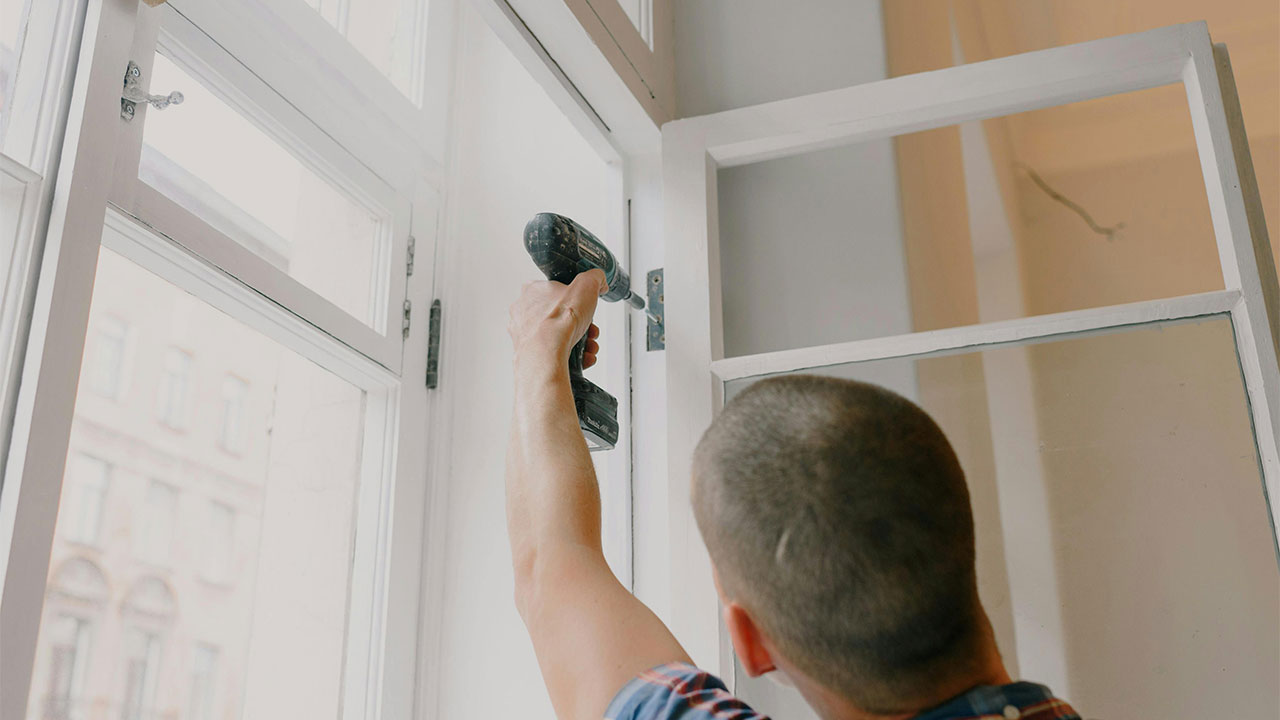
Windows and doors rank as the number two most difficult materials to obtain in 2025, requiring early ordering and lead time planning—8 to 20 weeks for luxury items. They're part of the high-ROI exterior replacement category.
Energy-efficient windows reduce heating and cooling costs, eliminate drafts, and improve comfort. Modern glazing technologies block UV rays while maximizing natural light. Quality windows also reduce noise and require minimal maintenance.
Steel entry door replacement with insulated units ranks as the number two ROI project nationally with over 200 percent return. It significantly influences curb appeal and first impressions.
New doors improve security with modern locking systems, enhance energy efficiency with better seals, and transform your home's appearance. They're one of the most cost-effective upgrades for both function and aesthetics.
Fiber-cement siding replacement ranks position four in national ROI, while vinyl siding replacement ranks position six. Exterior replacements are less skill-intensive than complex interior remodels, contributing to higher ROI.
Quality roofing and siding protect against weather, prevent water infiltration, and improve insulation. They're your home's first defense against the elements. Upgrading these systems prevents expensive interior damage and reduces maintenance costs for decades.
Backyard patio projects are new additions to the 2025 Cost vs. Value report. Outdoor living spaces align with current lifestyle and entertaining trends.
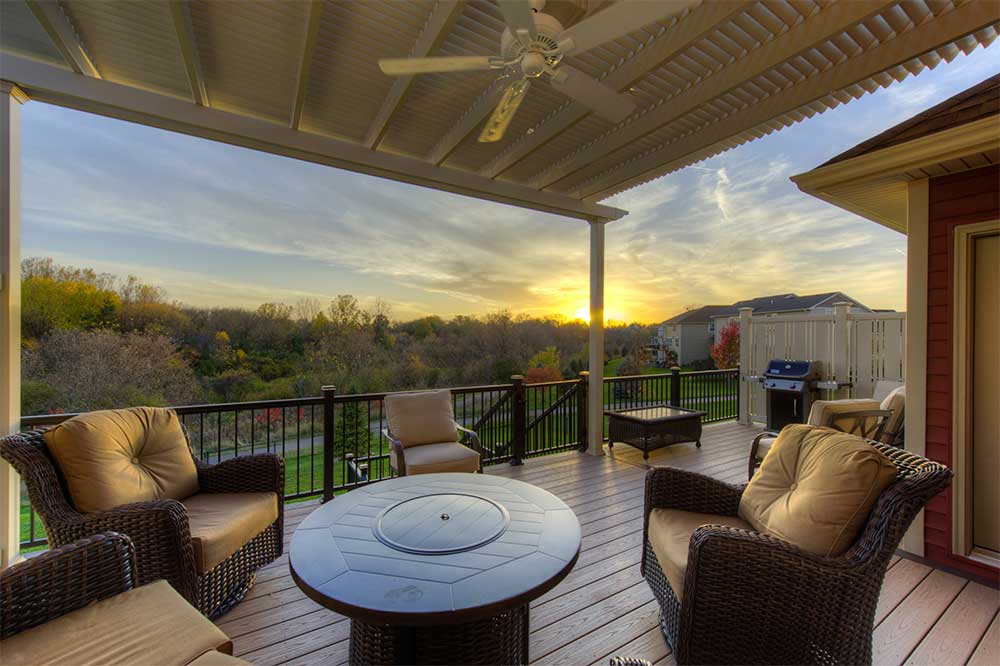
Well-designed decking creates functional outdoor rooms for relaxation and entertaining. It extends your living space seasonally, increases home value, and enhances quality of life. Consider materials carefully—composite decking requires less maintenance than wood but costs more upfront.
Avoiding common mistakes saves time, money, and frustration. Learn from others' errors to make smarter decisions in your own project.
Lack of scope clarity leads to miscommunication and scope creep during execution. Master plan development prevents costly mid-project changes.
Projects without clear goals drift. Homeowners make reactive decisions rather than strategic ones. Contractors struggle to deliver satisfaction when expectations aren't defined. Time and money waste on changes and rework that proper planning would have prevented.
Failing to invest in superior materials results in 40 to 60 percent higher maintenance costs. Missing the opportunity for 12 to 18 percent resale value enhancement hurts financially.
Cheap materials save money initially but cost more over time through repairs, replacements, and lost value. Quality materials pay for themselves through longevity, lower maintenance, and higher resale prices. Think lifecycle costs, not just purchase prices.
Solar panel installation shows among the lowest ROI—24.6 to 40.7 percent regionally—despite initial appeal. Specific selections appealing to one homeowner may not attract a wide range of prospective buyers.
Trendy choices date quickly and may not appeal to future buyers. More complex, expensive projects with less universal appeal yield lower ROI ratios. Balance personal preferences with timeless design elements that maintain broad appeal and lasting value.
The 2025 remodeling market forecast shows 5 percent growth in residential remodeling activity. Remodeling companies have nearly doubled from fewer than 69,000 in 2000 to over 128,000 in 2024. This growth reflects strong demand but also means competition for quality contractors.
Ninety-eight percent of consumers are now familiar with the aging-in-place concept, up from 75 percent in 2004. The current market favors homeowners investing in improvements over relocating due to economic uncertainty and affordability challenges. Few homes moving in today's market tend to be in solid condition with well-appointed exteriors, moving at high prices.
Start your remodeling journey with these five essential steps. Identify priorities, gather inspiration, define requirements, establish budgets, and communicate clearly. This structured approach ensures your vision translates into reality. Take time in planning—it's the foundation for successful execution. When you're ready to begin, work with experienced professionals who understand both your goals and the market realities that make projects succeed.
Alexandria Home Solutions brings your home improvement vision to life with expert craftsmanship, transparent pricing, and proven results. Our team specializes in windows, doors, siding, roofing, and decking projects that enhance both beauty and performance. We handle every detail from initial consultation through final installation, ensuring your project stays on budget and on schedule.
Contact Alexandria Home Solutions today for a free consultation. Let's discuss your goals, answer your questions, and create a detailed plan that transforms your home while maximizing your investment. Your dream home starts with a clear vision and the right partner to make it happen.