Key Takeaways
Michigan homeowners face a unique winter challenge that goes beyond shoveling snow and scraping ice: frozen window mechanisms. When the polar vortex sends arctic air plummeting into the Great Lakes region, temperatures can drop so low that window locks seize, tracks freeze solid, and glass develops dangerous stress cracks. These failures create immediate safety hazards, from fire egress concerns to compromised home security, and can cost thousands in emergency repairs if not handled correctly. Understanding what causes windows to freeze, how to safely thaw them without causing damage, and when to call professionals can mean the difference between a minor inconvenience and a major home disaster.
This comprehensive guide provides Metro Detroit residents with proven emergency fixes, preventive strategies, and expert insights to protect their homes during Michigan's most brutal winter conditions.
Extreme cold and moisture combine to freeze window components solid. Understanding the cause helps prevent damage and prepare for emergency repairs.
When the polar vortex weakens, frigid Arctic air pushes southward into Michigan, causing temperatures to plummet. Window failure risk rises dramatically as temperatures drop, with the highest risk occurring during December, January, and February.
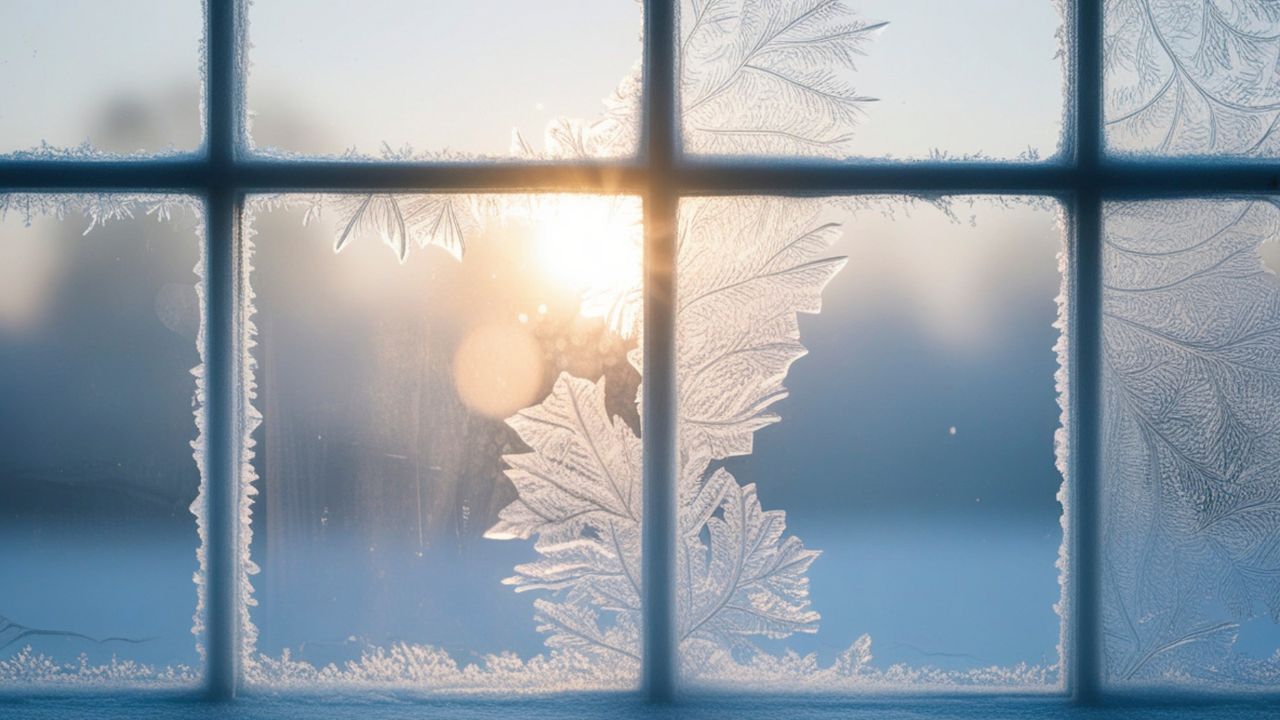
Moisture from condensation or precipitation seeps into moving parts and freezes solid. High indoor humidity combined with very cold outdoor temperatures causes condensation to form on interior windows, which then freezes into a damaging ice layer.
Window locks, tracks, and seals are primary freeze points. Lock and latch damage from extreme cold makes it hard or impossible to close windows. Moisture in window tracks causes freezing that immobilizes mechanisms, creating what's known as frozen window hardware that requires immediate attention.
Different window types face unique freeze risks based on their design and materials. Both automotive and residential windows require different approaches to cold-weather protection.
Moisture in window tracks causes freezing that affects automatic window mechanisms. Frameless windows that drop slightly when doors open are especially vulnerable, as frozen tracks prevent this critical movement.
Constant freeze-thaw cycles cause stress cracks in glass and frames, especially common in older single-pane windows. Ice buildup damages the window frame, sill, and surrounding wall, creating both structural and moisture problems. For comprehensive guidance on maintaining these window types, proper winterization makes all the difference.
Annealed glass is standard sheet glass that breaks into large, sharp shards. Tempered glass is 4-5 times stronger than annealed glass and shatters into small, pebble-like pieces. Laminated glass has a vinyl layer between two panes. When it breaks, glass fragments stick to the vinyl layer. Insulated glass units (IGUs) are double or triple-pane windows with argon or krypton gas sealed between panes. Temperature fluctuations can cause seal failure, allowing insulating gas to escape and moisture to enter between panes.
Frozen windows create urgent safety hazards beyond simple inconvenience. Recognizing these risks helps prioritize emergency response.
Forcing a frozen window damages the lock, track, or frame. This creates expensive repairs and compromises the window's ability to seal properly, reducing both security and weather protection.
Making it impossible to open or close windows creates egress concerns. Bedroom windows serve as secondary emergency exits; frozen mechanisms can trap occupants during fire emergencies.
Frozen windows that won't close properly let in drafts. These gaps allow cold air infiltration, increasing heating costs and creating uncomfortable conditions. Open windows also compromise home security.
Car windows freeze when moisture infiltratesthe tracks and mechanisms. Quick action prevents damage while restoring function safely.
Start the engine and let it idle to warm the interior. Check for visible ice around window edges and door seals. Avoid pressing the window button repeatedly; this strains the motor and can damage the regulator mechanism.
Remove moisture from window tracks using a hair dryer on a low setting. Thoroughly warm rubber tracks by directing heat along the window channel. Run the vehicle's heater on high and direct defrost vents toward frozen windows to gradually raise the glass temperature.
Wait 10-15 minutes with the defroster running before attempting operation. If the window remains stuck, apply gentle heat to the exterior seals with a hair dryer. Test the window with brief button presses; if it doesn't move immediately, wait longer rather than forcing it.
For frozen locks, use a de-icing spray designed for car locks. Apply a small amount of rubbing alcohol or hand sanitizer to the frozen mechanism as an alternative. These solutions lower the freezing point and dissolve ice quickly, essential techniques for effective de-icing and lubrication.
Keep the window fully closed if possible to maintain cabin warmth. Cover exterior seals with plastic sheeting and tape if the window is stuck partially open. Apply silicone spray to tracks once thawed to prevent refreezing. Schedule repair quickly, continued forcing damage to expensive components.
Home windows require gentler approaches than automotive glass. Proper technique prevents costly frame and glass damage while restoring operation.
Dealing with icebound sashes and cranks requires patience and proper technique. Professional double-hung window repair can address persistent problems.
| Step | Method | Precaution |
| 1. Apply Heat | Use hairdryer on low to medium setting to gently warm frozen parts | Keep hairdryer moving to avoid concentrating heat in one spot, can cause glass to crack |
| 2. Wet Heat Method | Use towel soaked in hot water pressed against frozen areas | Be prepared to clean up melted ice and water immediately |
| 3. Test Movement | Gently attempt to lift sash after 3-5 minutes of warming | Stop if resistance continues, more warming needed |
| 4. Address Interior Ice | Scrape interior ice buildup with plastic card or spatula | Never use metal tools that can scratch glass or frames |
Heavy snow loads stress the structure and must be cleared first:
Follow these steps to restore crank function. For ongoing issues, consult our guide on troubleshooting casement windows:
Use a hairdryer on low to medium setting, keeping it constantly moving to distribute heat evenly. Concentrating heat in one spot causes thermal stress that cracks glass. Hold the dryer 6-8 inches from the surface and work in sweeping motions across frozen areas. For stubborn ice, use a towel soaked in hot water pressed against frozen sections; this provides gentler, more even heating.
Apply de-icing spray, rubbing alcohol, or hand sanitizer directly to frozen lock mechanisms and hinges. DO NOT use force to open or close frozen windows; this is a common cause of broken locks, handles, and shattered glass. Patience prevents expensive damage.
Wrong techniques cause immediate damage that exceeds the original freezing problems. Knowing what not to do protects your investment.
Concentrating heat in one spot causes glass to crack from thermal shock. The temperature differential between hot water and frozen glass creates stress fractures. Exterior ice often refreezes immediately in extreme cold, making the problem worse. Water also seeps into frame joints and freezes, expanding the damage.
Never try to force a frozen window open or closed; this is a common cause of broken locks, handles, and shattered glass. Metal scrapers gouge vinyl and wood frames, creating permanent damage. Prying with screwdrivers breaks sash corners and cracks glass edges. These gouges collect moisture and accelerate rot in wood frames.
Saltwater solutions corrode metal hardware and degrade weatherstripping. Vinegar mixtures damage protective coatings on modern windows. Homemade glycol solutions leave sticky residues that attract dirt and impair operation. Commercial automotive de-icers contain solvents that dissolve window putty and gaskets. Stick to rubbing alcohol or proper lock de-icer for mechanisms; these evaporate cleanly without residue.
Some frozen window problems signal underlying damage that DIY fixes can't resolve. Recognizing these situations saves money and prevents further harm.
Seal failure in insulated glass units (IGUs) results in condensation or a foggy appearance between panes. This indicates the hermetic seal has broken; no amount of exterior cleaning fixes internal moisture. Persistent difficulty opening or closing windows after thawing suggests bent tracks, damaged operators, or warped frames. Visible cracks in glass or frames require immediate professional assessment.
Car windows that make grinding noises or move unevenly after thawing have damaged regulators. Windows that fall into the door panel indicate broken regulator cables or clips. Home windows that won't stay open or require excessive force signal a balance system failure in double-hung units or worn operators in casement windows. These mechanical failures need replacement parts and expertise.
Emergency Glass & Door Repair handles all insurance claims for Metro Detroit residents. The average window repair cost in Detroit is $656, with a typical range between $242 and $1,263 based on 2025 data. Full window replacement can approach or exceed $2,000. Check homeowner's insurance for coverage; sudden freeze damage often qualifies. Vehicle comprehensive insurance typically covers frozen window damage with a deductible applied.
Prevention costs less than emergency repairs and protects windows from damage. Proper preventive winter care creates barriers against moisture and extreme cold.
Seal gaps around windows by replacing worn weatherstripping before winter arrives. Check weatherstripping for cracks, compression set, and gaps that allow moisture infiltration. Apply silicone-based seal conditioner to rubber components monthly during winter, which maintains flexibility in extreme cold. Clean door jambs and window channels thoroughly to remove debris that prevents proper sealing.
Thoroughly inspect the interior and exterior of windows for visible gaps or cracks in the frame or sealant. This weatherstripping triage identifies problem areas before extreme cold arrives. Apply high-quality, exterior-grade caulk to seal openings where the window frame meets siding.
Use weatherstripping to seal gaps around the window sash on the inside; this blocks cold air and prevents condensation. Ensure all locks engage properly to create a tight seal, locked windows compress weatherstripping, and reduce air infiltration.
Before the first freeze, clean and lubricate all moving parts of windows, including tracks, hinges, and locking mechanisms. Silicone-based spray lubricant is highly recommended; it doesn't attract dirt and remains effective in very low temperatures. Expert tip: Avoid oil-based lubricants like WD-40 on window tracks, as they attract dust and grime, eventually making the problem worse. Dry-film or silicone lubricant is the preferred choice for window and door tracks.
High indoor humidity is a primary cause of condensation and ice buildup on windows. Use exhaust fans in kitchens and bathrooms during cooking and showering to remove moisture at the source. Consider using a dehumidifier to keep the home's relative humidity between 30% and 40% during the winter months. This range prevents condensation while maintaining comfortable conditions.
Shattered windows during extreme cold create immediate security and temperature control emergencies. Swift action limits damage and restores protection.
Clear all glass fragments from the vehicle interior immediately. Wear gloves to prevent cuts. Cover the opening with heavy plastic sheeting and duct tape as temporary protection. Park in a garage if available to prevent interior exposure to elements. Contact your insurance company before arranging repair; comprehensive coverage typically applies. Schedule professional replacement within 24 hours; driving with compromised windows is unsafe and may be illegal.
VersaPro offers guaranteed 60-minute or less response time in the Metro Detroit area for emergency board-up services. Emergency service providers available 24/7 include Glass Doctor (Dearborn & Warren) for board-up, glass cleanup, on-the-spot replacement, and custom glass ordering; Window Rescue serving Metro Detroit, Flint, Ann Arbor, and Lansing for broken glass repair, board-up services, and storm damage repair; Emergency Glass & Door covering Metro Detroit, Oakland, Wayne, and Macomb counties for commercial and residential glass repair; and Concraft serving SE Michigan, Detroit, Pontiac, and Ann Arbor for board-up, window restoration, and full replacement.
Plywood board-up services are typical for emergency securing of broken windows. For temporary fixes that allow light through, heavy-duty plastic sheeting or specialized temporary window films can be used until a permanent repair. Document damage with photos for insurance claims before cleanup begins.
Power outages compound frozen window problems by eliminating electric heating tools. Alternative methods maintain safety and prevent further damage.
Use chemical heat packs applied to exterior glass; avoid direct contact with frozen surfaces. Pour room-temperature isopropyl alcohol into a spray bottle and apply it to ice; it lowers the freezing point without thermal shock. Cover windows with blankets or cardboard from inside to trap residual heat. Start the engine periodically if safe to do so for brief warming periods.
Focus on sealing rather than thawing when power is unavailable. For temporary sealing of drafts, use painter's tape or removable caulk strip around frozen window edges. For larger gaps where windows won't close, use a draft snake or rolled-up towel along the sill. Apply spray foam for gaps after removing interior trim for permanent fixes once power returns. Position battery-operated or propane heaters near frozen windows if available, and maintain safe distances per manufacturer specifications.
Time-critical situations require the fastest, most effective methods. These techniques prioritize speed while minimizing damage risk.
| Method | Application Time | Effectiveness | Safety Notes |
| De-icing Spray | 30-60 seconds | Excellent for locks and mechanisms | Keep away from painted surfaces |
| Rubbing Alcohol (70%+) | 1-2 minutes | Very effective for ice and frost | Use spray bottle for even coverage |
| Hand Sanitizer | 1-2 minutes | Good for small areas and locks | Apply directly to frozen mechanisms |
| Hairdryer (Low/Medium) | 3-5 minutes | Excellent for glass and seals | Requires power outlet or inverter |
| Warm Water in Spray Bottle | 2-3 minutes | Moderate, avoid if below 10°F | Risk of refreezing in extreme cold |
When minutes matter, follow these proven techniques:
Frozen windows in Michigan call for gentle, fast action and smart prevention. Avoid forcing them; instead, use low, moving heat and de-icing agents on the mechanisms. Prevent future freeze-ups with annual winterization—silicone lubrication, weatherstripping, and good humidity control. For lasting results, upgrade to professionally installed, cold-climate windows like insulated Low-E units with quality vinyl or fiberglass frames. Finally, treat windows as part of your home’s overall envelope: pair window improvements with proper insulation, air sealing, and ventilation for maximum comfort and efficiency.
Need expert help with frozen or damaged windows? Contact Alexandria Home Solutions for emergency repairs and professional winterization services.