Key Takeaways:
- Casement windows offer superior energy efficiency and weather protection due to their tight seal, making them ideal for homes in windy climates.
- Double-hung windows are versatile, easy to clean, and offer excellent air circulation, but may have slightly lower energy efficiency compared to casement windows.
- Casement windows provide unobstructed views and are great for maximizing ventilation, especially when placed in hard-to-reach areas like over kitchen sinks.
- Double-hung windows have a classic aesthetic that complements a wide range of home styles, while casement windows offer a more modern, sleek look.
- When choosing between casement vs double hung, consider factors like window swing, lock mechanism, and maintenance needs to find the best fit for your home.
When it comes to choosing the right windows for your home, understanding the differences between window styles is essential. Two of the most popular window styles are casement windows and double-hung windows. Both offer unique benefits, but each has its own set of features that might make one a better fit for your specific needs.
Key points to the pros and cons of casement windows vs double hung windows are:
- Pros and Cons of Casement Windows
- Pros and Cons of Double-Hung Windows
- Key factors to consider while choosing
This article will dive into the casement vs double hung debate, comparing the pros and cons of each to help you make an informed decision. Whether you’re embarking on a window replacement project or just weighing your options, this guide will cover everything you need to know.
What Are Casement and Double-Hung Windows?
Before we dive into the pros and cons of casement windows vs double hung, let's briefly define these two window types:
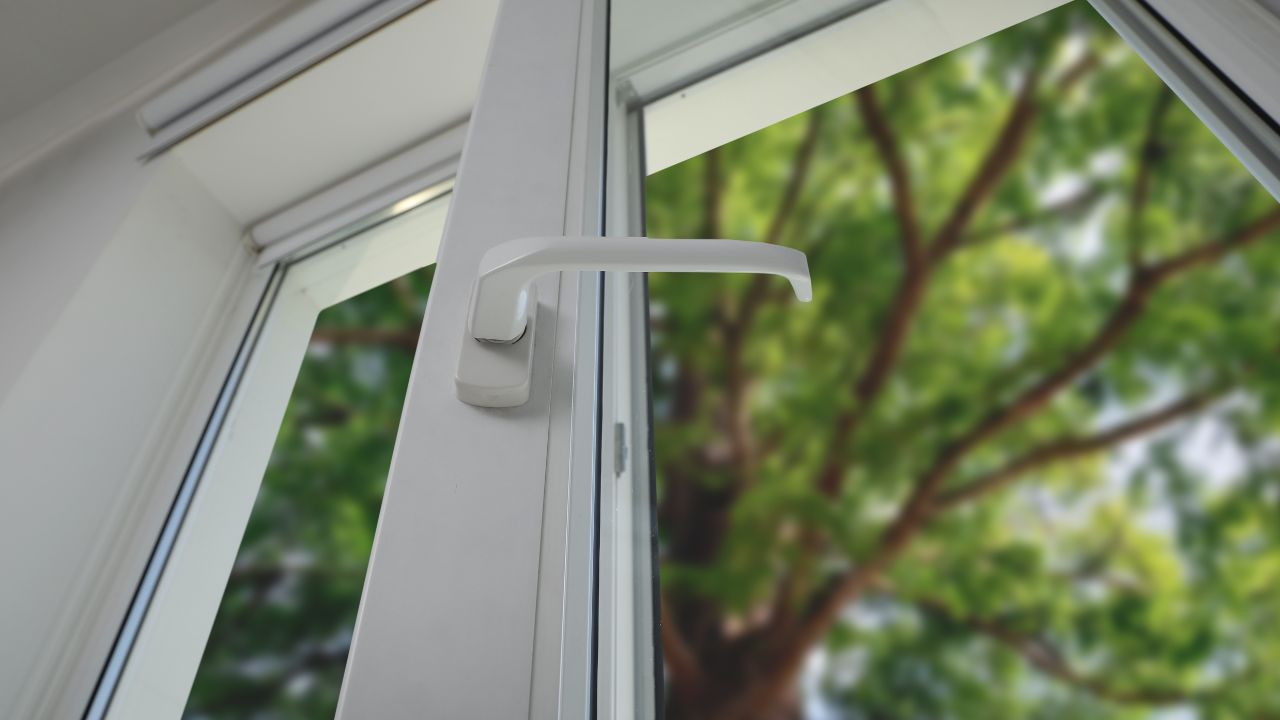
- Casement windows are hinged at the side and open outward like a door. They typically operate with a crank mechanism, which makes them a practical choice for areas where full ventilation is desired.
- Double-hung windows, on the other hand, feature two operable sashes (one on the top and one on the bottom) that move vertically. This allows for opening both sashes for better airflow, or just the top or bottom sash, depending on your needs.
Both window styles are designed to improve airflow and provide easy access, but each has a distinct mechanism and aesthetic.
Pros and Cons of Casement Windows
Pros of Casement Windows:
- Better Ventilation: Casement windows provide exceptional airflow because they open fully outward. When opened, they act almost like a sail, catching breezes and directing them into your home. If you live in a warm climate or want to maximize ventilation, casement windows are an ideal choice.
- Unobstructed View: One of the key advantages of the casement vs double hung windows debate is that casement windows don’t have a dividing rail. This design offers a clear, unobstructed view of the outdoors, making them perfect for large windows that overlook beautiful landscapes.
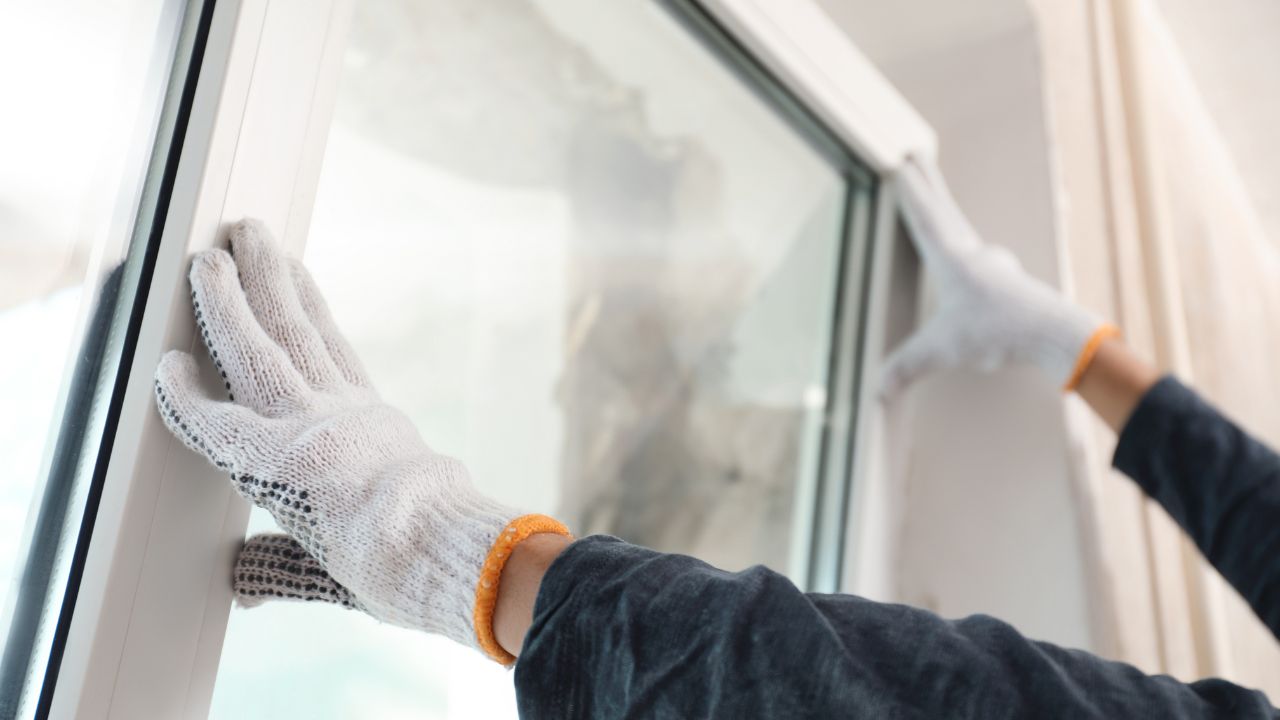
- Superior Energy Efficiency: Since casement windows close tightly against their frames, they provide a better seal than many other window types. This tight seal enhances energy efficiency by preventing drafts, reducing heat loss, and saving on energy bills. When professionally installed, window installation of casement windows can improve a home's insulation substantially.
- Easy Operation: The crank handle of a casement window makes it easy to open, especially in hard-to-reach areas like over a kitchen sink. This ease of operation can be a significant advantage for homeowners who want to avoid the effort of lifting a window sash.
Cons of Casement Windows:
- Limited Size Options: Casement windows are generally smaller than double-hung windows. They may not be ideal for large window openings or homes that need bigger windows for architectural reasons.
- Vulnerable to Wind: Because they open outward, casement windows can be affected by strong winds. In some cases, high winds can cause the window to slam shut, potentially causing damage. For this reason, they may not be the best option in areas prone to frequent storms.
- Higher Maintenance: Over time, the crank mechanism may need repairs or lubrication to keep it functioning properly. Additionally, because they open outward, casement windows are more exposed to the elements, which can cause wear and tear.
- Exterior Obstruction: Since casement windows open outward, they may obstruct patios, walkways, or landscaping. This might be an issue if your windows are located in areas where outdoor space is limited.
Pros and Cons of Double-Hung Windows
Pros of Double-Hung Windows:
- Versatile Ventilation: A key benefit in the casement vs double hung comparison is the versatility of ventilation. With double-hung windows, you can open both the top and bottom sashes. This creates a natural airflow, drawing cool air in from the bottom while allowing warm air to escape through the top. This makes double-hung windows a practical choice for regulating the temperature inside the home.
- Classic Aesthetic: Double-hung windows have a timeless look that complements a wide variety of architectural styles. Their classic design fits seamlessly into traditional, modern, and colonial homes alike. If curb appeal is a priority, these windows can enhance the visual charm of your home.
- Easy to Clean: Double-hung windows are easier to clean, especially for multi-story homes. The sashes tilt inward, allowing you to clean both the interior and exterior surfaces of the glass from inside your home. This convenience makes window maintenance less of a chore.
- Space-Saving Design: Unlike casement windows that open outward, double-hung windows move vertically. This makes them a great choice for rooms where outdoor space is limited. They won’t interfere with exterior walkways, patios, or garden areas.
Cons of Double-Hung Windows:
- Less Energy Efficient: In general, double-hung windows are not as energy-efficient as casement windows. The vertical sliding mechanism can allow for small gaps where air can seep through, which may reduce insulation. However, this issue can be mitigated with high-quality window installation and energy-efficient materials.
- Smaller Opening: While double-hung windows provide good ventilation, they don’t open as fully as casement windows. Only half of the window can be open at any given time, which limits airflow in comparison to casement windows.
- More Effort to Operate: Double-hung windows require you to lift or lower the sashes manually, which may be difficult for some individuals, especially over time. In contrast, casement windows use a crank, which is easier to operate.
- Limited in Contemporary Styles: While double-hung windows fit beautifully with classic or traditional home designs, they may not always complement more contemporary or modern architectural styles.
Key Factors to Consider in Casement vs Double-Hung Windows
- Energy Efficiency: If energy efficiency is a primary concern, casement windows tend to outperform double-hung windows due to their tighter seals. However, proper window installation and the choice of materials can make both types energy-efficient.
- Ease of Use: Casement windows are easier to open and close, especially in hard-to-reach places. However, double-hung windows offer the advantage of not requiring any clearance outside, which might make them more convenient for some homes.
- Maintenance: Both window types have their maintenance needs. Casement windows may require occasional crank repairs, while double-hung windows often need their sashes inspected and cleaned regularly.
- Aesthetic Preferences: Double-hung windows are classic and versatile, while casement windows offer a more modern, sleek look. Your choice may come down to the architectural style of your home.
Which is Better for Your Home: Casement Windows or Double-Hung Windows?
The choice between casement windows and double-hung windows depends on your individual needs and preferences. Casement windows are ideal if you’re looking for a tight seal and exceptional ventilation, while double-hung windows offer a more classic aesthetic and ease of cleaning.
By carefully considering factors like energy efficiency, maintenance, and aesthetic preferences, you can select the perfect window style for your home.
Let Alexandria Home Solutions help you make the right decision. Our team of experts offers a wide range of high-quality windows and professional window installation services. We'll ensure your new windows enhance your home's comfort, efficiency, and curb appeal.
Contact us today for a free consultation and discover the difference Alexandria Home Solutions can make.
Frequently Asked Questions
What are the key differences between casement windows and double-hung windows?
The primary difference between casement windows and double-hung windows is how they open. Casement windows open outward with a crank mechanism, providing better air circulation and energy efficiency due to their tight seal. Double-hung windows, on the other hand, move vertically and are typically easier to clean but may not offer the same level of weather protection. Both window styles provide unobstructed views, but casement windows generally allow for more ventilation.
How do I choose the right window material for my home?
When selecting window material for your window project, consider factors such as durability, energy efficiency, and aesthetic appeal. Window frame materials like wood, vinyl, or aluminum offer different benefits. Wooden frames have a classic look and excellent insulation, while vinyl frames are low-maintenance and energy-efficient. Choosing the right material can impact the performance of window replacement and ensure long-lasting weather protection.
Should I hire a professional installer for my window replacement project?
Hiring a professional installer is highly recommended for window installation services, especially for complex windows like casement windows or double-hung windows. A professional installer will ensure proper fitting, alignment, and sealing, which is crucial for energy efficiency and weather protection. Additionally, window manufacturers often offer warranties that require professional installation to be valid, ensuring your replacement windows perform optimally for years to come.
What are the benefits of installing sliding windows compared to casement or double-hung windows?
Sliding windows are a great choice for home renovation projects where space is limited, as they don’t require an outward opening like casement windows or double-hung windows. This makes them ideal for interior and exterior areas where a spring-loaded balance or mechanical parts would otherwise obstruct space. They also provide excellent air circulation and offer a more modern window style, enhancing curb appeal.
How do window locking mechanisms differ between casement and double-hung windows?
Casement windows typically have a locking mechanism built into the crank mechanism, offering a tighter, more secure fit when closed. In contrast, double-hung windows often use a spring-loaded balance to secure the sashes in place, which can sometimes result in less security than casement windows. Depending on your needs for security protection and weather protection, it's essential to understand the differences in locking mechanisms when choosing between these window styles.