Key Takeaways:
Home design choices fall into two categories: investments that endure decades or trends that date within years. This distinction determines whether your remodeling budget builds lasting value or funds premature renovations. Understanding which elements deserve timeless treatment versus where trends work safely prevents expensive mistakes.
This guide identifies design longevity principles, distinguishes timeless choices from passing fads, and provides decision frameworks for balancing personal style with lasting value. Whether planning comprehensive renovations or targeted updates, these strategies protect your investment while creating homes that age gracefully.
Designing for longevity means prioritizing choices that remain relevant, functional, and visually appealing for decades rather than years. This approach emphasizes durability, versatility, and classic proportions over novelty. Long-term design thinking considers how selections will age, how easily they'll coordinate with future updates, and whether they'll enhance or diminish value over time.
Timeless design lasts 20-30+ years while trendy design cycles every 3-8 years. This fundamental difference separates investments from expenses. Long-term design focuses on architecture, proportion, quality materials, and neutral foundations. Style-driven decorating prioritizes current aesthetics, social media appeal, and immediate visual impact without considering future relevance.
Decorating changes seasonally or annually through accessories, textiles, and paint—low-cost, easily reversible choices. Design involves permanent or expensive elements like flooring, cabinetry, and architectural details. Confusing these categories leads to installing temporary trends as permanent features, requiring expensive replacement when styles shift.
Timeless design adds 10-15% to home value while requiring remodeling every 15-20 years versus 5-8 years for trendy choices. This dramatically reduces lifetime ownership costs. One quality renovation lasting 20 years costs less than three trend-driven updates over the same period—even when timeless materials command 10-20% upfront premiums.
Visual stability prevents design fatigue—the exhaustion from seeing outdated choices daily. Dated kitchens, bathrooms, or flooring create constant dissatisfaction regardless of functional adequacy. Timeless selections maintain satisfaction across decades, preserving both financial and emotional investment value.
Timeless flooring like hardwood and natural stone lasts 25-30+ years. Timeless countertops including marble, granite, and quartzite endure 20-25+ years. Timeless cabinetry survives 20-30+ years of daily use. These extended lifespans justify premium pricing through superior total cost of ownership.
Material durability directly impacts satisfaction. Cheap trendy finishes deteriorating within five years frustrate regardless of initial style appeal. Quality timeless materials maintain appearance and function throughout their extended lifespans. This reliability prevents premature replacement cycles driven by wear rather than obsolescence.
Timeless design reflects enduring human preferences for proportion, balance, natural materials, and simplicity. These principles transcend temporary style movements because they address fundamental aesthetic responses rather than novelty appeal. Understanding what creates timelessness helps identify lasting choices.
Classical proportions deliver permanent longevity with 15-20% value impact. Symmetry and balance provide 5-10% lasting value addition. These principles work because human visual preferences for harmony, scale, and proportion remain constant across centuries and cultures.
Simplicity prevents dating through style-specific details. Shaker cabinets, subway tile, and clean architectural lines remain relevant because they avoid ornament tied to specific eras. Complex, highly styled elements telegraph their installation decade, creating obvious obsolescence as subsequent styles emerge.
Neutral foundations last 20+ years, adding 10-15% to home value. Timeless wall colors—white, off-white, warm gray, and greige—achieve 85% buyer approval and 20+ year relevance. Timeless kitchen colors like white, cream, and soft gray maintain 78% buyer preference across 20-25+ years. Bathroom neutrals secure 82% approval over similar periods.
Neutrals work because they accommodate evolving accent colors, furniture styles, and personal preferences without requiring structural changes. Bold permanent colors limit future flexibility, dating spaces and demanding expensive correction. Neutral backgrounds allow style evolution through easily changed elements.
Quality-over-trends approaches deliver 25-30+ years longevity with 20-25% value premiums. Natural materials secure 85% buyer preference for timeless choices. Authentic materials—real wood, natural stone, quality metals—possess inherent beauty transcending style movements.
Craftsmanship quality remains visible and valuable indefinitely. Well-constructed cabinetry, properly installed tile, and carefully finished millwork maintain appeal because excellence endures. Cheap construction attempting trendy aesthetics fails on both counts—poor quality wears quickly while trend appeal vanishes.
Passing fads share common characteristics: rapid adoption, social media amplification, novelty focus, and short market presence. Recognizing these patterns prevents expensive permanent installations of temporary trends. Fad identification protects both immediate budgets and long-term value.
Social media compresses trend cycles dramatically. Pinterest and Instagram spread styles globally within months, creating simultaneous saturation. This rapid adoption accelerates exhaustion—what appears everywhere quickly becomes background noise, then dated aesthetic.
Viral trends lack the gradual regional adoption characterizing traditional style evolution. When millions see identical spaces simultaneously, uniqueness disappears and overexposure breeds rejection. This pattern explains why social-media-driven trends date faster than historically evolved styles.
Trendy tile patterns last 3-5 years. Trendy quartz colors survive 5-8 years. Trendy hardware like rose gold remains current just 3-5 years. Trendy backsplashes endure 3-7 years. Trendy accent colors—millennial pink, Gen Z yellow, ultra-violet—cycle within 2-3 years. These abbreviated lifespans distinguish trends from lasting choices.
Overuse accelerates obsolescence. When every new construction home features identical elements—gray floors, shiplap walls, matte black fixtures—saturation creates backlash. The more ubiquitous a trend becomes, the faster it dates as people seek differentiation from identical spaces.
Trendy design reduces resale value by 5-10%. Twenty-year ownership with trendy choices requires 2-3 complete remodels versus one with timeless design. This economic reality reflects buyer resistance to obviously dated spaces requiring immediate updating.
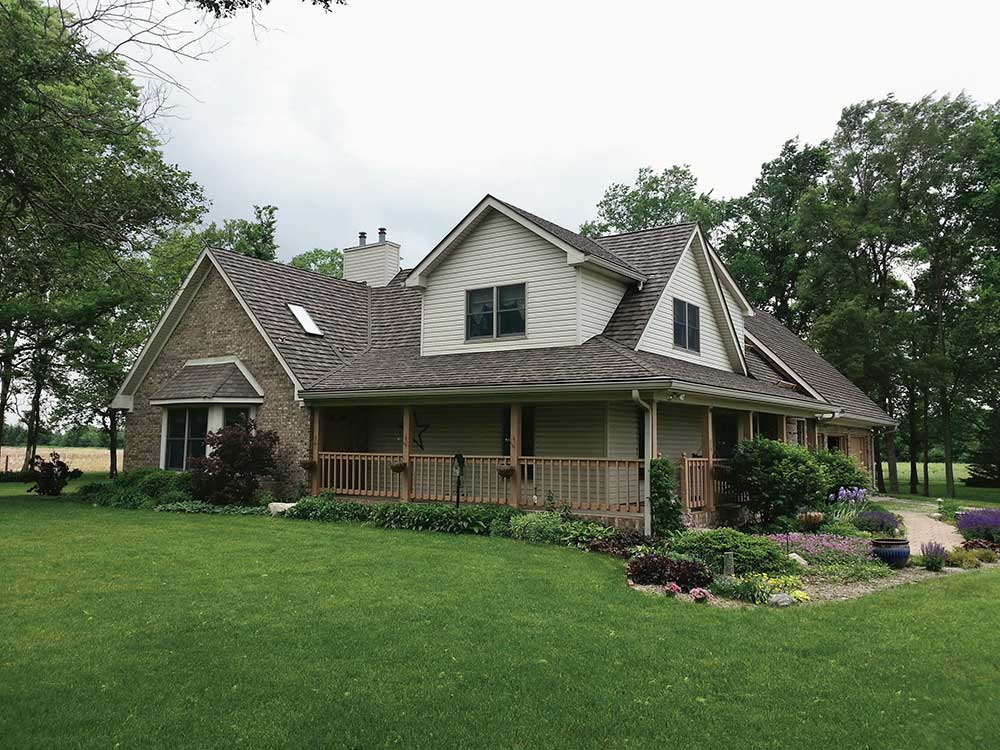
Permanent installation magnifies fad obsolescence. Removable trendy accessories cause no harm—they're discarded when tired. Trendy tile, cabinetry, or architectural elements become expensive regrets requiring professional removal and replacement. This irreversibility transforms minor style shifts into major financial burdens. Understanding how permanent exterior elements like siding impact long-term value illustrates why material longevity matters.
Investment protection requires maximizing value retention while minimizing maintenance costs. Timeless design accomplishes both objectives through enhanced appeal, reduced replacement frequency, and consistent market positioning. These advantages compound over ownership periods.
Timeless flooring adds 10-15% resale premiums. Timeless countertops contribute 8-12% premiums. Timeless cabinetry delivers 12-18% premiums. Even timeless hardware provides 3-5% premiums. Timeless backsplashes add 5-8% to value. These incremental advantages accumulate significantly across complete homes.
Buyer preferences confirm timeless appeal: 78% prefer neutral kitchens, 82% favor hardwood floors, 75% choose classic bathroom design. These overwhelming majorities reflect timeless design's universal rather than niche appeal. Broad market acceptance accelerates sales and supports premium pricing.
Trendy design costs less initially but requires replacement every 5-8 years versus 15-20 years for timeless choices. Frequent remodeling quickly exceeds timeless designs' 10-20% upfront premiums. Three trend-driven updates over 20 years cost substantially more than one quality timeless installation.
This cycle particularly harms those planning sales. Homes remodeled with current trends five years prior already appear dated by sale time, reducing competitive positioning. Timeless choices installed decades earlier remain acceptable, eliminating pre-sale updating requirements.
Defined room layouts secure 68% buyer preference versus open-concept extremes. Cohesive design philosophy unifying spaces creates greater-than-sum-of-parts value. Homes mixing architectural styles, conflicting color palettes, and varying quality levels confuse rather than delight.
Consistency doesn't mean monotony—it means thoughtful relationships between spaces. Complementary rather than identical finishes, coordinated color families, and appropriate style matching create sophisticated cohesion. This intentionality distinguishes designer homes from contractor-grade properties.
Evaluation criteria help predict longevity before committing to expensive permanent installations. These decision filters prevent costly mistakes while identifying genuinely timeless options. Systematic evaluation replaces guesswork with informed judgment.
Timeless architectural details like crown molding, baseboards, and wainscoting maintain relevance for 30+ years, enhancing value continuously. Trendy details—ubiquitous shiplap, overused barn doors, bold accent walls—date within 3-8 years. Historical longevity predicts future performance better than current popularity.
Research how long current "classics" have actually endured. Subway tile remains popular after a century. Shaker cabinets date to the 1700s. These extended track records prove staying power. Features popular only 3-5 years lack sufficient evidence supporting permanence claims.
Versatility enables evolution without replacement. Hardwood floors work with traditional, contemporary, and transitional styles. White subway tile complements farmhouse, modern, and classic aesthetics. This flexibility accommodates style shifts through accessories rather than structural changes.
Test versatility by envisioning radically different styling. If your chosen cabinets work only with current paint colors, they're trend-dependent. If they'd work equally well with different palettes, fixtures, and furniture styles, they're truly timeless.
Installation permanence magnifies wrong-choice consequences. Trendy paint corrects easily and cheaply. Trendy tile or cabinetry requires expensive professional removal and replacement. This replacement difficulty should increase selection conservatism proportionally.
Calculate replacement costs before installation. $15,000 trendy tile likely dates within five years. Would you pay $15,000 every five years to maintain current trends? If not, choose timeless tile lasting decades. This thought exercise reveals whether trending choices justify their risks.
Certain elements—expensive, highly visible, structurally integrated—demand timeless treatment. These foundational choices establish home character and prove costly to change. Conservative selection here allows trend freedom elsewhere.
Timeless flooring options—oak, walnut, maple, natural stone, large-format porcelain—last 25-30+ years, adding 10-15% resale premiums. Trendy patterns, laminate, and colored grout date within 3-5 years. Flooring's visibility and replacement cost demand timeless selection. Quality siding choices follow similar longevity principles for exterior applications.
Timeless countertops—marble, granite, quartzite, soapstone, butcher block—endure 20-25+ years with 8-12% premiums. Trendy quartz colors and concrete alternatives date within 5-8 years. Countertop prominence and expense justify conservative choices. Natural material beauty transcends trends through inherent rather than style-dependent appeal.
Timeless cabinetry—Shaker style, flat-panel, natural wood, painted white or gray—lasts 20-30+ years, delivering 12-18% premiums. Trendy handleless designs, extreme two-tone, open shelving, and colored cabinets date within 5-10 years. Cabinetry's cost and visibility make trend risk unacceptable.
Timeless storage—built-in closets, pantries, mudrooms, dedicated spaces—remains essential indefinitely. Trendy open shelving, minimal storage, and floating everything dates within 5-8 years while compromising function. Built-in elements prove especially expensive to modify, demanding timeless approaches.
Neutral wall colors, kitchen palettes, and bathroom colors maintain 78-85% buyer approval across 20+ year periods. These majorities reflect universal rather than personal preferences. Homes built on neutral foundations accommodate diverse buyer tastes without requiring repainting before sale.
Natural materials—real wood, stone, metal—possess inherent timeless appeal. Manufactured materials mimicking natural ones date as manufacturing aesthetics evolve. Authentic materials' unchanging character provides stability against trend volatility.
Strategic trend incorporation balances personal expression with value protection. Certain elements—low-cost, easily changed, minimally visible—tolerate trend experimentation without consequence. Understanding these boundaries enables safe trend enjoyment.
Timeless lighting fixtures last 20-25+ years with lower replacement costs. Trendy oversized industrial pendants, Edison bulbs, and ultra-modern geometric fixtures date within 3-7 years. However, lighting's relative affordability and replaceability make trend risk manageable compared to flooring or cabinetry.
Textiles—pillows, throws, curtains—change seasonally without significant cost. Trendy patterns, colors, and textures in these categories harm nothing. They're decorating rather than design, providing safe trend outlets without permanent commitment.
Timeless accent colors like navy, forest green, and warm terracotta last 10-15 years, securing 65% buyer approval. Trendy millennial pink, Gen Z yellow, and ultra-violet cycle within 2-3 years. However, accent walls, accessories, and small painted furniture offer low-risk trend exploration.
Paint affordability and reversibility make it ideal for trend testing. Dislike your bold accent wall? Repaint for under $100. This fail-safe characteristic distinguishes paint from tile, allowing experimentation without financial jeopardy.
Timeless hardware—brushed nickel, oil-rubbed bronze, polished chrome, brass—lasts 15-20+ years with 3-5% premiums. Trendy rose gold and matte black date within 3-5 years. Hardware's moderate cost makes periodic updating feasible for trend followers without breaking budgets.
Furniture provides ultimate trend flexibility. Styles change without construction. Tired of mid-century modernism? Sell current pieces and buy traditional. This reversibility and lack of installation permanence make furniture perfect for trend experimentation.
Personal expression matters—homes should reflect occupants' personalities. However, balancing individual taste with timeless principles prevents expensive regrets. This balance requires strategic placement of personal preferences within classic frameworks.
Build timeless backgrounds—neutral walls, classic floors, quality cabinetry. Layer personal style through changeable elements—lighting, furniture, accessories, accent colors. This foundation-plus-flexibility approach accommodates evolution without requiring structural changes.
Feature walls, statement lighting, and bold tile in small spaces provide personal expression without overwhelming homes. Powder room wallpaper, kitchen backsplash accent tile, or primary bathroom feature wall satisfy style desires while limiting risk scope.
Collect inspiration images representing desired aesthetics. Analyze commonalities—recurring colors, materials, styles. These patterns reveal true preferences versus fleeting attractions. Consistent preferences justify more permanent expression than isolated single images.
Review mood boards months after creation. Elements still appealing after reflection represent genuine preferences. Those that now seem dated or excessive represent trend temptation rather than lasting taste. This waiting period prevents expensive impulse installations.
Identify 2-3 non-negotiable personal elements justifying trend risk. Perhaps you genuinely love bold color, specific vintage styles, or distinctive architectural details. Embrace these authentically personal choices while keeping remaining selections timeless.
This selectivity prevents trend overload. Homes incorporating personal flair strategically feel custom rather than dated. Those installing every current trend simultaneously appear desperate rather than stylish. Restraint distinguishes sophistication from trend-chasing.
Common mistakes follow predictable patterns—overinvestment in trends, misunderstanding trend cycles, copying without context. Recognizing these pitfalls helps avoid their consequences. Prevention costs nothing while correction proves expensive.
Installing expensive trend elements guarantees dissatisfaction within years. $30,000 trendy cabinetry dates before amortizing installation costs. This creates frustration—living with disliked choices because replacement proves financially infeasible. Better initial restraint prevents this trap.
High-cost permanent trends also limit budgets for timeless investments. Money spent on trendy tile can't buy quality hardwood lasting decades. Misallocated budgets sacrifice longevity for temporary appeal, ultimately costing more through premature replacement.
Trendy kitchen layouts—extreme open concept, impractical oversized islands, minimal storage—date within 8-12 years versus timeless work triangles lasting 30+ years. Trendy living spaces—complete open plans, loft-style everything—survive 8-12 years versus defined flexible rooms enduring 25-30+ years with better resale.
Fast-cycle trends particularly harm those financing renovations. Paying off five-year loans for already-dated remodels doubles frustration. Timeless choices remain satisfying throughout and beyond loan terms, maintaining value matching financial investment.
Viral spaces often feature unique architectural elements, specific lighting, or professional styling creating their appeal. These contextual factors don't translate to different homes. Copied trends installed without supporting context fail to achieve inspirational results.
Architecture matters critically. Modern minimalist design conflicts with traditional Victorian architecture. Farmhouse trends clash with mid-century modern bones. Respecting existing architectural character while incorporating personal touches creates harmonious results. Ignoring context produces disjointed spaces.
Professional designers distinguish lasting choices from hype through experience and education. Their perspective prevents costly trend mistakes while helping clients articulate authentic personal style. This expertise proves especially valuable for significant investments.
Designers track trends professionally, understanding historical precedents and cycle patterns. They recognize when "new" trends recycle previous fads versus representing genuine evolution. This historical perspective helps clients avoid repeating mistakes from past trend cycles.
Professional training in design principles—proportion, scale, color theory, material properties—enables objective evaluation beyond personal taste. Designers assess whether choices work technically and aesthetically long-term, not just whether clients like them currently.
Skilled designers identify core appeal within trends, extracting elements translating to timeless applications. Does the client love bold patterns? The designer suggests a timeless base with patterned accessories. Client wants current colors? The designer recommends accent placement versus permanent installation.
This translation skill balances client desires with longevity, creating satisfaction without regret. Designers also contextualize trends within client homes, ensuring architectural appropriateness and avoiding copied-look pitfalls.
Upfront design investment prevents expensive corrections. Professional guidance costs 5-10% of project budgets but avoids 100% waste from wrong choices requiring replacement. This asymmetric risk-reward ratio makes professional consultation valuable.
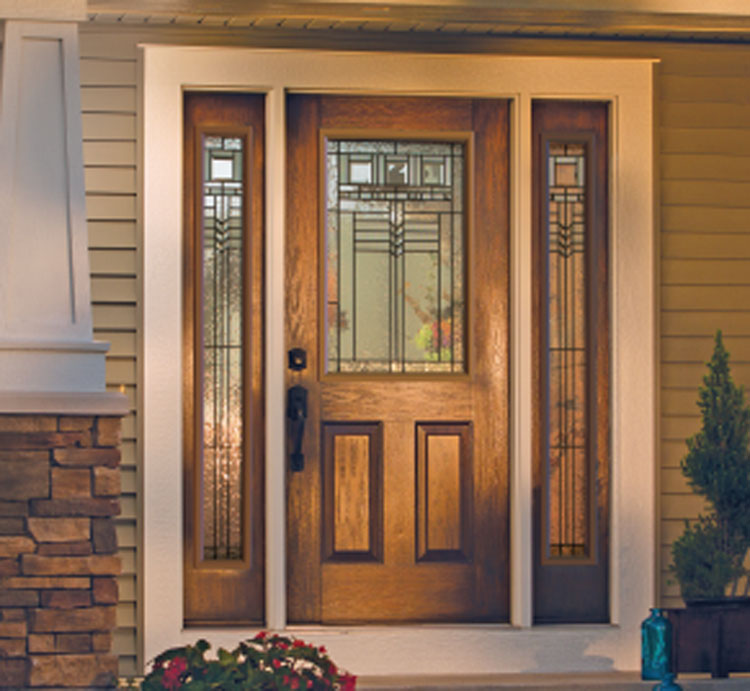
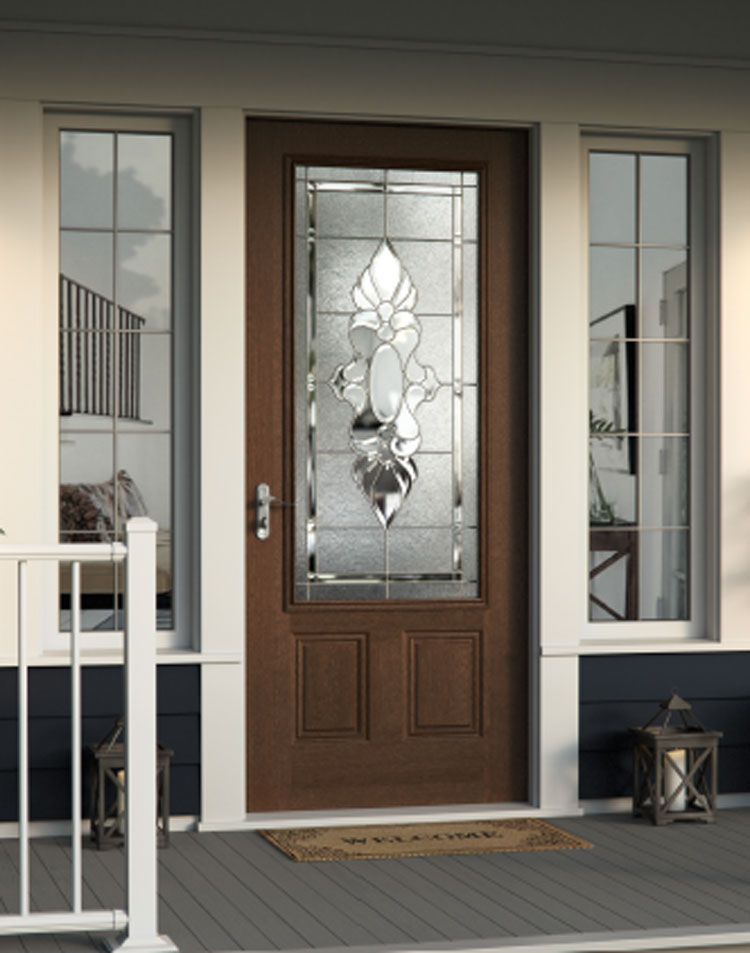
Designers also prevent decision fatigue through efficient curation. Instead of reviewing thousands of options independently, clients see pre-screened selections meeting quality, style, and budget criteria. This streamlines decisions while maintaining appropriate choice scope. Quality window selection and entry door choices benefit significantly from professional guidance ensuring both aesthetics and longevity.
Action requires systematic evaluation and planning. These steps transform longevity principles into concrete decisions preventing expensive mistakes while enabling confident selections. Implementation separates understanding from results.
Review recent "timeless" advice recognizing shifts in professional consensus. Open concept, considered timeless 2010-2020, now fades toward moderate openness with defined zones. All-white kitchens remain timeless but warm whites outperform stark white. Shiplap transformed from farmhouse staple to oversaturated fad—avoid now. Matte black fixtures transition from modern classic to trend—use sparingly.
Quartz countertops face debate—functional but characterless versus natural stone's timeless appeal. Gray palettes, timeless neutrals through 2022, now cool toward warm greiges and beiges. These shifts illustrate how "timeless" advice evolves, requiring periodic reassessment.
Establish hierarchy: permanent expensive elements must be timeless. Medium-permanence moderate-cost items accept conservative trends. Temporary inexpensive elements allow full trend freedom. This framework prevents misallocating trend risk to wrong categories.
Apply questions systematically: How long has this been popular? How versatile is it? What does replacement cost? How visible is it? Answers reveal appropriate conservatism levels. High visibility, high cost, low versatility, and expensive replacement demand timelessness.
Timeless bathroom layouts—separate tub and shower, adequate vanity, enclosed toilet—last 25+ years with higher buyer appeal versus trendy open showers and vessel sinks lasting 5-10 years. Timeless plumbing fixtures endure 20-25+ years and repair easily versus trendy waterfall faucets and matte black extremes dating within 5-10 years.
Timeless window treatments—classic drapery, plantation shutters, wood blinds—maintain 15-20+ year relevance with broad appeal versus trendy industrial rods and colored blinds lasting 5-10 years. Natural light maximization provides permanent value with 8-12% impact versus dark moody interiors cycling within 3-5 years.
Planning evolution means scheduling updates to changeable elements while maintaining permanent foundations. Paint refreshes every 5-7 years, lighting updates every 10-15 years, and furniture replacement as needed keep homes current without structural work. This approach maximizes value while minimizing disruption.
Timeless design delivers 20-30+ year relevance versus trendy choices dating within 3-8 years. This distinction translates to 10-15% higher resale value, remodeling every 15-20 years versus 5-8 years, and 75-85% buyer approval for classic choices. Strategic placement of trends in reversible, low-cost elements allows personal expression without financial jeopardy.
Contact Alexandria Home Solutions today to discuss creating a long-term design strategy for your home. Our experience with timeless material selection, quality craftsmanship, and value-focused improvements ensures your investment delivers satisfaction and performance for decades. Let's build a home that grows more valuable, not more dated, with time.