Key Takeaways:
Southfield homeowners face a critical decision when upgrading their home's exterior: which siding material delivers the best return on investment while withstanding Michigan's harsh climate? Fiber cement siding has emerged as the leading choice for property owners seeking to maximize home value, enhance curb appeal, and ensure long-term durability. This guide examines how fiber cement siding transforms Southfield properties into high-value assets that attract buyers and resist the region's demanding weather conditions.
Fiber cement siding represents an engineered solution specifically designed for extreme climates and long-term value appreciation. Understanding its composition and financial performance helps homeowners make informed investment decisions.
Fiber cement consists of cement, sand, and cellulose fibers. This engineered composite creates a dense material that resists thermal transfer and withstands impacts. The cement base provides fire resistance while cellulose fibers add tensile strength without wood's vulnerabilities. When considering siding options, this material composition delivers performance characteristics no single natural material can match.
National data shows impressive returns: fiber cement siding delivers 113.7% ROI with a $21,485 job cost returning $24,420 in resale value. The East North Central region achieves 101.2% cost recovery. Detroit-specific data shows 73.8% recovery with a $22,292 investment returning $16,457—highlighting the importance of local market analysis. According to the 2025 JLC report, fiber cement ranks among the top home improvement projects nationally, with some markets showing approximately 114% ROI. Mid-Atlantic installations add $14,966 average value, with premium markets reaching $20,000–$30,000 increases. Fiber cement recovers about 88% of costs versus vinyl's 82%. Appraisers specifically evaluate siding material quality when determining property value, particularly noting energy efficiency improvements and modernized aesthetics.
Fiber cement delivers 30–50 years of service life with proper installation, often exceeding 50 years with appropriate care. This significantly outlasts vinyl's 40-year maximum and wood's 20–30 year lifespan. The maintenance schedule reveals the true cost advantage: fiber cement requires repainting every 10–15 years versus wood's demanding 3–7 year cycle. While initial costs run higher, lifecycle analysis consistently favors fiber cement. Wood's frequent repainting cycles cost thousands per application. Total ownership costs—factoring in maintenance, repairs, and eventual replacement—demonstrate that initial price differences narrow considerably over time. High-performance materials command premium property values that economy options cannot match.
Visual appeal directly impacts property value and buyer interest. Fiber cement offers versatility that traditional materials cannot match while maintaining Michigan-appropriate aesthetics.
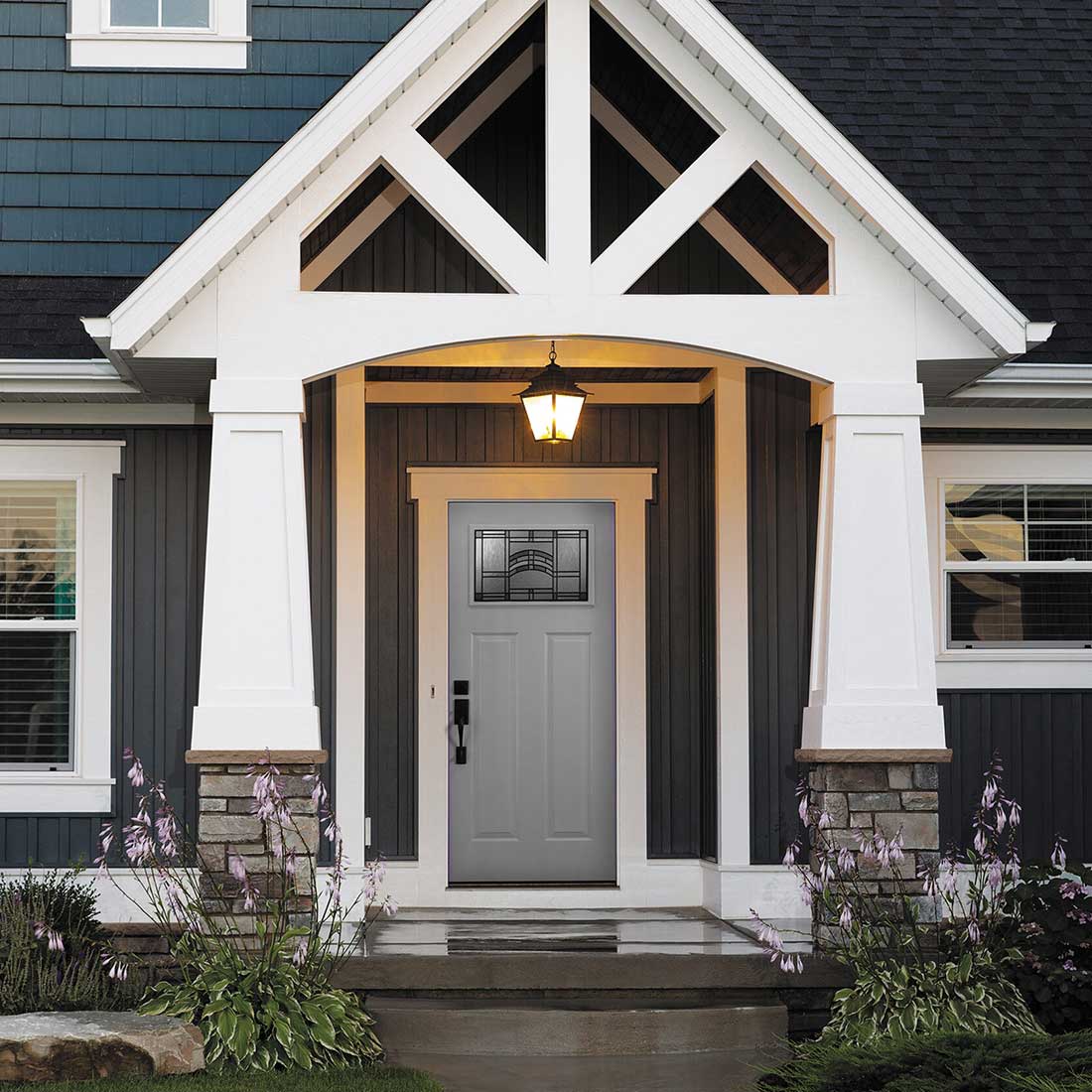
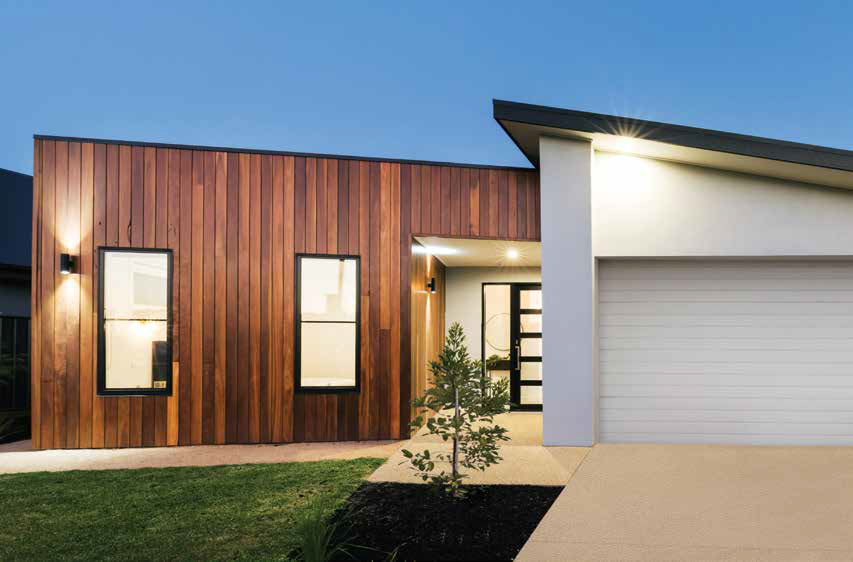
Fiber cement provides extensive design flexibility. Board & batten creates rustic character with alternating wide boards and narrow strips. Traditional plank delivers craftsman aesthetics with smooth textures and crisp shadow lines. The material effectively replicates brick styles—VintageBrick, CanyonBrick, PlymouthBrick, and ModernBrick—without masonry costs. Stacked stone appearance suits contemporary designs with linear, textured finishes. Modern panels emphasize clean lines and geometric shapes. Industrial styles replicate distressed concrete or metal textures. James Hardie's product line includes HardiePlank® lap siding, HardieArtisan® with deep shadow lines, HardiePanel vertical siding, and HardieShingle that mimics cedar. Specialty options include high-gloss black panels resembling metal cladding. ColorPlus® Technology pre-finishes boards with baked-on, fade-resistant colors formulated for regional climate performance.
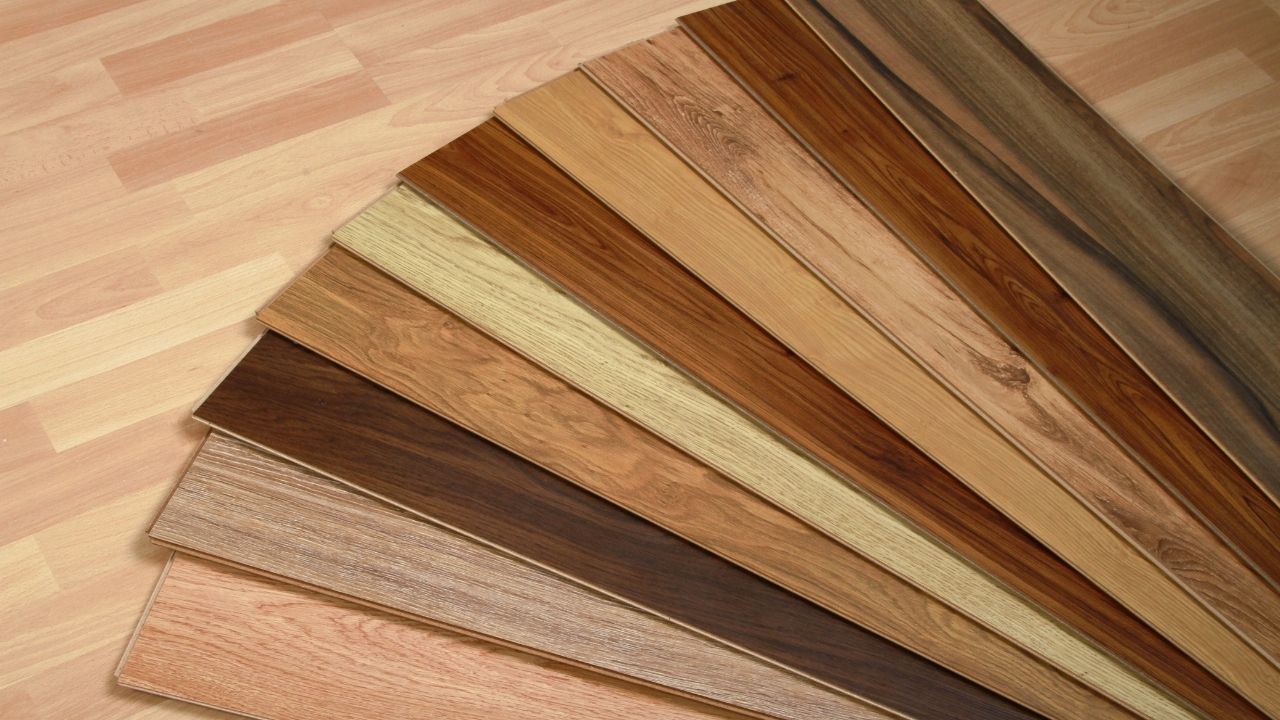
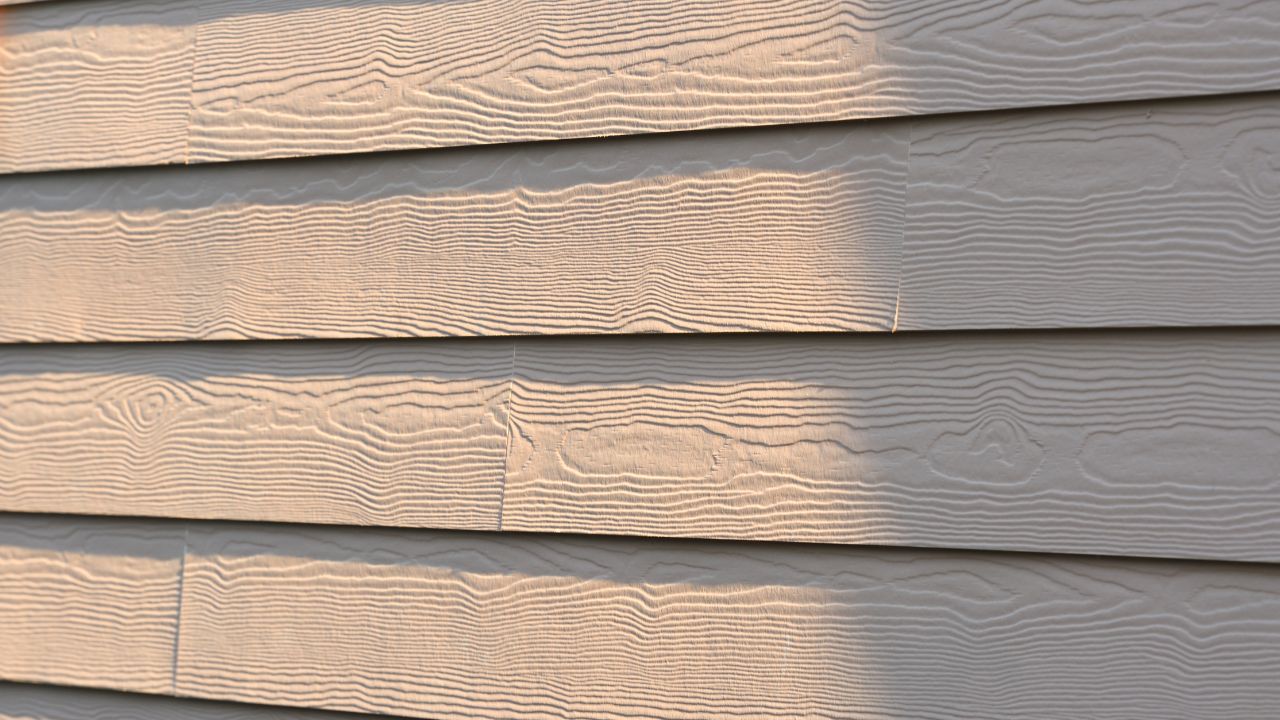
Fiber cement mimics wood species from redwood to cedar with accurate grain patterns and textures. It replicates the look of wood, stucco, or masonry while offering superior resistance to fire, pests, and rot. Visual appeal matches natural wood without susceptibility to decay, insects, or moisture damage. This proves particularly valuable in historic neighborhoods where appearance standards matter but maintenance budgets don't support wood's demands. Vinyl offers variety but cannot achieve the authentic texture and depth fiber cement provides. Wood delivers classic aesthetics but requires constant intervention to maintain appearance.
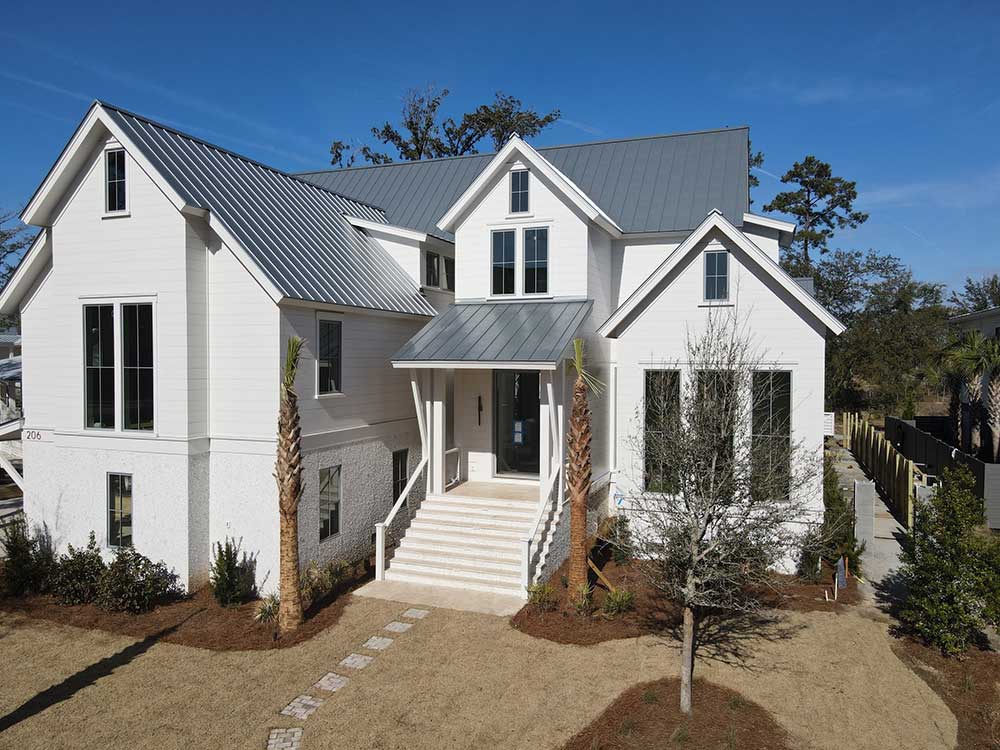
Southfield features substantial Mid-Century Modern architecture from the 1950s and 1960s, characterized by clean lines, minimalism, and seamless indoor-outdoor integration. Common elements include curtain wall construction, covered entries, and low-sloping rooflines with muted earth-tone palettes. Current city guidelines encourage low-impact development practices like bioswales and rain gardens that enhance sustainability and curb appeal. Neutral tones—beige, gray, white, soft blues or greens—have the broadest buyer appeal. Traditional lap siding, board and batten, and wood-look textures prove highly favored. Well-maintained modern siding signals overall home care, setting positive expectations for interior systems. A refreshed exterior makes homes more attractive to potential buyers, directly impacting marketability.
Michigan's climate demands siding materials engineered for extreme conditions. Fiber cement's weather resistance directly protects both home structure and property value.
Fiber cement maintains structural integrity from -40°F to 120°F without becoming brittle in cold or warping in heat. Unlike vinyl, which becomes brittle below 20°F and vulnerable to impact damage, fiber cement resists freeze-thaw cycling without cracking. The HZ5® product line specifically targets climates with seasonal variations, freezing temperatures, snow, and ice. This engineering provides enhanced resistance to cracking, moisture absorption, and delamination caused by snow and ice. Vinyl exploits Michigan's freeze-thaw weakness—panels crack parallel to boards or in distinctive half-circle patterns. Fiber cement's resistance to these cycles eliminates a primary failure mode affecting traditional materials.
Fiber cement offers high water resistance, effectively preventing rot and degradation even after prolonged moisture exposure. This proves particularly beneficial in humid climates and areas with heavy precipitation. Trapped moisture behind siding creates ideal conditions for mold and structural decay—wood framing exposed to consistent dampness begins rotting within months. The City of Southfield enforces Michigan Building Code requirements for moisture protection. Professional contractors must implement proper sealing and house wrap techniques. Repeated moisture exposure leads to rotting of wooden framing and structural elements. Fiber cement's inherent moisture resistance prevents these conditions while traditional materials require constant vigilance.
The material performs consistently whether temperatures swing 50°F in 24 hours or remain below freezing for weeks. Dense composition provides superior impact resistance against hail and wind-blown debris. Testing demonstrates resistance to golf-ball-sized hail that would shatter vinyl. Fiber cement is formulated to perform across extreme temperature fluctuations, from intense heat to severe cold. This makes it suitable for Michigan's diverse climate challenges. The engineered structure maintains dimensional stability while other materials expand, contract, and ultimately fail under seasonal stress.
Beyond initial installation, fiber cement delivers compounding benefits that increase over time. These advantages directly impact both daily living and eventual resale.
Fiber cement resists rotting, warping, and insect infestations. The material contains no organic compounds that support biological decay—termites cannot digest cement-based products. Fire resistance comes from the cement matrix, which won't ignite or contribute fuel to flames. These properties eliminate entire categories of maintenance and damage common to wood. Superior impact resistance surpasses vinyl significantly. Wind-blown debris that dents aluminum or chips vinyl leaves minimal marks on fiber cement. This resistance proves critical during severe weather events when projectile impacts would compromise lesser materials.
Fiber cement typically requires repainting every 10–15 years, with high-quality paint extending this to 20 years under favorable conditions. James Hardie recommends the 10–15 year timeframe to maintain appearance and protective features. ColorPlus® Technology pre-finishes boards with baked-on coatings formulated for regional climate performance. The substrate doesn't expand and contract like wood, preventing paint film failure. Compare this to wood's demanding 3–7 year painting cycle or vinyl's tendency toward fading and brittleness. The cement surface provides superior mechanical bond compared to vinyl's smooth plastic. Longer paint life translates to fewer disruptions and lower maintenance costs over decades of ownership.
Fiber cement's R-value per inch ranges from 0.5–0.8. While individual R-values seem modest, the cumulative effect across hundreds of square feet impacts heating and cooling loads measurably. Dense composition contributes to thermal resistance, reducing heat transfer and helping maintain comfortable indoor temperatures year-round. When combined with exterior foam boards, fiber cement creates highly energy-efficient wall assemblies with superior moisture protection. Proper installation with appropriate moisture barriers creates an effective building envelope. Dimensional stability maintains tight joints that prevent air infiltration. Professional installation with sealed penetrations significantly reduces drafts compared to deteriorated existing siding. Energy savings come primarily from eliminating infiltration points rather than material R-value alone.
Direct comparison reveals why fiber cement outperforms alternatives in Michigan's demanding climate. Material selection impacts both immediate costs and long-term value.
Vinyl lacks structural stability across temperature ranges—cold makes it brittle while heat causes warping. Michigan's freeze-thaw cycling exploits this weakness as panels crack parallel to boards or in distinctive half-circle patterns. Vinyl proves prone to cracking, chipping, or developing holes from hail impact; even smaller hailstones leave permanent marks. Colors fade from UV exposure. Fiber cement maintains integrity across varying temperature ranges and resists freeze-thaw damage that destroys vinyl panels. The 30–50 year fiber cement lifespan exceeds vinyl's 40-year maximum, but more importantly, performance doesn't degrade at the same rate. Superior impact resistance provides better protection against severe weather events like hail and windblown debris—critical factors in Michigan.
Wood requires painting or sealing every 3–7 years to prevent moisture penetration. Without this protection, rot accelerates rapidly. Wood remains susceptible to termites and mold, deteriorating quickly in heavy rains, humidity, and freeze-thaw cycles. The 20–30 year lifespan depends entirely on consistent maintenance. Hail causes dents, gouges, and split sections. Wood's initial $6–12 per square foot cost misleads—long-term expenses from frequent maintenance cycles add thousands in recurring costs. Fiber cement provides warm wood tones and textures without maintenance burdens or rot concerns. This proves particularly valuable in historic neighborhoods where appearance standards matter but maintenance budgets don't support wood's demands. To understand the broader context, explore insights on the impact of new siding on property performance.
The data speaks clearly: fiber cement delivers 30–50 years (50+ with proper care), vinyl reaches 40 years maximum, and wood manages 20–30 years dependent on intensive care. Maintenance requirements differ dramatically—vinyl needs minimal care but offers limited performance, fiber cement requires repainting every 10–15 years, and wood demands painting every 3–7 years. ROI comparison shows fiber cement recovering approximately 88% of costs versus vinyl's 82%. Weather resistance proves superior in fiber cement for freeze-thaw cycling, impact resistance, and moisture management. Michigan's challenging climate exposes material weaknesses that milder regions tolerate. Fiber cement is often considered the superior choice for regions like Michigan due to robust performance characteristics that lesser materials cannot match.
Market trends reflect accumulated experience with material performance. Understanding these motivations helps homeowners make informed decisions.
Visible failure indicators drive replacement decisions. Gaps between panels indicate fastener failure or thermal movement problems. Loose or missing sections expose sheathing to weather damage. Cracks—especially parallel splits or half-circle patterns in vinyl—signal material breakdown. Warping and buckling suggest moisture damage or improper installation. Visible rot, mold, or water stains indicate trapped moisture requiring immediate attention. Wood shows dents, gouges, and split sections from impacts. Annual fall inspections catch these issues during minor stages before expensive structural repairs become necessary. Small cracks worsen with temperature cycling. Homeowners who recognize these warning signs prevent cascading damage that compromises home value.
Coordinating siding with related systems maximizes value while minimizing disruption. Gutter maintenance prevents water overflow that damages new siding. Proper attic ventilation stops ice dams and moisture problems at the roofline. High-quality house wrap creates proper moisture barriers required by Michigan Building Code. Minimum 4×4-inch Z-flashing and kickout flashing direct water away from wall assemblies. Self-healing membranes protect critical roof-to-wall intersections. Combining these upgrades during siding replacement delivers comprehensive protection more economically than separate projects. Strategic renovation planning prevents multiple disruptions and achieves superior overall results. Homeowners who understand this coordination achieve better outcomes and higher property values.
Buyers prioritize durability, fire resistance, pest immunity, and long lifespan—factors that matter more than initial cost savings. The psychological impact of low-maintenance, high-quality exteriors reduces buyer objections and negotiation pressure, contributing to more efficient sales. New fiber cement siding can expedite the home selling process, potentially leading to faster sales and stronger offers. While requiring professional installation and periodic painting, perceived quality and performance outweigh these considerations for informed buyers. Homeowners investing long-term recognize that higher initial costs pay dividends through reduced maintenance and superior performance. Well-maintained modern siding signals overall home care, setting positive expectations for interior and mechanical systems. For verified homeowner experiences, review client testimonials showcasing real results.
Strategic timing impacts both installation quality and project costs. Understanding seasonal factors helps homeowners plan effectively.
Southfield experiences elevated wind speeds from October through May, averaging over 10.6 mph with prevailing west-northwest direction. January brings peak conditions at 18.2 mph average, while August offers calmer periods at 12.1 mph. Severe thunderstorms generate gusts up to 60 mph. Doppler radar detected hail at or near Southfield on 28 occasions within the past year, with 37 severe weather warnings recorded. Analysis indicates 100% of Southfield homes face measurable wind risk. Average maximum wind speeds have increased over three decades, indicating escalating exposure. These patterns influence scheduling decisions and installation planning.
Fiber cement siding, particularly James Hardie products, can be installed during winter months—a significant advantage over alternative materials. However, some adhesives may not set properly in extremely cold temperatures. Fiber cement becomes more brittle in cold, requiring careful handling to prevent cracking during installation. Michigan contractors confirm they install fiber cement throughout most winter months successfully. Spring and fall offer ideal conditions with moderate temperatures and lower precipitation. Winter installation remains viable with experienced contractors who understand cold-weather considerations and proper techniques. This flexibility allows homeowners to schedule projects based on availability rather than weather constraints alone.
Avoid pressure-washing during winter as frozen water worsens cracks. Trim nearby trees before installation to prevent impact damage from falling branches during storms. Store planks flat, dry, and covered to prevent shrinkage at butt joints. Protect edges and corners from breakage during handling. Comprehensive planning identifies requirements upfront, preventing change orders and installation delays. Planning exterior projects holistically—addressing gutters, ventilation, and moisture barriers simultaneously—delivers better outcomes than piecemeal approaches. Thorough upfront planning ensures decades of proper performance and maximizes investment value.
Understanding complete cost structure helps homeowners make informed investment decisions. Financial analysis extends beyond initial installation to total lifecycle value.
Michigan installations run $18–26 per square foot. Detroit area averages $6–10 per square foot for typical homes, while Ann Arbor pricing reaches $31–36 per square foot. Fiber cement costs up to $13 per square foot compared to vinyl's $3–8 and wood's $6–12 range. Labor intensity drives costs—fiber cement requires specialized tools and safety equipment due to material composition. The heavier material demands professional installation expertise. Project size affects per-unit pricing through economies of scale. Architectural complexity adds costs when homes feature multiple corners, windows, and detail work. Material selection matters—premium ColorPlus® pre-finished boards cost more than primed versions requiring field painting. For comprehensive analysis of project returns, consult the true ROI of home improvements in Michigan.
Several factors influence ROI: local market preferences, installation quality, warranty coverage, and timing relative to sale. Energy-efficient siding with insulation or moisture barriers contributes to higher marketability and better asking prices due to reduced utility bills. While national and regional averages show strong returns, Detroit-specific data indicates lower cost recovery—highlighting the importance of local market analysis when evaluating projects. However, comparing only initial costs misses the complete picture. Smart buyers recognize that cheaper upfront costs often signal higher lifetime expenses through maintenance and earlier replacement. High-quality materials command premium property values that economy options cannot achieve.
Contact professional contractors for current financing programs and potential rebates. Local and federal energy efficiency programs may offer incentives for qualifying installations. Manufacturer rebates occasionally become available during promotional periods. Home equity lines of credit provide flexible financing options for qualified homeowners. Many contractors offer financing arrangements to make premium materials more accessible. Research current programs to maximize available benefits and reduce out-of-pocket costs.
Environmental performance and resource efficiency increasingly influence material selection. Fiber cement delivers measurable benefits beyond basic weather protection.
R-value comparison reveals insulation capacity: standard vinyl 0.6–0.8, wood 0.8–1.2, fiber cement 0.5–0.8, and insulated vinyl 2.0–5.0 per inch. While individual values seem modest, cumulative effect across entire home exteriors significantly impacts overall energy performance. Proper installation with appropriate moisture barriers creates an effective building envelope. Dimensional stability maintains tight joints preventing air infiltration. Professional installation with sealed penetrations and proper flashing significantly reduces drafts compared to deteriorated existing siding. Combining fiber cement with exterior insulation creates energy-efficient walls while preventing moisture problems—a dual benefit appealing to homeowners seeking reduced utility bills.
Engineered to withstand Michigan's diverse weather, fiber cement resists fire, rot, and pests. The 30–50 year lifespan (exceeding 50 years with proper care) reduces replacement frequency significantly. Lower maintenance requirements reduce resource consumption over time compared to materials requiring frequent intervention. Considerably longer lifespan versus traditional wood-based sidings means fewer raw materials consumed over building lifetime. Few renovations deliver the combination of improved appearance, weather resistance, and thermal performance that fiber cement provides.
Modern siding materials like fiber cement, combined with exterior foam boards, create highly energy-efficient walls. The material addresses both thermal performance and moisture control—two critical building science factors. Energy-efficient installations increase marketability because buyers recognize lower operating costs. Siding upgrades address both aesthetic and functional performance concerns simultaneously. When properly integrated with whole-building efficiency strategies, fiber cement contributes to improved energy ratings and potentially qualifies for green building certifications. The long service life and reduced maintenance also align with sustainable building principles emphasizing durability and resource conservation.
Informed decision-making requires understanding both material capabilities and installation requirements. Professional guidance ensures optimal outcomes.
Conduct fall inspections checking for gaps, loose panels, or cracks. Understand that cut edges require immediate sealing with Universal Edge Sealer—factory edges come pre-painted. Edge sealer must be applied immediately after cutting on dry boards, after beveling with fine-grade sandpaper and thorough cleaning. Verify contractors use manufacturer-recommended materials and touch-up paints. Determine if rainscreen systems make sense for your exposure—highly recommended in areas prone to wind-driven rain and high humidity. Rainscreen creates space between cladding and moisture barriers, allowing drainage and air circulation. Confirm installers follow proper storage procedures. Ask about silica dust control during cutting—the process generates hazardous dust requiring specialized equipment and personal protective gear. Verify compliance with Michigan Building Code requirements for moisture barriers and flashing details. The City of Southfield enforces specific clearance requirements that must be followed.
Many manufacturers including James Hardie and Allura offer 30-year limited warranties covering manufacturing defects. Specific terms apply—homeowners should review carefully. Vinyl often features extensive 50-year or lifetime limited transferable warranties. Understand three primary warranty types: manufacturer's warranty (material defects), workmanship warranty (installation quality), and materials warranty. To ensure validity, use certified installers, register products as required, and follow all recommended maintenance guidelines. Improper installation is the most common reason for voided warranties. Given harsh Midwest weather, ensure siding is installed by certified, experienced contractors who understand climate-specific requirements. This protects investment and ensures warranty remains valid.
Installation quality determines whether premium materials deliver designed performance. Fiber cement demands precision that untrained installers rarely achieve. Proper installation protects both investment and warranty coverage. Using certified contractors who understand Michigan climate requirements ensures code compliance and proper execution. Without correct installation, homeowners bear all costs for premature failure even when materials meet specifications. This makes installer certification verification critical during contractor selection. Warranty protection only exists with documented proper installation. The modest time investment in thorough planning prevents expensive mistakes and ensures decades of proper performance. Project size, architectural complexity, and material selection all impact final costs—professional guidance helps navigate these factors effectively.
Fiber cement siding delivers unmatched value for Southfield homeowners through superior weather resistance, enhanced curb appeal, and impressive return on investment. The material's engineered performance addresses Michigan's specific climate challenges while providing aesthetic versatility that appeals to discerning buyers. From 30–50 year lifespan to low maintenance requirements and energy efficiency contributions, fiber cement represents a strategic investment in property value and long-term protection.
Alexandria Home Solutions specializes in professional fiber cement siding installation for Southfield properties. Our certified installers ensure proper moisture barriers, correct flashing details, and manufacturer-compliant techniques that protect your warranty and investment. Contact our team today to discuss how fiber cement siding can transform your home's exterior, enhance marketability, and deliver lasting value for decades to come.