Key Takeaways:
Bay and bow windows transform living rooms by extending beyond exterior walls. These projection windows create interior space, maximize natural light, and establish architectural focal points. Understanding their distinct characteristics helps homeowners select the appropriate style for specific functional and aesthetic goals.
Projection windows alter room perception through geometry, light capture, and expanded viewlines. These changes affect both functional square footage and psychological spaciousness.
Projection from the exterior wall adds 12 to 36 inches (1 to 3 feet) of depth to the room. This translates to an interior square footage gain of approximately 6 to 18 square feet, depending on the window's width and projection distance. The extension creates an alcove effect that makes rooms feel larger than their measured dimensions suggest. This added depth provides usable floor space for furniture, displays, or seating without requiring foundation expansion or major structural additions.
The multi-panel, multi-directional design captures light from multiple angles throughout the day. Bay windows can increase natural light in a room by 40% to 60% compared to standard flat windows of the same size. Unlike single-plane windows that capture light only when the sun directly faces them, projection windows gather illumination from oblique angles as the sun moves across the sky. This sustained daylight exposure reduces reliance on artificial lighting and creates more consistent interior brightness.
Bow windows provide expansive vistas and abundant light through their larger glass surface area and wider curve. The panoramic effect eliminates visual barriers between interior and exterior spaces. Multiple viewing angles create the perception of openness that single windows cannot achieve, making rooms feel connected to outdoor environments.
Bay windows feature angular geometry and defined projection. Their three-panel configuration creates a distinctive architectural character.
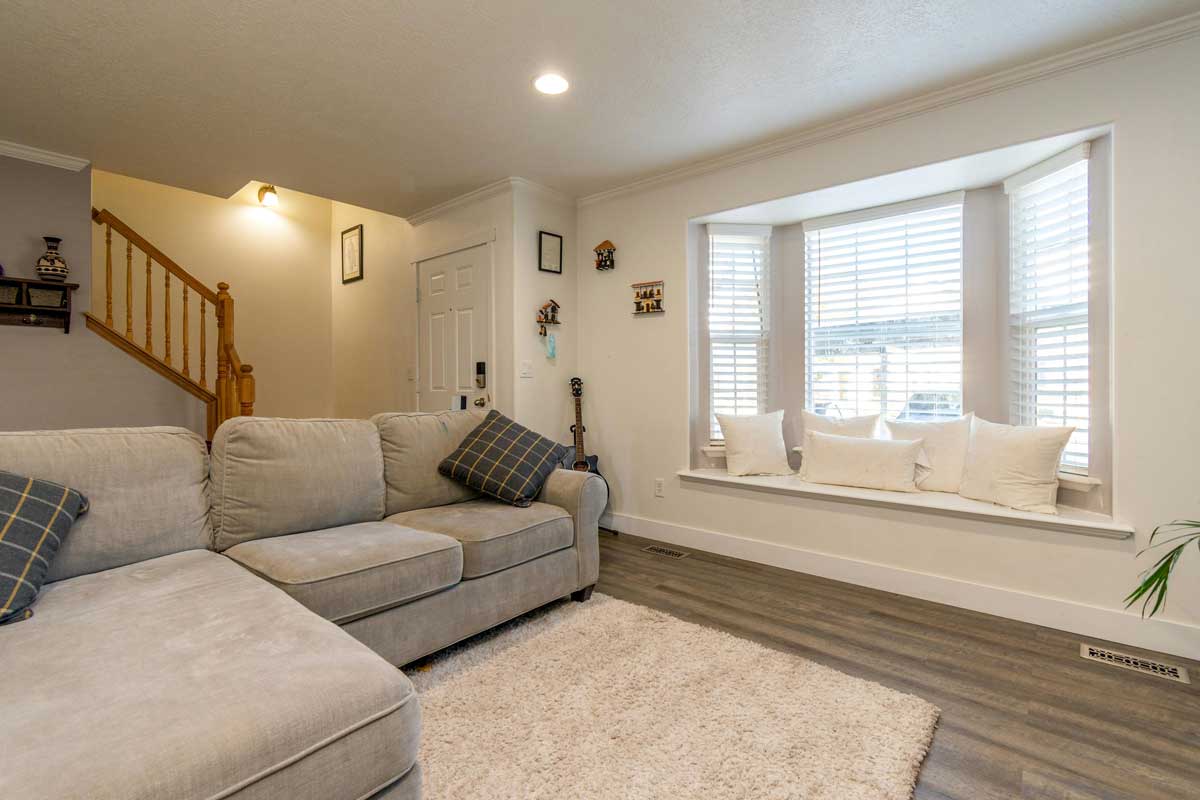
Bay windows feature angular projection with three openings: a large, fixed picture window in the center flanked by two smaller, operable windows (often casement or double-hung). Panels are set at angles of 30°, 45°, or 90°. This configuration creates a more pronounced, box-like alcove that extends distinctly from the wall plane. The angular geometry provides structural efficiency while maximizing interior volume within the projection.
The added space frequently accommodates seating nooks or window seats. Recommended dimensions for comfortable, built-in seating include depth of 16 to 20 inches (with 18 inches preferred) and seat height of 16 to 18 inches from the floor. Other applications include plant displays, decorative spaces, and designated areas for pets. The angular design creates natural boundaries for these functional zones, making them distinct from the main room area.
Bay windows require approximately 40 inches minimum wall space. They serve as focal points in living rooms, providing architectural interest to otherwise flat walls. The relatively modest width requirement allows installation in standard room layouts without extensive structural modifications. Their angular projection works well with rectangular room geometries common in residential construction.
Bow windows create continuous curves using multiple uniform panels. Their gentler projection offers different aesthetic and functional characteristics than bay windows.
Bow windows feature gentler, more continuous curves achieved by using four to six equally sized window panels. Panels are uniform in size and arranged to form subtle semicircles or arches. This configuration creates softer lines than bay windows' angular geometry. The multiple panels distribute the projection across a wider span, creating the curved appearance.
The softer, more gradual curve creates an elegant, continuous appearance often associated with Victorian architecture. The curved design eliminates sharp angles, creating smoother transitions between window planes. This geometry captures light across a broader arc than three-panel bay configurations. The wider glass surface area provides more extensive views of outdoor spaces from various interior vantage points.
Bow windows require approximately 80 inches minimum wall space—double bay window requirements. This wider span demands more substantial wall openings and structural support. They can sometimes wrap around corners of structures, creating turret-like effects. The wider installation footprint suits larger rooms where the extended projection enhances rather than overwhelms the space. Understanding these window options helps homeowners match style to available space.
Comparing these styles reveals distinct advantages for different applications. Selection depends on space constraints, aesthetic preferences, and functional priorities.
Bay windows create more pronounced, box-like alcoves with angular projection. The defined angles provide better support for built-in seating with clear boundaries and structural attachment points. The angular geometry creates natural corners that facilitate furniture placement and storage integration. Bay configurations offer more usable flat surfaces for shelving or seat construction.
Bow windows with 4-6 panels capture light from more directions than bay windows' 3 panels. The larger glass surface area and wider curve provide expansive vistas across broader arcs. While both styles improve natural lighting compared to flat windows, bow windows excel in maximizing light capture throughout the day. Their continuous curve eliminates shadow-casting angles that bay windows' corners create.
Bay windows offer dramatic, traditional, or contemporary appearance depending on angle selection. Their distinct projection creates bold architectural statements visible from exterior approaches. Bow windows provide elegant, continuous curves often associated with Victorian architecture. The style choice affects how the home presents to viewers—angular bay windows signal traditional or modern design depending on angle, while bow windows consistently convey classical elegance.
Increased glass area and wall penetration create thermal challenges. Proper specification and installation maintain comfort while maximizing light benefits.
Energy efficiency requires special consideration due to increased glass surface area. The window's protrusion from the home's thermal envelope affects overall building performance. More glass means greater potential for both heat loss during winter and heat gain during summer. The projection exposes window surfaces to weather from multiple directions, increasing thermal stress compared to flush-mounted windows.
U-factor measures window heat loss, with lower values indicating better insulation. The typical range spans 0.20 to 1.20, but energy-efficient windows should achieve U-factors between 0.20 and 0.30. Achieving optimal thermal performance requires Low-E glass coatings, argon or krypton gas fills, and triple-pane glass, especially in colder climates. These specifications maintain comfort without sacrificing the natural light benefits that justify projection window installation.
Window units require structural, weathertight laminated headboards and seat boards. Careful integration with home roofing and siding ensures watertight seals and proper drainage. Multiple penetration points—top, bottom, and sides—each require proper flashing and weatherproofing. The complexity exceeds flat window installation, making professional expertise critical for long-term performance. Our comprehensive services include proper projection window sealing and integration.
Projection windows impose structural, spatial, and installation requirements beyond standard window replacement. Pre-installation assessment prevents costly surprises.
Window units cannot support roof structures above them. Support must come from below using either external knee braces or cable-hung systems. For new installations, existing foundations must prove adequate. In some cases, foundations or shallower brick/block supports require extension beneath the window. The projection creates cantilever loads that existing wall framing may not accommodate without reinforcement. Professional structural assessment determines necessary modifications.
Since windows protrude, careful roofing integration becomes necessary. Installers often build small, dedicated roofs over the window. The rough opening must be precisely framed and the unit installed perfectly square. Existing overhangs may interfere with projection paths, requiring modification or limiting projection depth. The relationship between window height, roof pitch, and overhang projection determines feasible configurations. Similar structural considerations apply to other exterior improvements.
The added space serves as a focal point but affects furniture arrangement. Projection depth (12-36 inches) must be considered in room layout planning. Furniture that previously fit against the wall may no longer accommodate the extended window. The alcove creates both opportunities and constraints—seating arrangements must work around the projection while taking advantage of the new space. Advance planning ensures the window enhances rather than complicates room function.
Strategic planning addresses placement, sizing, and style coordination. Proper specifications ensure the window delivers expected benefits.
The multi-directional design captures light from multiple angles throughout the day. Placement should maximize natural light exposure based on room orientation. South-facing installations capture maximum daily sunlight in northern hemisphere locations. East or west placement provides dramatic morning or afternoon light but may create glare during peak sun hours. North-facing installations offer consistent, diffuse illumination without direct sun. Room function and existing light conditions determine optimal orientation.
Bay windows require approximately 40 inches minimum wall space while bow windows need approximately 80 inches. Projection typically ranges from 12 to 36 inches (1 to 3 feet). Larger rooms accommodate deeper projections without overwhelming the space. Modest projections (12-18 inches) suit standard-sized living rooms, while dramatic projections (24-36 inches) work best in spacious areas. The window should appear proportional to the room—too small and it becomes an insignificant detail, too large and it dominates excessively.
Frame material options include vinyl, wood, composite, and fiberglass. Vinyl offers the most cost-effective and low-maintenance option. Wood provides classic aesthetics but requires more maintenance and commands the highest price. Frame color, grid patterns, and trim details should coordinate with existing windows and architectural style. Consistency in these details maintains visual harmony while the projection creates architectural interest. Consider matching materials used in siding selections for unified exterior appearance.
Selection criteria depend on available space, aesthetic preferences, and functional priorities. Each style suits specific applications.
Bay windows work best when wall space is limited (minimum 40 inches). They excel when more defined seating or display areas are desired. The angular, dramatic projection suits traditional and contemporary architectural styles. Bay configurations provide better structural support for built-in furniture due to their defined corners. They represent more versatile solutions for standard residential room sizes.
Bow windows suit situations with wider wall space availability (minimum 80 inches). They excel when softer, elegant curves match home architecture. Choose bow windows when maximum light and expansive vistas are priorities. Their continuous curves work particularly well with Victorian, classical, or high-end contemporary designs. The wider span justifies the investment in larger rooms where the window becomes a primary architectural feature.
Mixing bay and bow windows works when they occupy different facades or distinct architectural zones. Maintain consistency on primary viewing elevations—typically the front facade. Rear or side elevations can incorporate different styles without compromising curb appeal. The key is ensuring each window suits its specific location rather than forcing uniformity. Style mixing succeeds when driven by functional requirements rather than appearing arbitrary.
Complementary features enhance projection window utility. Strategic additions maximize the investment.
Window seats serve as focal points and comfortable reading or display areas. Optimal seating nook dimensions include 16-20 inches depth (18 inches preferred) and 16-18 inches height from floor. The alcove naturally accommodates built-in storage below seating surfaces. Storage integration maximizes space efficiency while maintaining clean lines. Window seats transform projection windows from purely visual elements into functional room features that justify their cost through daily use.
Projection windows require specialized window treatments due to their geometry. Individual panels need separate coverings that accommodate angles or curves. Options include custom cellular shades that compress into small spaces, plantation shutters mounted to each panel individually, or drapery systems that hang beyond the projection. Motorized solutions simplify operation when manual access proves difficult. Treatment selection should maintain the window's architectural presence rather than concealing it completely.
The most common bay window configuration features a fixed center panel with two operable flanking windows (casement or double-hung). Casement windows offer best ventilation, cranking open wide to act like funnels that catch side breezes and direct them into rooms, facilitating excellent cross-ventilation. Double-hung windows provide good ventilation and traditional appearance, allowing air entry through bottom sashes and exit through top sashes. Some bow windows and custom bay windows feature all operable panels for maximum airflow. Strategic configuration creates effective natural ventilation during moderate weather.
Multiple factors influence final project costs. Understanding these variables helps establish realistic budgets.
Cost is heavily influenced by size, frame material, glass type, and installation complexity. Vinyl represents the most cost-effective option while wood commands the highest prices. Glass specifications—Low-E coatings, gas fills, triple-pane construction—significantly affect material costs. Operable versus fixed panels, custom sizing, and finishing details create substantial price variations within each window type. Frame material selection often impacts total cost more than the choice between bay and bow configurations.
Small bay windows (vinyl, 3-lite) cost $900 to $2,500 for materials with low-medium installation complexity. Large bay windows (wood, 3-lite) run $2,500 to $6,000 with medium complexity. Small bow windows (vinyl, 4-lite) range from $1,500 to $3,500 with medium-high complexity. Large bow windows (wood, 6-lite) cost $4,000 to $10,000 with high complexity. Labor adds $300 to $1,000 per window. New installation in walls without existing windows can reach $3,000 to $10,000 or more. Bow windows generally exceed bay window costs due to complex curved design and higher panel counts. Structural modifications for support systems, roofing integration, and foundation work create the largest budget variables. Like roof replacements, timing and preparation significantly impact final costs.
Even small bay windows (vinyl, 3-lite) at lower price ranges provide 6-18 square feet gains. General window replacement projects typically yield ROI between 68% and 80% of project cost upon resale. The architectural appeal and enhanced interior space significantly boost home curb appeal and perceived value. Modest configurations can deliver substantial benefits without premium pricing. The key is matching window scope to room scale—appropriate sizing matters more than elaborate specifications for achieving the desired spatial transformation.
Systematic evaluation prevents common mistakes. Following structured steps ensures successful outcomes.
Check minimum wall space requirements: bay windows need 40 inches, bow windows need 80 inches. Assess foundation adequacy and potential need for extension. Verify roof structure and integration requirements. Measure projection depth against furniture placement plans to ensure functional layouts remain viable. Document existing conditions through photos and measurements. This assessment reveals whether the project is straightforward or requires extensive modifications.
Confirm structural support method—external knee braces versus cable-hung systems. Discuss roofing integration and weatherproofing approaches. Review glass package specifications including U-factor, Low-E coatings, and gas fills. Clarify framing precision requirements for proper installation. Ask about timeline, permitting requirements, and warranty coverage. Understanding these details prevents mismatched expectations and ensures all parties agree on scope and specifications before work begins.
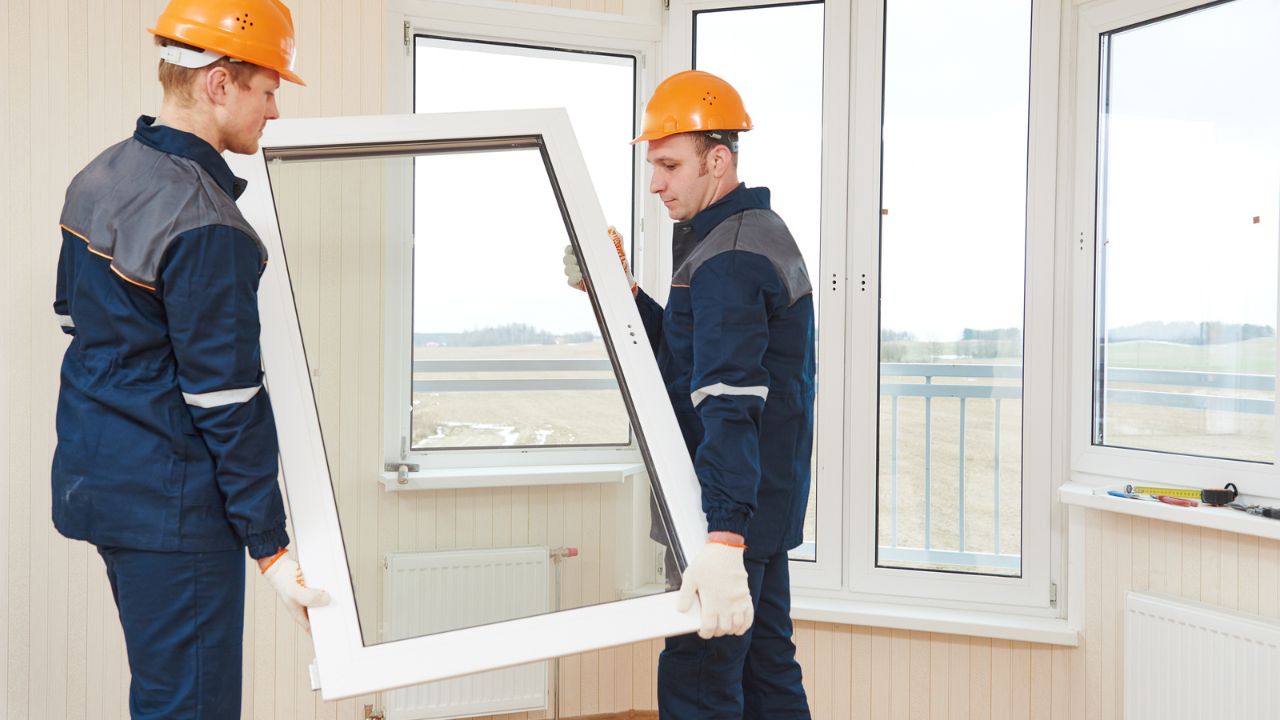
Installation proves more complex than standard flat windows due to size and structural support requirements. The rough opening must be precisely framed and the unit installed perfectly square. Proper installation ensures watertight seals and structural integrity. High-quality materials and proper installation prove essential for energy efficiency and longevity. Poor installation negates the benefits of premium windows while creating maintenance problems and weather infiltration. The investment in professional installation protects the substantial material investment and ensures decades of reliable performance.
Alexandria Home Solutions specializes in bay and bow window design and installation throughout the region. Our team understands structural requirements, energy specifications, and architectural integration necessary for successful projection window installations. We provide professional assessment, expert product selection, and quality craftsmanship ensuring your window delivers the promised space, light, and beauty.
Stop accepting limited natural light and cramped room layouts. Contact Alexandria Home Solutions today to schedule your free consultation. We'll evaluate your living room, explain the differences between bay and bow windows, and design a solution that transforms your space with measurable improvements in light, square footage, and architectural appeal.