Replacement windows represent one of the most impactful home improvements in Michigan investments for energy efficiency, comfort, and long-term value. Michigan homeowners face severe winter temperatures, increasing storm activity, and an aging housing stock that demands strategic window selection. This replacement windows guide explains material options, performance ratings, pricing structures, and decision frameworks tailored to Michigan's climate and market conditions.
Choosing the right windows requires balancing energy savings, durability, aesthetics, and upfront costs. Understanding Michigan window styles, efficiency standards, and regional demand patterns helps homeowners make informed decisions that deliver measurable utility-bill reductions and enhanced comfort. With 84% of recent buyers prioritizing energy efficiency and 83% rating ENERGY STAR windows essential, performance has become the primary purchase driver.
Vinyl replacement windows command 44.2% of the replacement-material market share due to low maintenance, PVC frame construction, and insulated cavities. Fiberglass replacement windows hold 15.7% market share and provide superior dimensional stability during freeze-thaw cycles common in Michigan. Wood replacement windows account for 15.0% share, while clad wood versions represent 10.7%, delivering natural aesthetics and customization for historic or upscale homes.
Vinyl frames use extruded PVC with multi-chamber insulation, requiring minimal maintenance and resisting warping in temperature extremes. Fiberglass frames expand and contract at rates similar to glass, reducing seal stress and improving long-term performance. Wood and clad wood options combine interior beauty with optional exterior cladding, offering broader finish flexibility but requiring more maintenance unless protected.
Impact-resistant windows feature laminated glass, reinforced frames, and upgraded locking mechanisms tested through pressure-cycle protocols. Storm windows function as secondary glazing layers installed over existing windows, providing air-sealing support without full frame replacement. They offer lower upfront costs while improving thermal performance in homes with structurally sound base windows.
Impact-resistant products undergo testing that simulates wind-driven debris impact and prolonged pressure differentials during severe weather. Storm windows create an insulating air pocket between the existing window and the additional pane, reducing heat transfer. Impact-resistant assemblies serve security-focused buyers while storm windows support budget-conscious retrofits.
Vinyl replacement windows typically cost $800-$1,600 installed, while fiberglass and wood options range from $1,100-$2,200 or higher, depending on customization. Impact-resistant windows span $700-$2,875 with average costs near $1,800, representing a 25%-35% premium. Basic efficient replacements start around $400 per window, while premium products exceed $1,600, creating distinct budget tiers of $400-$900, mid-range $800-$1,600, and upper mid-range $1,100-$2,200.
Budget-tier options suit cost-sensitive owners pursuing foundational efficiency improvements. Mid-range vinyl products align with most suburban replacement projects, prioritizing return on investment. Upper mid-range fiberglass and wood selections appeal to homeowners emphasizing durability against Michigan weather or seeking architectural aesthetics that enhance property value.
Energy efficiency ranks as the top priority for 84% of recent and planned window buyers. ENERGY STAR windows receive essential or desirable ratings from 83% of home buyers, while triple-pane glass earns support from 77% and low-e glass from 67%. These preferences reflect awareness that windows account for 25%-30% of residential heating and cooling energy use, making performance ratings critical selection criteria.
ENERGY STAR certification provides baseline performance guarantees, while NFRC labels deliver specific U-factor, air leakage, and condensation resistance metrics. Low U-factor values indicate better insulating performance, essential for Michigan's cold winters. Air leakage ratings measure infiltration resistance, directly affecting drafts and comfort, while condensation resistance scores predict interior moisture formation.
U-factor measures heat transfer rate through window assemblies, with lower values indicating superior insulation in cold climates. Air leakage ratings quantify infiltration around frames and sashes, with lower scores reducing drafts and energy waste. Condensation resistance ratings predict a window's ability to prevent interior moisture accumulation, critical for maintaining comfort and preventing mold during winter.
Michigan homeowners should prioritize a U-factor below 0.30 for optimal heating-season performance and air leakage ratings below 0.3 cubic feet per minute. Condensation resistance scores above 50 help prevent moisture formation during temperature extremes. These combined metrics determine real-world comfort, utility bills, and long-term durability more accurately than single-attribute comparisons.
Windows are responsible for 25%-30% of residential heating and cooling energy use. ENERGY STAR-certified replacement windows reduce utility bills by an average of 13%, while ENERGY STAR home-upgrade guidance cites average reductions of 12%. These savings compound over decades, offsetting higher upfront costs through reduced monthly expenses.
Energy-efficient windows minimize heat loss during Michigan winters and reduce solar heat gain during summer. Better thermal performance eliminates cold drafts near windows, reduces temperature variations between rooms, and decreases furnace and air conditioner runtime. These comfort improvements prove especially valuable in older Michigan homes with single-pane windows or failing seals.
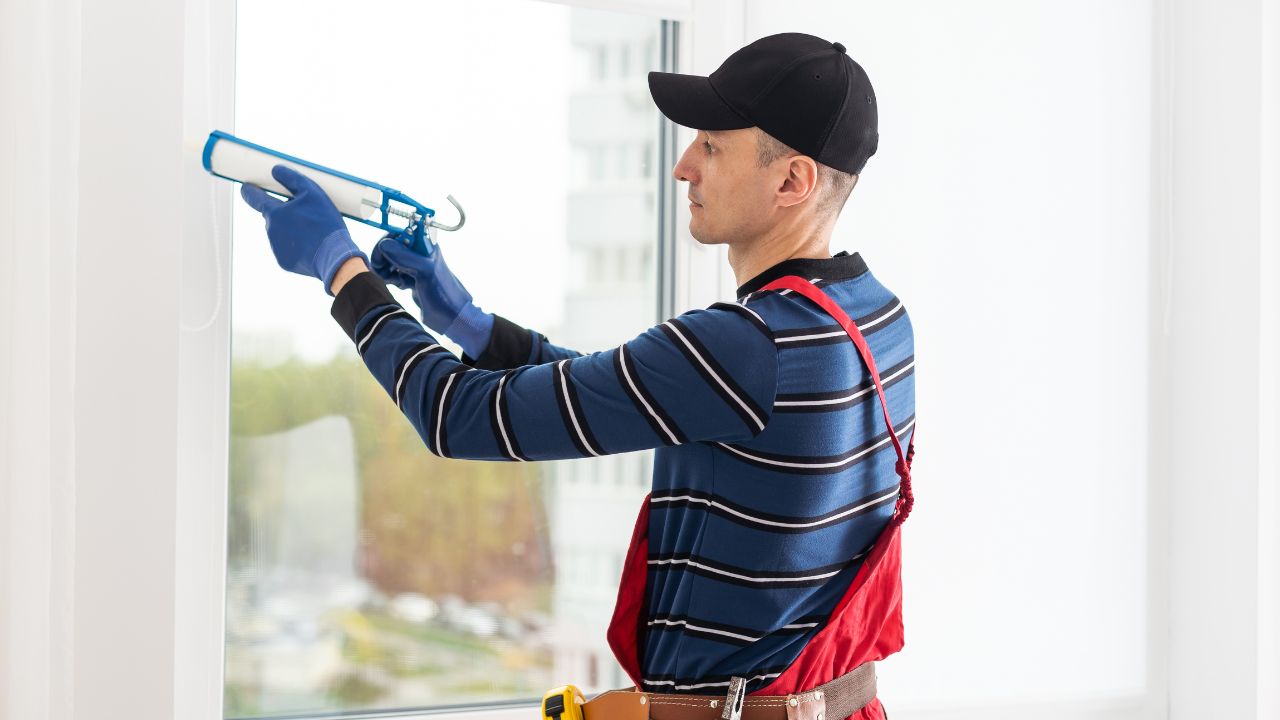
Caulking, weatherstripping, and air sealing represent lower-cost measures that improve existing window performance without full replacement. These interventions address infiltration around frames and sashes when base windows remain structurally sound. Window coverings add insulating value, while storm windows create secondary glazing layers at costs below full replacement.
Targeted repairs prove most effective when existing frames show no rot or structural damage and glass units maintain intact seals. Weatherstripping blocks air movement, while fresh caulking seals gaps between frames and wall openings. Storm window installation preserves historic window aesthetics while delivering measurable thermal improvements, making them ideal for renovation projects with budget constraints.
Energy efficiency triggers 36% of replacement decisions, while damage motivates 29%, and moisture mitigation accounts for 12% of projects. Moisture between panes indicates insulating-glass seal failure, requiring glass unit or full window replacement, depending on frame condition. Visible frame rot, persistent drafts despite repairs, difficult operation, and condensation issues all signal replacement necessity.
Homeowners should consider full replacement when multiple windows exhibit performance problems or when existing units lack modern efficiency features. Seal failure allows moisture and air infiltration that defeats insulating gas fills and creates permanent cloudiness between panes. Warped frames prevent proper sash operation and create air gaps that no weatherstripping can seal.
March emerges as the most common month for homeowners to first consider replacement projects, aligning with late-winter discomfort and early spring planning cycles. Michigan's severe winters make performance problems highly visible through drafts, condensation, and elevated heating bills from December through February. Planned repair and replacement projects account for 44% of window work.
Cold-climate conditions accelerate seal degradation through repeated freeze-thaw cycles that stress glass units and frame materials. Spring and summer installation windows allow completion before the next heating season, maximizing first-year savings. Michigan's recent increase to 4.4 annual billion-dollar disaster events from a historical average of 1.3 adds urgency to resilience upgrades, particularly after severe storms expose window vulnerabilities.
Millennials demonstrate the highest home-improvement spending levels and show the strongest intent to increase investment. Gen X homeowners spend approximately 12.6% below Millennials but maintain high replacement activity with greater budget discipline. Boomers represent a large ownership segment due to Michigan's aging population, though spending growth lags younger cohorts who prioritize premium features.
Millennials drive the adoption of advanced features like triple-pane glass and impact-resistant assemblies, viewing windows as long-term investments. Gen X buyers balance performance requirements with cost considerations, making mid-range vinyl and fiberglass options particularly appealing. Boomer households often pursue replacement when existing windows fail rather than proactively upgrading.
Michigan's 3.2 million single-family homes represent 72% of the housing stock, indicating strong suburban and small-city demand patterns. Owner-occupied single-family homes dominate the replacement market, as these properties allow major improvement decisions and capture long-term value from efficiency upgrades. Suburban geographies represent the largest replacement opportunity, while urban demand concentrates in owner-occupied units, and rural areas emphasize durability and whole-home maintenance reduction.
Suburban homeowners prioritize curb appeal, energy savings, and property value enhancement. Urban buyers face tighter installation access and greater historic preservation requirements that favor storm windows or custom-fit replacements. Rural properties experience more severe weather exposure and longer emergency-response times, making durability and impact resistance increasingly relevant for year-round performance.
Planned repair and replacement projects account for 44% of window work, followed by remodeling at 18%, planned additions at 16%, and emergency repairs at 14%. Late winter and early spring dominate initial planning phases, with March marking the peak consideration month as homeowners assess winter performance failures. Installation activity concentrates in spring and summer when the weather permits exterior work, and completion occurs before the next heating season.
Michigan's severe-storm pattern creates secondary demand spikes following major weather events throughout spring, summer, and fall. Storm damage often reveals pre-existing performance problems, accelerating replacement decisions beyond routine maintenance schedules.
Impact-resistant windows occupy a smaller niche in Michigan compared to hurricane-prone regions, with scenario estimates ranging from $26 million to $43 million in 2025 statewide sales. Michigan's 60 billion-dollar weather and climate disasters from 1980-2024 include 41 severe storms, with recent five-year averages reaching 4.4 events annually versus 1.3 over the full historical period. These rising storm frequencies support growing impact-resistant adoption among security-focused households and properties in high-exposure areas.
Impact-resistant assemblies combine laminated glass, reinforced frames, and upgraded locking systems tested through pressure-cycle protocols. While Michigan lacks hurricane-force winds, hail, tornadoes, and severe thunderstorms create debris hazards that impact-resistant products effectively mitigate. Homeowners in tornado-prone corridors or areas with frequent severe storms gain the greatest value from these premium assemblies.
Michigan experiences 60 billion-dollar weather and climate disasters spanning 1980-2024, with 41 severe storms dominating the disaster record. The recent five-year average of 4.4 annual disaster events significantly exceeds the 1.3 average over the full period, indicating accelerating weather volatility. Severe thunderstorms bring damaging winds, large hail, and tornado touchdowns that can breach standard windows, while winter storms create ice loading and thermal stress.
Window selections should account for local exposure to wind-driven debris, hail frequency, and tornado risk zones. Properties near wooded areas face greater projectile hazards during severe weather, while open suburban lots experience stronger sustained winds. Enhanced frame reinforcement, laminated glass, and improved attachment systems provide measurable risk reduction during Michigan's increasingly severe storm seasons.
Durability and long-lasting performance rank as the highest priority for 69% of homeowners, exceeding aesthetic appearance at 57%, price at 49%, and utility-cost savings at 41%. This emphasis reflects recognition that window service life spans decades, making material stability and maintenance requirements critical to the total cost of ownership. Vinyl and fiberglass require minimal maintenance, while wood and clad wood demand periodic refinishing.
Frame material selection should align with ownership horizon and maintenance tolerance. Fiberglass delivers superior dimensional stability during Michigan's freeze-thaw cycles, reducing seal stress and extending service life. Vinyl offers excellent moisture resistance and color stability without painting requirements. Wood provides unmatched aesthetics but requires protective maintenance, making clad wood an effective compromise that preserves interior beauty while reducing exterior upkeep.
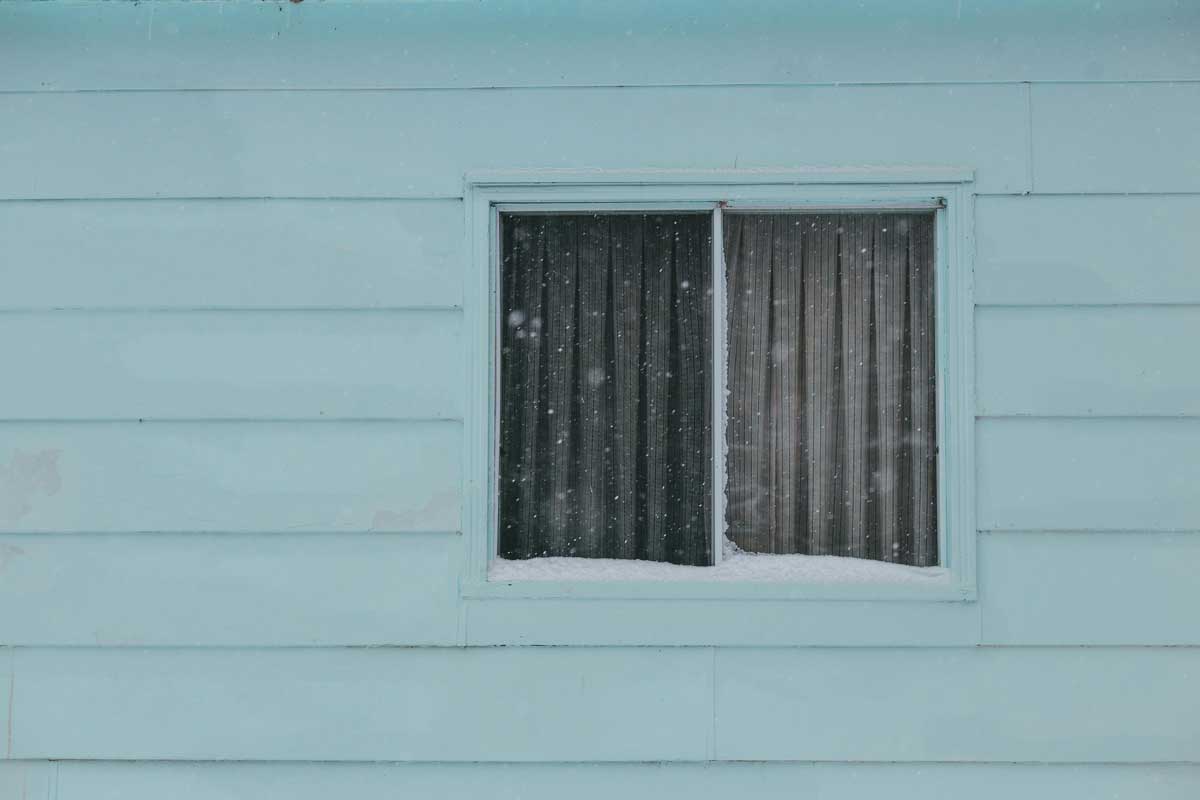
Condensation forms when moist indoor air meets colder glass or framing surfaces, creating visible water droplets on interior window components. This moisture accumulation occurs most frequently during winter when temperature differentials between heated indoor air and cold exterior surfaces reach their maximum. Condensation can appear on glass surfaces, frames, sashes, or adjacent wall areas depending on surface temperatures, indoor humidity levels, and air circulation patterns.
Interior condensation typically indicates excessive indoor humidity rather than window failure when moisture appears on accessible glass surfaces. Normal household activities, including cooking, showering, and respiration, generate moisture that must be managed through ventilation or dehumidification. Poor air circulation around windows creates localized cold spots where moisture preferentially condenses.
Moisture appearing between glass panes indicates insulating-glass seal failure requiring glass unit or full window replacement. Intact insulating glass units maintain hermetic seals that exclude moisture and preserve insulating gas fills between panes. Seal failure allows humid air infiltration that creates permanent cloudiness, water droplets, or frost formation in spaces inaccessible for cleaning.
Failed seals compromise thermal performance by eliminating gas insulation and introducing moisture that conducts heat. Replacement options include glass unit replacement in frames that remain structurally sound or full window replacement when frames show deterioration. Most modern windows use sealed insulating glass units that cannot be disassembled and resealed, making replacement the only effective remedy.
Better windows with improved U-factors and condensation resistance ratings reduce surface temperatures where moisture accumulates. Enhanced indoor humidity control through exhaust fans, dehumidifiers, and seasonal ventilation maintains moisture levels below condensation thresholds. Improved air circulation from ceiling fans, HVAC systems, or heat recovery ventilation prevents stagnant cold zones.
Heat recovery ventilation systems exchange indoor air while capturing thermal energy, maintaining fresh air without excessive heat loss. Properly sized exhaust fans in bathrooms and kitchens remove moisture at its source before dispersion. Window spacing and furniture placement should allow air movement across glass surfaces to prevent cold-spot formation during Michigan winters.
Michigan's total windows market reaches approximately $0.42 billion in 2024 and $0.43 billion in 2025, with projections toward $0.51 billion by 2030, representing 3.6% compound annual growth. Energy-efficient windows comprise a stronger growth segment at $0.24 billion in 2024, $0.26 billion in 2025, and $0.39 billion by 2030 with 8.5% annual growth. Michigan represents a mature, replacement-led windows market, with demand driven by existing housing stock maintenance and code refresh cycles.
The energy-efficient segment shows materially stronger growth than the broader market, reflecting policy support, utility-cost pressures, and buyer preferences. Replacement and remodeling demand fell 8% in 2023 and 5% in 2024 before returning to 2% growth in 2025, while new-housing window demand grew 10% in 2023, 4% in 2024, and 2% in 2025.
Federal tax credits provide 30% of qualifying window product costs up to $600 for purchases and installations between January 1, 2023, and December 31, 2025. Michigan lists the 2021 Michigan Building Code, effective April 9, 2025, and the 2021 Michigan Commercial Energy Code, effective April 22, 2025, as current regulatory frameworks. These updated codes strengthen minimum performance specifications, supporting higher-efficiency product adoption.
The federal tax credit applies to ENERGY STAR-certified windows meeting specified climate-zone performance criteria, making certification verification essential during product selection. Michigan's code updates align state requirements with national energy standards, gradually eliminating the lowest-performing products from compliant installations.
Remodeling and replacement window demand fell 8% in 2023 and was expected to fall 5% in 2024 before returning to 2% growth in 2025. New-housing window demand grew 10% in 2023, 4% in 2024, and 2% in 2025. Michigan's mature housing stock and modest permit volume of 21,750 units in 2024 indicate replacement work dominates as the primary demand driver.
Cyclical demand weakness during 2023-2024 reflects interest-rate sensitivity and postponed discretionary improvements. The 2025 recovery window aligns with federal tax credit availability and improved financing conditions. Homeowners considering replacement projects benefit from competitive contractor availability during recovery phases.
Successful window selection requires evaluating whether existing units need full replacement, targeted retrofit, or resilience upgrades based on current performance and priorities. Air sealing, weatherstripping, and storm windows can improve sound base windows at lower costs, while material deterioration, seal failure, severe drafts, or condensation issues justify complete unit replacement. ENERGY STAR certification and NFRC ratings provide performance comparability, with low U-factor and air leakage values critical for Michigan's climate.
Frame material choice should align with ownership horizon, maintenance tolerance, and budget. Vinyl delivers the best affordability-to-efficiency ratio for ROI-focused buyers, fiberglass provides superior durability in freeze-thaw environments, and wood or clad wood serves aesthetic priorities. Impact-resistant options suit storm-exposed properties and security-conscious households, while installation quality remains non-negotiable regardless of product tier for optimal performance outcomes.
Michigan homeowners benefit from strong market fundamentals, including federal tax credits through 2025, updated energy codes supporting higher-performance standards, and growing efficiency-segment growth exceeding broader market rates. The best replacement timing balances current incentive availability, contractor availability during market recovery, and addresses measurable performance problems before the next heating season. With windows accounting for 25%-30% of residential energy use and ENERGY STAR replacements reducing bills by 12-13% on average, strategic window sizing tips and material selection deliver both immediate comfort improvements and long-term value. Alexandria Home Solutions offers licensed, insured professionals with comprehensive warranties and transparent pricing to guide Michigan homeowners through every step of the replacement process.
Choosing the right replacement windows shouldn't feel overwhelming. Our licensed, insured team walks Michigan homeowners through every option — from energy-efficient vinyl to premium fiberglass — with transparent pricing, flexible financing, and comprehensive warranties on materials and labor. No pressure, no surprises, just honest guidance backed by years of local experience across Southfield, Birmingham, Novi, Bloomfield Township, Rochester Hills, and surrounding communities. Contact us to request your free estimate today to see which windows deliver the best performance and value for your home.