Key Takeaways:
Window condensation during Michigan winters signals problems that extend beyond aesthetics. Understanding causes and implementing prevention strategies protects homes from moisture damage while reducing energy waste. Southfield's extreme cold creates ideal conditions for condensation, making proactive management essential for maintaining comfort and preventing costly structural damage.
Michigan's severe winter conditions create persistent condensation challenges. Temperature extremes and indoor humidity combine to cause moisture problems that affect energy efficiency and structural integrity.
Southfield experiences average January lows between 18°F and 22°F. Condensation forms when warm, moist air contacts surfaces at or below the dew point temperature. Window glass becomes the coldest surface in most homes, making it the primary condensation location. The extreme temperature differential between heated interiors and freezing exteriors causes continuous moisture accumulation on inadequately insulated windows.
Daily activities including cooking, showering, and breathing release moisture into indoor air. Without proper ventilation, this moisture becomes trapped inside homes. Large temperature differentials between warm indoor air and cold outdoor air make window surfaces extremely cold. The combination of elevated indoor humidity and cold surfaces creates ideal conditions for persistent condensation problems.
Thermal bridging occurs when building envelope components like window frames are less insulated than surrounding areas. This creates cold spots where condensation readily forms. Thermal bridging accounts for 15% to 30% of total home heat loss. The continuous heat loss through these thermal bridges forces heating systems to work harder, increasing energy consumption while failing to eliminate the cold surfaces that cause condensation.
Multiple factors contribute to window condensation. Understanding these causes helps homeowners address root problems rather than symptoms.
The significant temperature difference between warm indoor air and cold outdoor air makes window surfaces—especially on older, less efficient windows—extremely cold. When warm, humid interior air contacts these cold surfaces, water vapor condenses instantly. The greater the temperature differential, the more condensation occurs. Michigan's severe winters create extreme differentials that overwhelm inadequate windows.
Poor ventilation prevents removal of moist air and introduction of drier outside air. Lack of air circulation allows humidity to accumulate to problematic levels. Thermal bridging through poorly insulated window components creates localized cold spots where condensation concentrates. These cold spots often appear at window edges, corners, and frames where insulation proves weakest. Air leaks around window perimeters introduce additional cold surfaces while allowing warm interior air to contact them.
Older, less efficient windows have very cold interior surface temperatures that remain below dew point for extended periods. Single-pane windows and early double-pane units without modern coatings or gas fills cannot maintain adequate interior surface temperatures. The window surface temperature relative to dew point determines condensation risk—older technology simply cannot keep interior surfaces warm enough in extreme cold.
Condensation indicates underlying energy waste. The same conditions that cause condensation create measurable efficiency losses.
Windows represent a primary source of home energy loss. Inefficient windows account for 25% to 30% of total heating and cooling energy loss. The cold surfaces that promote condensation indicate poor insulation and heat transfer. Heat continuously flows from warm interiors through cold windows to frigid exteriors. This constant heat loss forces heating systems to run continuously, dramatically increasing fuel consumption.
Condensation between panes indicates failed IGU (Insulated Glass Unit) seals. Failed seals allow moisture entry, compromising the window's insulating properties completely. The gas fills that provide insulation escape through failed seals, replaced by air or moisture that conducts heat readily. Once moisture enters between panes, the window's thermal performance degrades to levels approaching single-pane glass, eliminating any efficiency advantage the multi-pane design originally provided.
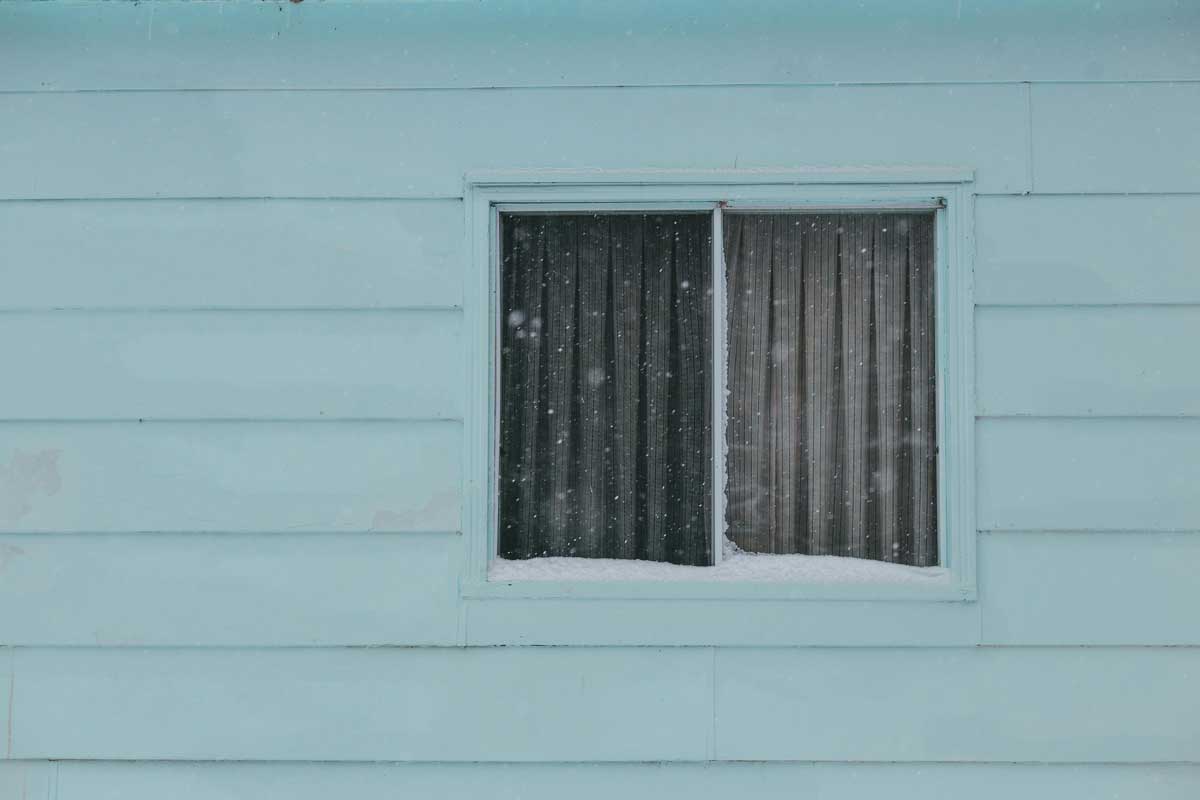
Ice or frost buildup on interior surfaces occurs when warm, moist indoor air contacts cold window glass. This visible symptom indicates poor thermal performance that directly increases heating costs. The same heat loss that creates cold surfaces sufficient for ice formation represents wasted energy. Homeowners experiencing persistent interior ice or frost face significantly elevated heating bills from the continuous heat loss causing these conditions.
Recognizing condensation types helps identify appropriate solutions. Different condensation patterns indicate specific problems requiring targeted responses.
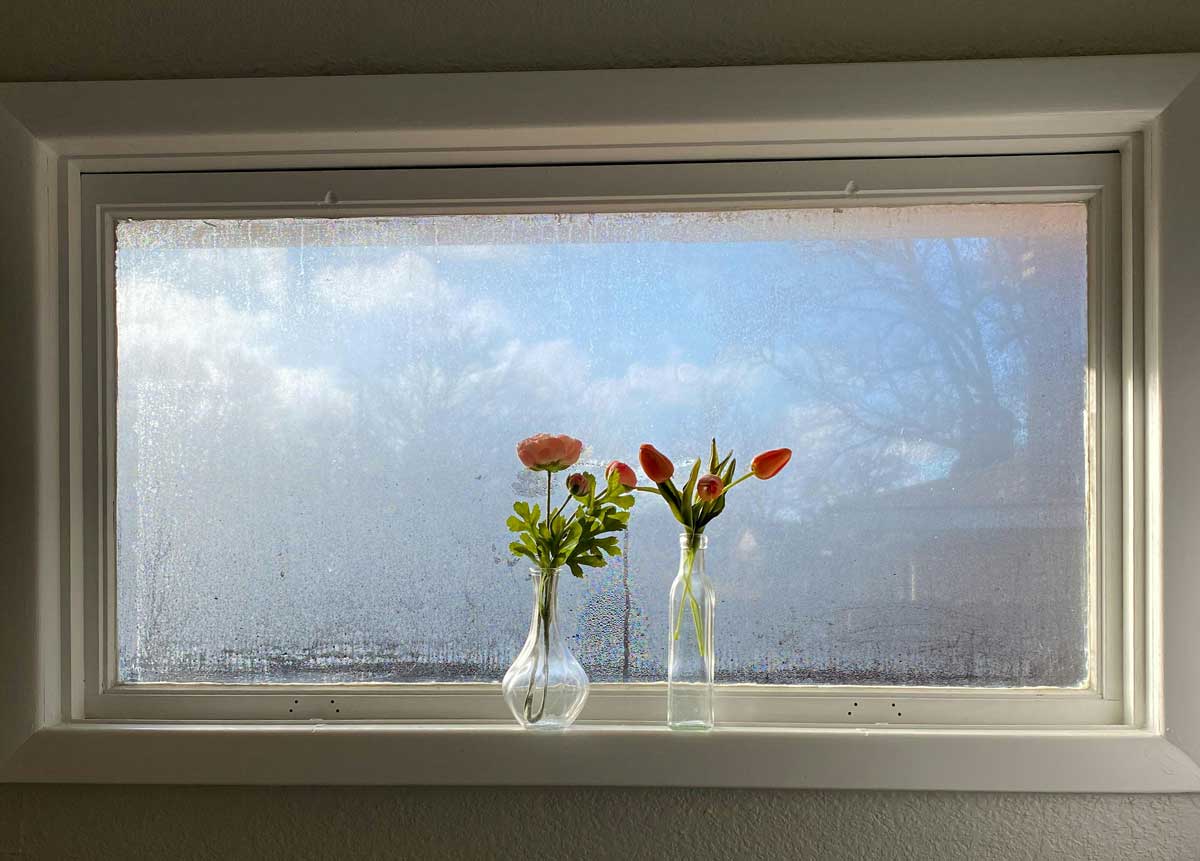
Interior surface condensation represents the most common type. This usually signals high indoor humidity levels. Visible moisture, fogging, or water droplets on interior glass surfaces confirm condensation problems. Interior surface condensation typically responds to moisture source reduction and improved ventilation. Unlike condensation between panes, surface condensation doesn't necessarily indicate window failure—it often reflects humidity management problems.
Excessive condensation causes paint damage—moisture makes paint peel, bubble, and blister around window frames. Streaks and water spots indicate moisture has been present long enough to leave deposits. Persistent moisture can seep into walls surrounding windows, causing damage to plaster and drywall. These visible signs reveal that condensation has progressed beyond temporary surface moisture to sustained problems affecting building materials.
Condensation between panes indicates failed IGU seals requiring professional repair or replacement. This moisture becomes trapped permanently, creating persistent fogging that doesn't clear. Exterior condensation appears temporarily, usually on humid mornings after cool nights. Exterior condensation actually indicates good window insulation—the exterior pane isn't being warmed by escaping interior heat. Understanding this distinction prevents unnecessary concern about temporary exterior moisture while highlighting serious interior seal failures.
Prevention strategies address condensation's root causes. Implementing multiple approaches delivers better results than any single measure.
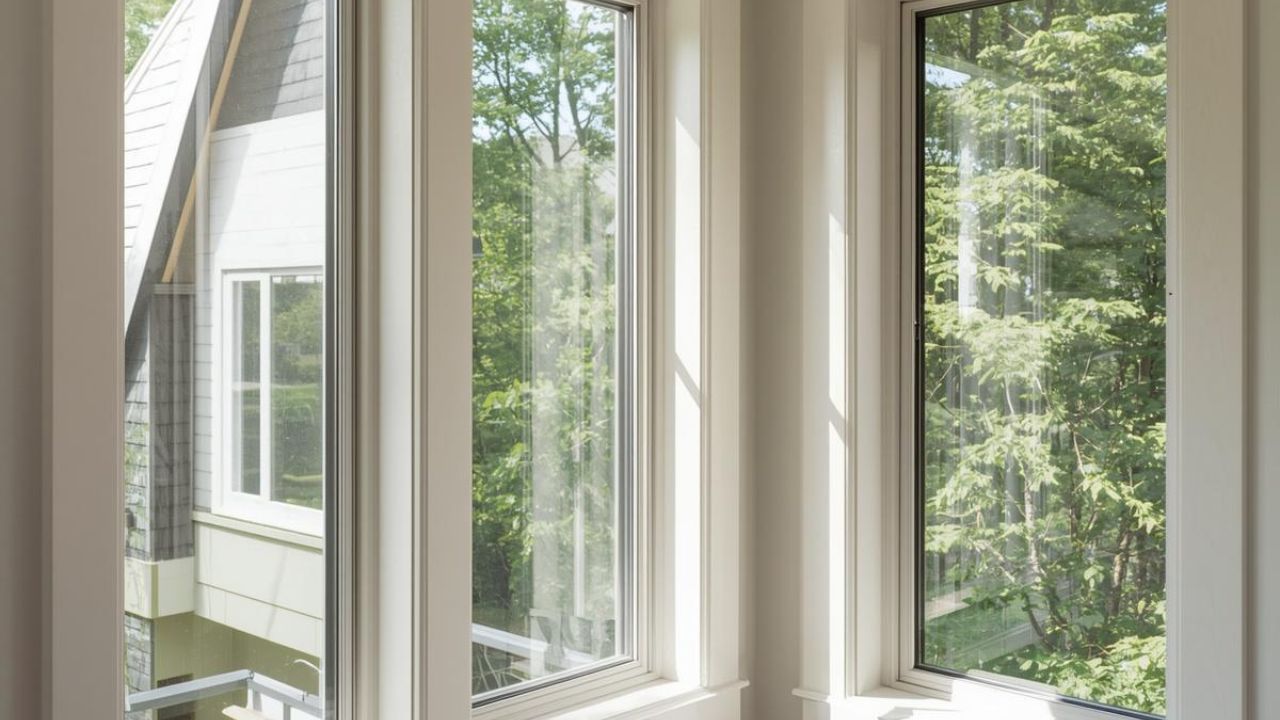
High-performance windows prove essential for preventing condensation in cold climates. Proper insulation keeps interior window surfaces above dew point temperature, eliminating the cold surfaces where condensation forms. Modern windows achieve this through multiple technologies working together—Low-E coatings, gas fills, and warm-edge spacers all contribute to maintaining warmer interior surface temperatures. Quality windows represent the foundation of effective condensation prevention.
In cold climates, ideal indoor relative humidity (RH) ranges between 30% and 40%. However, as outdoor temperature drops, recommended indoor RH must decrease to prevent condensation. At 0°F outdoor temperature, indoor RH should not exceed 20% to avoid condensation on surfaces at 45°F. Specific guidelines: outdoor temperature 20-40°F requires indoor RH not over 40%; 10-20°F requires not over 35%; 0-10°F requires not over 30%; -10-0°F requires not over 25%; -20 to -10°F requires not over 20%; -20°F or below requires not over 15%. Following these guidelines prevents condensation regardless of window quality.
Proper sealing prevents cold air infiltration that creates cold surfaces prone to condensation. Air leaks around window perimeters introduce frigid outdoor air that chills window components. This reduces temperature differential across window assemblies, keeping interior surfaces warmer. Effective sealing also prevents warm, moist indoor air from contacting cold surfaces in wall cavities where hidden condensation can cause structural damage. Regular maintenance ensures seals remain effective.
Modern window technology eliminates most condensation problems. Understanding performance features helps homeowners make informed replacement decisions.
The space between IGU panes is filled with inert gases like argon or krypton, which insulate better than air. These gas fills significantly reduce heat transfer through the window assembly. By limiting heat loss, gas fills keep interior glass surfaces warmer. Warmer interior surfaces remain above dew point temperature even when outdoor temperatures plunge. This fundamental improvement in thermal performance eliminates the cold surfaces where condensation forms.
Low-E coatings are microscopic, metallic layers applied to glass surfaces. These coatings reflect heat back into homes during winter and back outside during summer. The heat reflection keeps interior glass surfaces warmer by reducing heat loss through radiation. By maintaining warmer interior glass surface temperatures, Low-E coatings prevent those surfaces from dropping below dew point. This technology proves particularly effective in extreme climates where temperature differentials create severe condensation risks.
For Northern climate zones including Southfield, U-factors of 0.27 or lower are recommended. U-factor measures heat loss prevention—lower values indicate better insulation. Replacing old windows with ENERGY STAR certified models delivers $180 to $450 in annual heating cost reductions for typical Michigan homes. When condensation problems persist despite humidity control and ventilation improvements, window replacement often proves more cost-effective than repeated repairs or continued energy waste.
Ventilation removes moisture-laden air before it condenses. Strategic ventilation targets moisture sources while maintaining comfort.
Air circulation prevents moisture concentration near cold surfaces. Use ceiling fans to maintain air movement throughout rooms. Ensure furniture and curtains don't block airflow to windows—obstructions create stagnant air pockets where humidity accumulates. Moving air also prevents the boundary layer of cold air that forms adjacent to cold windows. Breaking up this boundary layer reduces the likelihood of warm, moist air contacting cold glass surfaces where condensation occurs.
Exhaust fans in kitchens and bathrooms remove moist air at its source. This prevents moisture from spreading throughout homes where it can condense on windows. Consider whole-house ventilation systems for more effective air exchange in tightly sealed modern homes. Dehumidifiers help maintain ideal indoor humidity levels when other measures prove insufficient. By mechanically removing moisture from air, dehumidifiers reduce the total moisture available for condensation regardless of surface temperatures.
Daily activities like cooking and showering release substantial moisture into indoor air. Exhaust fans in these specific rooms target moisture at its source, preventing it from spreading throughout homes. This localized moisture removal proves far more effective than trying to manage humidity after it disperses. Immediate ventilation during and after moisture-generating activities prevents humidity spikes that overwhelm window surfaces with condensation.
Proper sealing addresses air leakage that contributes to condensation. Comprehensive sealing improves both energy efficiency and moisture control.
Failed IGU seals allow moisture between panes. Condensation between panes provides clear indication of seal failure requiring professional attention. Visual inspection reveals gaps around window perimeters where daylight shows through. Feel for drafts on windy days—moving air indicates seal failure. Once identified, failed IGU seals cannot be effectively repaired—replacement becomes necessary to restore thermal performance and eliminate between-pane condensation.
Proper sealing prevents cold spots where condensation forms. Weatherstripping degrades over time, hardening and shrinking to create gaps. These gaps allow cold air infiltration that chills window surfaces and frames. Fresh weatherstripping restores the continuous seal necessary to maintain warmer interior surface temperatures. Reducing temperature differential across window surfaces eliminates the conditions that cause condensation formation. Quality weatherstripping pays for itself through reduced heating costs and eliminated moisture problems.
Warm-edge spacers separate IGU glass panes using materials less conductive than traditional metal spacers. These spacers help keep window edges warmer and reduce condensation. For existing windows, apply caulk around exterior perimeters where frames meet walls. This eliminates infiltration pathways. Use expanding foam sealant in larger gaps within wall cavities around rough openings. The improved sealing reduces cold air contact with window components, maintaining warmer interior temperatures that prevent condensation. Professional services ensure proper application for maximum effectiveness.
Some condensation problems exceed DIY solutions. Professional intervention becomes necessary when fundamental window or ventilation failures exist.
Condensation between panes indicates failed IGU seals. This condition requires professional repair or replacement—no DIY solution exists. Failed seals cannot be resealed effectively once moisture has entered between panes. Professional assessment determines whether IGU replacement suffices or complete window replacement proves more cost-effective. Persistent condensation despite humidity control efforts suggests underlying insulation deficiencies requiring expert diagnosis and remediation.
Professional assessment determines whether condensation results from failed seals, inadequate insulation, or humidity management issues. Experts identify root causes rather than addressing symptoms. They evaluate window thermal performance, measure indoor humidity levels, and assess ventilation adequacy. This comprehensive approach identifies the most effective solutions. Professional diagnosis prevents wasted investment in measures that don't address actual problems while ensuring selected solutions deliver lasting results.
Thermal bridging accounts for 15% to 30% of home heat loss. Professional energy audits identify these hidden problem areas. Infrared imaging reveals cold spots invisible to naked eyes. Blower door tests quantify air leakage throughout building envelopes. Comprehensive audits address root causes rather than symptoms, identifying multiple contributing factors. This thorough assessment ensures all moisture and heat loss sources receive appropriate attention, delivering complete solutions rather than partial fixes.
Systematic evaluation determines appropriate responses. Following structured assessment prevents wasted effort on ineffective measures.
Interior surface condensation typically responds to moisture source reduction and improved ventilation. This represents a manageable problem not necessarily requiring window replacement. Condensation between panes indicates failed IGU seals requiring professional intervention. This cannot be resolved through humidity control or ventilation improvements. Exterior condensation appears temporarily and actually indicates good window insulation—this isn't a problem requiring correction. Understanding these distinctions helps homeowners respond appropriately to different condensation types.
Use a hygrometer to monitor relative humidity levels throughout your home. Adjust prevention strategies based on measurements and observed results. If condensation persists despite implementing humidity control measures and ventilation improvements, schedule professional evaluation. Continuous condensation despite appropriate indoor humidity levels suggests fundamental window performance problems. Professional assessment determines whether repair, upgrade, or replacement provides the most cost-effective solution. Early professional consultation prevents minor problems from escalating into costly structural damage.
Excessive condensation leads to mold and mildew growth that causes respiratory problems and other health issues. Persistent moisture causes wood window frames and sills to rot, leading to structural damage requiring extensive repairs. Paint damage from condensation causes paint to peel, bubble, and blister. Moisture seeping into walls surrounding windows damages plaster and drywall, extending problems beyond window areas. Managing window treatments proactively—opening curtains and blinds during the day—allows air circulation against window glass. These simple maintenance steps prevent condensation from progressing into costly structural damage. Timely intervention when problems first appear costs far less than addressing advanced moisture damage affecting multiple building systems.
Alexandria Home Solutions specializes in condensation prevention and window replacement throughout Southfield and Metro Detroit. Our team understands Michigan's climate challenges and the window performance requirements necessary to prevent moisture problems. We provide comprehensive assessment, expert recommendations, and quality installation ensuring your home remains dry and efficient through the deepest freeze.
Don't let condensation damage your home or waste your heating dollars. Contact Alexandria Home Solutions today to schedule your free condensation assessment. We'll evaluate your windows, measure humidity levels, and design solutions that eliminate condensation while reducing energy costs. Protect your home from moisture damage while improving comfort and efficiency.