Key Takeaways:
Window performance directly affects comfort, energy costs, and home value. Recognizing failure signs prevents costly damage and inefficiency. Southfield's climate extremes accelerate window degradation, making timely replacement critical for maintaining home integrity and managing utility expenses.
Southfield's harsh climate demands high-performance windows. Understanding regional weather patterns and energy implications helps homeowners prioritize window replacement appropriately.
Southfield experiences severe winter conditions with average January lows between 18°F and 22°F. Large temperature differentials between warm indoor air and cold outdoor surfaces create extreme stress on window assemblies. Thermal bridging—where poorly insulated window components conduct heat directly—accounts for 15% to 30% of total home heat loss. This continuous thermal stress accelerates seal failure, frame degradation, and condensation problems.
Inefficient windows account for 25% to 30% of home heating and cooling energy loss. This represents substantial ongoing expenses that compound annually. Replacing old windows with ENERGY STAR certified models delivers $180 to $450 in annual heating cost reductions for typical Michigan homes. The savings accumulate over the window's 20-30 year lifespan, creating significant total returns that justify the initial investment.
Cold spots and drafts near windows indicate air leakage and poor insulation. These comfort problems affect daily living quality beyond mere energy costs. High heating and cooling bills often trace directly to inefficient windows that force HVAC systems to work harder maintaining desired temperatures. Modern replacement windows eliminate these issues through superior sealing and insulation properties.
Specific visual and functional indicators reveal window failure. Recognizing these signs helps homeowners act before minor problems escalate into costly damage.
Visible daylight or gaps around closed window frames signal poor sealing and significant air leakage. This uncontrolled air exchange wastes conditioned air regardless of season. Feeling noticeable temperature drops or drafts near windows provides direct evidence of air leakage and inadequate insulation. These drafts force heating systems to run longer, increasing fuel consumption and costs. The cumulative effect over a heating season proves substantial.
Condensation or fogging between glass panes indicates broken Insulated Glass Unit (IGU) seals. Failed seals allow moisture entry, compromising the window's insulating properties completely. This condition requires IGU or full window replacement—no temporary fix exists. The failure rate of IGU seals increases with age, with approximately 1% failing after 10 years. Once seals fail, the window's thermal performance deteriorates rapidly, eliminating any energy efficiency benefits the multi-pane design originally provided.
Difficulty operating windows results from warped frames, broken sash balance systems, or accumulated debris in tracks. Broken locks or hardware compromise security and can render windows completely inoperable. Sashes that won't stay open indicate sash balance system failure, which supports the window's weight during operation. These functional failures signal that window components have exceeded their service life and require replacement rather than repair.
Energy performance issues create measurable financial impacts. Identifying these problems helps quantify the benefits of replacement.
Sudden or unexplained increases in energy costs often trace to inefficient windows. Windows older than 20-30 years are likely inefficient and prone to failure regardless of visible condition. Age-related degradation affects seals, frames, and glass coatings even when damage isn't obvious. The accumulated inefficiency compounds annually, making older windows increasingly expensive to operate.
Single-pane glass represents outdated technology that cannot meet modern efficiency standards. These windows lack the thermal barrier that multi-pane designs provide. Older single-pane installations are especially inefficient and prone to failure in Southfield's climate. The minimal insulation value means interior glass surfaces become extremely cold during winter, creating condensation, discomfort, and heat loss. No weatherstripping or repair can compensate for the fundamental insulation deficiency.
Failed IGU seals compromise insulating properties regardless of glass quality or gas fills. The seal failure rate increases with age—approximately 1% fail after 10 years, with accelerating failure rates in subsequent years. Ice or frost buildup on interior surfaces occurs when warm, moist indoor air contacts cold glass, indicating poor thermal performance. This visible symptom confirms that the window no longer provides adequate insulation. Understanding these issues helps when conducting a comprehensive energy audit.
Frame integrity directly impacts window performance and building envelope protection. Structural damage creates multiple problems beyond aesthetics.
Rotting wood frames signal structural failure and create risk of water damage extending into walls. Soft or decaying wood at joints and sills indicates moisture intrusion has progressed beyond surface damage. Rotting frames require complete replacement—repair attempts prove temporary and ineffective. The structural compromise allows both air and water penetration, accelerating damage to surrounding building materials.
Peeling or cracked paint represents secondary signs of moisture damage, indicating the protective layer has been compromised. This visible deterioration signals underlying moisture damage and material degradation. Persistent moisture causes wood window frames and sills to rot, leading to structural failure. The damage extends beyond the window itself, affecting drywall, insulation, and framing. Early intervention prevents these cascading problems.
Warped sashes prevent tight sealing, creating drafts and operational difficulty. Warping often requires replacement rather than repair because the dimensional changes prove permanent. Warped frames cause opening and closing difficulties that worsen over time. The poor seal created by warping allows air leakage that undermines any remaining insulation value. Warping typically indicates that the window has experienced prolonged moisture exposure or thermal stress.
Visual appearance affects property value and marketability. Window condition signals overall home maintenance quality to potential buyers.
Old windows create costly water damage beyond visible aesthetic issues. Paint damage from condensation causes paint to peel, bubble, and blister around window frames. These visual defects signal maintenance neglect to observers and buyers. Discolored or deteriorated windows undermine curb appeal regardless of other exterior improvements. The dated appearance affects first impressions and perceived home value.
Homeowners recoup approximately 67.1% of project cost upon resale for vinyl window replacements. This represents a favorable return on investment compared to many home improvements. The combination of improved appearance, energy efficiency, and functionality makes window replacement attractive to buyers. Modern windows signal that the home has been properly maintained and updated.
New windows provide immediate visual impact through clean lines, consistent appearance, and modern styling. The transformation extends beyond individual windows to affect the entire home's exterior presentation. Fresh frames, clear glass, and uniform appearance modernize facades that outdated windows previously undermined. This exterior refresh often motivates additional improvements, creating compounding aesthetic benefits.
Performance improvements extend beyond energy savings. Modern windows deliver multiple functional and comfort advantages.
Excessive noise transmission suggests window seals no longer function effectively. New windows eliminate cold spots and drafts near window areas through superior insulation and sealing. This creates more uniform temperatures throughout rooms, improving comfort regardless of thermostat settings. The elimination of cold zones near windows allows better furniture placement and room utilization.
Most modern, high-quality windows deliver 20 to 30 year service lives. This longevity justifies the initial investment through decades of reliable performance. The cost of delaying window replacement compounds through higher energy bills and potential costly water damage. Proactive replacement prevents these accumulated costs while ensuring consistent comfort. Regular maintenance extends window lifespan further.
Contemporary window designs maximize glass area while maintaining structural integrity and energy efficiency. Improved sight lines create better views and increased natural light transmission. Modern operating mechanisms provide easier ventilation control with better sealing when closed. These functional improvements enhance daily living quality beyond measurable energy savings.
Multi-pane window technology delivers measurable performance advantages. Understanding these benefits helps justify upgrade investments.
Double-pane and triple-pane windows feature Insulated Glass Units (IGUs) with sealed air spaces between panes. The space between panes is often filled with inert gases like argon or krypton, which insulate better than air. This construction creates thermal barriers that dramatically reduce heat transfer. The multiple panes also dampen sound transmission, reducing exterior noise intrusion. These combined benefits improve both comfort and energy efficiency.
The Northern climate zone, which includes Southfield, requires windows with U-factors of 0.27 or lower. The U-factor measures heat loss prevention—lower values indicate better insulation. Multi-pane windows achieve these performance standards through their layered construction and gas fills. Single-pane windows cannot approach these efficiency levels regardless of frame quality or weatherstripping. The superior insulation works bidirectionally, keeping heat in during winter and out during summer.
Compromised locks create security risks and make homes vulnerable to break-ins. Single-pane glass breaks easily, and failed IGUs indicate weakening window structures. Modern multi-pane windows incorporate stronger glass and robust locking mechanisms. In emergencies, bedroom and basement windows must meet egress requirements—providing adequate escape routes. Newer windows meet current safety codes that older installations often violate.
ENERGY STAR certification identifies windows meeting strict efficiency criteria. These specifications deliver verified performance in Southfield's climate.
ENERGY STAR certified models deliver $180 to $450 in annual heating cost reductions for typical Michigan homes. High-performance windows prove essential for preventing condensation in cold climates through superior insulation. The certification ensures windows meet regional climate requirements, eliminating guesswork from product selection. These verified savings justify the typically modest premium for certified products.
Reduced energy consumption through efficient windows decreases fossil fuel usage for heating and cooling. Lower demand on power grids reduces overall environmental impact. The energy savings compound over the window's multi-decade lifespan, creating substantial cumulative environmental benefits. Efficient windows contribute to broader sustainability goals while delivering personal financial returns.
Low-E coatings—microscopic metallic layers applied to glass—reflect heat back into homes during winter and back outside during summer. Warm-edge spacers separate IGU panes using materials less conductive than traditional metal spacers. These spacers keep window edges warmer and reduce condensation problems. Gas fills (argon or krypton) between panes insulate better than air. These combined technologies justify slightly higher costs through superior long-term performance and energy savings that begin immediately after installation.
Window replacement affects property value through multiple mechanisms. Understanding these impacts helps homeowners evaluate the investment.
Return on investment proves favorable, with homeowners recouping approximately 67.1% of project costs upon resale for vinyl windows. This percentage represents actual market data from completed transactions. Energy-efficient windows appeal to buyers seeking lower operating costs and modern features. The combination of aesthetic improvement, efficiency gains, and functionality makes window replacement one of the more valuable home improvements.
Modern buyers understand that inefficient windows create ongoing expenses and comfort problems. Energy efficiency ranks high among purchase decision factors as buyers calculate total ownership costs. Homes with updated windows demonstrate proper maintenance and reduce buyer concerns about deferred maintenance. The premium that buyers pay for efficient windows often exceeds the depreciated cost of the original improvement.
Fresh window installations create immediate visual impact that enhances entire exterior presentations. The uniform appearance of new windows signals comprehensive maintenance and updates. This improved curb appeal attracts more buyers and supports higher asking prices. The aesthetic transformation often motivates additional exterior improvements, creating synergistic value increases across multiple home systems. Professional installation services ensure optimal appearance and performance.
Systematic evaluation leads to informed replacement decisions. Following structured assessment processes ensures appropriate product selection and timing.
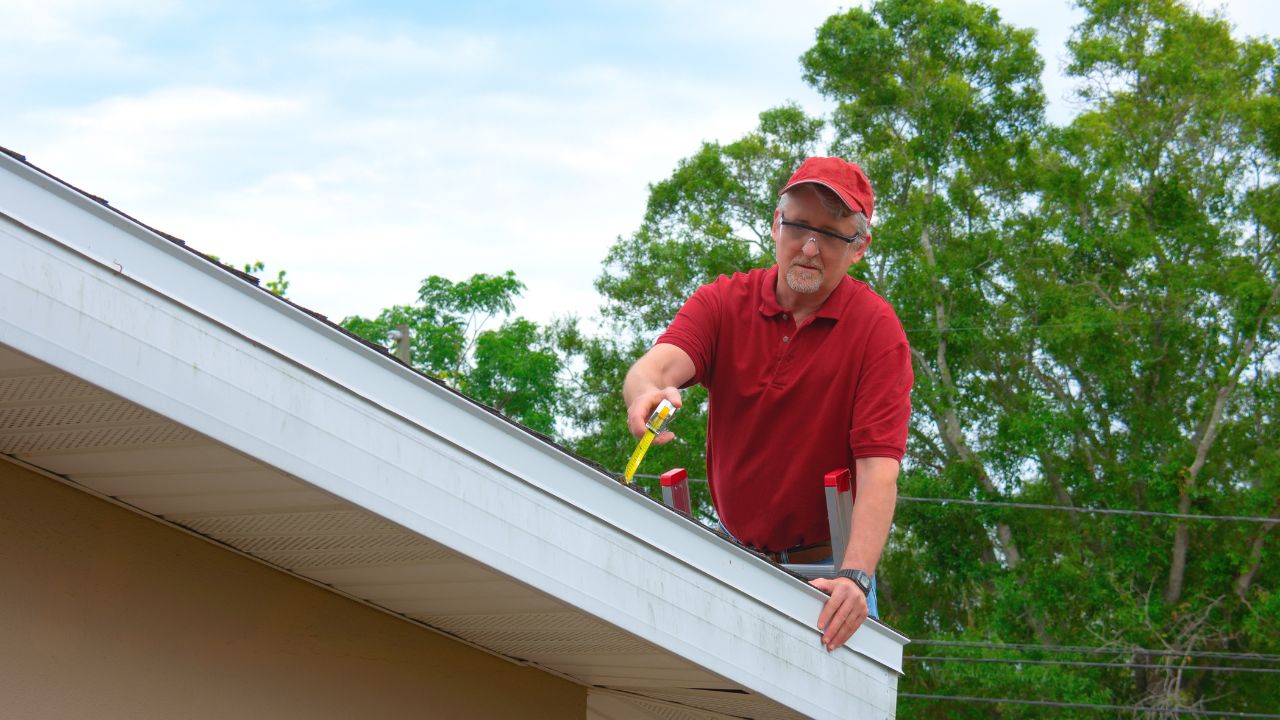
Visual inspection represents the first assessment step. Check for condensation between panes, rotting frames, warped sashes, peeling paint, and visible daylight or gaps around frames. Monitor operational issues including difficulty opening or closing, broken locks or hardware, and sashes that won't stay open. Look for energy-related symptoms: ice or frost buildup on interior surfaces, unexpectedly high utility bills, and cold spots or drafts near windows. This comprehensive inspection reveals the scope of problems and helps prioritize replacement timing.
Minor issues like single broken panes or drafts fixable with weatherstripping may justify repair. Repairing foggy IGU seals typically costs $300 to $550 per unit. However, if multiple issues exist—rotting frames, widespread seal failure, or single-pane glass—replacement becomes the better long-term solution. Professional evaluation determines whether repair remains viable or replacement provides better value. Schedule consultation when energy bills increase unexpectedly or when windows approach 20-30 years of age.
Average single window replacement costs in Southfield range from $1,545 to $5,535 depending on size, style, and specifications. This broad range reflects significant variation in materials, features, and installation quality. Repair proves viable for single drafty windows. Replacement is recommended for condensation between panes, rotting wood frames, single-pane glass, or persistent operational difficulties. Multiple quotes allow comparison of products, warranties, and installation approaches. This competitive bidding ensures appropriate pricing while revealing quality differences between offerings.
Alexandria Home Solutions specializes in window replacement throughout Southfield and Metro Detroit. Our team understands Michigan's climate demands and building code requirements. We provide professional assessment, expert product recommendations, and quality installation ensuring your windows deliver promised performance and longevity.
Stop accepting high energy bills, uncomfortable drafts, and deteriorating windows. Contact Alexandria Home Solutions today to schedule your free window evaluation. We'll inspect your current windows, explain replacement options, and design solutions delivering immediate comfort improvements with measurable long-term savings.