Key Takeaways:
Southfield homeowners face a harsh reality each winter: rising heating bills driven by inefficient windows. The region's severe climate combines with aging housing stock to create substantial energy losses. Understanding how your windows contribute to winter costs is the first step toward meaningful savings.
Southfield's winter climate places exceptional demands on residential heating systems. The combination of prolonged cold, high winds, and older homes creates the perfect storm for energy waste.
Southfield winters are unforgiving. Average January temperatures range from a high of 33°F to a low of 19°F. The region experiences 6,168 to 6,800 annual Heating Degree Days (Base 65°F), indicating sustained, significant heating demand. This metric quantifies how much and how long heating systems must run to maintain comfort.
Wind patterns compound the problem. Michigan winters bring frequent cold snaps with high winds and severe wind chill factors. These conditions increase pressure differentials across building envelopes, pulling cold air through any gap or crack in window assemblies.
The cold season extends from late November through early March. During this period, daily high temperatures often remain below 43°F. This extended duration means even minor air leaks compound into substantial energy losses. A small draft that seems manageable in October becomes a costly liability by February.
Many Southfield homes were built before modern energy codes existed. Older construction typically features single-pane windows or early double-pane units without low-emissivity coatings. These legacy installations perform poorly in extended cold conditions, making window upgrades a priority for cost-conscious homeowners.
Drafty windows create multiple pathways for heat loss. Understanding these mechanisms helps homeowners identify problems and evaluate solutions.
Air infiltration measures uncontrolled air movement through gaps and cracks. Modern windows meet an industry standard of less than 0.3 cubic feet per minute per square foot (CFM/ft²). Older windows often exceed this threshold dramatically, allowing cold outdoor air to enter while heated indoor air escapes.
Insulation failure relates to heat transfer through solid materials. Even without visible gaps, poor thermal resistance causes energy loss. Both problems frequently occur simultaneously in aging window assemblies.
Windows account for 15% to 30% of total home heat loss during the heating season. Cold air infiltration creates uncomfortable drafts that make rooms feel colder than the thermostat indicates. The temperature differential between outdoor and indoor air magnifies the sensation, making even small leaks noticeable.
Three mechanisms drive window energy loss: conduction (heat transfer through glass and frames), radiation (infrared heat escape), and convection (air movement). Winter's extreme temperature differences increase all three. Cold outdoor air is denser than warm indoor air, creating stack effect pressure that forces air exchange through any available opening.
Inefficient windows translate directly into higher utility costs. The financial impact accumulates throughout winter's extended cold period.
Old single-pane windows create continuous heat loss. Furnaces must run longer and more frequently to compensate. This extended runtime increases fuel consumption while reducing equipment efficiency. The heating system essentially battles heat loss through the building envelope, with windows representing a major weakness.
A typical Southfield home with inefficient windows pays $250 to $500 more annually in heating costs compared to homes with modern, energy-efficient windows. This figure represents direct fuel costs only. Over a decade, this difference exceeds $5,000—enough to fund complete window replacement.
Local utility rates amplify the cost of inefficiency. DTE Energy charges approximately 19.12¢ per kilowatt-hour during peak winter hours (3-7 p.m.). Natural gas rates run about $0.394 per Ccf (DTE) or $0.3359 per Ccf (Consumers Energy). These rates make every unit of wasted energy expensive.
Not all window problems create equal energy losses. Some deficiencies prove more costly than others in cold climates.
Air leakage through deteriorated seals represents low-hanging fruit for energy waste. Weatherstripping hardens with age, creating gaps that allow direct air exchange. Frame joints separate due to thermal cycling, opening pathways for infiltration. These problems worsen progressively, making early intervention cost-effective.
Window performance varies dramatically by type. Old single-pane windows (pre-1980s) have U-factors of 1.10 to 1.25, indicating very poor insulation. Old double-pane clear glass units rate at 0.45 to 0.60 U-factor—better, but still inadequate. Modern ENERGY STAR windows with Low-E coatings and argon gas achieve 0.20 to 0.30 U-factor.
The improvement is substantial. Replacing a single-pane window (U-factor 1.2) with a modern Low-E, double-pane unit (U-factor 0.25) reduces heat loss through the glass by nearly 80%. This performance gap explains why older windows cost so much to operate.
Frame material selection affects thermal performance significantly. Aluminum conducts heat readily unless thermally broken, making it the least energy-efficient option. Wood insulates naturally but requires high maintenance. Vinyl provides excellent insulation with low maintenance at reasonable cost. Fiberglass offers comparable or superior performance to vinyl with enhanced durability and dimensional stability.
Several indicators reveal window-related energy waste. Recognizing these signs helps homeowners prioritize improvements. A comprehensive energy audit can identify specific problem areas.
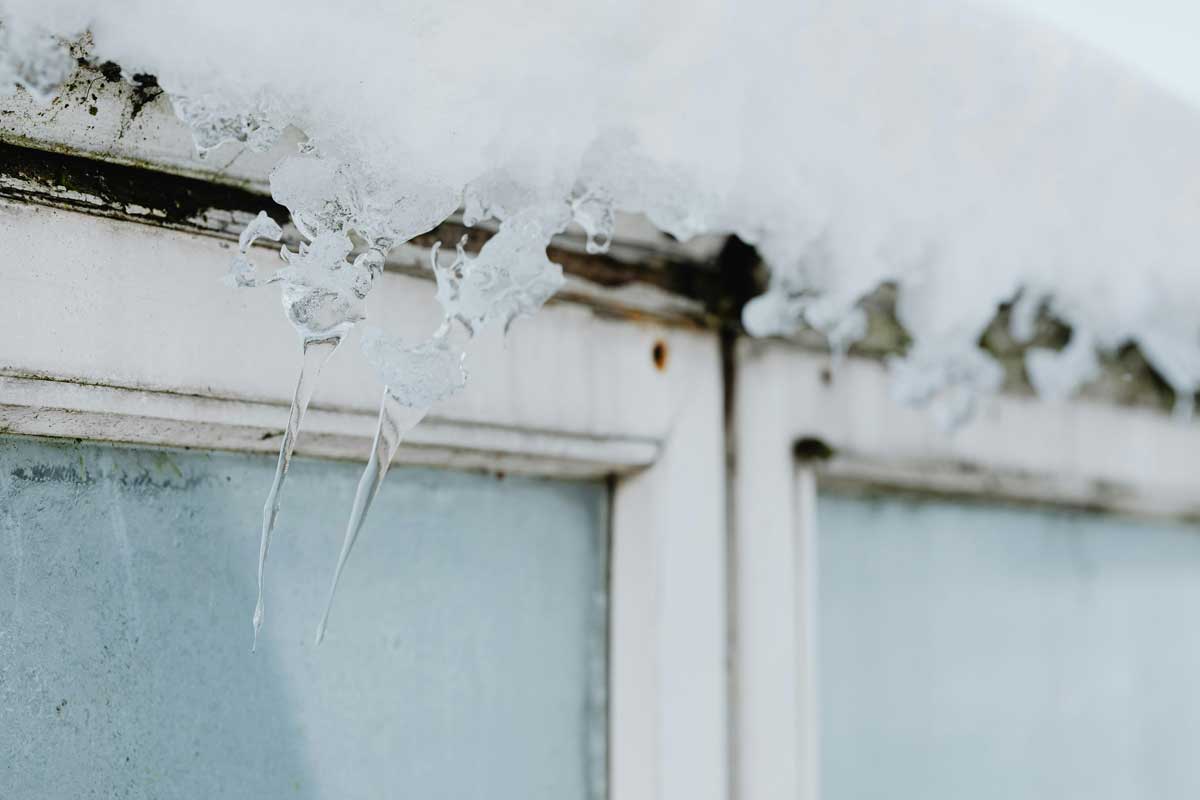
Visible condensation signals thermal failure. January's average relative humidity reaches 72% in Metro Detroit. When interior window surfaces drop below the dew point, moisture condenses. This often progresses to frost formation on frames and sills. Persistent condensation creates conditions for mold growth.
Rooms with large window areas often feel colder than interior spaces, even with the thermostat set identically. This temperature stratification indicates excessive heat loss through the windows. High heating degree days (6,168 to 6,800 annually) make this problem expensive, as heating represents the dominant energy expense.
Single-pane window surfaces can fall well below the dew point in high-humidity winter conditions (up to 72% relative humidity). This causes condensation, frost, and potential mold growth on frames and sills. Modern windows with insulated glass units and Low-E coatings maintain warmer interior surface temperatures, virtually eliminating these condensation problems.
Repair versus replacement decisions hinge on window age, condition, and performance potential. Understanding these factors prevents wasted investment in temporary fixes.
The U-factor quantifies heat transfer rate through a window. Lower values indicate better insulation. R-value measures thermal resistance and equals the inverse of U-factor (R = 1/U). Windows more than 20 years old rarely achieve modern performance standards, even with repairs.
Southfield's extended cold season (late November through early March) stresses temporary repairs. Weatherstripping applied as a retrofit may not withstand months of thermal cycling and pressure differentials. These short-term solutions often fail mid-winter, providing a false economy.
Simple payback periods for window replacement based on energy savings alone typically run 5 to 7 years. Michigan energy efficiency rebates and federal tax credits can shorten this significantly. After payback, the savings become pure return on investment. Modern windows also last 20+ years with minimal maintenance.
Multiple strategies address window-related energy waste. The appropriate approach depends on window condition, budget, and performance goals.
Temporary sealing measures provide limited benefit in severe climates. With 6,168 to 6,800 annual heating degree days, Southfield demands robust solutions. Weatherstripping and caulking may reduce infiltration slightly but cannot address fundamental thermal performance deficiencies in the glass and frame assemblies.
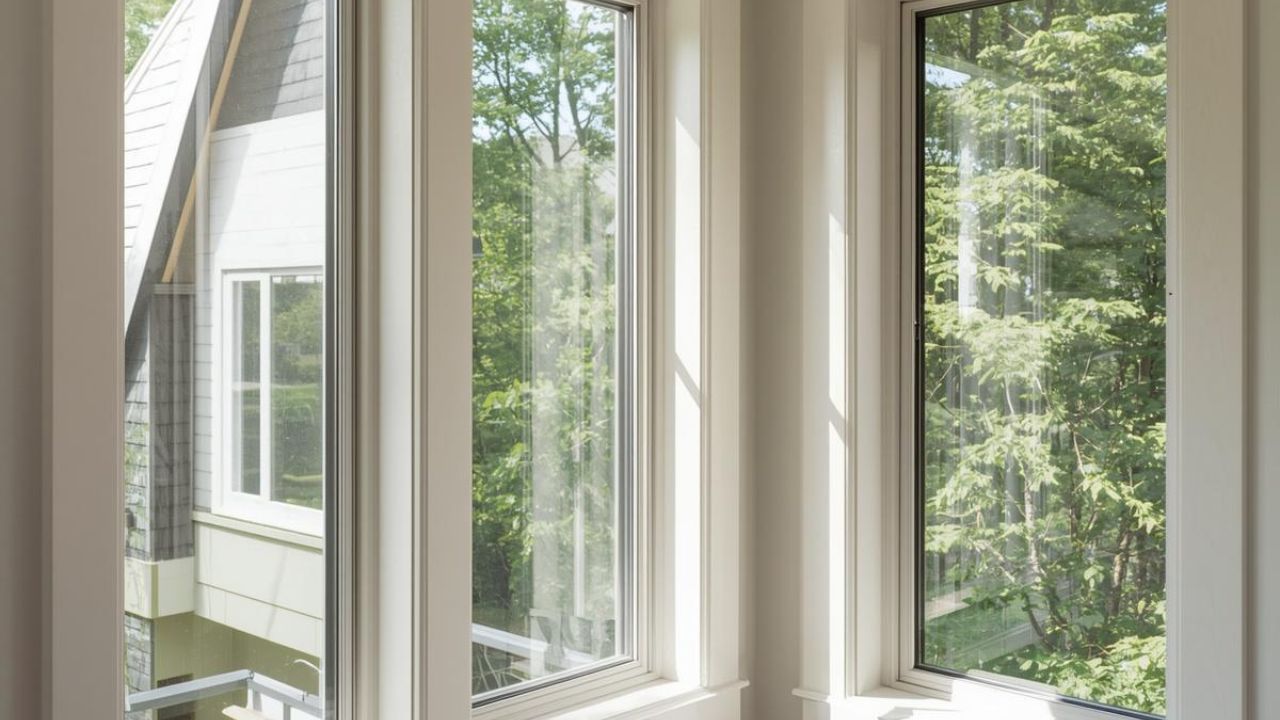
Modern windows with insulated glass units and Low-E coatings maintain warmer interior surface temperatures. This virtually eliminates condensation and frost problems while reducing heat transfer. Energy-efficient windows incorporating argon fill and Low-E technology can reduce heat loss by up to 50% compared to older single-pane units. Comprehensive window services address both performance and aesthetic requirements.
Metro Detroit falls into Climate Zone 5, characterized by high heating demand. Proper installation ensures the window assembly performs as designed. Poor installation creates air leakage pathways that negate the benefits of high-performance glazing. Installation quality matters as much as product selection.
Energy savings from window replacement depend on existing window condition and replacement product specifications. The financial benefits extend beyond simple energy cost reduction.
Energy Star certified windows deliver annual energy bill savings ranging from $125 to $465 for Michigan homeowners. Typical Southfield homes see $250 to $500 annual heating cost reduction. These savings accumulate over the window's 20+ year lifespan, creating substantial total returns.
With 6,168 to 6,800 annual heating degree days, any reduction in heat loss creates significant impact. The coldest weeks of winter generate the highest heating loads. Modern windows shine during these peak demand periods, when the temperature differential between indoor and outdoor air reaches its maximum.
Timing window replacement affects both cost and convenience. Strategic scheduling maximizes benefits while minimizing disruption.
Window replacement remains feasible during winter months with proper precautions. Professional installers can minimize interior heat loss during the installation process. However, scheduling before winter arrives allows homeowners to capture the full season's energy savings.
Each winter with inefficient windows adds $250 to $500 to heating costs. A simple payback period of 5 to 7 years means delaying replacement increases total cost of ownership. The opportunity cost of waiting exceeds the benefit of deferring the initial investment. Following a seasonal maintenance schedule can help identify when replacement becomes necessary.
Energy savings represent only one benefit of window replacement. Improved comfort and reduced maintenance provide additional value.
Modern windows eliminate hot and cold spots by preventing radiant heat loss and reducing convective drafts. Rooms maintain more uniform temperatures, improving comfort while potentially allowing lower thermostat settings. This enhances livability while reducing energy consumption.
Modern Low-E windows keep interior glass surfaces warmer, virtually eliminating condensation problems. Reduced condensation prevents mold growth on window frames and sills. This improves indoor air quality while reducing maintenance requirements and protecting interior finishes.
Window selection requires balancing multiple performance criteria, cost considerations, and aesthetic preferences. Understanding key specifications guides better decisions.
Michigan Residential Code (Climate Zone 5) requires a maximum U-factor of 0.32 for windows. This represents the minimum legal standard. High-performance windows achieve U-factors as low as 0.22 (R-value of 4.5) using argon fill and advanced Low-E coatings.
Argon fill contributes up to 21% U-factor improvement over Low-E glass alone. Optimal performance requires argon levels above 90%. Window performance must meet National Fenestration Rating Council (NFRC) standards for verified ratings.
Vinyl provides excellent insulation, low maintenance, and cost-effectiveness—a popular choice for energy efficiency. Fiberglass offers comparable or superior thermal performance with enhanced durability and dimensional stability. Wood insulates naturally but requires high maintenance. Aluminum proves least energy-efficient unless thermally broken.
Argon gas costs $30 to $40 per window (approximately 8% total unit price increase). Industry standards specify less than 1% annual gas retention loss. Windows maintaining this rate retain over 80% argon fill after 20 years. Most manufacturers offer 20-year warranties against seal failure but provide no warranty on specific argon retention percentages. The warranty typically covers seal integrity only.
Window replacement represents a capital improvement with implications for property value and marketability.
Energy-efficient windows meeting Michigan building codes (U-0.32 maximum) represent baseline expectations for modern homes. Homes with demonstrated lower operating costs appeal to value-conscious buyers. Energy efficiency has shifted from luxury features to standard requirements.
Documented annual savings of $250 to $500 on heating costs provide tangible evidence of value. A 5 to 7 year payback period demonstrates positive return on investment. Buyers increasingly evaluate total cost of ownership, not just purchase price. Modern, efficient windows reduce this total cost while improving comfort.
Addressing window inefficiency requires accurate assessment followed by appropriate action. Professional evaluation provides the foundation for informed decisions.
Check for condensation, frost, and visible air leakage. Measure existing window U-factors against modern standards (0.20 to 0.30 versus old windows at 1.10 to 1.25). This comparison reveals the magnitude of potential improvement. Physical inspection combined with performance data creates a complete picture.
Windows showing thermal failure signs—condensation, frost, uneven room temperatures—warrant professional assessment. When heating bills reflect the $250 to $500 annual premium of inefficient windows, evaluation becomes financially prudent. Professional diagnostics identify specific problems and quantify potential savings.
Each winter season compounds losses through the prolonged cold period (late November through early March). High annual heating degree days (6,168 to 6,800) make window efficiency critical for managing utility costs. Delaying action means accepting another season of preventable expense. Contact us to schedule a professional window evaluation and stop winter energy losses before they compound further.
Alexandria Home Solutions specializes in energy-efficient window replacement throughout Metro Detroit. Our team understands the unique demands Southfield's harsh winters place on your home. We provide professional assessments, expert installation, and high-performance windows engineered for Michigan's Climate Zone 5 requirements.Stop accepting high heating bills and uncomfortable drafts as inevitable. Schedule your free consultation with Alexandria Home Solutions today. We'll evaluate your current windows, quantify your potential savings, and design a solution that delivers both immediate comfort improvements and long-term energy cost reductions. Your next winter can be different—let's make it happen.