Key Takeaways:
Michigan winters demand siding materials engineered for extreme conditions. James Hardie's HZ5® fiber cement siding represents targeted engineering for northern climates—not marketing rhetoric, but measurable material science designed to withstand freeze-thaw cycling, moisture intrusion, and temperature extremes that destroy conventional materials. This guide examines the technical specifications, performance attributes, and practical advantages that make HZ5® uniquely suited for Michigan's demanding climate.
HZ5® is not generic fiber cement—it's a climate-specific formulation engineered for regions experiencing freezing temperatures, significant moisture, and large seasonal temperature shifts. Understanding its composition and comparative performance reveals why this material outperforms alternatives in northern climates.
HZ5® consists of cellulose fiber, Portland cement, sand, and water with climate-specific additives enhancing cold weather performance. The standard 5/16-inch thickness of HardiePlank lap siding provides rigid, durable barriers resisting cold weather physical stresses. This composite formulation maintains integrity during freeze-thaw cycles through specific manufacturing processes addressing moisture resistance and dimensional stability. The cement matrix creates structural rigidity while cellulose fibers add tensile strength, producing material engineered specifically for temperature extremes and moisture exposure common in Michigan winters.
Vinyl becomes brittle in freezing temperatures, increasing risk of cracking and fracture upon impact. It's prone to cracking, chipping, and holes from hail or impact, especially when cold and brittle. Vinyl's high coefficient of thermal expansion causes it to contract in cold and expand in heat, leading to buckling and warping. HZ5® maintains impact resistance even in freezing conditions—the inherent strength and rigidity of fiber cement resist impact when vinyl becomes brittle and susceptible to fracture. While vinyl exhibits thermal instability, HZ5® demonstrates minimal expansion and contraction, maintaining tight seams throughout temperature swings. When comparing siding materials, HZ5®'s performance in sub-zero conditions represents a measurable engineering advantage over vinyl's temperature-dependent vulnerabilities.
James Hardie's HardieZone® system divides North America into climate zones, with HZ5® designated specifically for zones experiencing freezing temperatures and large seasonal shifts. Unlike one-size-fits-all approaches, HZ5® formulation addresses challenges posed by significant temperature variations, high winds, and abundant moisture including snow and ice. This targeted engineering responds directly to Michigan's demanding conditions: repeated freeze-thaw cycling, heavy snow loads, ice accumulation, and wind-driven rain. The material's composition and manufacturing process specifically address cold weather performance requirements that generic materials cannot meet.
Michigan's climate subjects siding to relentless testing through freeze-thaw cycles, moisture intrusion, and temperature extremes. HZ5®'s engineering directly addresses these specific challenges through material composition and design features.
HZ5® products resist shrinking, swelling, and cracking even after years of wet and freezing conditions. Material dimensional stability prevents expansion and contraction that leads to gaps and moisture intrusion. Oakland County, Michigan experiences over 130 freeze-thaw cycles annually—conditions demanding materials engineered to resist cracking and warping. HZ5® maintains minimal expansion and contraction with temperature changes, preserving tight seams that other materials cannot maintain. This dimensional stability eliminates the progressive degradation that destroys conventional materials subjected to repeated freezing and thawing cycles.
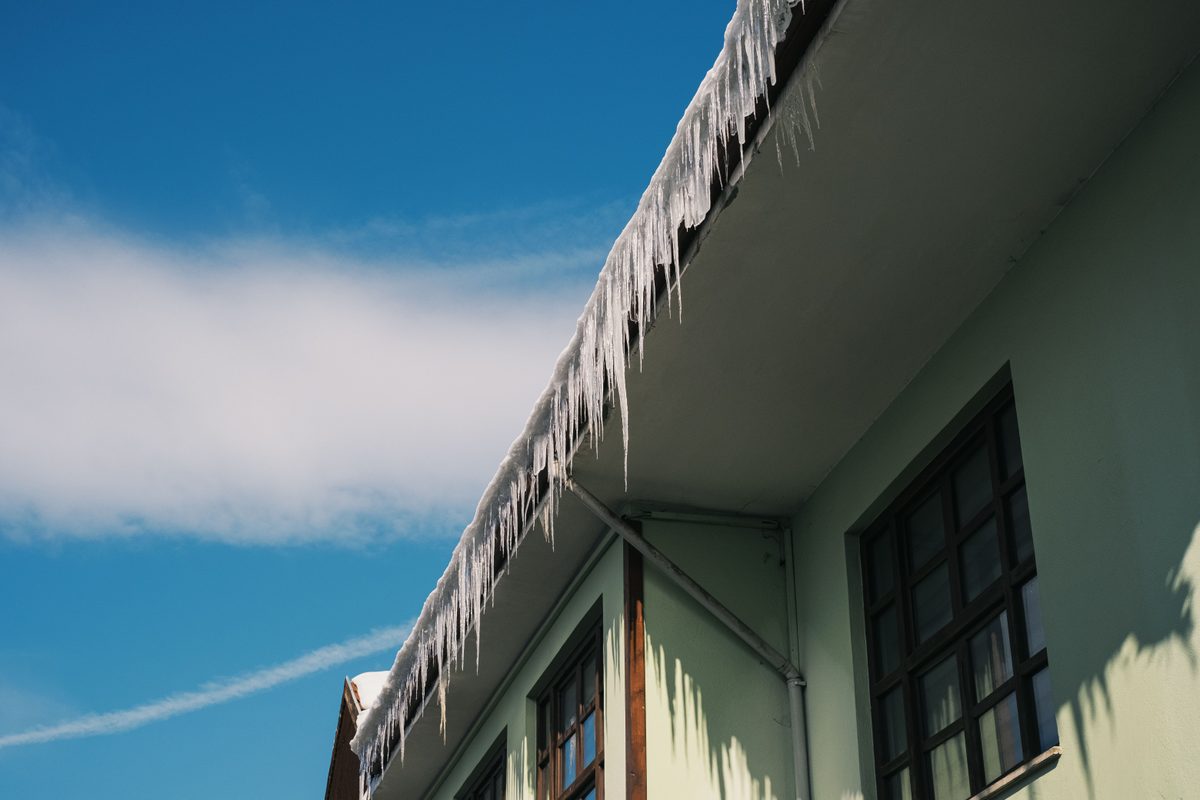
The surface of HZ5® products is engineered for superior paint adhesion and moisture resistance. An incorporated drip edge provides improved water management, channeling water away from wall assemblies. This design prevents moisture from being absorbed and then freezing—the mechanism that causes other materials to crack or delaminate. HZ5® requires water-resistive barrier installation, creating a comprehensive moisture management system. Michigan's heavy snow, ice, and wind-driven rain demand proper moisture management to prevent rot and mold. The material's composition and design features work together preventing moisture intrusion that compromises structural integrity and leads to costly damage.
HZ5® siding is engineered to resist shrinking, swelling, and cracking in wet, freezing conditions through dimensionally stable composition preventing physical stresses causing warping. Unlike vinyl which becomes brittle in cold temperatures, HZ5® maintains structural integrity regardless of temperature. The specific formulation maintains performance during freeze-thaw cycles that compromise other materials. This engineered stability eliminates the cracking from thermal stress, warping from moisture absorption, and buckling from dimensional changes that plague conventional siding materials in Michigan winters. The material simply does not exhibit the failure modes common to vinyl and wood in extreme cold.
Energy efficiency in Michigan winters depends on maintaining consistent thermal envelope integrity. HZ5®'s dimensional stability and design features contribute directly to reduced heat loss and lower energy costs.
HZ5®'s drip edge design provides improved water management, creating a better barrier against moisture that compromises wall insulation. The rigid 5/16-inch thickness provides a consistent barrier layer for building envelopes. Dimensional stability maintains tight seams preventing air infiltration—the primary cause of heat loss in residential construction. While siding itself provides modest R-value, its role in preventing air leakage significantly impacts energy performance. Understanding how building envelope components work together becomes clear when reviewing comprehensive resources on identifying hidden heat loss.
HZ5® maintains minimal expansion and contraction with temperature changes, preserving tight seams that prevent air leakage. Vinyl's high coefficient of thermal expansion creates gaps compromising thermal envelope as it expands and contracts throughout seasons. The rigid composition of HZ5® provides stable substrate for proper installation of insulation and weather barriers. This stability ensures that initial installation quality persists throughout material lifespan rather than degrading as thermal cycling loosens fasteners and separates seams. HZ5®'s consistent dimensional performance maintains building envelope integrity that thermally active materials cannot sustain.
Proper installation with HZ5® 's water-resistive barrier requirements creates a more complete thermal envelope. Material dimensional stability prevents gaps allowing cold air infiltration. Maintained tight seams throughout temperature swings reduce heat loss compared to materials that expand and contract significantly. The cumulative effect of eliminating air infiltration, maintaining insulation effectiveness, and preventing moisture intrusion results in measurable heating cost reductions. While difficult to quantify precisely due to variable home characteristics, the physics are clear: stable, tight building envelopes require less energy to heat than those with air leakage and compromised insulation.
HZ5®'s performance stems from specific engineering features addressing northern climate challenges. Understanding these design elements reveals why this material succeeds where others fail.
Standard 5/16-inch thickness of HardiePlank lap siding provides structural rigidity resisting physical impacts and wind loads. The density and composition create material that is heavier and more rigid than vinyl, allowing installation to withstand high wind loads common during winter storms. Material thickness and composition provide resistance to wind-driven rain and debris impact. This substantial construction eliminates the rattling, flexing, and displacement that occurs with lightweight materials subjected to winter wind events. The physical mass and rigidity simply absorb stresses that would damage or displace thinner, more flexible materials.
Engineered drip edge design for improved water management represents specific innovation addressing moisture intrusion. Surface engineered specifically for superior paint adhesion and moisture resistance extends protection beyond base material properties. Specific additives and manufacturing processes enhance cold weather performance beyond what generic fiber cement provides. Material formulation designed specifically to maintain integrity during freeze-thaw cycles addresses the primary failure mechanism affecting siding in Michigan. These innovations represent applied building science—not incremental improvements but fundamental design features targeting documented failure modes in northern climates.
The composite material composition prevents moisture absorption that would expand and cause cracking when frozen. HZ5® explicitly resists shrinking, swelling, and cracking even after years of wet and freezing conditions. Dimensionally stable formulation prevents physical stresses that compromise other materials during temperature cycling. The material doesn't just withstand one or two freeze-thaw events—it's engineered for the 130+ annual cycles experienced in Michigan. This durability through repeated stress cycles represents fundamental material engineering rather than simple cold temperature tolerance.
Material selection for Michigan homes requires evaluating performance under actual climate conditions. HZ5®'s advantages over alternatives become clear when examining real-world winter performance.
HZ5® maintains impact resistance in freezing temperatures while vinyl becomes brittle and prone to cracking. Vinyl can rattle, detach, or blow off in high winds if not properly fastened, while HZ5® can be installed to withstand high wind loads. Vinyl's seams separate due to thermal expansion and contraction, while HZ5® maintains tight seams. Winter storms bring hail and strong winds—brittle vinyl materials are more likely to fail upon impact. The performance gap widens with each winter season as vinyl accumulates damage from repeated thermal cycling while HZ5® maintains structural integrity. For comprehensive guidance on material selection, review siding selection resources comparing performance characteristics.
HZ5® is classified as non-combustible when tested per ASTM E136. Flame-spread index of 0 and smoke-developed index of 5 when tested per ASTM E84 provide a high level of fire protection. Unlike wood, HZ5® does not require frequent maintenance to prevent deterioration. The material does not support mold or rot growth even with moisture exposure. While generic fiber cement offers some advantages over wood and vinyl, HZ5®'s climate-specific formulation provides enhanced performance specifically for northern winters. This represents engineering refinement beyond basic fiber cement properties.
HZ5® delivers a 30-50+ year lifespan compared to vinyl's 20-40 years. It comes with 30-year limited, transferable warranty. Lower long-term costs result from durability and less frequent replacement despite higher initial installation cost. Proper moisture management features prevent long-term deterioration common in other materials. The engineering investment in climate-specific formulation, moisture management design, and dimensional stability translates directly to extended service life and reduced lifecycle costs. This long-term performance particularly matters in harsh climates where premature material failure creates costly emergency repairs during winter months.
Maintenance requirements directly impact total ownership costs and homeowner satisfaction. HZ5® 's maintenance profile differs substantially from alternatives.
HZ5® requires inspection of caulk joints annually and re-caulking as needed. Material dimensional stability means seams remain tight without frequent adjustment. Annual cleaning with soft brush and water maintains appearance. Material does not require repairs from freeze-thaw damage like other siding types. The maintenance burden focuses on protective coatings and sealants rather than structural repairs. This distinction matters significantly—coating maintenance can be scheduled and budgeted, while structural repairs from winter damage occur unpredictably and expensively.
Clean siding with soft brush and water—do not use high-pressure power washers which can damage the surface and force water behind panels. Repaint every 10-15 years to maintain appearance and protection. Inspect and re-caulk joints annually. Regular cleaning maintains appearance. Ensure at least 6 inches clearance between bottom of siding and ground to prevent moisture wicking. These maintenance tasks are straightforward and can be performed by homeowners or contractors. The predictable maintenance schedule allows proper planning and budgeting rather than reactive emergency repairs common with materials that fail structurally.
HZ5® does not become brittle with age or temperature like vinyl. Material does not experience progressive deterioration from UV exposure affecting vinyl. Unlike wood, HZ5® does not rot, warp, or require frequent protective coatings. Rigid composition prevents gradual fastener loosening occurring with thermally active materials like vinyl. The elimination of age-related brittleness, UV degradation, thermal cycling damage, and moisture-related deterioration means maintenance focuses on aesthetic preservation rather than structural preservation. This fundamental difference in maintenance nature significantly impacts long-term ownership experience and costs.
Property value and aesthetic appeal represent important considerations beyond pure performance. HZ5® delivers advantages in both areas.
HZ5® can mimic the look of wood, stucco, or stone. Available in a wide range of colors and textures. Maintains appearance over time without fading and brittleness affecting vinyl. Does not exhibit a "plastic" appearance that vinyl siding can display. The authentic appearance combined with maintained condition creates lasting curb appeal. While vinyl may look acceptable when new, HZ5® maintains that appearance throughout its service life rather than degrading visibly. This sustained aesthetic quality matters particularly in markets where home appearance significantly impacts property values.
The 30-50+ year lifespan demonstrates long-term value to potential buyers. The 30-year limited, transferable warranty provides assurance to future homeowners. Material's reputation for durability in harsh climates appeals to Michigan buyers. Strong, comprehensive warranty provides peace of mind and protects investment. Buyers increasingly recognize that lower-cost materials create higher long-term expenses. HZ5®'s proven durability in northern climates represents quantifiable value that sophisticated buyers understand and appreciate.
Lower long-term costs due to durability and less frequent replacement offset higher initial installation cost. Demonstrated performance in freeze-thaw conditions—130+ annual cycles in areas like Oakland County—proves material capabilities. Superior moisture management features prevent structural damage reducing home value. Fire resistance with non-combustible classification may reduce insurance premiums. Property value reflects not just current condition but anticipated future condition and costs. HZ5®'s engineered durability provides credible assurance that siding will not require replacement or major repairs for decades, directly supporting property value.
Informed decision-making requires evaluating multiple factors beyond material performance alone. These considerations help homeowners determine if HZ5® suits their specific situations.
Oakland County experiences over 130 freeze-thaw cycles annually. Materials must resist cracking and warping under these extreme conditions. HZ5® is specifically engineered to resist shrinking, swelling, and cracking caused by repeated freezing and thawing. Dimensional stability prevents expansion and contraction leading to gaps and moisture intrusion. For homeowners in Michigan, freeze-thaw durability should be the primary selection criterion—the climate simply destroys materials not engineered for these conditions. HZ5®'s specific engineering for freeze-thaw resistance directly addresses Michigan's most challenging climate characteristic.
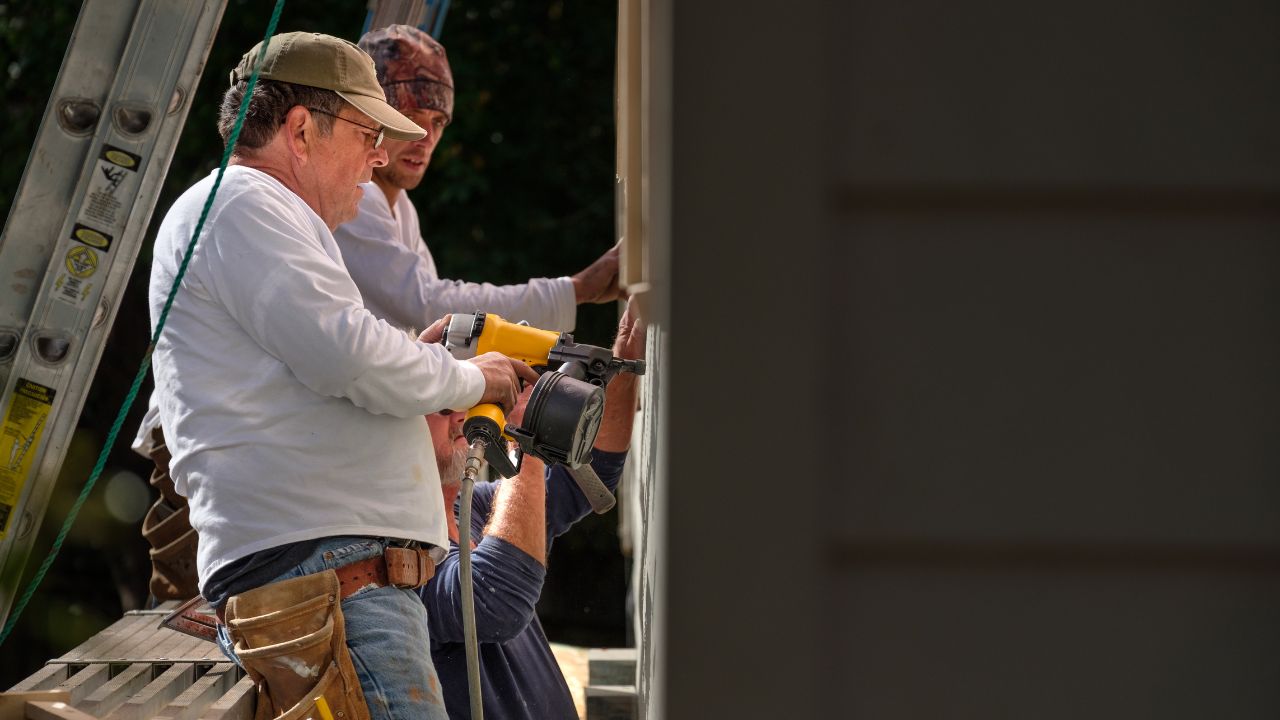
Proper installation is critical for performance—incorrect installation can void warranties and lead to premature failure. Specific installation requirements must be followed for cold weather applications. Professional installers understand requirements for proper flashing around windows, doors, and roof intersections. Manufacturers specify exact requirements for ground clearance, fastening, and moisture barriers. The engineered performance of HZ5® depends entirely on proper installation. Even premium materials fail when improperly installed. Professional installation ensures the material science translates to actual performance. For expert installation services that protect your investment, work with qualified contractors understanding HZ5® specifications.
Total cost of ownership includes initial installation, ongoing maintenance, and eventual replacement. HZ5® has higher initial installation cost but lower long-term costs. Consider long-term maintenance commitment: HZ5® requires repainting every 10-15 years. Warranty coverage specifics: what does it cover regarding hail, wind, or freeze-thaw damage, and is it transferable? Low-maintenance siding saves time and money over product life. Energy efficiency contributions through maintained building envelope integrity provide ongoing utility savings. The decision framework should evaluate lifecycle costs and benefits rather than focusing solely on initial installation price.
Installation timing affects both project execution and long-term performance. Understanding seasonal considerations helps homeowners plan effectively.
Install siding in moderate temperatures—40-90°F is ideal. Plan for spring or fall installation if possible. Avoid extreme heat which can cause expansion issues during installation. Installation timing affects how well materials cure and adhere. While HZ5® itself performs well in cold temperatures, adhesives, caulks, and other installation materials have temperature requirements. Spring and fall provide optimal working conditions for installers and proper curing conditions for all system components.
Do not install vinyl siding in freezing temperatures as it becomes brittle and can crack—note this applies to vinyl comparison, not HZ5® limitations. Strong winter winds affect installation safety and quality. Moisture during installation affects adhesion and curing of sealants. Temperature at time of installation must be considered for proper fastening and clearances. Weather affects not just comfort and safety but technical requirements for proper material handling and installation. Professional installers understand these factors and schedule accordingly.
Ensure proper flashing is installed around all windows, doors, and roof intersections before siding application. Install proper water-resistive barriers as required by manufacturer specifications. Verify adequate ground clearance—at least 6 inches—to prevent moisture wicking. Prepare substrate and ensure proper drainage to prevent moisture accumulation behind siding. Plan for weather delays and schedule installation during forecast clear periods. Proper preparation allows installation to proceed efficiently when weather permits. Understanding that weather may cause delays helps homeowners set realistic timelines and expectations for cold-weather installation projects.
For Michigan homeowners prioritizing long-term durability, energy efficiency, and property value protection, HZ5® delivers measurable advantages over conventional materials. The climate-specific formulation, dimensional stability, moisture management features, and proven freeze-thaw resistance create a siding system engineered specifically for conditions destroying lesser materials. Professional installation following manufacturer specifications ensures the material science translates to actual performance protecting your home investment.
Contact Alexandria Home Solutions to discuss how HZ5® fiber cement siding can protect your Michigan home through decades of harsh winters while maintaining appearance, energy efficiency, and property value. Our certified installers understand the technical requirements and climate-specific considerations ensuring your siding delivers the engineered performance HZ5® was designed to provide.