Key Takeaways:
Daily cleanup and communication protocols separate professional remodeling from chaotic disruption. Structured routines protect safety, prevent damage, maintain schedules, and reduce homeowner stress. These protocols deliver measurable benefits: 30% fewer accidents, 50% faster post-demolition prep, 67% higher client satisfaction, and 15% timeline improvements through organized workflows.
Understanding these protocols helps homeowners evaluate contractors and set realistic expectations. This guide examines how systematic daily practices create seamless remodeling experiences while protecting investments and maintaining livable conditions during construction.
Formal protocols establish predictable routines controlling cleanliness and information flow. Standards distinguish professional operations from ad-hoc approaches through documented procedures and accountability systems.
OSHA 29 CFR 1926.25 mandates daily clearing of debris with protruding nails removed immediately. Regular removal of combustible scrap prevents fire hazards while proper material storage eliminates trip hazards. End-of-day cleanup protocol represents industry standard for high-end work—not optional cosmetic practice. Daily routines include sweeping work areas, vacuuming dust, organizing tools and materials, inspecting containment barriers, disposing waste properly, and conducting safety walkthroughs before departure.
PM time allocation follows industry standards: 41% planning (proactive scheduling, material coordination), 22% controlling (quality inspections, budget tracking), 25% executing (trade coordination, client communication), and 5% closing (walkthrough, documentation). Daily or weekly updates with photos maintain transparency. Weekly detailed updates cover completed progress, upcoming week plans, and emerging issues. Predictable schedules eliminate uncertainty—homeowners know when expecting information rather than wondering about project status.
Structured protocols deliver measurable outcomes versus ad-hoc approaches lacking consistency. Formal systems create accountability through documentation—written records prevent memory disputes. Industry standards distinguish professional contractors from amateurs treating cleanup and communication as afterthoughts. Protocols enable verification—homeowners confirm adherence rather than hoping contractors follow through.
Site cleanliness directly impacts safety, efficiency, and damage prevention. Organized workspaces protect families, accelerate progress, and preserve existing home conditions throughout construction.
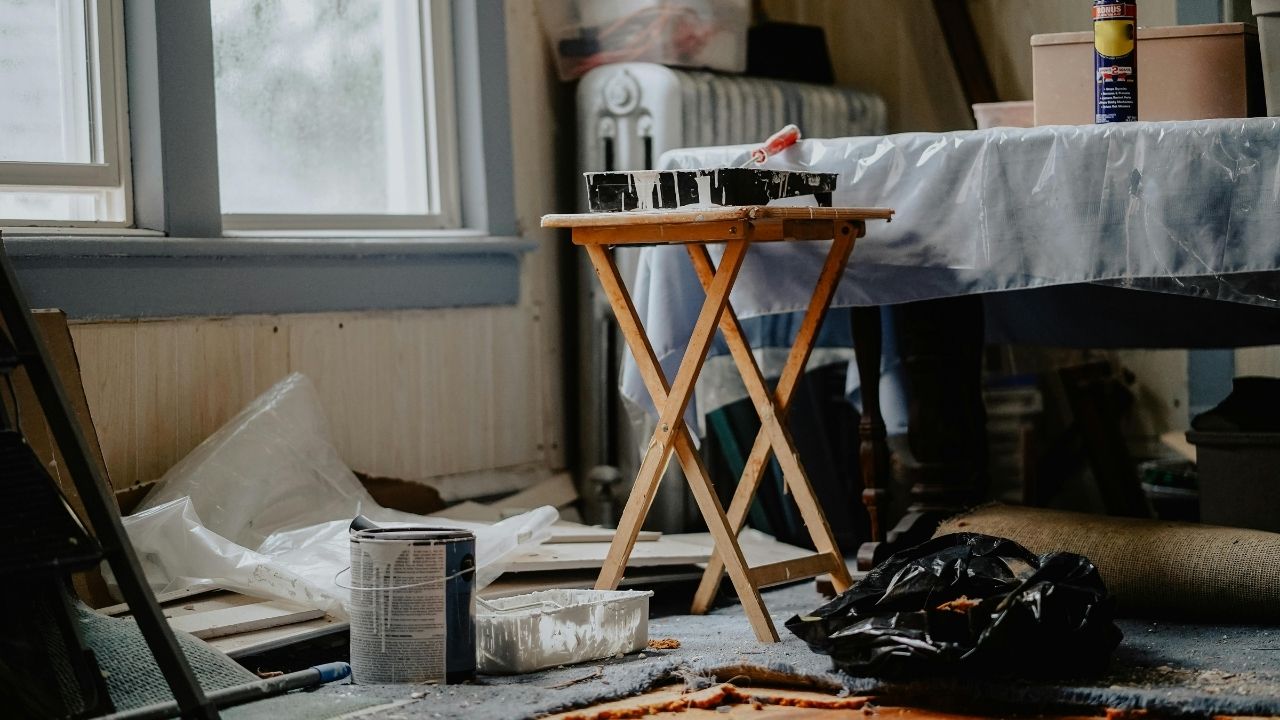
Workplaces with routine housekeeping reduce accidents by 30%—significant safety improvement. Poor housekeeping contributes to 40% of workplace falls representing major liability and injury concern. Trip hazards and debris create risks for families living through renovations—especially children and pets moving unpredictably. Clean pathways enable safe movement without navigating construction obstacles. Exposed nails, sharp edges, and unstable material piles cause injuries daily cleanup prevents.
Eighty-five percent of homeowners cite job-site dust as the biggest inconvenience of remodeling—the number one complaint. HEPA-filtered air scrubbers eliminate 90-99% of airborne dust addressing this primary concern directly. Proactive protection of existing finishes prevents damage claims requiring expensive repairs. Contained work areas with sealed doorways minimize household dust infiltration enabling normal living. Organized material storage prevents loss, damage, or theft requiring reordering causing delays and expense.
Daily cleanup protocols cut post-demolition prep time in half—50% faster enabling immediate next-phase work. Well-organized sites reduce timeline extension by 15% through improved efficiency. Trades spend time working rather than clearing the previous contractor's mess—eliminates downtime. Clean sites immediately ready for next trade prevent schedule delays. Professional appearance demonstrates quality commitment—homeowners see contractors who care about standards.
Communication prevents surprises and maintains satisfaction. Predictable information flow reduces stress while enabling informed decisions throughout projects.
Seventy-five percent of clients cite transparency as top satisfaction factor—primary driver above even budget and timeline. Daily updates maintain predictable information flow—homeowners never wonder about progress or current status. Structured decision timeline guides homeowners through selections at appropriate moments. Clear next-step communication prevents uncertainty causing stress. Similar to how quality renovation services maintain standards throughout projects, consistent communication demonstrates professional commitment.
Daily photo updates cut rework costs by 25% through early issue detection before problems become expensive corrections. Visual documentation catches problems before cascading—seeing tile lippage issues before grouting enables correction without complete reinstallation. Timely decisions prevent work stoppages—material selections confirmed before installation dates maintain schedules. Communication identifies upcoming decision points giving homeowners adequate time rather than rushed choices under pressure.
Digital communication tools deliver 67% higher client satisfaction versus traditional methods—measurable improvement. Change orders via client portal approved two days faster on average accelerating project flow. A single source of truth prevents confusion from scattered email threads and text messages. Written approval documentation protects both parties—no disputes about what homeowner authorized or when decisions occurred.
Comprehensive cleanup addresses safety, cleanliness, organization, and preparation. Standard tasks ensure consistent conditions regardless of trade or work type.
Daily debris removal prevents dangerous accumulation creating hazards. Protruding nails cleared immediately per OSHA requirements preventing puncture injuries. Combustible scrap removed regularly preventing fire hazards. Packaging materials and waste properly disposed of or containerized—not left scattered. Dumpster or waste container maintained—not overflowing onto surrounding areas.
Tools secured in locked containers preventing theft and household safety hazards—sharp objects inaccessible to children and pets. Electrical cords coiled and stored preventing trip hazards. Materials stacked properly prevent collapse or damage. Proper storage enables efficient morning work resumption—crews locate tools immediately. Power tools unplugged preventing accidental activation.
Source capture tools (dust shrouds on saws) represent standard best practice limiting dust generation at source. HEPA filtration systems operated throughout dusty work—not just at day's end. Containment barriers inspected and repaired daily—plastic sheeting resealed where tape loosened. Floor protection was maintained preventing damage to existing surfaces—replacing torn or soiled coverings.
Visual walkthrough ensures no hazards left exposed—uncovered holes, unsecured materials, electrical risks. Water sources shut off preventing overnight leaks. Temporary lighting verified for safe overnight household access if needed. Work areas secured preventing unauthorized access. Homeowner-accessible areas verified safe—no debris in paths, sharp objects secured.
Effective updates balance detail against brevity. Essential information enables homeowner understanding without overwhelming minutiae.
Project manager or designated site supervisor delivers updates maintaining consistency. AI-powered updates reduce PM time 97% (60 minutes reduced to 6.5 minutes) enabling frequent communication without overwhelming PM schedules. Consistent messenger ensures continuity and accountability—the homeowner knows who to contact with questions.
Work completed today with visual documentation showing accomplishments. Work planned for tomorrow preparing homeowner expectations. Any schedule changes or delays with revised timelines. Materials delivered or still awaited. Trade transitions—who finishes today, who arrives tomorrow. Inspection results if checkpoints occurred.
Real-time budget tracking increases client confidence showing spending status. Change requests with pricing documented before proceeding—no verbal approvals creating disputes. Material selections requiring confirmation. Issues discovered requiring homeowner decisions. Approvals received recorded with dates preventing questions later.
Client portal users demonstrate 12.9% higher median project values suggesting better clients or increased spending confidence. Portal engagement reaches 40.7% with login box versus 23.7% without—17% improvement through simple interface optimization. Client portals (BuilderTrend, CoConstruct, Houzz Pro) provide a single source accessing all information. Photo documentation throughout the project enables comparison showing evolution from start.
Enforcement determines protocol effectiveness. Systematic oversight prevents good intentions becoming inconsistent execution.
Clear protocols established during pre-construction meetings before work begins. Written standards included in subcontractor agreements—legally enforceable requirements. Cleanup requirements specified in scope documents preventing claims of not understanding expectations. Communication responsibilities assigned to specific trades. Consequences for non-compliance explained upfront.
Daily site inspections ensure quality and code compliance while verifying protocol adherence. PM controlling allocation of 22% of time focuses on quality inspections and issue resolution. Checklist verification before trade departure—visual confirmation cleanup complete. Photo documentation proving compliance creates accountability records. Immediate feedback when deficiencies found—same-day correction required.
Problem resolution addressed proactively before issues multiply affecting the project. Progressive discipline for protocol violations—verbal warning, written warning, trade replacement. Documentation supporting enforcement actions prevents disputes about fairness. Trade replacement for persistent non-compliance—relationship termination rather than endless tolerance.
Occupied home renovations demand extra care. Daily protocols maintain livable conditions reducing disruption stress.
Clear pathways maintained for family movement throughout home—no obstacle courses. Common areas restored to safe condition daily. Entry protection prevents tracking debris through home. Workspace isolation minimizes household disruption. Stairways kept completely clear—critical fall prevention. High-traffic zones receive extra attention—multiple daily cleanups if necessary.
Daily dust removal prevents accumulation building to unhealthy levels. HEPA systems create negative pressure containing particles within work zones. Barrier maintenance prevents migration to living areas. End-of-day cleaning enables comfortable evening occupancy. Just as proper home sealing protects comfort and efficiency, dust containment maintains livable air quality during construction.
Predictable cleanup timing aligns with family schedules—completed before dinner or children's bedtime. Noise reduction during cleanup respects evening hours. Workspace restoration enables normal household activities. Privacy maintained through organized work zones. Communication about timing needs accommodated when possible. Weekend protocols adjusted per homeowner preference.
Protocols facilitate smooth trade transitions. Information and cleanliness enable efficient handoffs between specialties.
Subsequent trades start immediately without cleanup delays—time working rather than preparing. Organized materials enable quick location and use. Clean surfaces ready for installation work. Safety compliance prevents work stoppages. Protected surfaces avoid damage from subsequent work.
Coordination of 8-12 subcontractors prevents delays through systematic scheduling. Trade conflicts delay projects when multiple contractors require simultaneous workspace—electricians cannot wire while drywallers hang sheets. Clear scheduling eliminates workspace competition. Advance notification enables trade preparation. Transition documentation explains prior work affecting the next trade.
PM-led projects complete 10-20% faster through superior coordination versus ad-hoc management. Real-time schedule adjustments minimize delays. Material arrival coordination prevents work stoppages. Issue escalation prevents small problems cascading. Inspection scheduling proactive—appointments made days advance preventing surprise delays.
Digital tools enhance protocol effectiveness. Technology enables documentation, coordination, and transparency impossible with manual methods.
Timestamped photos create verifiable progress records preventing disputes about timing. Before/after documentation shows daily accomplishments. Issue documentation with photos enables quick resolution. Historical record supports warranty claims and future work. Similar to how festive window updates transform appearances, daily photo documentation shows transformation progress.
Fourteen to fifteen percent productivity gains result from digital transformation in construction. Four to six percent project cost reductions achieved through integrated digital workflows. Real-time schedule visibility prevents conflicts—all trades see availability and commitments. Task completion tracking maintains accountability. Mobile access enables field updates—PMs adjust schedules on-site without office delay.
Scheduled update times prevent constant notifications disrupting homeowner days. Portal consolidation reduces message scatter—everything accessible in one location. Priority tagging differentiates urgent from routine. Digest formats summarize multiple updates—single daily message covering all developments. Read receipts confirm homeowner awareness.
Pre-hire evaluation reveals protocol commitment. Strategic questions and reference checks expose differences between promises and practices.
"What is your end-of-day cleanup protocol?"—reveals whether formal procedures exist. "How do you control dust during active work?"—shows awareness of primary homeowner concern. "What happens if cleanup standards aren't met?"—demonstrates enforcement commitment. "Do you use HEPA filtration systems?"—indicates investment in proper equipment. "Can I see photos from previous projects showing typical conditions?"—provides visual evidence.
Examples of daily update format and content—seeing actual communications demonstrates substance over promises. Client portal or communication system demonstration—trying platform shows functionality. References specifically mentioning communication quality—past clients addressing transparency and responsiveness. Response time commitments for questions—knowing when to expect answers manages expectations.
Vague responses about cleanup procedures—inability to describe specific practices indicates none exist. No formal communication system mentioned—relying on ad-hoc texts or calls suggests disorganization. Reluctance to provide update examples—secrecy about past practices raises concerns. No dust control plan for occupied homes—ignoring primary homeowner concern demonstrates poor priorities. Defensive reactions to protocol questions—discomfort discussing oversight suggests weak practices.
Systematic workflows ensure consistency. Step-by-step processes prevent overlooked tasks regardless of project complexity or trade involved.
Tools secured and cords coiled first—organizing equipment before debris removal. Materials consolidated in designated storage. The work area was swept and vacuumed. Containment barriers checked and repaired. Dust control systems emptied. Waste containerized properly. Surface protection inspected—replacing damaged coverings.
Walkthrough using standard checklist—systematic review preventing forgotten items. Safety hazards identified and corrected. Tomorrow's workspace will be staged. Homeowner-accessible areas verified safe. Lighting adjusted appropriately. Climate control checked. Lock verification—windows, doors secured. Photo documentation showing completion conditions.
Progress photos from consistent angles—enabling comparison showing evolution clearly. Issue documentation with context. Material delivery confirmation. Completed work verification. Timestamp automatic—proving date and sequence. Notes dictated while observing. Tags applied categorizing content. Upload immediate—synchronization making information available instantly.
Tomorrow's work scope communicated—specific tasks planned with estimated noise and disruption. Arrival time and duration estimated. Required homeowner decisions identified. Questions answered before departure. Access requirements confirmed. Special considerations noted—pets, children's schedules, deliveries expected. Contact information repeated.
Systematic practices prevent problems causing expensive corrections. Documentation and quality control minimize sources of conflict and inefficiency.
Protected surfaces avoid replacement costs. Organized materials prevent loss or damage. Clean workspaces enable quality installation. Immediate cleanup prevents compounding problems. Safety compliance avoids work stoppages. Dust control prevents infiltration requiring extensive post-project cleaning.
Ninety-eight percent of construction projects face delays averaging 37% longer than projected—documentation helps prove causes and responsibilities. Only 8.5% of projects complete on-time and on-budget without systematic management. Written records eliminate memory disputes. Photo timelines prove progress and issues. Change order documentation prevents billing conflicts. Similar to how proper roof maintenance prevents larger problems, consistent documentation prevents disputes escalating.
Organizations using standardized PM practices report 38% fewer project failures through systematic oversight. Eighty percent of DIY attempts result in mistakes requiring professional correction demonstrating oversight value. Daily quality checks catch defects early. Documentation prevents end-stage surprises. Continuous communication manages expectations. Milestone approvals create formal acceptance points.
Mutual commitment ensures success. Both parties must engage actively in establishing, following, and refining protocols throughout projects.
Eighty-six percent of bathroom renovations hire professionals demonstrating industry standard—protocol implementation expected. High-end projects exceeding $100k almost universally require dedicated PM coordinating comprehensive protocols. Written protocol reviewed and agreed upon. Cleanup standards demonstrated with examples. Communication frequency and format established. Roles and responsibilities assigned. Technology access verified. Emergency contact procedures confirmed.
Standard template customized for project specifics. Homeowner priorities incorporated into the checklist. Digital sharing enables real-time updates. Mutual accountability through shared access. Task-specific standards defined. Room-by-room variations noted. Photo examples attached to checklist items. Review frequency established.
Average client satisfaction "Joy Score" reaches 8.2 out of 10 with professional management demonstrating protocol success. PM-led projects deliver 10-15% cost savings through better practices. Eighty-five percent of PM-led projects stay on or under budget versus 75% without professional coordination. Weekly protocol effectiveness reviews assess whether standards are working. Immediate adjustment for identified gaps. Homeowner feedback integration. Phase transitions trigger review. Post-project evaluation documenting lessons learned.
Daily cleanup and communication protocols deliver measurable protection for remodeling investments. Systematic practices reduce accidents 30%, cut prep time 50%, achieve 67% higher satisfaction, and accelerate timelines 15%. Organizations using standardized practices report 38% fewer project failures while PM-led projects save 10-15% on costs and finish 10-20% faster. These quantifiable benefits protect time, money, and peace of mind throughout remodeling.
Contact Alexandria Home Solutions to discuss how our comprehensive daily protocols create seamless remodeling experiences through professional site management, transparent communication, and unwavering commitment to protecting your home throughout construction.