Key Takeaways:
Basement remodeling has shifted from simple finishing to luxury transformation—treating below-grade space as an extension of the home's main living area. Michigan homeowners achieve 86% average ROI on finished basements, with projects in Lansing recouping 71% of costs at resale. Luxury conversions range $60,000-$150,000+ delivering 75-90% ROI through specialized amenities, high-end finishes, and code-compliant habitable space conversion.
This guide examines structural prerequisites, design strategies, and Michigan-specific code requirements transforming unfinished basements into valuable luxury living spaces.
Luxury basement definition evolves beyond simple finishing. Specialized amenities, premium materials, and seamless integration with main-floor aesthetics define contemporary luxury conversions.
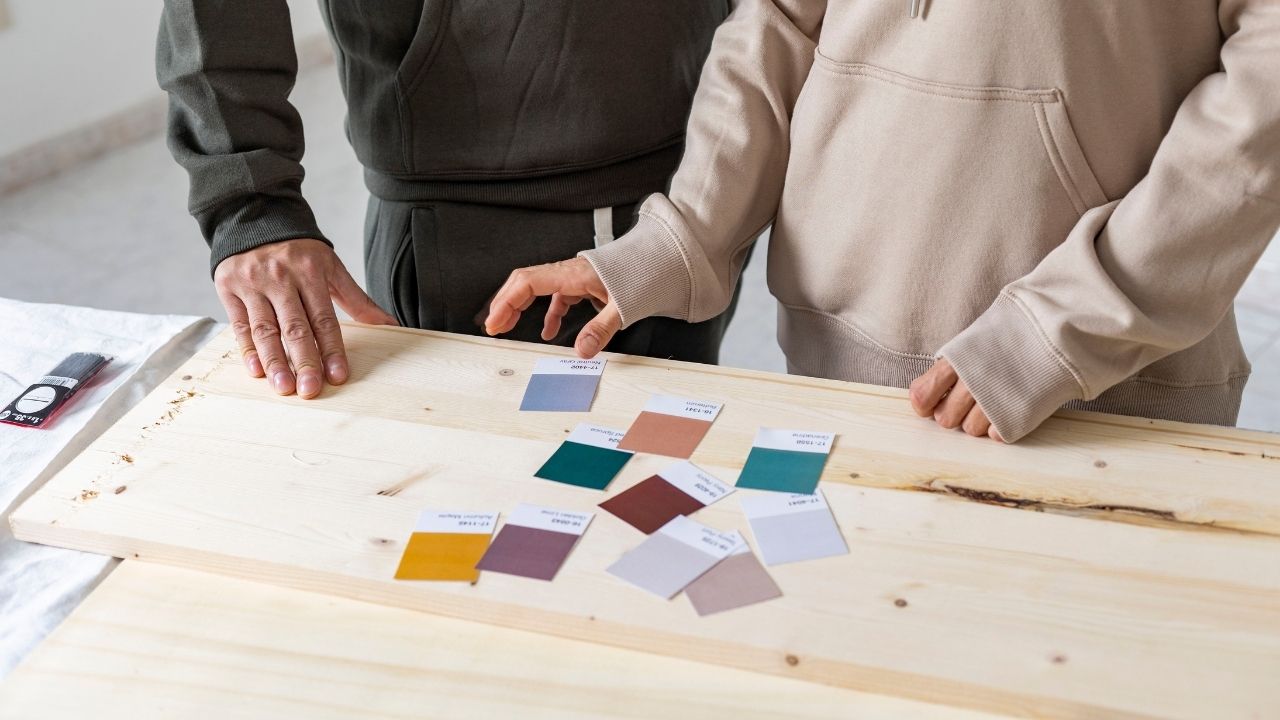
Luxury basements feature specialized amenity zones including home theaters with tiered seating and acoustic paneling, full-service bars with app-integrated inventory management and custom cabinetry, and fitness/wellness centers with specialized flooring and mirrored walls. Design aesthetics shifted from neutral tones to bold colors—deep blues, rich greens—and warm earth tones during 2023-2025. Sustainability focus emphasizes low-VOC paints, reclaimed wood, and natural materials. Smart technology integration includes lighting control and app-integrated features for bars and entertainment systems.
Below-grade spaces require moisture-resistant materials unnecessary on upper floors. Lighting design proves more critical due to lack of natural light requiring a comprehensive layered approach. Acoustic considerations differ due to concrete construction affecting sound transmission. HVAC and dehumidification requirements exceed upper floor needs maintaining proper humidity year-round.
Entertainment focus drives many conversions—home theaters, bars, gaming areas accommodate family and guest activities. Wellness priorities include fitness centers, spa-style bathrooms, and saunas. Multi-generational living needs create guest suites or in-law accommodations. Home value maximization through legally habitable square footage conversion increases appraised value—adding bedroom and bathroom particularly increases home's appeal and market value.
Pre-construction evaluation prevents expensive mid-project discoveries. Structural, moisture, and code compliance assessment determines feasibility before design investment.
Moisture represents the primary threat to finished basements—failure to manage leads to significant damage and health issues. All exterior water issues must be resolved before interior finishing begins. If walls are visibly wet, interior drain system installation is required before proceeding. Assessment includes foundation crack inspection, efflorescence identification, and water staining evaluation. Exterior grading and drainage evaluation critical before interior investment—water must flow away from the foundation.
Michigan Residential Code requires habitable space to maintain ceiling height not less than 7 feet (84 inches). Beams, girders, ducts, and obstructions may project down but 7-foot height must be maintained in at least 50% of habitable room area. Ceiling height determines whether space supports luxury conversion versus continued utility use. Layout constraints from support columns and load-bearing walls affect open floor plans. Access via interior stairs affects furniture moving and construction material delivery.
Load-bearing walls cannot be removed without structural engineering and beam installation. Mechanical systems including furnace, water heater, and electrical panel require code-mandated clearances. Plumbing stack locations constrain bathroom placement—relocating stacks proves expensive. Electrical panel access must remain unobstructed per code. Support columns require incorporation into design or strategic concealment.
Code compliance protects safety and resale value. Michigan follows International Residential Code with specific basement requirements controlling habitable space conversion.
Michigan Residential Code mandates a minimum 7 feet (84 inches) ceiling height for habitable space with beams and ducts potentially projecting provided 50% of the room maintains full height. Egress requirements demand basements containing habitable space include at least one operable emergency escape and rescue opening. Minimum net clear opening area measures 5.7 square feet, minimum net clear height 24 inches, minimum net clear width 20 inches, with bottom of clear opening no more than 44 inches from finished floor.
Insulation requirements specify R-15 minimum with R-19+ recommended for Michigan climate—closed-cell foam or rigid foam board recommended for moisture control. Similar to how proper home sealing protects energy efficiency, basement insulation prevents moisture and maintains comfort.
Every sleeping room requires egress window meeting size specifications—this requirement determines bedroom locations. Egress window placement affects exterior work including window wells with proper drainage and ladder requirements. Smoke detector placement required per code affecting electrical rough-in planning. Ventilation requirements may necessitate HVAC modifications ensuring adequate air circulation.
Building permits required for habitable space conversion. Multiple inspection checkpoints include foundation/framing, rough electrical, rough plumbing, mechanical, and final inspections. Egress window installation often requires separate permit and inspection. Permit drawings must show compliance with all code requirements. Failed inspections delay projects and may require expensive corrections.
Layout planning establishes functional zones and circulation. Strategic organization maximizes usable space while meeting code requirements.
Primary function drives all subsequent design decisions—entertainment, wellness, living, or multi-use approaches require different layouts and budgets. Single-purpose spaces like dedicated theaters or gyms versus multi-use flexibility affects equipment and finish selections. Family demographics influence function—young children require different spaces than teenagers or empty nesters. Long-term needs consideration including aging-in-place or multi-generational living affects accessibility and amenity choices.
Zoning separates incompatible uses—noisy entertainment areas separated from quiet office work. Guest suites require adherence to all habitable space codes including egress and ceiling height with full bathroom making space true value-add. Fitness centers require specialized flooring, mirrored walls, and adequate ventilation. Home theaters require acoustic isolation and light control.
Circulation paths prevent walking through one zone accessing another. Privacy walls separate guest accommodations from family entertainment areas. Acoustic treatments isolate noisy zones including theaters, music rooms, and bars from quiet spaces. Separate entrance for guest suite increases privacy and functionality. Bathroom placement considers plumbing stack locations and privacy needs.
Light and air quality transform the basement feel. Strategic window placement, proper HVAC, and layered lighting counter below-grade challenges.
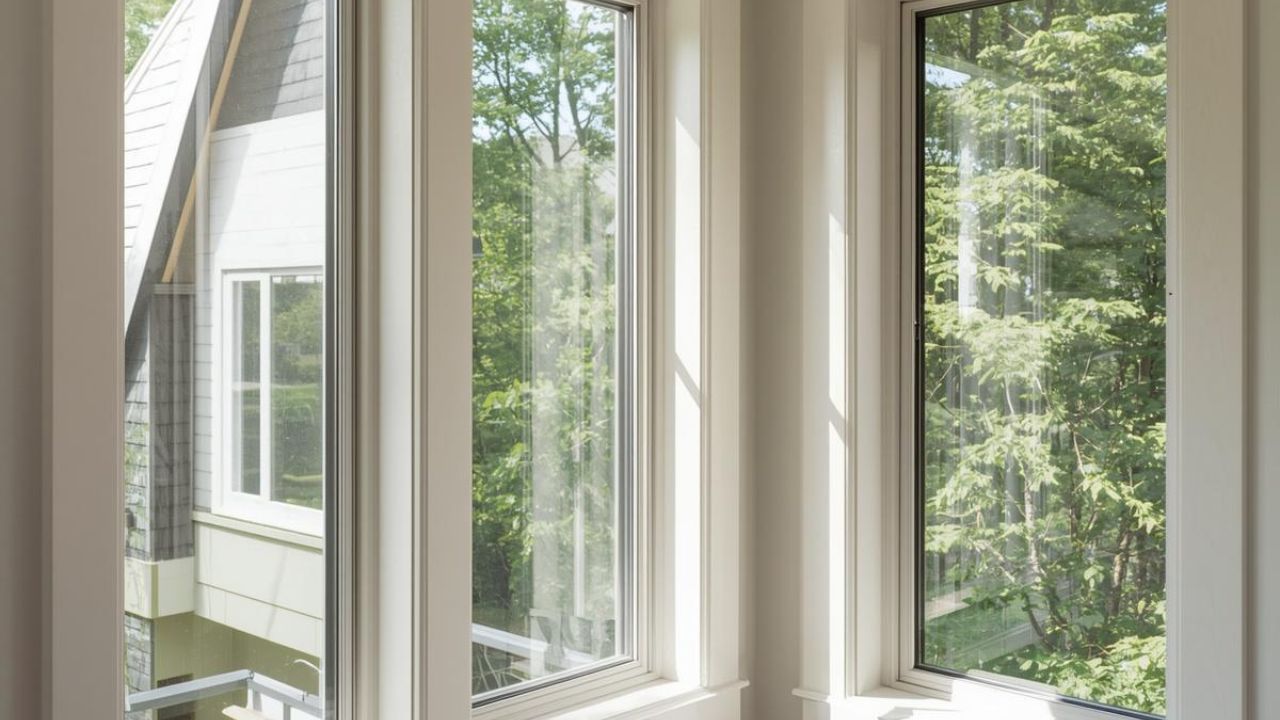
Egress windows provide both code compliance and natural light. Window wells with proper drainage and gravel base prevent water infiltration while channeling light. Walk-out basement access maximizes natural light and provides separate entrance when topography permits. Light wells with reflective surfaces amplify available natural light deeper into space. Just as window replacements improve upper-floor light and efficiency, basement windows transform below-grade spaces.
Consensus building science approach recommends insulating basement walls from the interior using materials impermeable to moisture—extruded polystyrene (XPS) or closed-cell spray foam. Foam insulation itself acts as a vapor control layer provided thick enough—1.5 inches or more of foil-faced polyiso or sufficient spray foam. Building scientists advise against installing a polyethylene vapor barrier on the warm side (interior) of wall assembly in basements—interior vapor barriers trap moisture between the barrier and cold concrete wall leading to mold and rot. Closed-cell foam insulation directly against concrete acts as both insulation and necessary vapor control layer. Dedicated dehumidification maintains proper humidity levels year-round.
Layered lighting approach essential for below-grade spaces includes ambient, task, and accent layers. Ambient lighting provides general illumination—recessed lighting (can lights) most popular choice for clean streamlined look. Task lighting focuses on specific activities—pendant lights over bars or pool tables, under-cabinet lighting in kitchenettes. Accent lighting highlights architectural features using directional spotlights or rope lighting in coves. Color temperature selection establishes mood—warmer lighting around 2700K-3000K preferred for living and entertainment areas creating a cozy inviting atmosphere.
Material selection balances luxury aesthetics with moisture resistance. Basement-appropriate materials prevent future damage while maintaining upscale appearance.
Engineered hardwood proves more stable than solid hardwood in humidity fluctuations. Luxury vinyl plank (LVP) provides wood appearance with complete moisture resistance. Porcelain tile withstands moisture while offering a luxury aesthetic. Avoid solid hardwood directly on concrete without a proper vapor barrier. Carpet requires moisture-resistant backing and padding if used.
Moisture-resistant drywall including "green board" or "purple board" standard for basements. Acoustic panels improve sound quality in theaters and music rooms. Exposed ceiling with painted mechanicals creates industrial-chic aesthetic while maintaining height. Coffered or tray ceilings add visual interest despite height limitations. Wainscoting and board-and-batten add texture and protect walls.
Reclaimed wood and natural stone trending in high-end basement finishes—these materials provide authentic luxury appearance. Quartz countertops in bars and kitchenettes resist moisture without sealing. Metallic accents and high-end materials like stone create a luxurious appearance. Water-resistant materials behind bars and near potential spill zones prevent long-term damage.
Amenities define luxury experience. Specialized features create destination spaces rivaling commercial entertainment and wellness facilities.
Home theaters feature tiered seating with reclining chairs, acoustic paneling for sound quality, dedicated concession areas, and specialized lighting control systems. Full-service bars include app-integrated inventory management trending in 2025, custom cabinetry with wine storage, high-end materials like metallic accents or reclaimed wood, and under-counter refrigeration. These features require electrical capacity planning, plumbing rough-ins, and strategic placement.
Fitness and wellness centers feature specialized flooring suitable for equipment and exercise, mirrored walls creating spacious feeling, integrated technology for virtual classes, and adequate ventilation preventing humidity buildup. Spa-style bathrooms include large format tiles, heated floors, rainfall showerheads and body sprays, and soaking tubs or whirlpool features.
Luxury guest suite requires adherence to all habitable space codes including egress and ceiling height. Full bathroom inclusion makes space a true value-add. Separate entrance increases privacy and functionality. Kitchenette or beverage stations add convenience. An ensuite bathroom with upscale finishes creates a hotel-like experience. Much like how quality siding enhances home exterior value, well-designed guest suites significantly increase property appeal.
Concealment strategies hide necessary utilities. Strategic storage maintains clean aesthetics while preserving mechanical access.
Custom enclosures with removable panels for HVAC equipment access maintain code compliance while hiding equipment. Soffits conceal ductwork while maintaining required clearances. Louvered doors on utility closets provide ventilation while hiding equipment. Code-required clearances must be maintained for furnaces and water heaters. Electrical panel access cannot be blocked per code requirements.
Floor-to-ceiling built-ins maximize storage without consuming floor space. Custom cabinetry matches luxury finishes throughout space. Hidden storage behind wall panels maintains clean lines. Window seat storage combines function with architectural detail. Media equipment concealment prevents technology from dominating design.
Sound-rated walls between utility and living spaces prevent noise transmission. Vibration isolation pads under laundry equipment eliminate structure-borne noise. Acoustic insulation in walls surrounding mechanical rooms contains equipment noise. Strategic placement of noisy equipment away from quiet zones reduces disturbance.
Financial planning enables realistic expectations. Michigan-specific ROI data guides investment decisions balancing luxury desires with market realities.
Basic finish ranges $15,000-$30,000 including drywall, basic flooring, ceiling tiles, minimal lighting delivering 60-70% ROI. Mid-range finish costs $30,000-$60,000 including upgraded flooring, recessed lighting, painted walls, one egress window, basic bathroom achieving 70-86% ROI. Luxury conversion ranges $60,000-$150,000+ including high-end flooring, custom cabinetry, full bar/theater, multiple egress, full bath, smart lighting delivering 75-90% ROI. Lansing, Michigan midrange basement remodel costs approximately $52,012 with estimated resale value $36,905 recouping 71.0% of costs.
Single-phase completion avoids living through multiple disruption periods. Phasing allows budget spreading but increases total cost from mobilization and demobilization. Rough-in completion including electrical, plumbing, and HVAC before finishing enables future phasing. Separate zones like theater versus guest suite can phase logically. Permit requirements may dictate completion timeline.
General basement remodel ROI ranges 70-90% across various sources with Michigan-focused average reaching 86%. Value maximizes when space legally converts into habitable square footage requiring all code requirements met including egress and ceiling height. Adding bedroom and bathroom significantly increases home's appeal and appraised value. Basement finishing ranks as strong value-add projects often proving more cost-effective than home additions.
Professional selection determines project success. Basement-specific experience and building science knowledge separate qualified contractors from general remodelers.
Licensed contractors with basement finishing experience understand below-grade challenges. Portfolio showing luxury basement work demonstrates capability level. References from clients with similar scope projects provide realistic expectations. Knowledge of building science principles for below-grade spaces essential—moisture management expertise non-negotiable. Professional renovation services with basement experience navigate these challenges systematically.
A written contract specifying all work, materials, timeline, and payment schedule creates mutual protection. Milestone-based payment structure protects homeowner interests. Regular progress meetings maintain communication. Change order process documented preventing scope creep. Photo documentation throughout construction creates progress records.
A contingency budget of 10-20% accommodates unforeseen conditions. Written change orders with pricing before work proceeds prevent billing surprises. Timeline adjustments documented with revised completion dates manage expectations. Material lead times incorporated into realistic schedules. Inspection delays built into timeline expectations.
Construction follows logical sequence. Understanding phases enables realistic expectations and informed oversight.
Demolition of existing finished areas clears space for new construction. Framing of new walls per approved plans establishes room layouts. Rough electrical installation before walls closed includes outlets, switches, lighting. Rough plumbing for bathrooms and wet bars includes supply lines and drains. HVAC modifications ensure adequate heating and cooling capacity. Inspection of rough-ins before proceeding verifies code compliance.
Insulation installation after rough-in inspection approval includes moisture-resistant closed-cell foam against concrete. Drywall hanging, taping, and finishing creates smooth wall surfaces. Flooring installation after drywall complete prevents damage from drywall dust. Millwork and trim installation follows flooring. Paint and final finishes after millwork completion prevent damage to completed woodwork.
Multiple inspection points required by code include framing, rough electrical, rough plumbing, mechanical, and final. Walk-through identifies deficiencies before final payment. Punch list documents items requiring correction. Final inspection before certificate of occupancy confirms code compliance. Retainage withheld until punch list complete provides correction incentive.
Furnishings and technology activate designed space. Strategic selections complete transformation from construction site to luxury living environment.
Scale-appropriate furniture prevents overwhelming space. Zone definition through furniture arrangement supplements architectural walls. Moisture-resistant fabrics accommodate potential humidity issues. Entertainment furniture including theater seating and bar stools purpose-built for specific functions. Guest suite furniture includes a full bedroom set creating a hotel-like experience.
Layered lighting including ambient, task, and accent creates depth and interest. Color temperature selection around 2700K-3000K establishes a warm inviting mood. Bold colors including deep blues, rich greens, and warm earth tones trending 2023-2025. Artwork and accessories personalize luxury space. Similar to how holiday transformations enhance seasonal enjoyment, thoughtful styling elevates basement luxury daily.
Smart lighting integration with app control trending in luxury basements enables scene programming. Multi-zone audio systems provide whole-space or zone-specific sound. Automated climate control maintains comfort through scheduled adjustments. Integrated AV systems conceal technology while maximizing function. App-integrated features including bar inventory management represent cutting-edge luxury. Voice control integration for lighting, temperature, and entertainment creates seamless user experience.
Maintenance protects investment. Systematic care preserves finishes while preventing moisture and air quality problems.
Radon testing recommended when finishing basement with sub-slab depressurization (ASD) system most effective solution if levels high—testing recommended with ASD system implementation if levels exceed 4 pCi/L. Sealing cracks and penetrations provides necessary complement to ASD system. Annual inspection of exterior drainage and grading prevents foundation water infiltration. Dehumidifier maintenance and monitoring maintains proper humidity year-round—40-50% relative humidity protects wood finishes and prevents mold.
pH-neutral, non-abrasive cleaners recommended for most luxury finishes. Indoor relative humidity 40-50% critical for protecting wood finishes and millwork. Granite countertops require sealing every 12-18 months. Marble countertops need sealing every 6-12 months. Grout requires full reseal every 5 years. Kitchen cabinets can last up to 50 years with proper maintenance.
Technology upgrades every 5-10 years maintain current capabilities. Finish refreshes including paint and flooring every 10-15 years maintain appearance. Layout reconfiguration when family needs change accommodates lifestyle shifts. Equipment replacement including HVAC and dehumidifier per manufacturer recommendations maintains efficiency.
Luxury basement conversion delivers 70-90% ROI with Michigan average reaching 86%—strong financial justification. Projects range $60,000-$150,000+ depending on finishes and amenities with Lansing midrange remodels costing approximately $52,012 recouping 71% at resale. Code compliance including 7-foot minimum ceiling height and 5.7 square foot egress windows enables legal habitable space conversion maximizing value.
Professional execution navigates complex building science requirements while delivering luxury finishes. Specialized amenities including theaters, bars, fitness centers, and guest suites transform unused storage into valuable living space. Contact Alexandria Home Solutions to discuss how professional basement transformation expertise delivers code-compliant luxury conversions maximizing your investment through systematic planning, quality execution, and attention to building science principles protecting long-term value.