
Key Takeaways
Michigan's brutal freeze-thaw cycles destroy windows faster than anywhere else in the Midwest. Homeowners face a choice: reactive replacement at $1,500-3,500 per window or proactive maintenance at a fraction of the cost. The difference is 10 years of window life and thousands in avoided expenses.
This guide delivers a proven quarterly maintenance schedule specifically designed for Michigan's Climate Zone 5, the only system that extends window lifespan while slashing energy waste.
Four seasonal checkpoints, monthly quick checks, and material-specific care routines stop small problems before they become expensive disasters. Start this week and protect your investment for the next decade.
Michigan's extreme climate destroys windows faster than almost anywhere else in the U.S. Without structured seasonal window maintenance, homeowners face premature failure and costly replacements. A simple quarterly routine changes everything, adding a decade to window life while slashing energy bills.
Without regular care, windows last 20-30 years. With proper quarterly maintenance, vinyl windows reach 30-40 years, and fiberglass hits 40-50 years. That's 10+ years of extended life from basic upkeep.
The math is clear: Annual maintenance costs $300-800. Full window replacement runs $1,500-3,500 per window in Southeast Michigan, $6,837 average for a complete house in Detroit. Spending $3,200 over 10 years on maintenance beats spending $7,000+ on replacement.
Freeze-thaw cycles attack relentlessly. Temperatures swing from below zero to above freezing repeatedly, causing frames to crack, seals to fail, and caulk to separate. This expansion and contraction warps frames, corrodes hardware, and creates air leaks. Proper Michigan freeze-thaw care is essential for preventing these costly failures.
High humidity and temperature extremes accelerate everything. Windows account for 25-30% of heating and cooling energy use. Failed seals alone waste 15% of your home's energy. Every crack and gap bleeds money and comfort.
Four seasonal checkpoints protect your investment and stop small problems before they become expensive disasters. Each season targets Michigan's specific threats, from spring water damage to winter condensation.
Spring repairs prevent water damage. Winter freeze-thaw cycles crack caulk and separate seals. Spring rains exploit every weakness.
Deep clean winter salt spray and road grime first. Inspect exterior caulk immediately; cracks and separation must be repaired now. Check sills and trim for water stains or rot. Clear weep holes at the bottom of frames to allow drainage. Install screens.
UV rays degrade seals and frames. Summer humidity breeds condensation and mold.
Clean glass and frames with mild soap and water or a vinegar solution. Perform hardware lubrication with silicone-based spray on tracks, hinges, casement cranks, and double-hung mechanisms. Never use petroleum products on vinyl. Apply UV-blocking film to sun-facing windows ($10-20 per roll blocks 99% of UV). Keep indoor humidity between 30-50%.
Fall creates your thermal envelope. This step prevents heat loss and ice dams all winter.
Test every window for drafts using a candle or smoke on a windy day. Re-caulk all exterior gaps with polyurethane caulk like Vulkem 116, Sikaflex, or OSI Quad Max ($10-20 per tube). Replace worn weatherstripping with EPDM rubber or vinyl V-strip ($5-15 per window DIY). Install storm windows; they cut heating and cooling bills up to 30%. Verify that locks seal tightly when closed.
Winter condensation destroys windows from the inside. Excess moisture causes mold, seal failure, and frame rot. Effective condensation control is critical during Michigan winters.
Monitor for condensation and frost. Keep indoor humidity below 40% with dehumidifiers and exhaust fans in kitchens and bathrooms. Clear snow and ice away from frames to prevent expansion damage. Check interior sills for moisture immediately; water here means seal failure. Emergency fix: Window insulation kits cost $15-25 for 10 windows and improve R-value by 90%.
Monthly 10-minute walkthroughs catch problems early. Material-specific care maximizes lifespan.
Walk through monthly. Visual scan for cracks or damage. Test operation, windows should move smoothly. Feel for drafts around frames and sashes with your hand.
Check for condensation between panes. This signals IGU seal failure, $75-150 to repair now versus $1,500+ for full replacement later. Clear debris from sills and weep holes. Done.
Wood windows demand perfect paint and caulk seals. Water infiltration at joints causes rot. Sand and repaint any peeling or cracking immediately. Inspect twice yearly for moisture damage. Properly maintained wood lasts 30-50+ years.
Vinyl and fiberglass need gentler care. Clean with mild soap and water only; petroleum products damage vinyl. Inspect perimeter caulk annually. Vinyl lasts 30-40 years with maintenance. Fiberglass reaches 40-50 years and resists freeze-thaw cycles better than any material, making it the best choice for Michigan's extremes.
All materials need weatherstripping attention. Inspect twice yearly. Replace every 5-10 years or when compressed or cracked. Professional installation runs $85-302 per window; DIY materials cost $5-15. Either way, weatherstripping cuts heating and cooling costs 5-30%.
Caulk and seals are your first defense against Michigan's climate. They fail predictably and quietly. Proper seal and caulk inspection stops expensive problems before they start.
Inspect caulk twice yearly: fall before winter hits and spring after freeze-thaw damage occurs. Look for cracks, gaps, shrinkage, and separation where frames meet siding or trim. Run the light test, shine a flashlight from inside at night to spot gaps. Touch test every joint, feel for loose sections or areas pulling away.
Use polyurethane caulk for Michigan. Vulkem 116 or Sikaflex ($12-20 per tube) offer superior flexibility for freeze-thaw cycles but require 40°F+ application temperatures, pre-warm tubes at room temperature for 24 hours if colder. OSI Quad Max ($10-15 per tube) works from 0°F to 140°F with 5x stretch and is widely available. Avoid standard acrylic latex; it fails in cold weather. Critical: surfaces must be clean, dry, and frost-free. For gaps wider than 1/4 inch, insert foam backer rod first. DIY saves $300-800 versus professional costs of $15-70 per window.
High indoor humidity plus cold glass equals condensation. Condensation breeds mold. Mold causes wood rot. Rot means structural damage and thousands in repairs.
Keep winter humidity below 40% to prevent condensation and seal failure. Run exhaust fans during and after cooking, showering, and laundry. Choose windows with U-factors of 0.27 or lower for Michigan's Climate Zone 5, which keeps interior glass surfaces above the dew point. Double-pane with Low-E coating and argon or krypton gas fill is the Michigan baseline. Triple-pane (U-factor 0.25 or less) delivers superior performance in extreme cold.
Know your limits. Some tasks save hundreds. Others risk thousands in damage when done wrong.
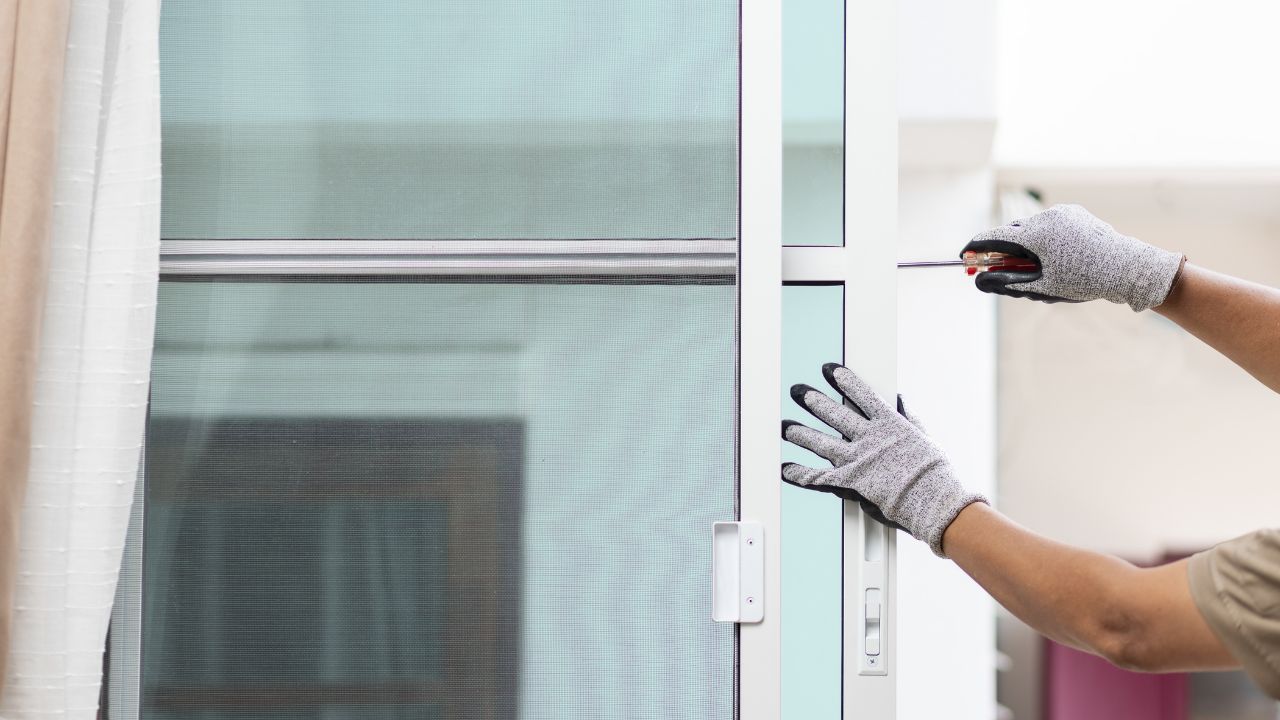
Monthly inspections and cleaning are easy wins. Replace the weatherstripping yourself. EPDM rubber stays flexible in extreme cold, and the vinyl V-strip lasts 10+ years. Exterior caulking with proper materials and technique is straightforward. Lubricate hardware with silicone spray. Install window insulation kits or storm windows.
DIY caulking saves $300-800 versus hiring professionals for a full home. Materials cost $10-20 per tube. Time investment: 2-4 hours for an average house.
Call immediately for broken glass, severe rot, recurring leaks, or major drafts that don't respond to repairs. Repeated condensation between panes signals IGU seal failure, $75-150 to repair now versus $1,500+ later. Mold spreading beyond the window area needs professional remediation. Structural movement or frame separation indicates serious issues.
Professional services worth paying for: Annual fall inspections cost $300-500 and catch hidden problems early. Complex repairs average $656 in Detroit, cheap compared to $6,837 for full replacement. New installations require Michigan energy code compliance (U-factor 0.32 maximum for Climate Zone 5). Don't guess, hire expertise. Check customer reviews to find qualified professionals.
Small mistakes compound into big bills. Avoid these errors and your windows last decades longer.
Start simple. Three actions this week build the foundation for 10 extra years of window life.
Quick whole-house inspection (30-60 minutes): Walk through every room. Note drafts, condensation, difficult operation, and visible damage. Write it down.
Fix one obvious issue (1-2 hours): Apply weatherstripping with a $15-25 kit. Re-caulk one window with $10-20 in materials. Lubricate stuck hardware. Pick the easiest win and complete it.
Set up quarterly reminders: Add April (spring), July (summer), October (fall), and January (winter) maintenance tasks to your calendar right now. Automate the habit before you forget.
Track your maintenance. Create a simple log: date, task, findings, repairs made, and cost. Track spending on maintenance versus major repairs avoided. Set a 5-year reminder for weatherstripping replacement. Schedule your first annual professional fall inspection ($300-500) for October.
The 10-year payoff is massive. Annual maintenance investment of $300-800 prevents premature replacement, averaging $6,837 for a full house. Energy savings of 10-20% annually compound through proper sealing. Result: 10+ extra years of window life, lower energy bills, maintained home value, and avoided major capital expense.
Michigan's freeze-thaw cycles destroy windows faster than almost anywhere else. Without a maintenance schedule, you're gambling with thousands of dollars and your home's comfort. The solution is simple: four quarterly checkpoints and monthly quick checks add 10 years to window life while cutting energy waste.
The numbers prove it. Spending $300-800 annually on maintenance beats spending $6,837 on full replacement. Every season targets specific threats, spring repairs prevent water damage, fall sealing stops winter heat loss, summer care blocks UV degradation, and winter monitoring prevents condensation destruction. Start with one inspection this week. The 10-year payoff begins immediately.
Ready to protect your window investment? Contact Alexandria Home Solutions for a professional assessment and Michigan-specific maintenance plan that keeps your windows performing for decades.